
 ENG
ENG
 English
 عربى
عربى Español
 中文简体
中文简体
When a pump shaft sleeve fails after only a few months of service in a slurry application, the root cause is rarely the steel itself. More often, the surface simply was not engineered to withstand the combined assault of abrasion, corrosion, and impact. High-velocity oxygen fuel (HVOF) coating equipment exists to solve precisely this class of problem, and it does so by depositing dense, tightly bonded metallic and carbide coatings at particle speeds that no other thermal spray process can match.
This guide explains how HVOF coating equipment works, what subsystems you need to understand before making a purchase decision, how to evaluate equipment against alternative thermal spray technologies, and what performance you can realistically expect from coated components. We will also address the practical question that faces many manufacturers: whether to invest in your own HVOF system or partner with an experienced coating service provider like Xike (Yancheng) Surface Coating Technology Co., Ltd. (xkyc.net).
Content
- 1 What Is HVOF Coating Equipment and How Does It Work?
- 2 Key Components of a Complete HVOF Coating System
- 3 HVOF Coating Equipment Selection Criteria
- 4 HVOF vs. Alternative Thermal Spray Coating Equipment
- 5 What Results Can You Expect from HVOF-Coated Components?
- 6 How to Evaluate a Coating Service Provider: Equipment vs. Capability
- 7 Conclusion: Making the Right Choice for Your Coating Needs
What Is HVOF Coating Equipment and How Does It Work?
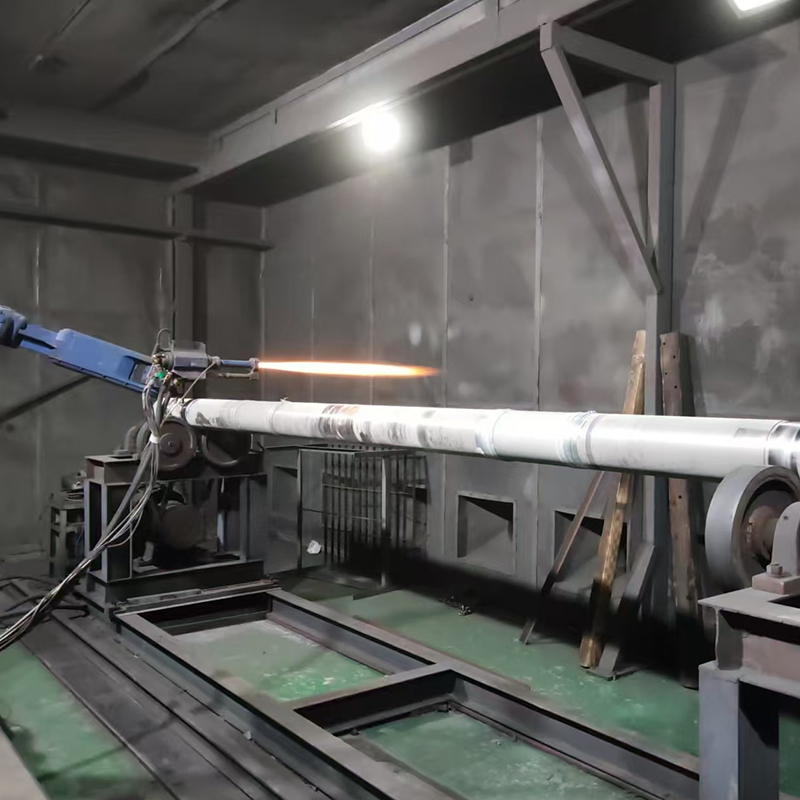
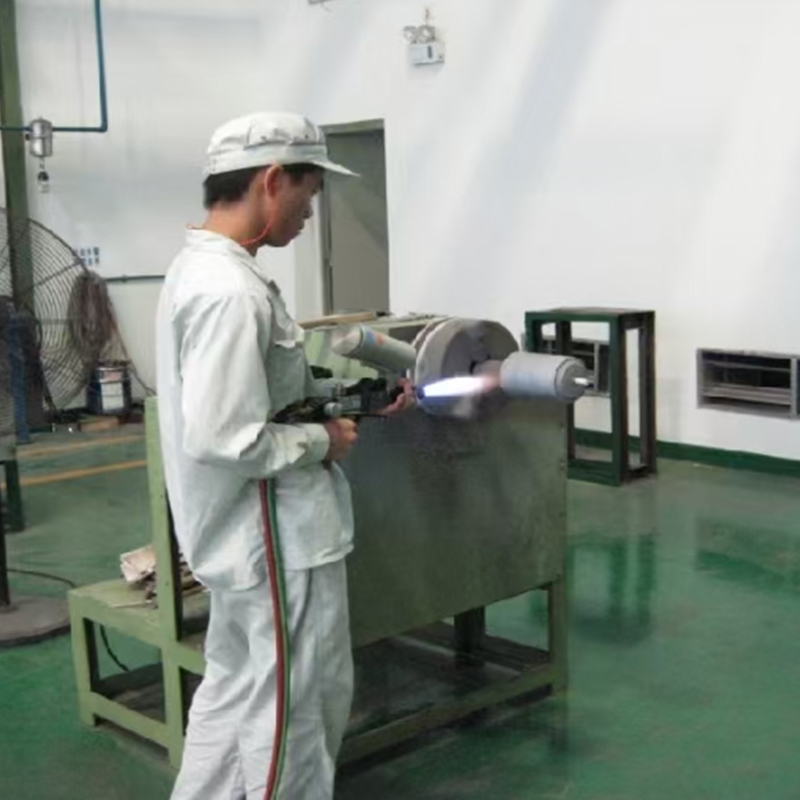
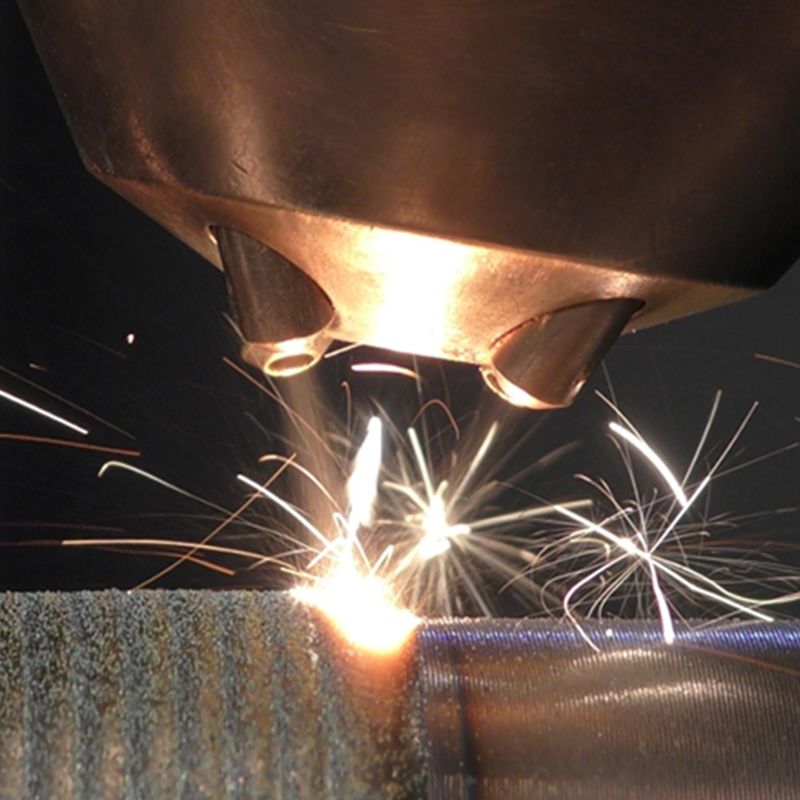
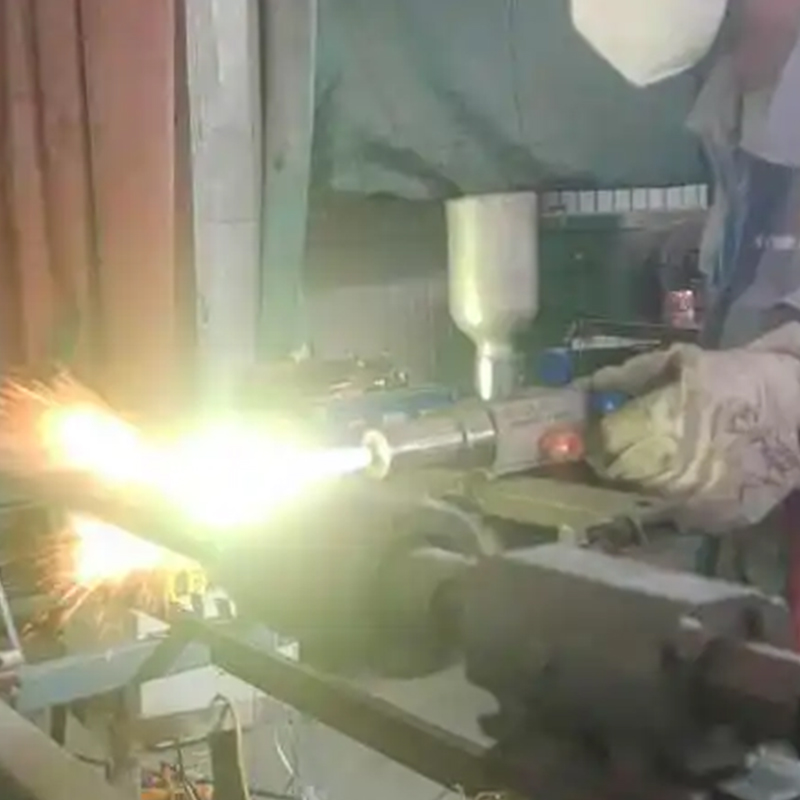
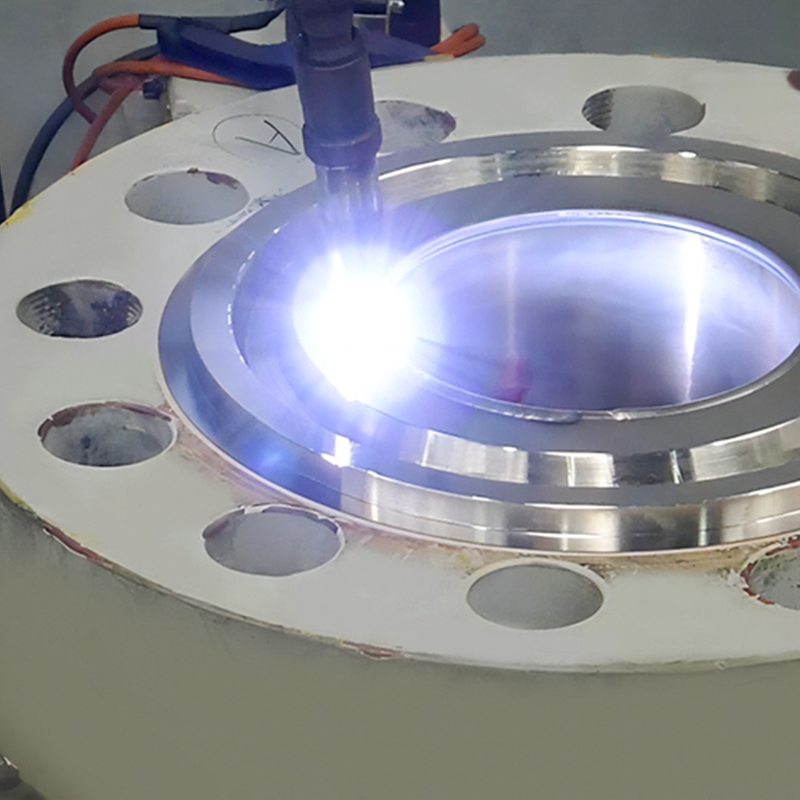
HVOF coating equipment is a thermal spray system that uses the combustion of oxygen and a fuel gas—or liquid fuel such as kerosene—to generate a high-temperature, high-pressure gas stream. This stream is accelerated through a nozzle to supersonic velocities, typically in the range of 400 to 800 m/s. Powdered coating material, usually carbide-based or metallic alloys, is injected into this gas stream with a carrier gas such as nitrogen. The particles are partially melted and then propelled at extreme kinetic energy onto the prepared surface of the component, where they flatten, interlock, and build up into a dense, low-porosity coating.
The defining characteristic of HVOF is the combination of a moderately high flame temperature—approximately 2,800°C—with exceptionally high particle velocity. Unlike plasma spraying, where particles are largely molten when they strike the surface, HVOF relies more on kinetic energy than on thermal energy. This "high kinetic energy, low melting degree" mechanism is what produces coatings with very low oxide content, high density, and excellent bond strength, making HVOF the preferred choice for demanding wear and corrosion applications.
The HVOF process itself was developed in the 1980s as an evolution of conventional flame spraying, and it has since become the industrial standard for applying tungsten carbide and chromium carbide coatings. For a deeper technical walkthrough, see our comprehensive guide to HVOF and supersonic flame spraying, which covers the underlying science in more detail.
Key Components of a Complete HVOF Coating System
A functional HVOF coating equipment setup is a system, not a single machine. Understanding each subsystem is essential for evaluating a purchase, planning installation, or assessing a service provider's capabilities. The four critical building blocks are the spray gun, the powder feeder, the manipulation and safety infrastructure, and the process control electronics.
HVOF Spray Gun Types: Liquid-Fuel vs. Gas-Fuel
The spray gun is the heart of the system. HVOF guns are broadly classified by their fuel type: liquid-fuel guns using kerosene, or gas-fuel guns running on propane, propylene, hydrogen, or natural gas. The choice affects coating characteristics in meaningful ways.
- Liquid-fuel (kerosene) guns generally produce higher gas velocities and allow for higher powder feed rates. They are often preferred for thick, wear-resistant carbide coatings where deposition efficiency matters. However, they require more complex pumping and atomization systems.
- Gas-fuel guns are simpler to operate and maintain, making them a common choice for job shops that process varied components. They are also advantageous when spraying heat-sensitive substrates, because the combustion temperature can be more easily tuned.
The combustion pressure and nozzle geometry directly control particle velocity and coating stress state. Coatings applied with a higher-velocity gun tend to be denser but may also induce higher compressive stress in the coating, which affects the maximum thickness that can be applied before cracking becomes a risk. For a closer look at the physics driving these differences, read about the science and industrial impact of supersonic flame spraying.
Powder Feeding and Carrier Gas Systems
Consistent powder delivery is non-negotiable for reproducible coating quality. The powder feeder must deliver a steady, metered flow of material into the gas stream without pulsation. Powder particle size for HVOF typically falls in the 5 to 60 micron range, and the feeder must accommodate the specific size distribution that matches the gun and the target coating properties. Nitrogen is the standard carrier gas because it is inert and readily available.
Feeding accuracy directly impacts coating thickness uniformity, porosity, and bond strength. A variation of even a few percent in feed rate can translate into measurable differences in coating quality across a production run. This is why advanced systems increasingly use closed-loop mass-flow control, which adjusts feed based on real-time measurement rather than relying solely on pre-set potentiometer values.
Manipulation, Booth and Safety Infrastructure
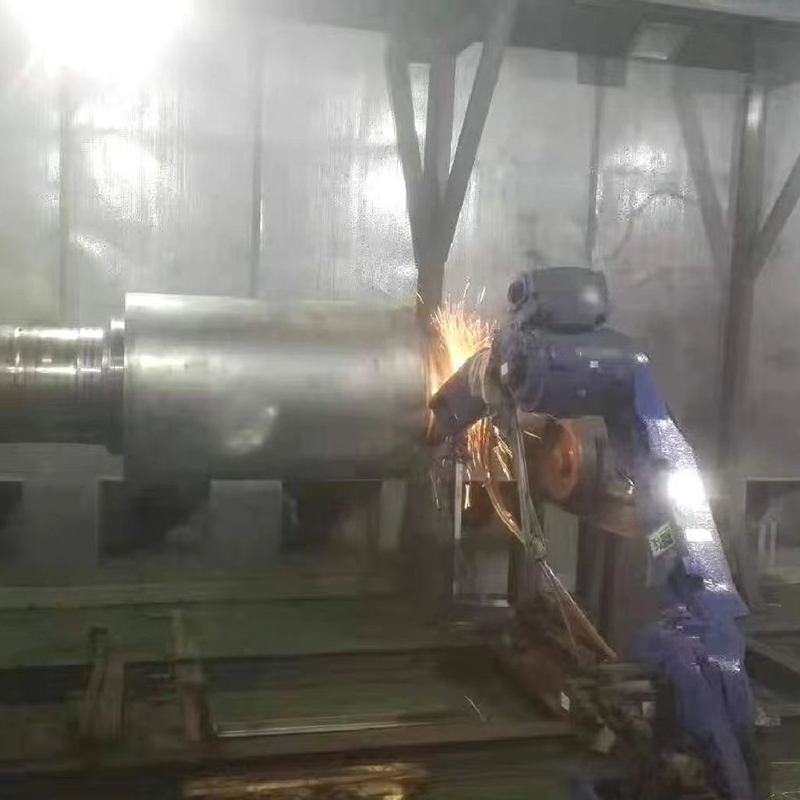
Manual HVOF spraying is possible but rarely optimal. The process generates noise levels that often exceed 120 dB, and the high particle velocities demand consistent standoff distance and traverse speed. For repeatable results, parts are typically mounted on a turntable and moved under a fixed gun using a robotic manipulator or a programmable two-axis system.
HVOF coating equipment also requires a dedicated spray booth with acoustic insulation, dust collection, and air filtration. The booth contains overspray and captures fine particulates that could otherwise pose a respiratory hazard. Operators must be trained in the safe handling of fuel gas, high-pressure oxygen, and combustible powders. In the United States, facilities typically follow NFPA standards and OSHA guidelines for thermal spray operations. When evaluating equipment, budget for this infrastructure in addition to the machine itself; for many small shops, the booth and ventilation cost can rival the gun and feeder package.
HVOF Coating Equipment Selection Criteria
Choosing an HVOF system is a capital decision that should be driven by coating performance requirements and production economics, not by vendor brochures. Use the framework below to structure your evaluation.
| Selection Criterion | Why It Matters | Typical Range / Consideration |
|---|---|---|
| Coating performance needs | Defines acceptable hardness, porosity, bond strength | Look for bond strengths above 70 MPa and porosity under 1% |
| Sprayable material range | Gun combustion temperature must suit the powder | Tungsten carbide, chromium carbide, Stellite alloys |
| Deposition efficiency & rate | Affects cost per part and cycle time | Application rates typically 40–200 g/min |
| Part size and geometry | Determines booth size and manipulator reach | Internal bores may require specialized extension guns |
| Initial investment & running cost | Justifies the business case | HVOF costs more than flame or arc spray |
| Maintenance complexity | Downtime directly reduces capacity | Gun nozzles and powder feeders wear fastest |
| Automation level | Drives consistency and labor cost | Robotic manipulation is strongly recommended |
The business case deserves emphasis. HVOF equipment is significantly more expensive than flame spraying or arc spraying systems, both in upfront capital and in operating costs for fuel, oxygen, and high-quality powders. The justification must come from the value delivered: a tungsten carbide HVOF coating can extend the service life of a critical component by five to ten times compared to an uncoated part, cutting downtime and replacement costs in the process. If your parts are failing prematurely and the cost of failure is high, the ROI can be highly attractive. If your components are low-value and failure is not disruptive, a simpler coating process may be sufficient.
Also consider the supply chain for spare parts and consumables. A gun that requires a three-week wait for a nozzle is a production risk. Verify that the equipment manufacturer or distributor has a local presence and a proven parts inventory before signing the contract.
HVOF vs. Alternative Thermal Spray Coating Equipment
HVOF is not the only thermal spray technology, and it is not always the best fit. A responsible equipment selection requires honest comparison with plasma, arc, and flame spraying.
Where HVOF Wins
HVOF produces the densest coatings of any thermal spray process that operates in an ambient atmosphere. The ultra-high particle velocity creates coatings with extremely low porosity (often below 1%), high hardness, and excellent adhesion. Because the particles are not fully melted, HVOF minimizes the decomposition of carbide phases—critical for tungsten carbide coatings that lose hardness if the carbon burns off. For sliding wear, abrasive wear, and erosion resistance in aggressive environments, HVOF is the gold standard. It is also the preferred method for the key advantages of supersonic flame spraying in demanding industrial sectors.
Where Alternatives Justify Their Cost
- Plasma spraying operates at much higher temperatures, which allows it to melt high-melting-point ceramics like zirconia and alumina. If you need thermal barrier coatings for turbine blades or ceramic coatings for semiconductor etch chambers, plasma is the correct process. Its coatings are, however, more porous and have higher oxide content than HVOF coatings.
- Arc spraying uses two consumable wires that melt and are atomized by a compressed air jet. It offers very high deposition rates and low equipment cost, making it ideal for large-area, cost-sensitive applications such as anti-corrosion coatings on steel structures. Coating density and bond strength are lower than HVOF.
- Flame powder spraying is the simplest and most affordable process. It is useful for build-up and repair applications on low-stress surfaces, but it produces coatings with higher porosity and weaker adhesion.
The practical takeaway is that HVOF equipment should be selected when the application demands dense carbides, exceptional bond strength, and minimal oxide content. When your priority is a low-cost coating for a non-critical surface, another process may deliver acceptable results at a fraction of the cost. When your priority is extreme heat resistance in a ceramic coating, HVOF is the wrong tool.
What Results Can You Expect from HVOF-Coated Components?
To understand the value of HVOF coating equipment, it helps to anchor the technology to real engineering problems. HVOF delivers measurable improvements in component durability across several demanding applications.
Pump and Valve Components
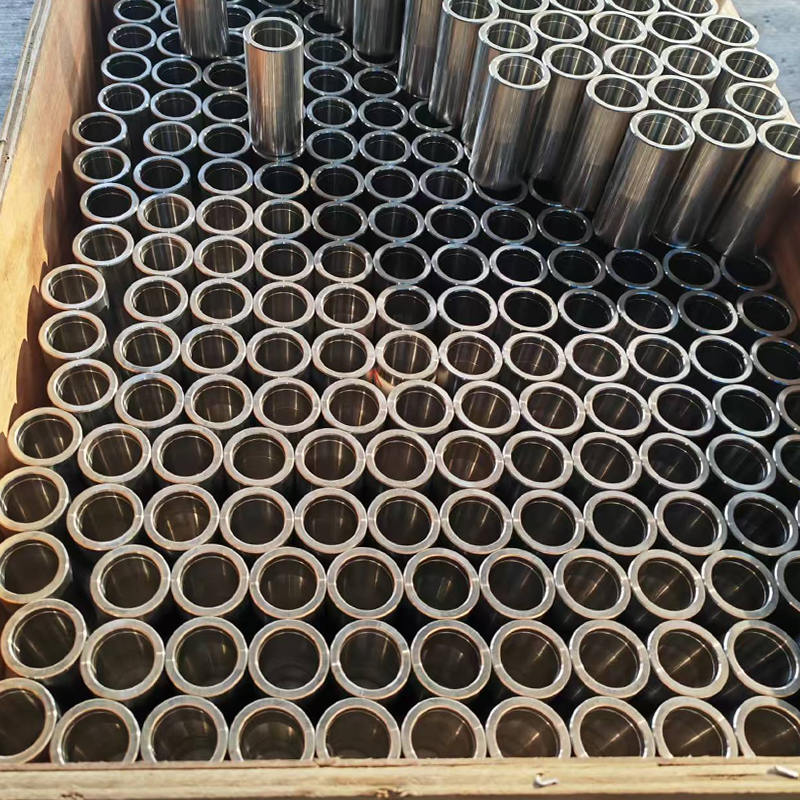
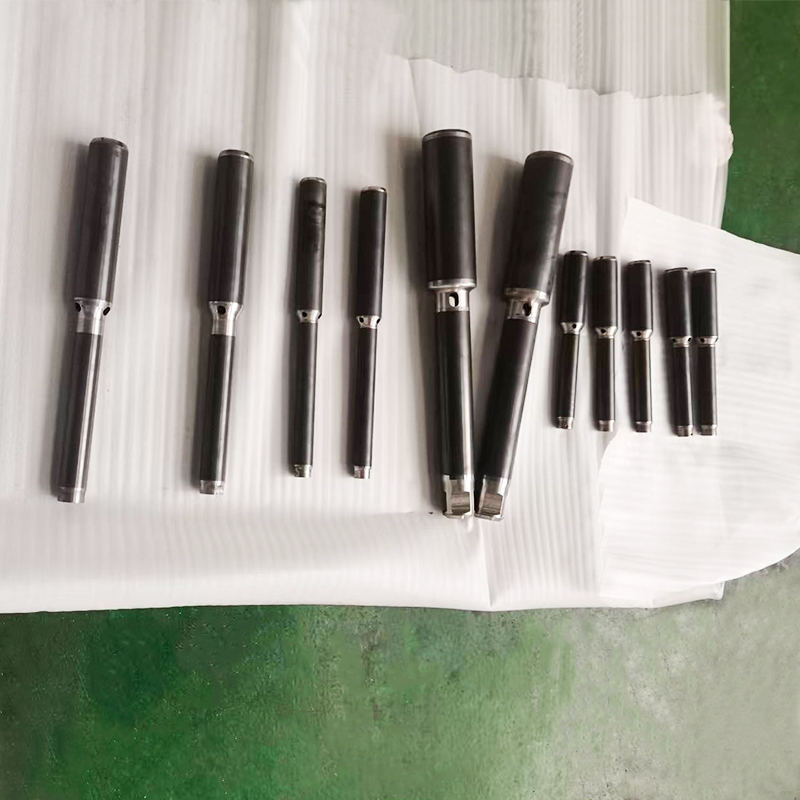
Pump shafts, shaft sleeves, plungers, and valve seats are classic HVOF candidates. These parts often operate in abrasive slurries, corrosive chemicals, or high-pressure water. A tungsten carbide HVOF coating on a pump shaft sleeve typically produces a surface hardness in the range of 1000 to 1300 HV, far exceeding what a hardened steel shaft can achieve. The coating also resists corrosion and reduces friction between the sleeve and packing. This is precisely the kind of component that xkyc.net processes regularly in its production facility, as seen in our HVOF-coated pump shaft sleeves. For a deeper discussion of how these coatings extend service life, read about how HVOF thermal spray enhances component durability.
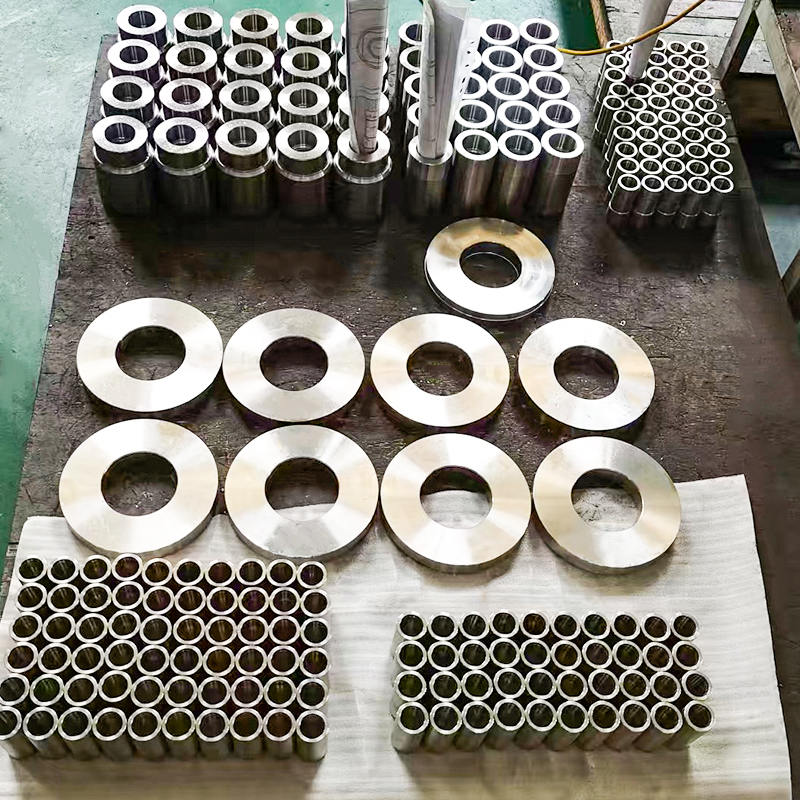 Coated Shaft Sleeve Manufacturers, Pump Axial Sleeve CompanyAs China Coated Shaft Sleeve Manufacturers and Pump Axial Sleeve Company, Xike (Yancheng) Surface Coating Technology offer Wholesale Coat...View Product →
Mining, Oilfield, and Conveyor Equipment
In mining and oilfield operations, components face severe abrasion from rocks, sand, and other hard particles. Tungsten carbide coatings applied by HVOF are widely used on crusher components, screw conveyors, and wear plates. The industrial applications of tungsten carbide coating in mining and oilfield go far beyond simple wear plates, extending to critical drilling components where a premature failure can cost millions in downtime.
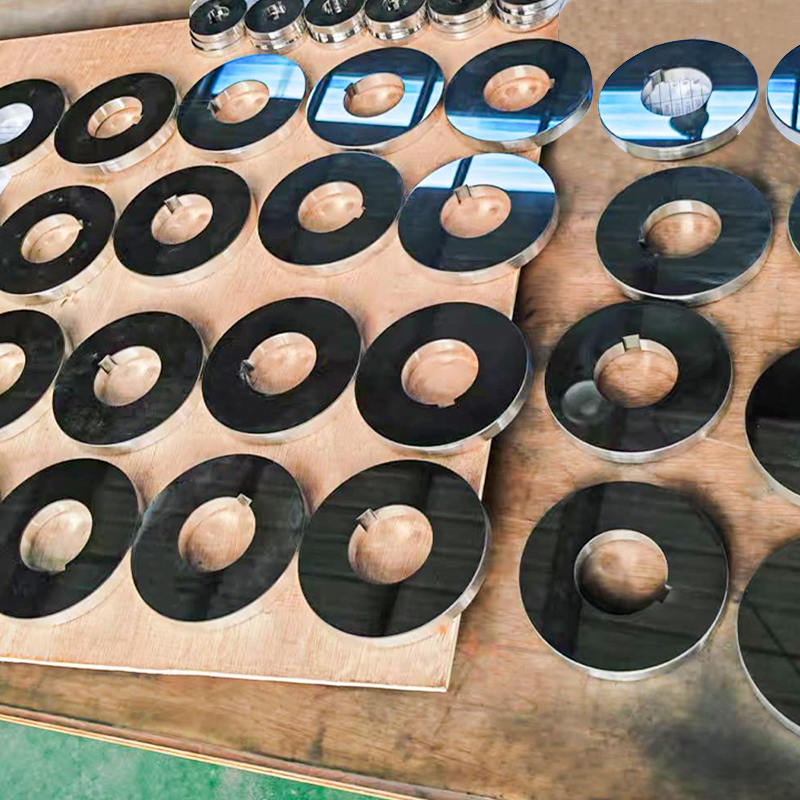
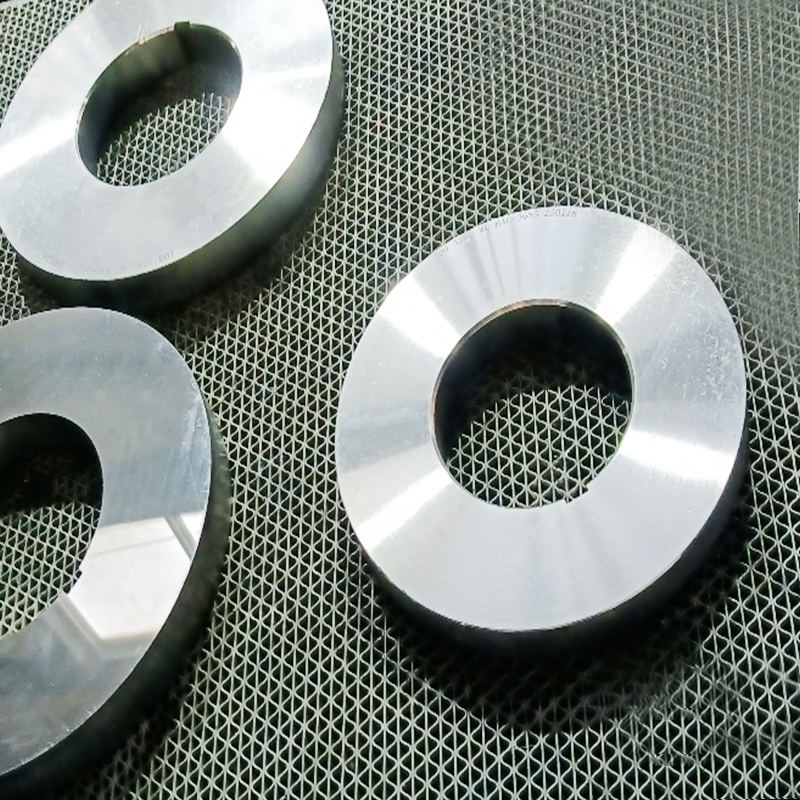
Wire Drawing Accessories
Wire drawing is a pure abrasion environment. Capstans, cones, and draw blocks must maintain a precise surface finish while transmitting high forces to the wire. A tungsten carbide HVOF coating on these components resists grooving and preserves the surface geometry, thereby maintaining consistent wire quality. The complete range of parts processed with this technology is significant; for reference, review the category of HVOF-coated wire drawing accessories to see how this plays out across capstans, guide rollers, and drums. Also, a typical tower wheel for a wire drawing machine, such as our tungsten carbide tower wheel, shows the level of surface integrity that HVOF can deliver. From valves to conveyor casings, the core promise is the same: dramatically extended component life, reduced unplanned downtime, and lower total cost of ownership. In our facility, the supersonic HVOF spraying technology we use is a core production process for this reason.
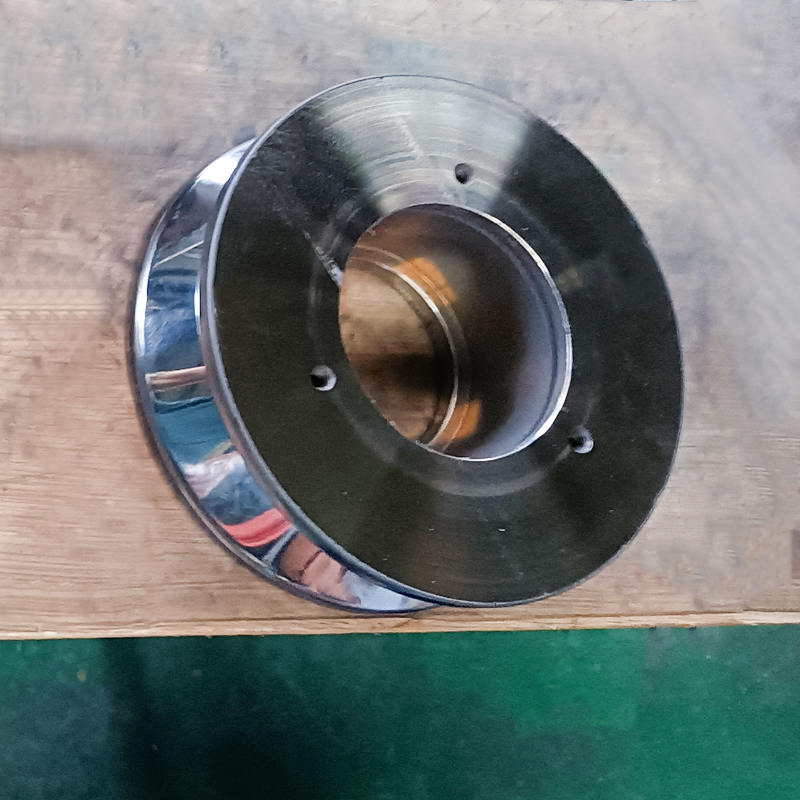 Custom Thermal Spray Wire Drawing Accessories Suppliers, FactoryAs China Custom Thermal Spray Wire Drawing Accessories Suppliers and Thermal Spray Wire Drawing Accessories Factory, Xike (Yancheng) Surf...View Product →
To summarize typical engineering outcomes:
- Hardness: Tungsten carbide HVOF coatings achieve hardness values of 1000–1300 HV, depending on the matrix and carbide grain size.
- Porosity: HVOF coatings routinely achieve porosity below 1%, approaching the density of wrought materials.
- Bond strength: Values above 70 MPa are common, subject to proper substrate preparation and coating thickness.
- Oxide content: The low-temperature, high-velocity process results in significantly lower oxide content than plasma or arc spray.
These properties translate into real-world benefits. A plunger that previously failed after six months in a reciprocating pump can be restored to service with an HVOF coating and run for two to three times longer. A valve stem facing erosion from high-pressure steam can be repaired rather than scrapped, saving the cost of a new high-alloy forging.
How to Evaluate a Coating Service Provider: Equipment vs. Capability
Purchasing HVOF coating equipment is a substantial financial and organizational commitment. You must allocate capital, install infrastructure, hire and train operators, and maintain a supply of expensive powders. For many manufacturers—particularly those whose core business is not surface engineering—outsourcing HVOF coating to a specialized service provider is the more rational choice. The key is to evaluate providers correctly.
A Framework for Vetting a Service Provider
When you evaluate a coating service provider, you are effectively buying their process capability, quality management, and experience. Ask these questions:
- Process coverage: Does the shop offer multiple thermal spray processes (HVOF, plasma, arc spray, flame spray) and related technologies like laser cladding and spray welding? A multi-process provider can recommend the best coating type rather than merely selling you the only one they have.
- Production scale: Can the provider handle your required volume and part sizes? A facility with multiple production lines and dedicated HVOF booths can guarantee capacity better than a single-machine job shop.
- Quality systems: Is the provider certified to recognized management standards? What inspection equipment do they use to verify coating thickness, porosity, and bond strength?
- Industry experience: Has the shop coated components for your specific industry, such as pumps, valves, mining equipment, or wire drawing? Application-specific experience means fewer surprises during process qualification.
- Coating application knowledge: Does the provider offer application engineering, helping you select the right coating material and thickness for your specific wear mechanism?
A company like xkyc.net (江苏壹佰精工机械有限公司) fits this profile. As a thermal spray coating manufacturer rather than an HVOF equipment maker, xkyc operates 10+ production lines and employs a team of 200+ personnel. The company maintains three management system certifications and operates a newly commissioned 20,000 m² production base in Yancheng, which came on stream in 2025. Their process portfolio includes HVOF, plasma spray, arc spray, flame spray, laser cladding, and spray welding, giving them the flexibility to recommend the best solution for a given application. For pump and valve manufacturers specifically, they offer thermal spray solutions for the pump and valve industry.
The advantage of this approach is that you avoid the risk of an equipment investment that might sit idle, the learning curve of process development, and the liability of maintaining a potentially hazardous process. You also gain access to a wider range of coating options and the accumulated experience of a team that has solved problems across many industries. If you are still early in the assessment process, reviewing a broader HVOF, ceramic and tungsten carbide coating guide can help you frame better questions for any prospective partner.
Conclusion: Making the Right Choice for Your Coating Needs
The decision to procure HVOF coating equipment or outsource HVOF coating to a service provider is not a simple one. Both paths have merit, and the right answer depends on your volume, application criticality, and core competencies.
If you have high-volume production, a stable application that requires exactly one coating type, and the technical staff to operate a complex thermal spray process, then purchasing your own HVOF system can be justified. In that case, invest time in studying the gun type, powder feeder precision, and automation infrastructure described in this guide. Protect your investment with a solid maintenance plan for nozzles, powder lines, and fuel systems, and budget for exhaustive operator training.
If your parts are critical to your customers but coating is not your area of expertise, the smarter path is to partner with a qualified coating service provider. This approach minimizes technical and financial risk, provides access to a broad range of processes and materials, and lets you focus your capital on your core manufacturing capabilities. When you choose a partner, look for proven process coverage, validation capability, and experience in your specific application domain.
The ultimate goal in surface engineering is not to own a piece of HVOF coating equipment. It is to deliver a component that performs reliably and lasts longer, and to do so at a cost that makes your product profitable. By understanding the equipment, applying a disciplined selection framework, and evaluating partners on capability rather than the equipment they own, you put yourself in a position to make the right call—whether that call is to quote an in-house machine or to place a coating order with a specialist like 江苏壹佰精工机械有限公司.

 TOP
TOP