
 ENG
ENG
 English
 عربى
عربى Español
 中文简体
中文简体
A slurry pump impeller that fails every three months. A valve stem that seizes in hot, corrosive service. A vacuum chamber part that degrades under plasma etching. These are not rare breakdowns; they are routine problems in plants that handle abrasive slurries, aggressive chemicals, and high process temperatures. In many cases, the fix starts with the same raw material: advanced ceramic powders.
Advanced ceramic powders are engineered feedstocks used to create protective ceramic coatings through thermal spray processes. Their purity, particle size distribution, phase structure, and morphology determine whether a coating lasts for two years or two weeks. This article explains what advanced ceramic powders are, how the main families differ, and what engineers should evaluate before specifying a powder or a coating service.
Content
- 1 What Are Advanced Ceramic Powders?
- 2 Why Ceramic Powders Matter in Surface Engineering
- 3 Main Types of Advanced Ceramic Powders
- 4 From Powder to Coating: Thermal Spray Processing
- 5 Selecting Advanced Ceramic Powders: What to Check
- 6 Real-World Applications and Industry Examples
- 7 Choosing a Thermal Spray Partner for Ceramic Powders
What Are Advanced Ceramic Powders?
Advanced ceramics are inorganic, nonmetallic materials produced with tightly controlled composition and microstructure, in contrast to traditional ceramics used in bricks and sanitary ware. When manufactured as powders for thermal spraying, they typically fall in a particle size range of roughly 5 to 90 micrometers, with a distribution narrow enough to ensure consistent melting, flow, and deposition.
The controlled nature of these powders is what separates them from commodity materials. Producers adjust purity, crystalline phase, particle morphology, and agglomeration behavior to suit a specific coating process and service condition. The result is a powder engineered for a particular goal: a harder surface, a corrosion barrier, or a thermal insulation layer.
Why Ceramic Powders Matter in Surface Engineering
Ceramic coatings made from advanced ceramic powders deliver combinations of properties that monolithic metals rarely offer. Coating hardness commonly reaches 800 to 1,600 HV depending on the material, and many ceramic compositions retain that hardness at temperatures that would soften metallic coatings. Oxides such as alumina and chromia also stay chemically stable in acidic and caustic media.
The three properties that matter most in industrial applications are:
- Wear resistance — ceramic coatings resist abrasion, erosion, and sliding wear. Alumina and chromium oxide are common choices for sliding contact, while carbide-based systems handle severe abrasion.
- Corrosion resistance — oxide ceramics protect pump and valve components from process fluids, seawater, and chemical attack.
- Thermal stability — ceramic coatings hold their structure and hardness under high temperature and thermal cycling, protecting the substrate from heat damage.
These properties are rarely needed in isolation. Good coating design starts with the component's dominant failure mode, and that decision begins with the powder.
Main Types of Advanced Ceramic Powders
Oxide Ceramics
Oxide ceramics form the most widely used family in thermal spraying. Alumina (Al2O3) provides excellent wear resistance, dielectric strength, and a mature supply chain. Zirconia (ZrO2), typically stabilized with yttria or magnesia, offers low thermal conductivity and good fracture toughness, making it the standard material for thermal barrier coatings. Chromium oxide (Cr2O3) is favored for pump shafts and sealing faces because of its low friction and fine as-sprayed finish. Titania-based blends are often added to alumina when a balance of wear resistance and toughness is needed.
Non-Oxide and Carbide Families
Non-oxide ceramics include carbides, nitrides, and borides. Silicon carbide (SiC) is extremely hard and appears in composite and reactive coating research. Silicon nitride (Si3N4) provides good thermal shock resistance and is gaining attention in advanced coating development. In industrial thermal spraying, the most important carbide powders are tungsten carbide and chromium carbide, usually combined with a metallic binder such as cobalt or nickel-chromium. These systems remain the workhorses for wear protection in slurry handling, mining, and wire drawing, as discussed in our overview of ceramic thermal spray coatings.
| Powder family | Typical hardness (HV) | Main strength | Common applications |
|---|---|---|---|
| Alumina (Al2O3) | 1,000–1,400 | Wear resistance, electrical insulation | Pump shaft sleeves, guide rollers, sealing faces |
| Zirconia (ZrO2) | 900–1,200 | Thermal barrier, fracture toughness | High-temperature casings, mold and die components |
| Chromium oxide (Cr2O3) | 1,200–1,500 | Low friction, corrosion resistance | Pump shafts, plungers, seal rings |
| Tungsten carbide (WC-Co) | 1,000–1,300 | Severe abrasion resistance | Impellers, conveyor casings, wire drawing tools |
| Silicon carbide (SiC) | 2,200–2,600 | Extreme hardness | Composite coatings, specialty wear surfaces |
| Silicon nitride (Si3N4) | 1,400–1,800 | Thermal shock resistance | Advanced coating development, high-temperature parts |
From Powder to Coating: Thermal Spray Processing
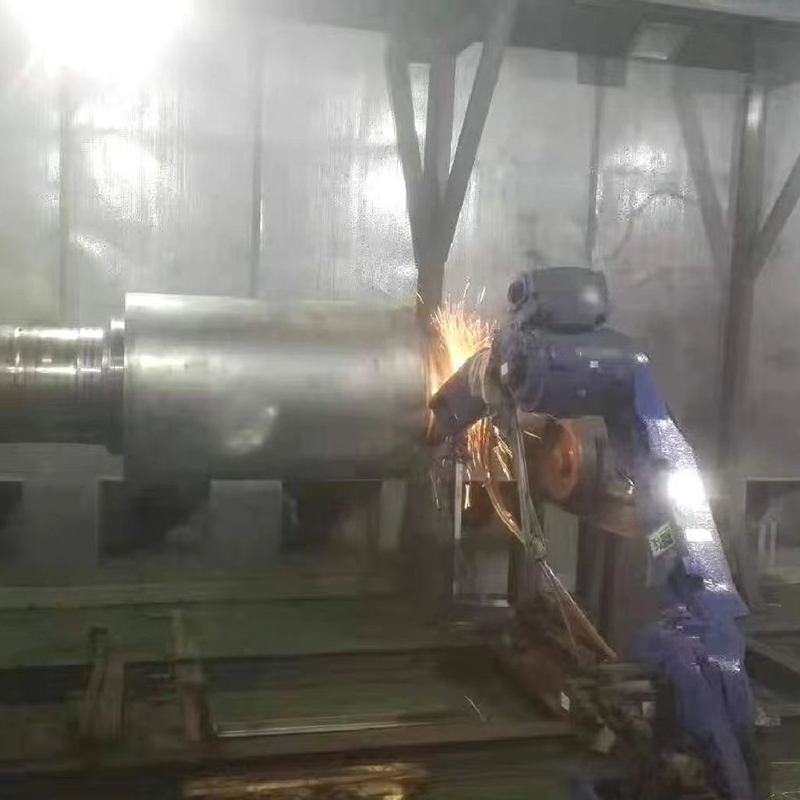
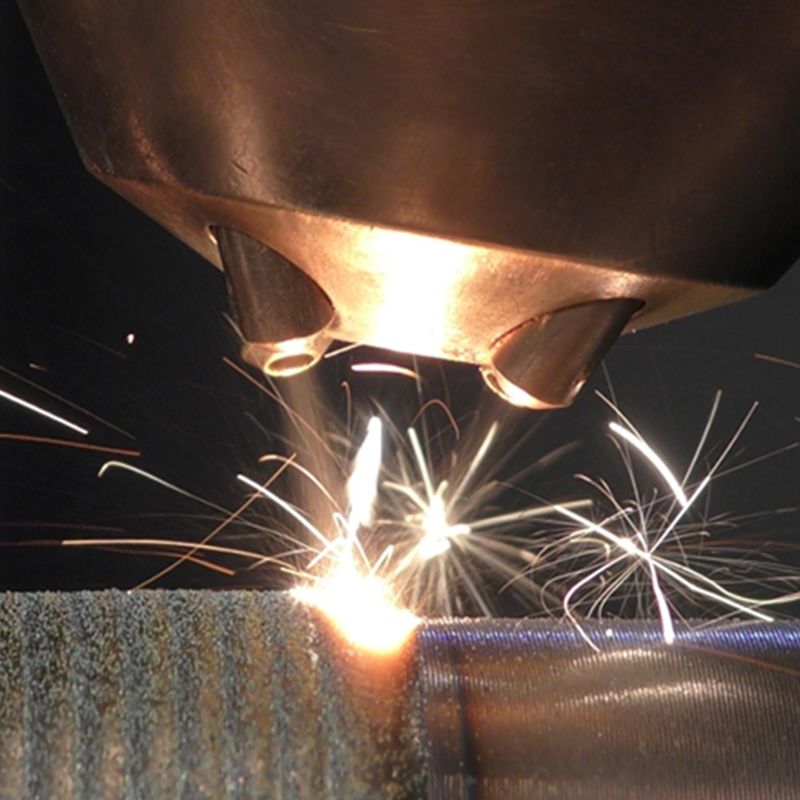
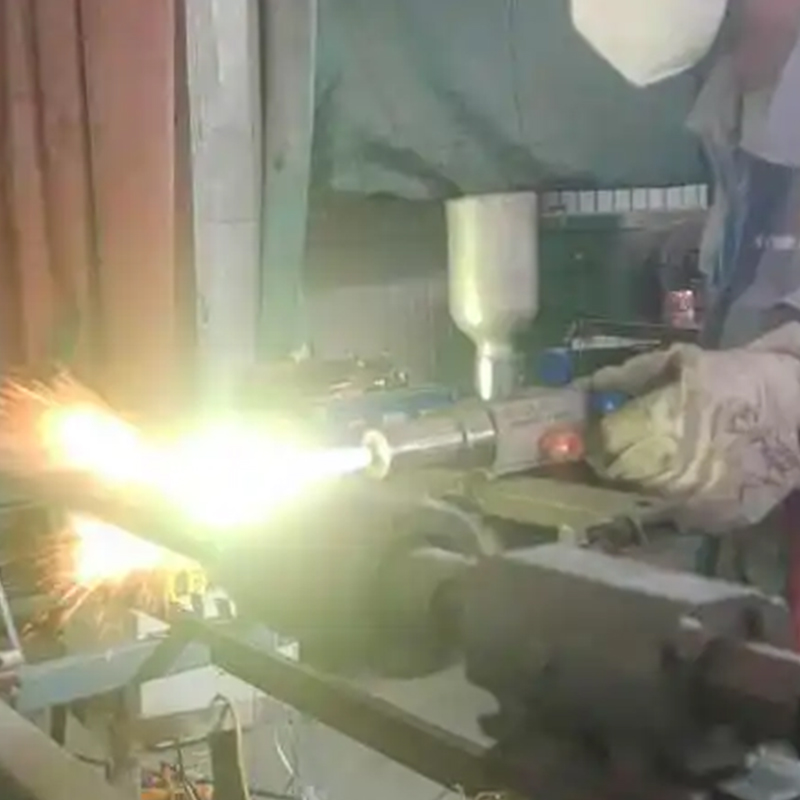
Powders are only the first half of the story. To become a coating, the powder must be fed into a thermal spray gun, heated until molten or semi-molten, and accelerated toward the workpiece, where each particle impacts, flattens, and solidifies into a dense, layered deposit. The process must be matched to the powder chemistry and the performance target.
Plasma Spray for Oxide and High-Melting Powders
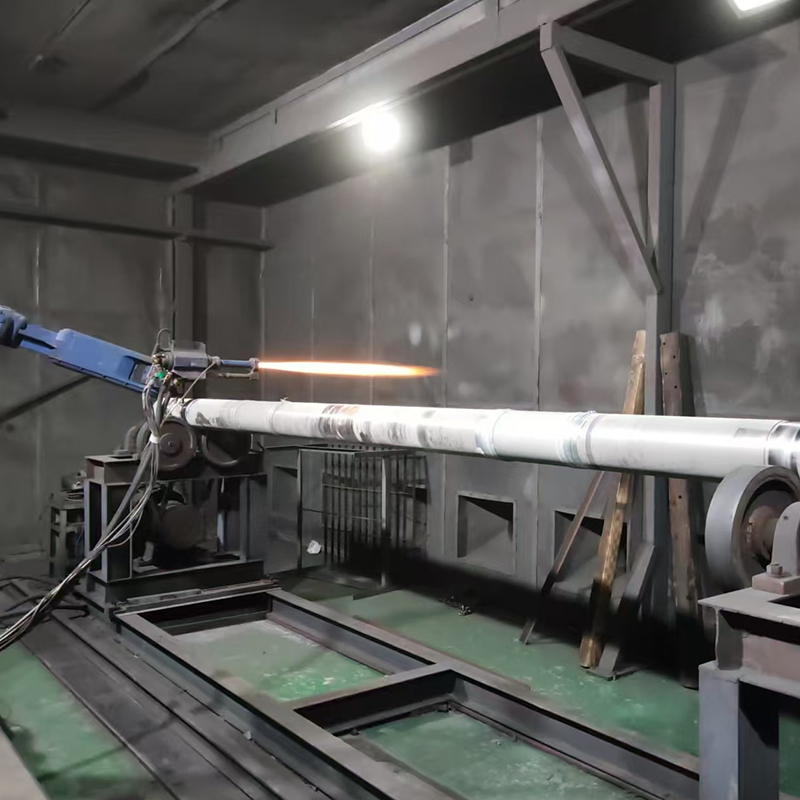
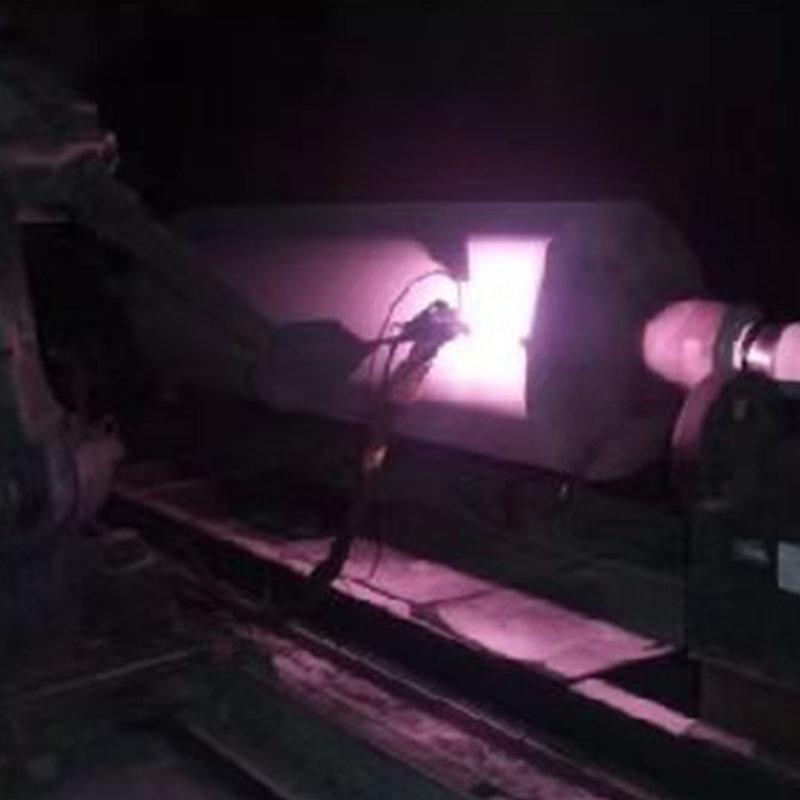
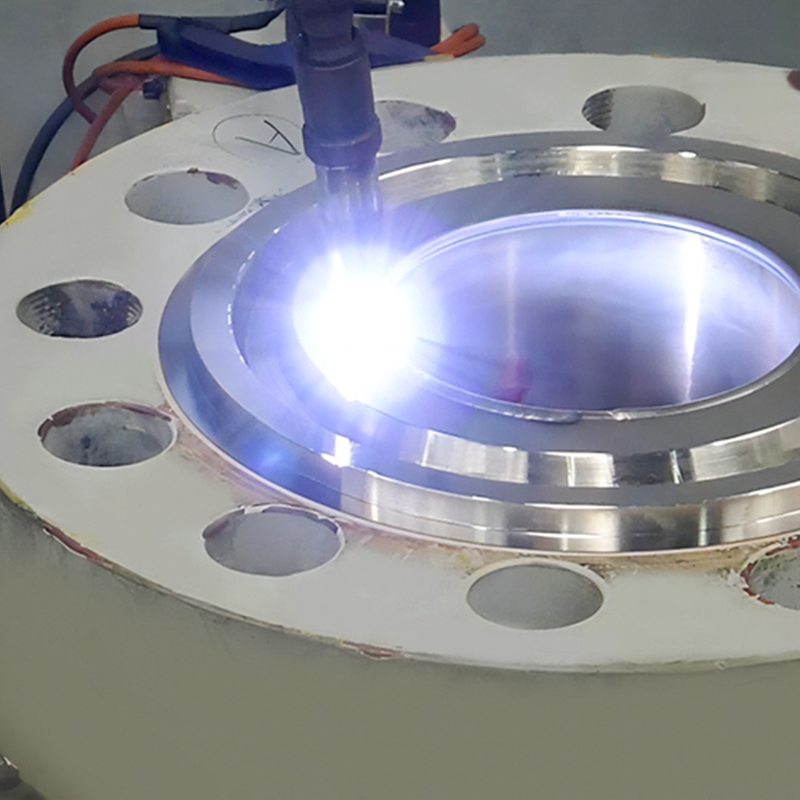
Plasma spraying uses an electric arc to create a gas plasma with temperatures well above 10,000 °C, making it the preferred route for oxides such as alumina and zirconia and for other high-melting materials. It is a versatile production process and the method behind many ceramic-coated components in pumps, valves, and semiconductor equipment. Plasma spray coating technology is offered as a dedicated production capability for components that need dense oxide layers.
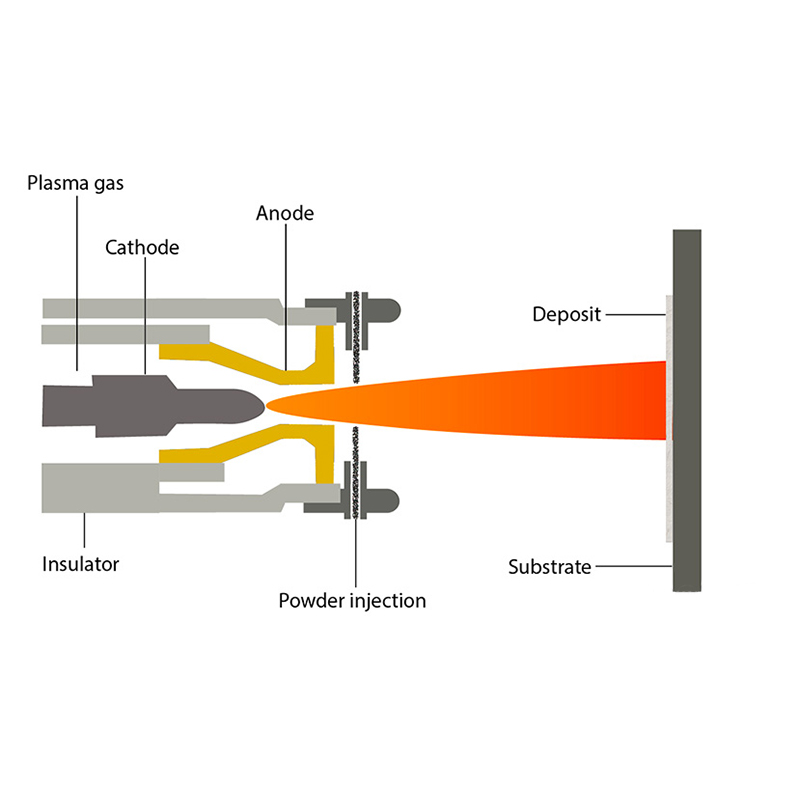 Plasma Spray Coating Process Services, Plasma Spray Processing FactoryAs Plasma Spray Coating Company and Plasma Spray Processing Factory in China, Xike (Yancheng) supply Plasma Spray Coating Process Service...View Product →
High-Velocity Processes for Dense Carbide Coatings
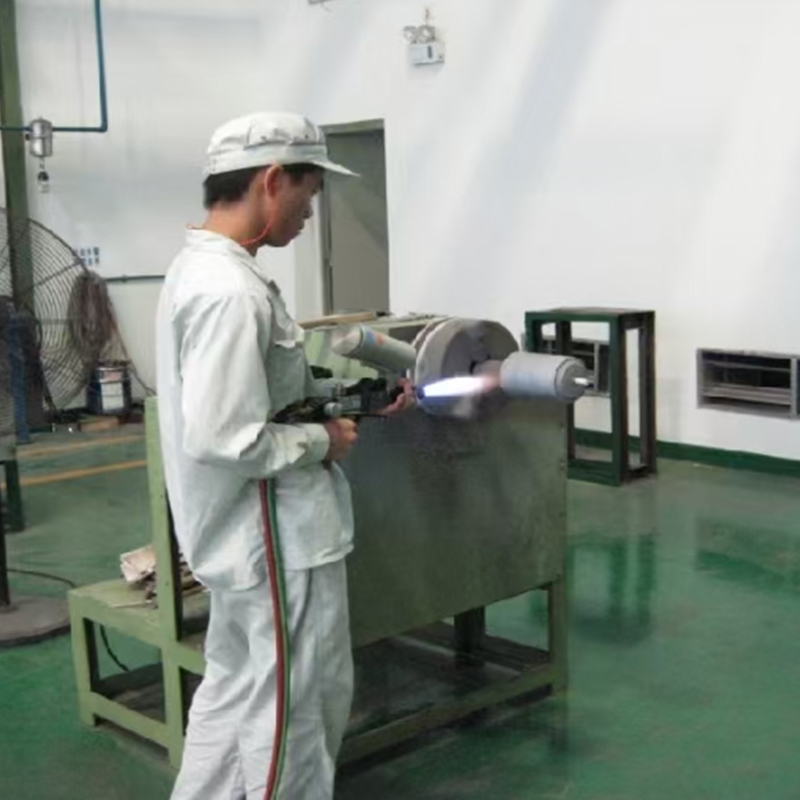
Supersonic flame and HVOF processes burn fuel with oxygen to create a high-velocity gas stream. These processes are used mainly for carbide powders, producing some of the densest, most strongly bonded coatings available. The choice between plasma and high-velocity processes depends on the powder chemistry, the acceptable porosity level, and the mechanical load the coating must survive.
Selecting Advanced Ceramic Powders: What to Check
Specifying an advanced ceramic powder is an engineering decision, not a commodity purchase. Experienced coating engineers evaluate at least five factors:
- Purity — trace impurities change melting behavior and can form brittle or weak phases in the coating.
- Particle size distribution — a tight distribution supports a stable feed rate and a uniform coating build-up.
- Phase composition — zirconia, for example, requires the correct stabilizer content for the expected service temperature; the wrong phase can lead to premature spalling.
- Morphology — spherical or agglomerated powder flows more predictably through the feeder and produces more consistent deposits.
- Batch consistency — even small lot-to-lot variation shifts coating thickness, porosity, and service life.
These checks are not theoretical. After surface preparation and process control, the powder is the single largest influence on final coating quality.
Real-World Applications and Industry Examples
Advanced ceramic powders earn their cost in industries where downtime is expensive and failures are dangerous.
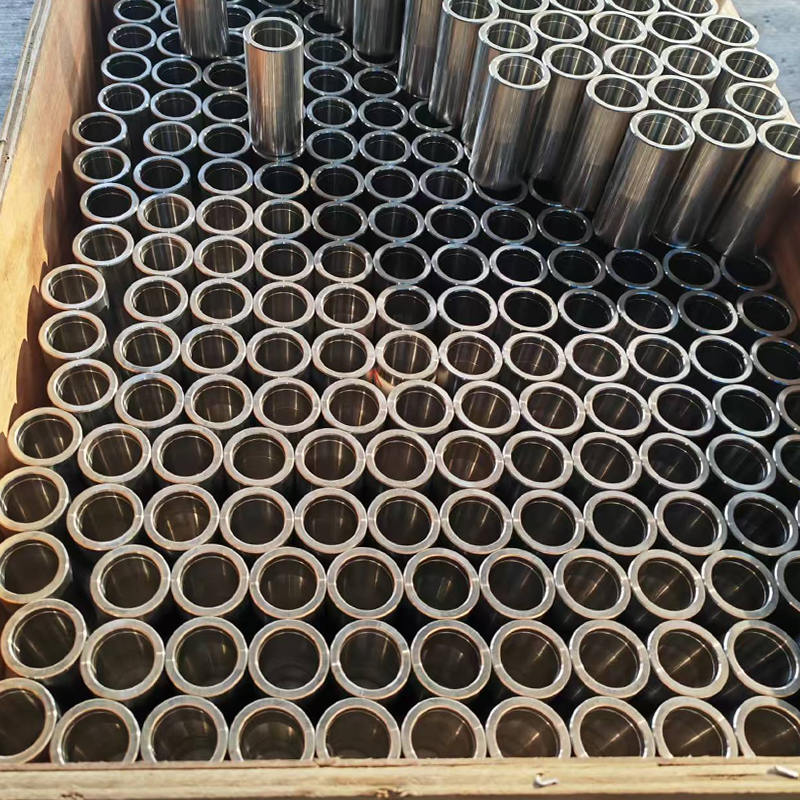
In pumps and valves, alumina and chromium oxide coatings protect impellers, shaft sleeves, and valve stems from erosion and chemical attack. A coated shaft sleeve can run far longer than an uncoated one in a slurry pump, and the coating can be re-applied when the part is refurbished. For valve bodies that see both abrasive slurries and corrosive fluids, valve body spraying with tungsten carbide and ceramic coatings can extend maintenance intervals from weeks to months.
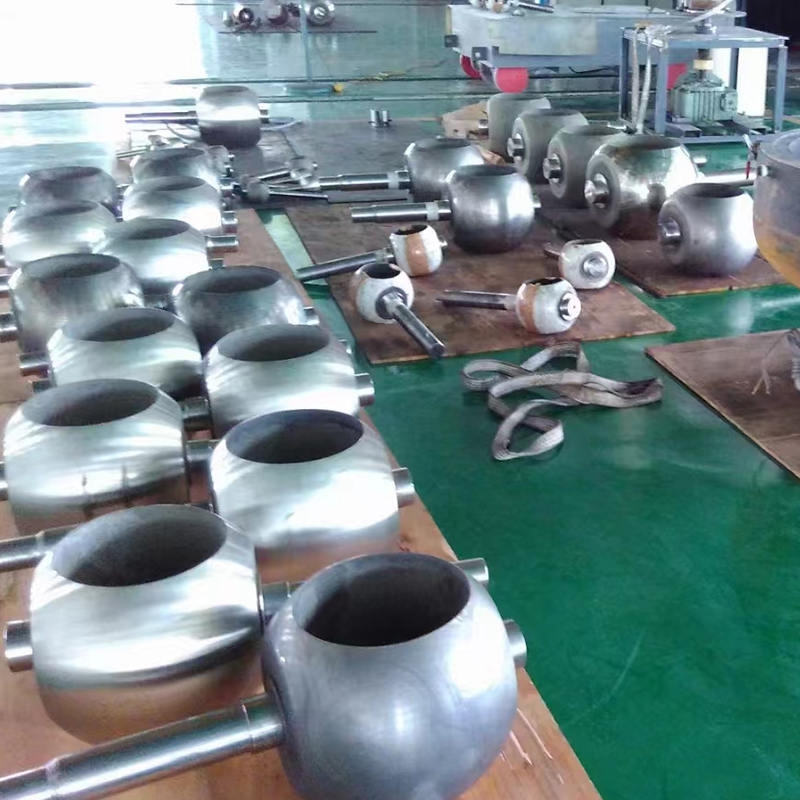 Valve body (sprayed tungsten carbide) Manufacturers, Company - Xike (Yancheng) SXike (Yancheng) Surface Coating Technology is China custom Valve body (sprayed tungsten carbide) Manufacturers and Thermal Spray Company,...View Product →
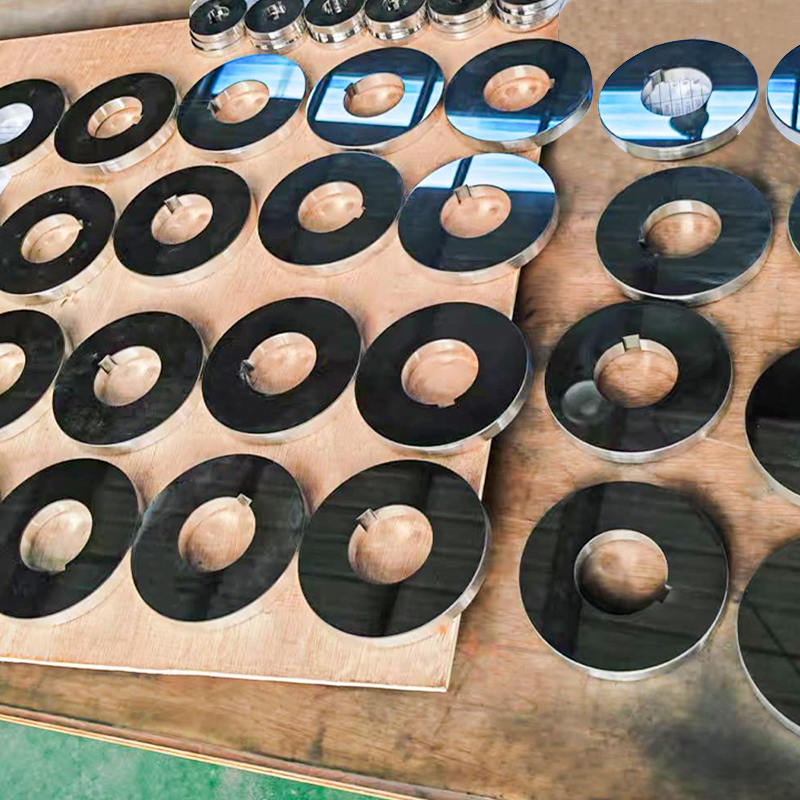
In petrochemical operations, ceramic-coated plungers, valve plates, and pump components resist galling, reduce leakage, and hold dimensions under high pressure and aggressive media. The same principles apply in semiconductor manufacturing, where components inside vacuum chambers must survive aggressive fluorine and chlorine plasmas. Ceramic coatings applied to vacuum cover plates and other chamber parts maintain purity and extend component life.
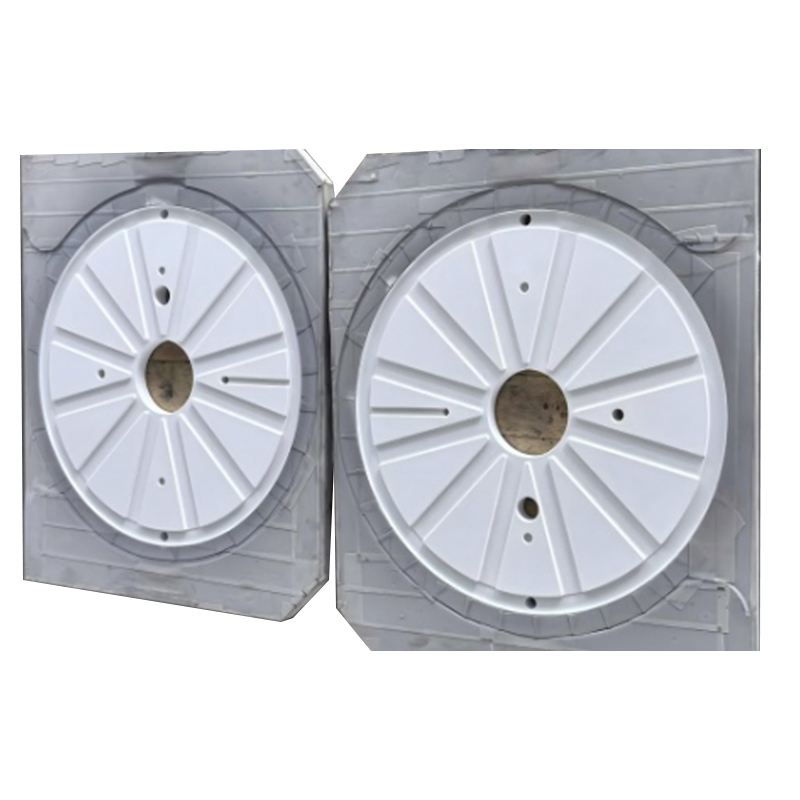 Vacuum Cover Plate Ceramic Coating Processing Manufacturers, Company - Xike (YanXike (Yancheng) Surface Coating Technology is China custom Vacuum Cover Plate Ceramic Coating Processing Manufacturers and Thermal Spray ...View Product →
Beyond these examples, carbide-coated tower wheels, guide rollers, die-casting rings, and mixing components all follow the same logic: the correct powder, applied with the correct process, directly reduces maintenance cost.
Choosing a Thermal Spray Partner for Ceramic Powders
Advanced ceramic powders are only as effective as the people applying them. The same powder can produce an excellent coating or a defective one depending on surface preparation, gun parameters, and process control. That is why coating experience matters as much as material selection.
Look for a thermal spray facility that operates multiple processes, documents its procedures, and can recommend a powder based on your specific failure mode. A well-specified ceramic coating should reduce maintenance frequency, lower lifecycle costs, and keep production running. That is what advanced ceramic powders are meant to deliver.

 TOP
TOP