
 ENG
ENG
 English
 عربى
عربى Español
 中文简体
中文简体
A process pump in a petrochemical line starts losing performance after six weeks because its plunger surface has worn past the manufacturer's tolerance. The replacement part is not expensive. The unscheduled shutdown, the labor, and the lost production are. Maintenance teams facing this pattern have a proven alternative: the HVOF thermal spray process. For components that fail by abrasive wear, erosion, or fretting, HVOF-applied carbide coatings typically outlast uncoated steel by several times, and they do so without the distortion problems associated with welding or fused overlays.
Content
What Is the HVOF Thermal Spray Process?
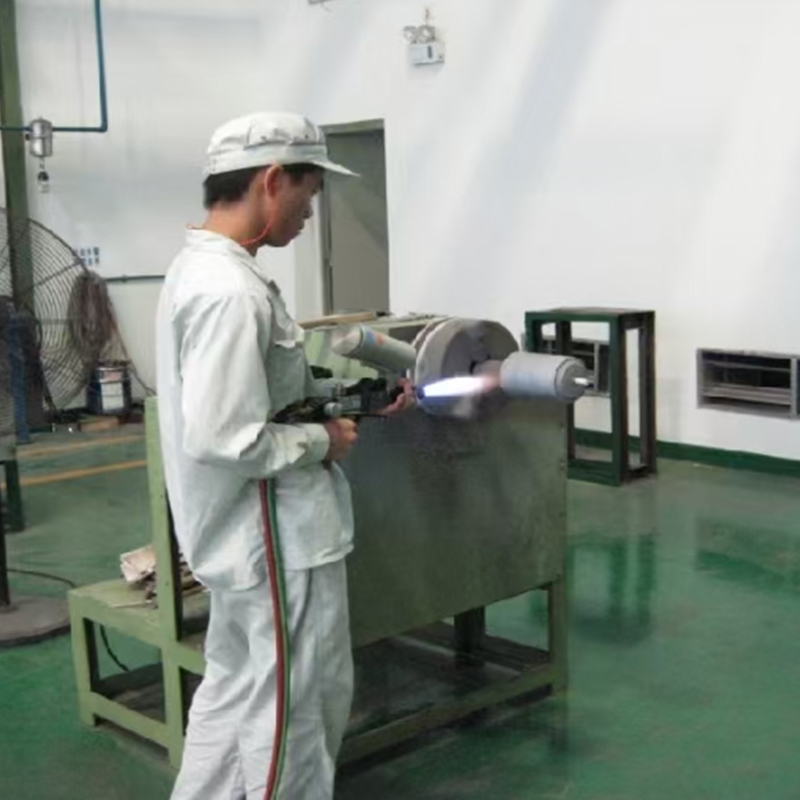
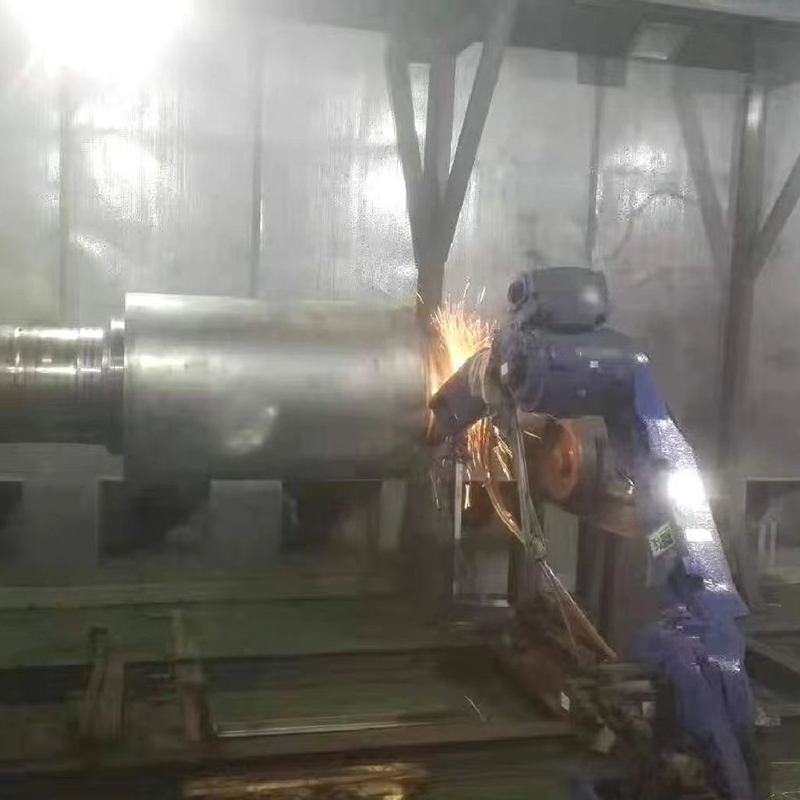
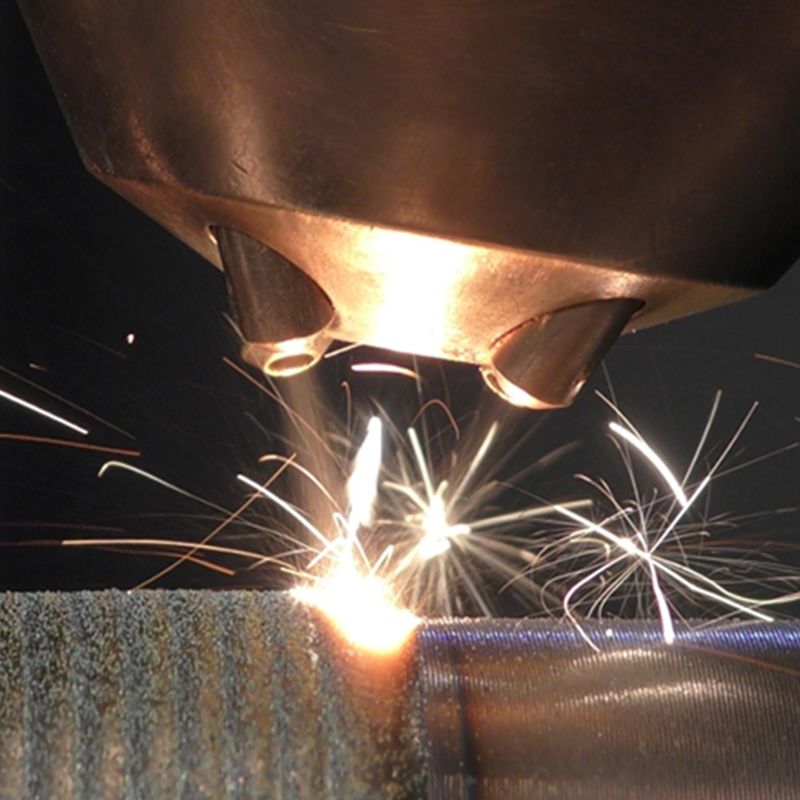
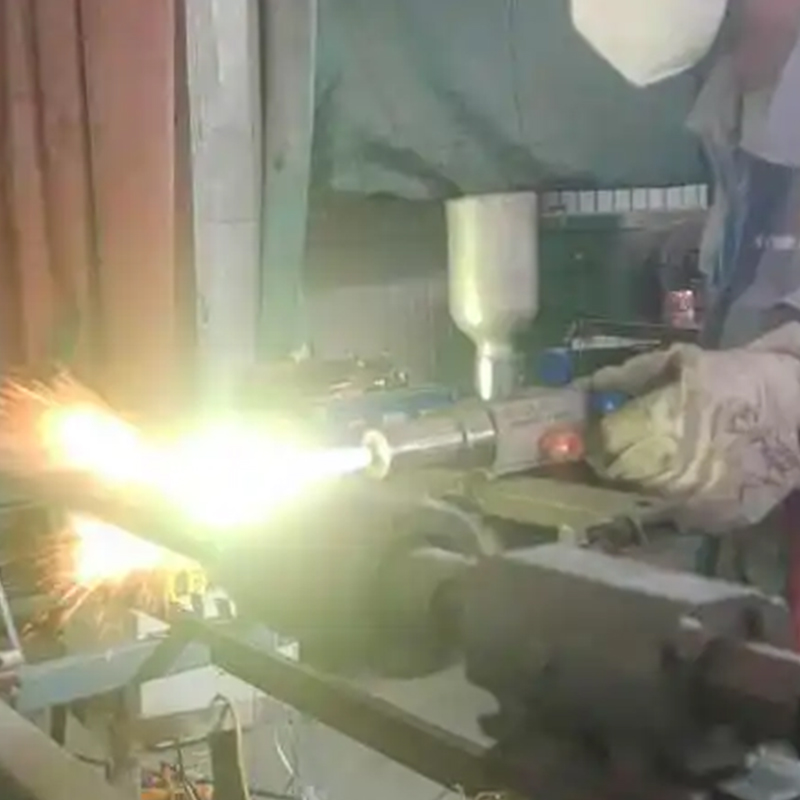
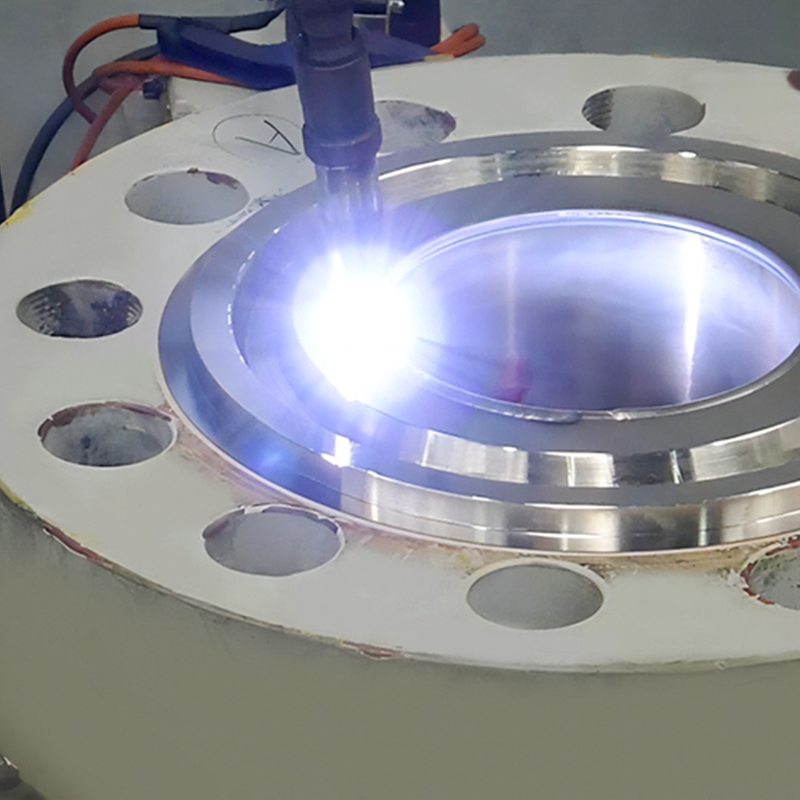
HVOF stands for High Velocity Oxygen Fuel. It is a thermal spray method that burns a fuel such as kerosene, propane, or hydrogen with high-pressure oxygen inside a combustion chamber. The resulting gas expands through a nozzle at supersonic speed, carrying a stream of powdered coating material toward the workpiece. The powder particles are heated just enough to soften or partially melt, then accelerated to velocities in the range of 500 to 800 m/s. When these particles strike the prepared surface, they flatten into thin, overlapping lamellae that build up into a dense coating.
The defining feature of HVOF is that kinetic energy, not just heat, does the densification. This is a fundamental difference from plasma or arc spray. Typical HVOF coatings have porosity below 1 percent, bond strengths above 70 MPa, and oxide content far lower than what flame spraying produces. Because the substrate temperature stays comparatively low, component distortion is minimal, which makes the process suitable for finished machined parts as well as raw castings.
Why HVOF Coatings Perform Differently
The performance of an HVOF coating comes from its microstructure. High particle velocity produces thin, dense lamellae with low oxide content, and the compressive residual stress state allows thicker deposits without the cracking risk common in brittle fused coatings. Tungsten carbide coatings applied by HVOF typically measure 900 to 1,300 HV, and after grinding they can hold dimensional tolerances suitable for bearing fits and seal surfaces.
This combination of hardness, density, and bond strength gives HVOF an advantage in sliding wear, slurry erosion, and abrasion with impact. It also explains why the process has become standard for components in the pump, valve, and fluid-power industries, where a coating failure can lead to leakage, contamination, or catastrophic seizure.
Where the HVOF Thermal Spray Process Earns Its Keep
HVOF is not a general-purpose coating for every part, but in specific applications it is the most cost-effective option available.
Pump, Valve, and High-Pressure Components
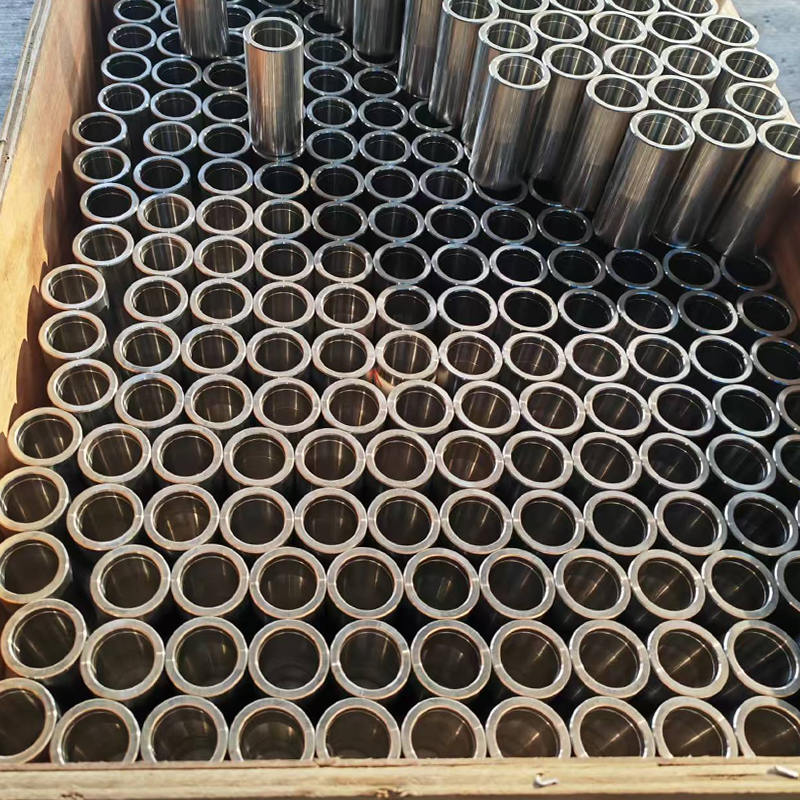
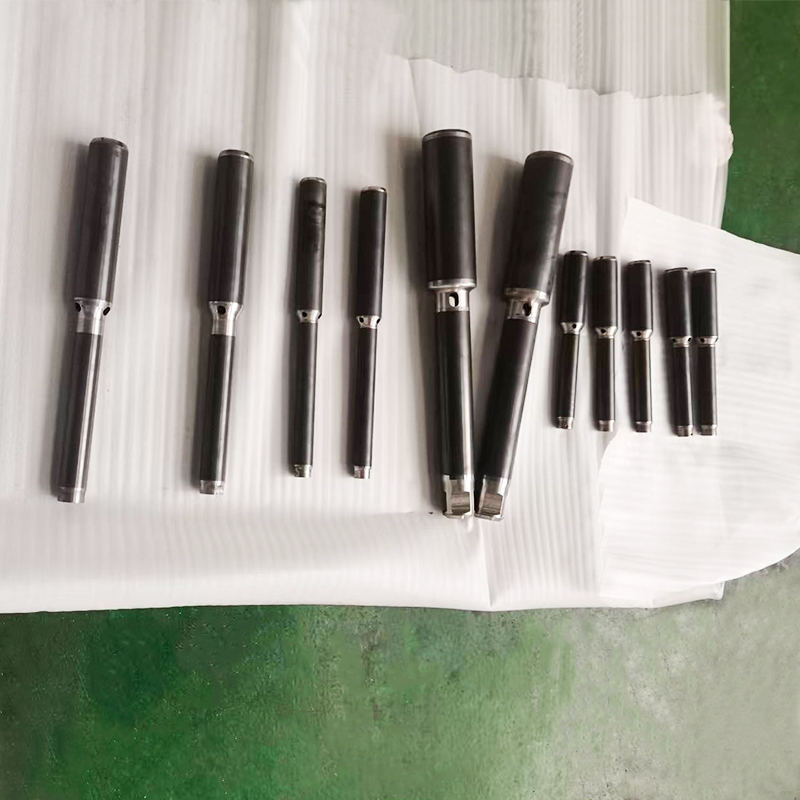
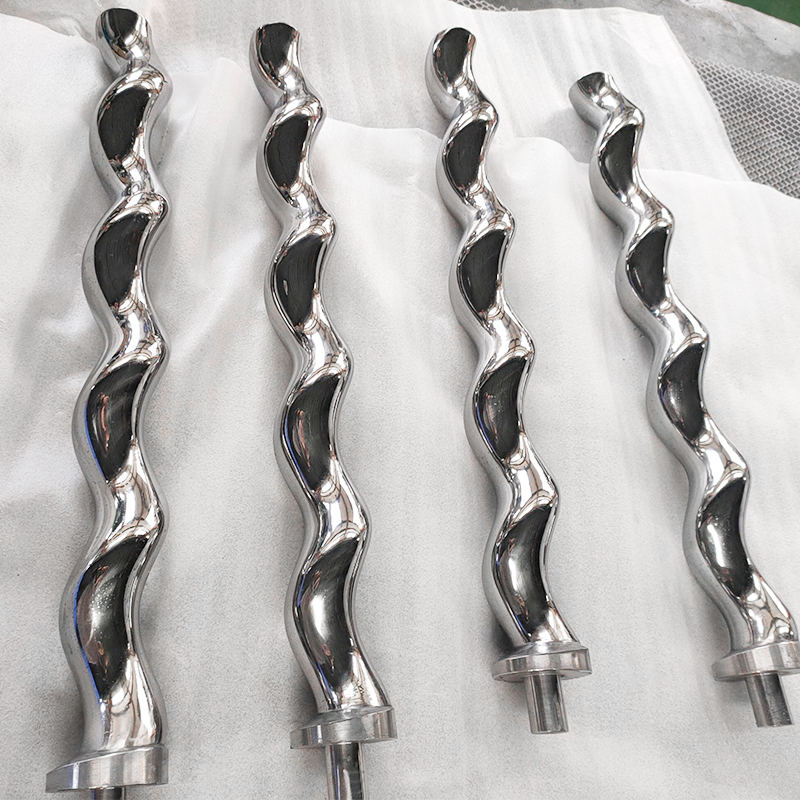
Reciprocating pump plungers, shaft sleeves, pump rods, valve stems, and valve seats experience abrasive media, high contact pressure, and frequent start-stop cycles. HVOF-applied tungsten carbide coatings resist these conditions far better than hard chrome plating and rival the wear life of solid carbide parts at a fraction of the material cost. For pump shafts moving abrasive slurries, tungsten-carbide pump poles coated by HVOF are a well-established solution. In high-pressure reciprocating service, wear-resistant plungers with HVOF coatings maintain surface finish and sealing performance between overhaul intervals.
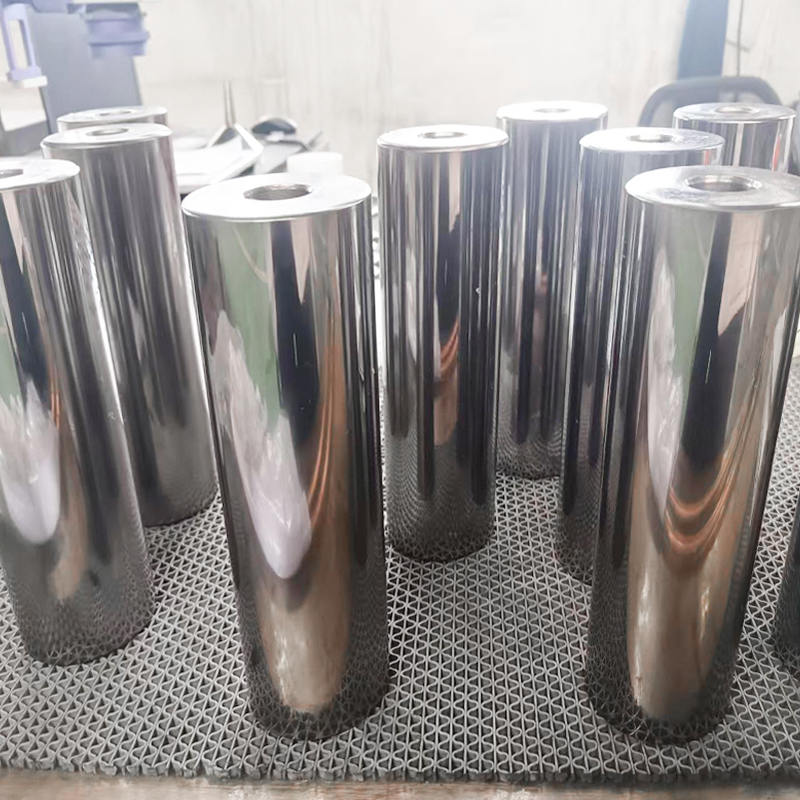 Wear-Resistant Plunger Manufacturers, Coated Plunger CompanyAs China Wholesale Wear-Resistant Plunger Manufacturers, Coated Plunger Company, Xike (Yancheng) Surface Coating Technology offer Wholesa...View Product →
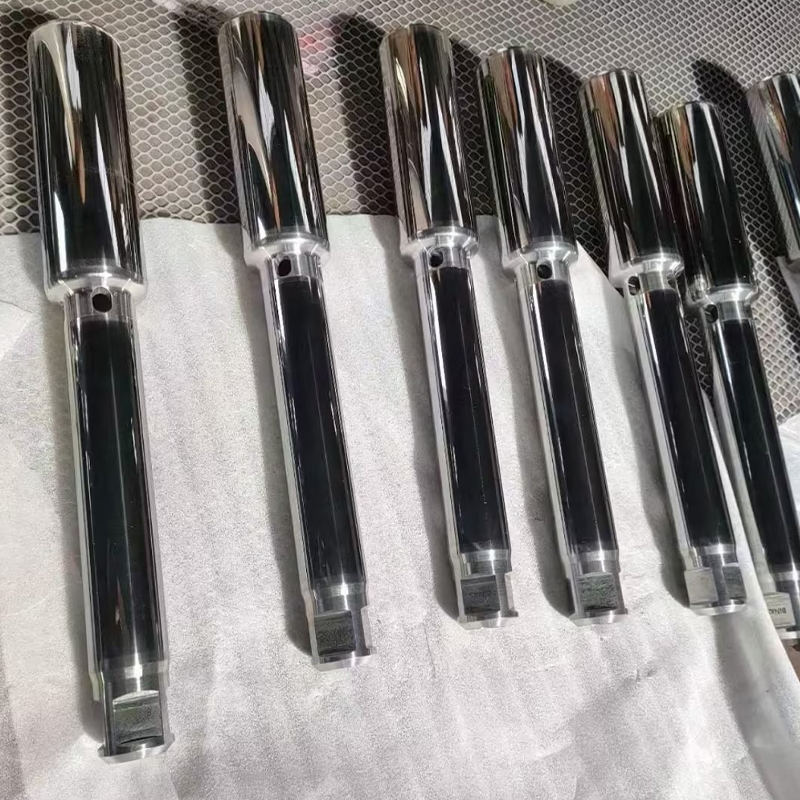 Tungsten Carbide Pump Pole Manufacturers, Company - Xike (Yancheng) Surface CoatXike (Yancheng) Surface Coating Technology is China custom Tungsten Carbide Pump Pole Manufacturers and Thermal Spray Company,Tungsten Ca...View Product →
Wire Drawing, Mixing, and Semiconductor Parts
Wire drawing cones and capstans run at high line speeds against abrasive wire surfaces; HVOF carbide coatings extend their service life from weeks to months. Mixing shafts and blades in chemical or coating processes face both abrasion and corrosion, and HVOF-applied ceramics or carbides provide a dense barrier that resists both. In semiconductor vacuum chambers, HVOF and related thermal spray methods are applied to aluminum components that need wear resistance and dielectric or etch-resistant properties. Across these applications, the common demand is a thin, dense, tightly bonded surface layer that holds dimensional tolerances and survives repeated thermal cycling.
HVOF vs Plasma Spray vs Arc Spray: Quick Comparison
| Process | Flame Velocity | Particle Temperature | Typical Porosity | Best Suited For |
|---|---|---|---|---|
| HVOF | 500–800 m/s | 2,500–3,000 °C | < 1% | Wear, abrasion, and erosion resistance; carbide coatings on steel components |
| Plasma spray | 200–400 m/s | Up to 15,000 °C | 1–3% | High-temperature ceramics, thermal barriers, and complex geometries |
| Arc spray | 100–250 m/s | High (molten droplets) | 5–10% | Thick coatings on large parts, corrosion protection, and component rebuilding |
HVOF is often chosen over plasma spray when the dominant failure mode is mechanical wear rather than extreme heat. Plasma spray still holds an advantage for oxide ceramics and coatings that must withstand sustained service above 800 °C. For components such as pump sleeves, plungers, and guide rolls, where the substrate is steel and the operating temperature stays below 500 °C, HVOF delivers higher density and better wear resistance.
Selecting the Right HVOF Coating Material
- Tungsten carbide cobalt chromium (WC-Co-Cr): The standard choice for abrasive wear, slurry erosion, and corrosive media. It maintains hardness up to roughly 450 °C and is widely used on pump and valve components.
- Chromium carbide nickel chromium (Cr3C2-NiCr): Chosen for high-temperature wear applications up to about 850 °C, such as gas turbine parts and hot forming tools.
- Tungsten carbide nickel (WC-Ni): Provides better corrosion resistance in acidic media than straight WC-Co and is often specified for chemical processing equipment.
- Metallic alloys: Inconel, stainless steel, and Stellite-type alloys are applied by HVOF when the requirement is corrosion protection with moderate wear resistance rather than maximum hardness.
The powder specification should match the exact service condition, not just the coating hardness. A part operating in wet slurry with a pH of 3 has a different coating requirement than a part exposed to dry abrasion at 600 °C. Providing the coating supplier with the complete duty cycle, media composition, and temperature range is more productive than simply specifying "tungsten carbide."
What to Check Before Outsourcing HVOF Thermal Spray Work
- Surface preparation control: Coating bond strength depends on grit blasting producing a clean, sharp anchor profile. Ask how the supplier monitors blast pressure, grit size, and substrate cleanliness.
- Thickness tolerances: As-sprayed HVOF coatings require grinding to final dimensions. Verify the supplier can hold the finished thickness tolerance your drawing allows, typically ±0.025 mm on ground carbide coatings.
- Coating qualification: Insist on porosity and bond strength reports. For critical parts, a metallurgical cross-section is the most reliable way to confirm coating quality.
- Process documentation: Traceability of powder batch, spray parameters, and grinding results supports consistent repeatability across production batches.
A supplier with diverse thermal spray capabilities can help select the right process rather than pushing a single technology. Facilities that operate both HVOF and plasma spray systems, such as those using supersonic spraying technology for production, are better positioned to recommend a coating based on measured performance rather than convenience.
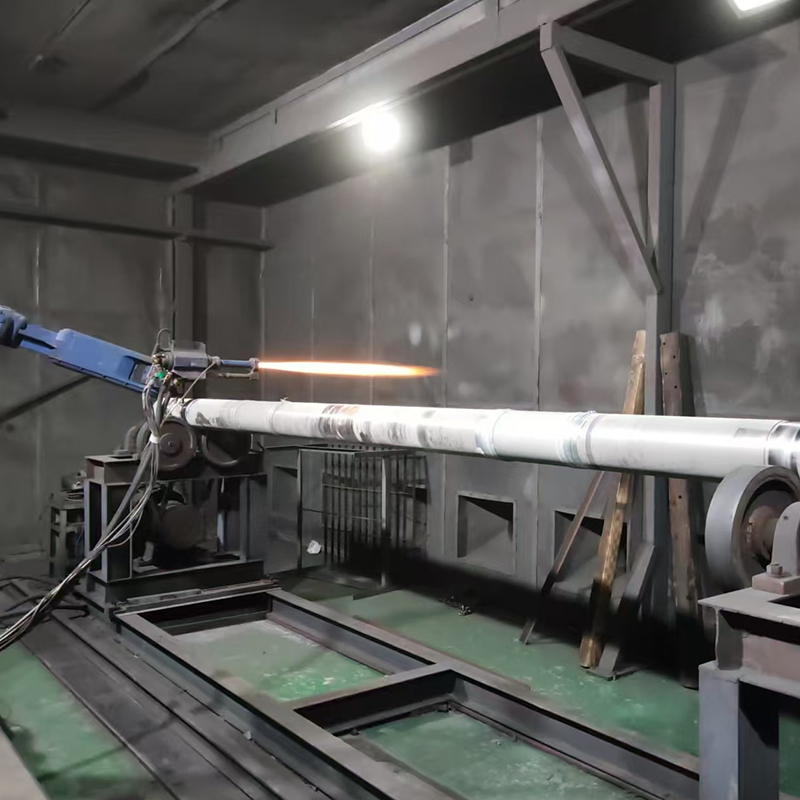 Supersonic Flame Spraying Service, HVOF Thermal Spray Processing FactoryXike (Yancheng) focus on High Velocity Oxygen Fuel Coating, offer Supersonic Flame Spraying Service, is China HVOF Thermal Spray Processi...View Product →
The HVOF thermal spray process remains one of the most dependable ways to lengthen the life of components exposed to severe wear. It produces coatings with low porosity, high bond strength, and compressive residual stress, and it does so at substrate temperatures that avoid distortion. When a part fails by abrasion, erosion, or fretting, HVOF with a properly selected carbide or alloy coating is often the most direct and cost-effective fix. The key is to define the operating conditions honestly, then verify that the coating specification matches the real duty.


 TOP
TOP