
 ENG
ENG
 English
 عربى
عربى Español
 中文简体
中文简体
Content
- 1 Understanding Custom Agricultural Machinery Accessories
- 2 Why Thermal Spray Coatings Matter for Farm Equipment
- 3 Applications of Coated Accessories in Agriculture
- 4 The Customization Process at XKYCNET
- 5 Comparing Coated vs. Uncoated Agricultural Parts
- 6 Choosing the Right Partner for Custom Agriculture Machinery Accessories
Understanding Custom Agricultural Machinery Accessories
A planter operating in abrasive, silica-rich loam can show measurable thinning on furrow openers within 500 acres. Standard catalog parts, designed for generic conditions, rarely match the specific soil chemistry, moisture, and load cycles of a particular operation. Custom agricultural machinery accessories address the root cause of premature failure, not just the symptom.
Customization means evaluating the base metal, heat treatment, and geometry against the equipment’s exact operating environment—whether that involves high-silica sand, acidic fertilizer residues, heavy impact loading, or continuous sliding contact. Common parts that benefit from a tailored approach include front hinges, plow shares, rotary tiller blades, fertilizer spreader shafts, mixing augers, and driveline splines. Instead of repeatedly replacing a standard component, the part is engineered with a material and coating system that resists the dominant wear mechanism, turning unplanned downtime into scheduled maintenance.
Why Thermal Spray Coatings Matter for Farm Equipment
Thermal spray coatings create a surface layer that fundamentally changes how a part interacts with soil, chemicals, and impact forces. Unlike paint or electroplating, these coatings are applied at high velocity and temperature, producing a mechanical or metallurgical bond that typically ranges from 0.1 mm to 1 mm thick. The result is a part that can survive conditions that would scrub a conventional surface in days.
Farm machinery contends with a brutal combination: abrasive sand and clay, rock strikes, corrosive ammonium-based fertilizers, and constant vibration. A coating that is wear‑resistant alone may still fail under corrosion. Thermal spray lets the supplier select a material system purpose‑built for the dominant stress, and then apply it without distorting the underlying metal—preserving the toughness of the original part while adding a completely different surface property.
Common Coating Materials for Agricultural Applications
Tungsten carbide‑based coatings are the first choice for severe abrasion. On plow points, cultivator sweeps, and tiller blades, an HVOF‑applied tungsten carbide layer withstands cutting through sand‑laden soil far longer than hardened steel. For components exposed to urea, ammonium nitrate, or liquid manure slurries, ceramic coatings such as alumina‑titania or chromia provide chemical inertness. These ceramics resist the acidic attack that rapidly pits steel and even many stainless alloys.
A third category, nano‑alloy coatings, excels where impact and material‑sticking are the problem. A feeding auger handling wet, sticky feed or a manure spreader beater that must shed material benefits from a surface that combines toughness with a low coefficient of friction. The coating selection is never generic; it starts from the failure mode observed in the field.
Key Thermal Spray Processes Used
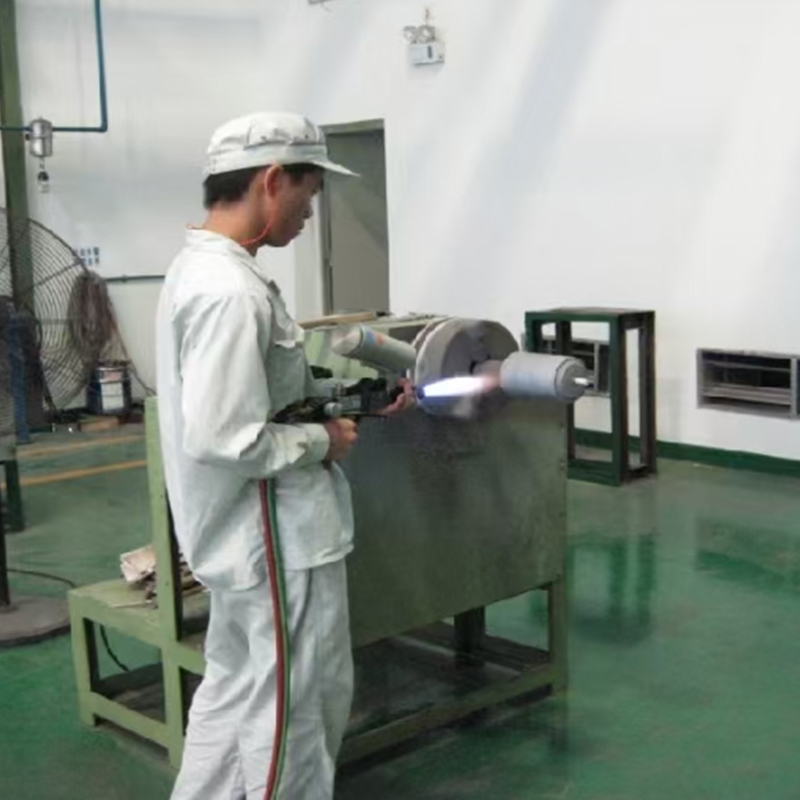
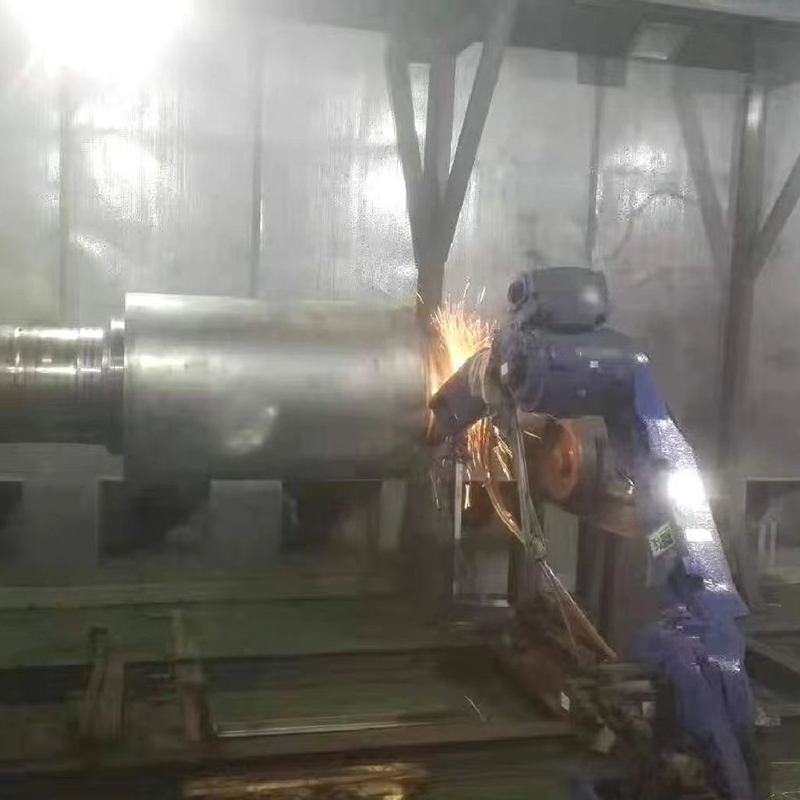
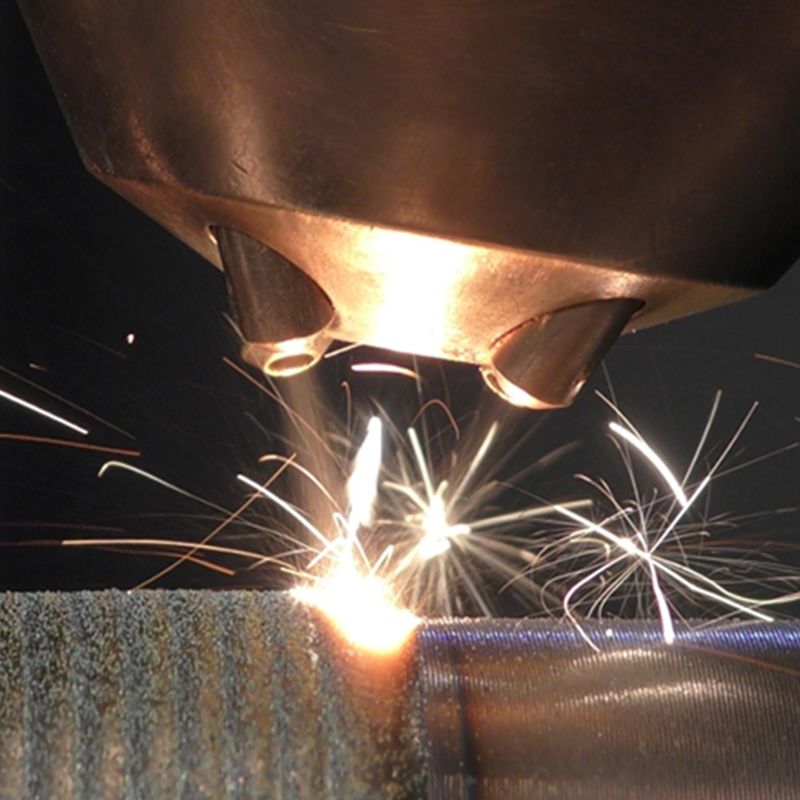
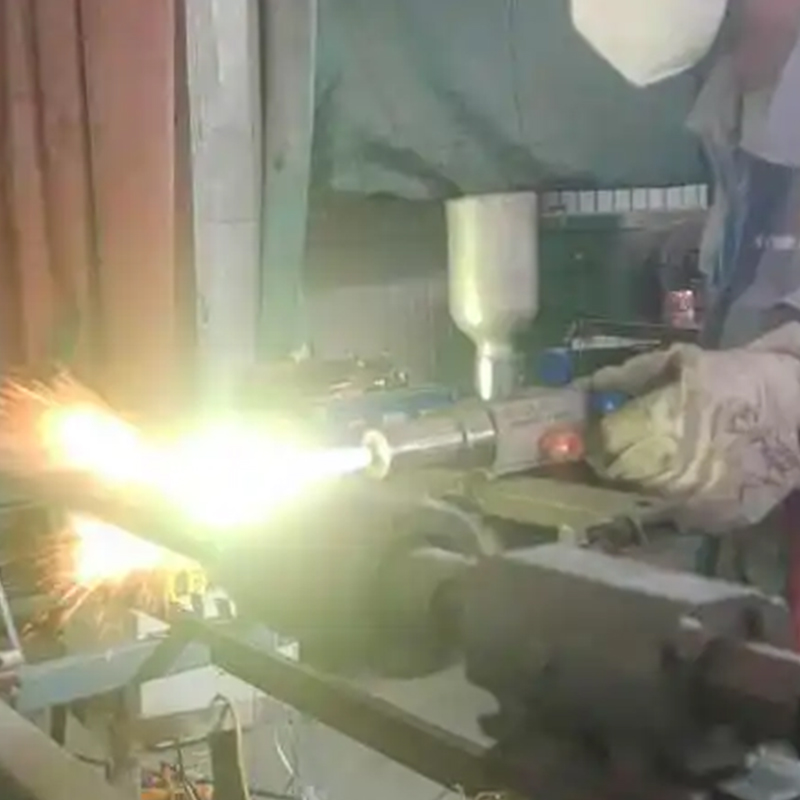
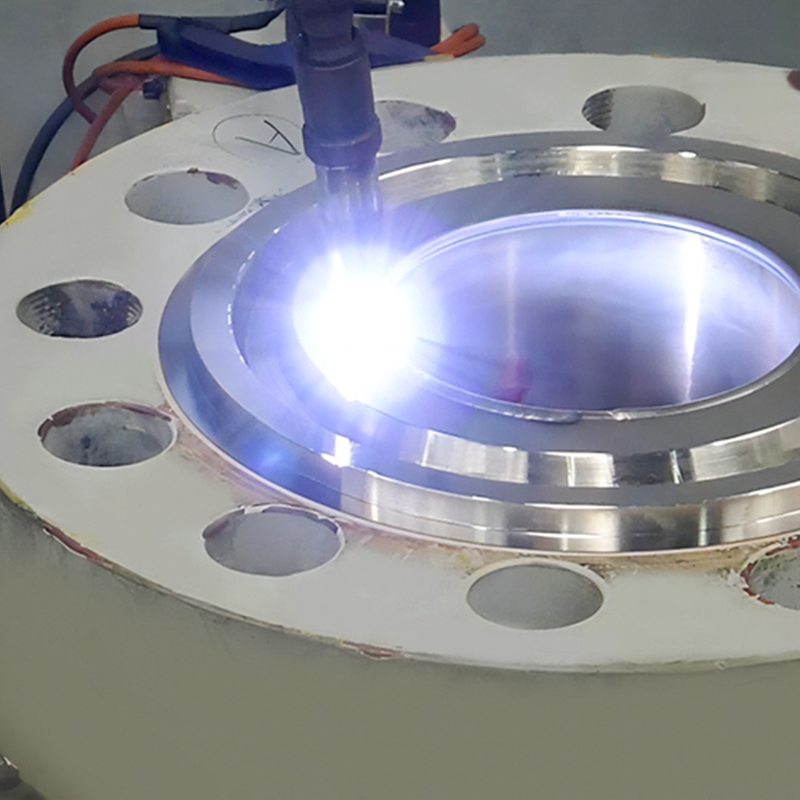
The process determines coating density, bond strength, and cost. HVOF (high‑velocity oxygen fuel) spraying produces the densest, hardest layers—ideal for abrasion‑dominated parts where a few hundred microns of coating must carry heavy loads. Plasma spraying can handle high‑temperature and chemical‑resistant materials, making it the go‑to for ceramic coatings on fertilizer equipment. Wire arc spraying offers economical build‑up on large surfaces and is frequently used to reclaim worn shaft journals and cultivator frames.
| Process | Coating Density | Typical Agricultural Application |
|---|---|---|
| HVOF (Supersonic Flame) | Very high, near‑full density | Plow shares, tiller blades, front hinges in abrasive soil |
| Plasma Spray | High, controlled porosity possible | Fertilizer mixing blades, sprayer components requiring corrosion resistance |
| Wire Arc Spray | Moderate, economical | Large‑area rebuild on cultivator frames, worn shaft journals |
Applications of Coated Accessories in Agriculture
The strongest return on a coating investment almost always starts with parts that touch soil or fertilizer. Soil‑engaging components—plow moldboards, chisel points, furrow openers, rotary tiller tines—are relentlessly ground down by quartz particles. A tungsten carbide HVOF coating transforms the surface into a wear‑resistant shield that can endure seasons instead of weeks. Fertilizer‑handling parts such as spinner discs, drop tubes, and slurry agitation paddles face a different enemy: chemical corrosion that eats through untreated metal. Ceramic plasma coatings provide an impervious barrier that keeps the base material sound.
Even driveline parts benefit. Splined shafts, bearing housings, and pivot pins that would normally gall and fret under heavy load can be coated with low‑friction, hard surfaces that reduce fretting corrosion and maintain fit integrity. From coated front hinges to specialty tillage components, explore our full line of agricultural machinery accessories to see where thermal spray adds the most value.
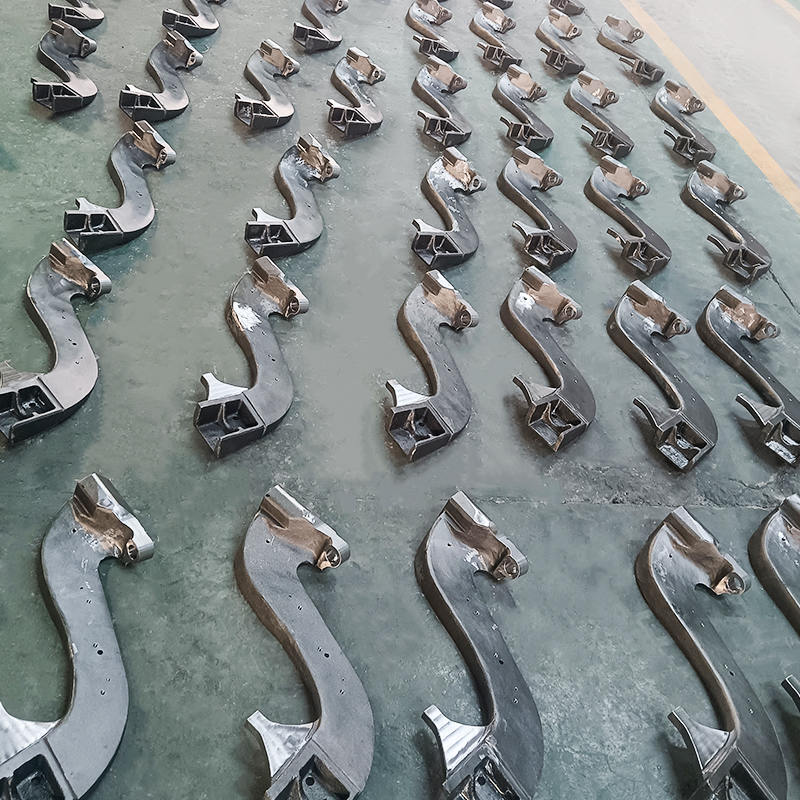 Custom Thermal Spray Agricultural Machinery Accessories Suppliers, FactoryAs China Custom Thermal Spray Agricultural Machinery Accessories Suppliers and Thermal Spray Agricultural Machinery Accessories Factory, ...View Product →
The Customization Process at XKYCNET
Every custom job begins with the actual failure data: a worn‑out sample, a dimensioned drawing, or a description of the soil type and the fertilizer chemistry. Our engineering team assesses the base material, the required geometry, and the dominant wear or corrosion mechanism. A coating material and process are then selected to counteract that mechanism. Before full production, we produce test coupons and validate adhesion, hardness, and corrosion resistance against the target specification.
The whole process leverages over a decade of thermal spray experience, a 200‑plus‑member workforce, and a 20,000 m² production facility that operates under ISO‑certified management systems. A concrete example is the coated agricultural front hinge—a component that endures constant pivot stress and dirt ingress; our HVOF‑applied tungsten carbide coating resists abrasive grooving so that hinge play does not develop prematurely.
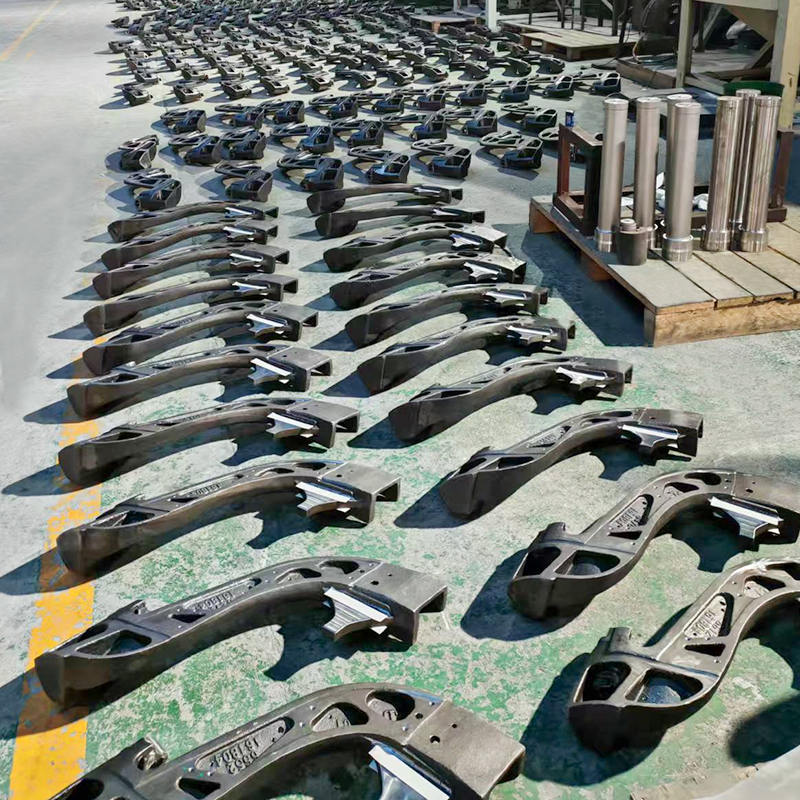 Front Hinge for Combine Harvester – Chromium Oxide Coated Spare Part ManufactureXike (Yancheng) Surface Coating Technology is China custom Front Hinge for Combine Harvester – Chromium Oxide Coated Spare Part Manufactu...View Product →
Comparing Coated vs. Uncoated Agricultural Parts
The unit price of a coated part can be 30–50% higher, but that number alone disguises the real cost structure. When a tillage tool or a mixer blade lasts two to three times longer, the cost per acre or per operating hour drops sharply. Field feedback consistently shows that reducing the frequency of change‑outs eliminates emergency purchases, curtails unscheduled labor, and keeps planting or spraying windows intact.
An uncoated cultivator point that must be replaced mid‑season in a hard‑packed field carries downtime costs that far exceed the coating premium. Coating converts reactive maintenance—swapping parts in the dust with a wrench while the clock ticks—into a planned replacement cycle that can be lined up with other service intervals. The economics favor coating wherever the soil is abrasive or the chemical load is aggressive.
Choosing the Right Partner for Custom Agriculture Machinery Accessories
A supplier that offers only one coating process will naturally fit that process to every job, regardless of whether it is optimal. A capable partner must have multiple thermal spray methods in‑house—HVOF, plasma, wire arc, and ideally complementary techniques like laser cladding—so the selection is driven by the part’s real working conditions. Equally important is material expertise that spans tungsten carbide, ceramics, and nano‑alloys, backed by documented quality control.
Look for a provider that has served demanding industrial sectors beyond agriculture; that breadth proves the technology is robust and transferrable. XKYCNET brings precisely that cross‑industry knowledge, having engineered surfaces for pumps, valves, die‑casting, and semiconductor equipment before applying those lessons to farm machinery. For those looking deeper into one of our most relevant technologies, the supersonic flame spraying (HVOF) for farm parts page details how we achieve the dense, wear‑resistant coatings that change the economics of farm equipment maintenance.
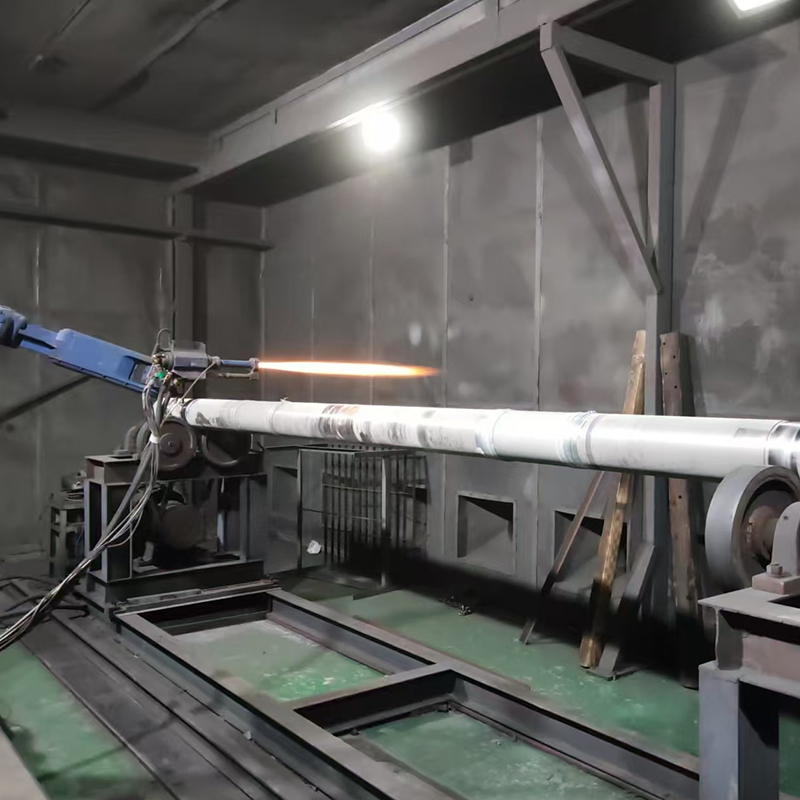 Supersonic Flame Spraying Service, HVOF Thermal Spray Processing FactoryXike (Yancheng) focus on High Velocity Oxygen Fuel Coating, offer Supersonic Flame Spraying Service, is China HVOF Thermal Spray Processi...View Product →


 TOP
TOP