
 ENG
ENG
 English
 عربى
عربى Español
 中文简体
中文简体
Content
- 1 Understanding the Function of Thermal Spray Wire Drawing Accessories
- 2 Key Application Scenarios for Corrosion Protection Coatings
- 3 Application Scenarios in Wear and Dimensional Restoration
- 4 Comparing Application Scenarios by Wire Type and Purpose
- 5 Why Feed Consistency Directly Affects Coating Quality
- 6 Selecting Accessories Based on Operating Environment
- 7 Maintenance Practices That Support Reliable Wire Feeding
Understanding the Function of Thermal Spray Wire Drawing Accessories
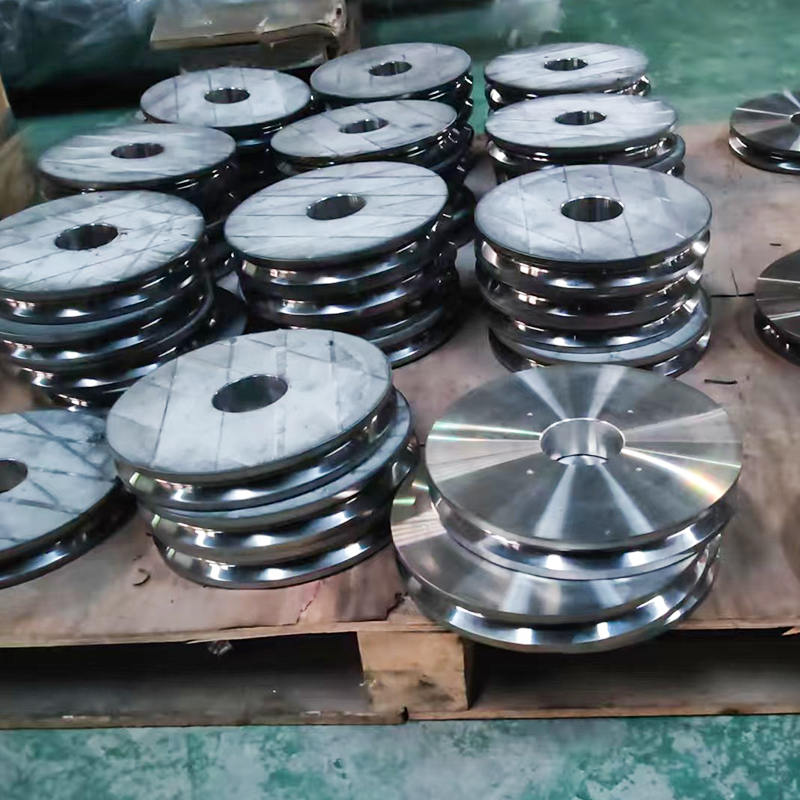
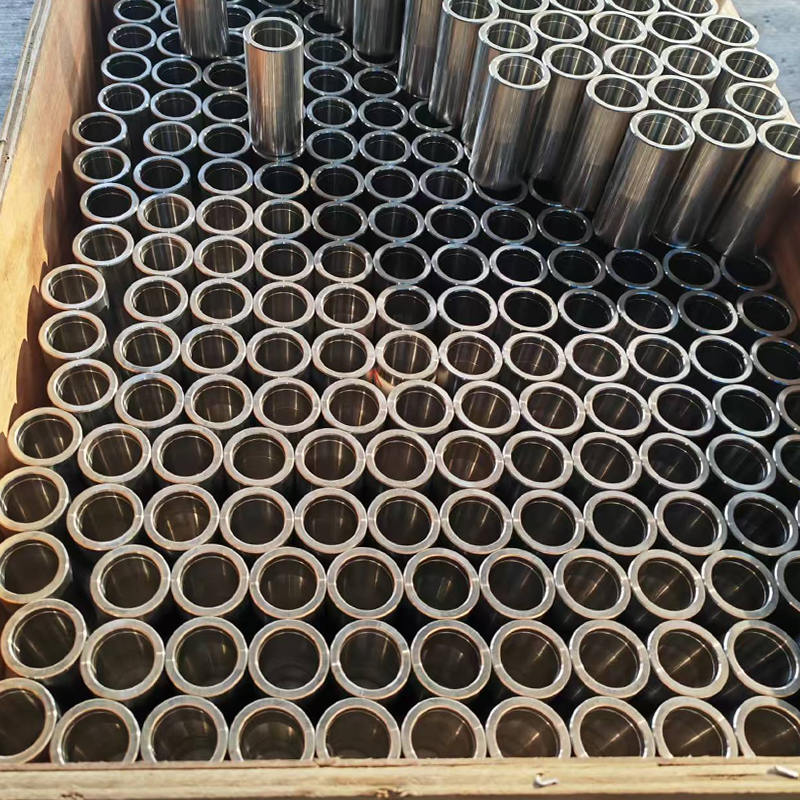
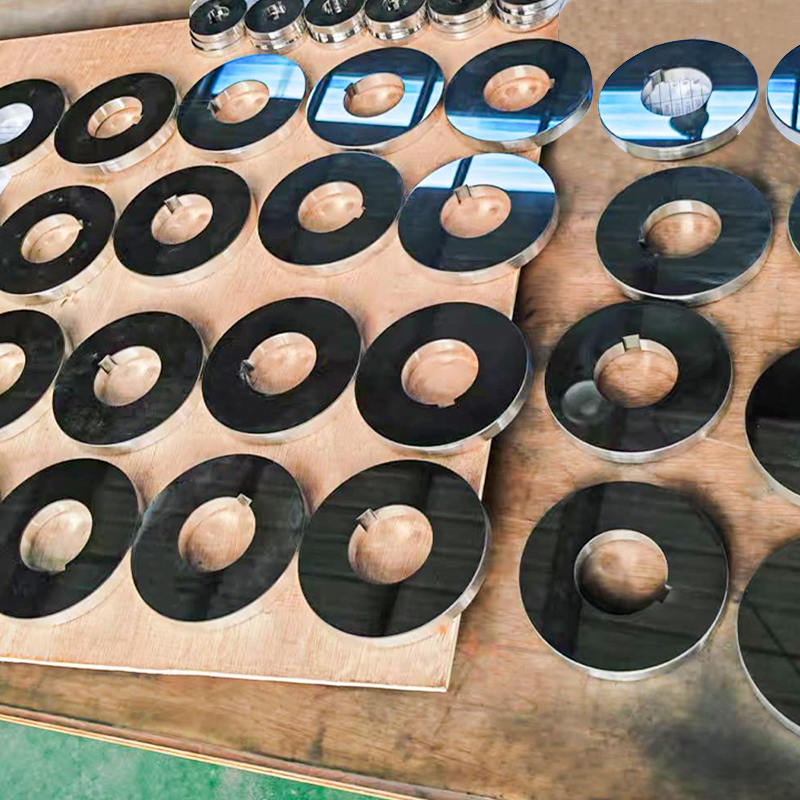
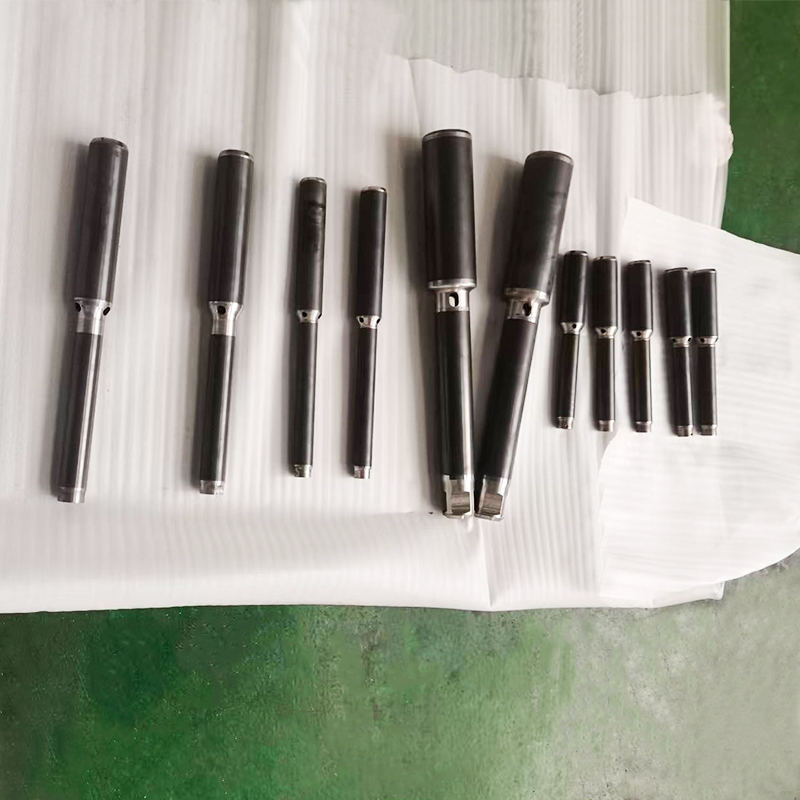
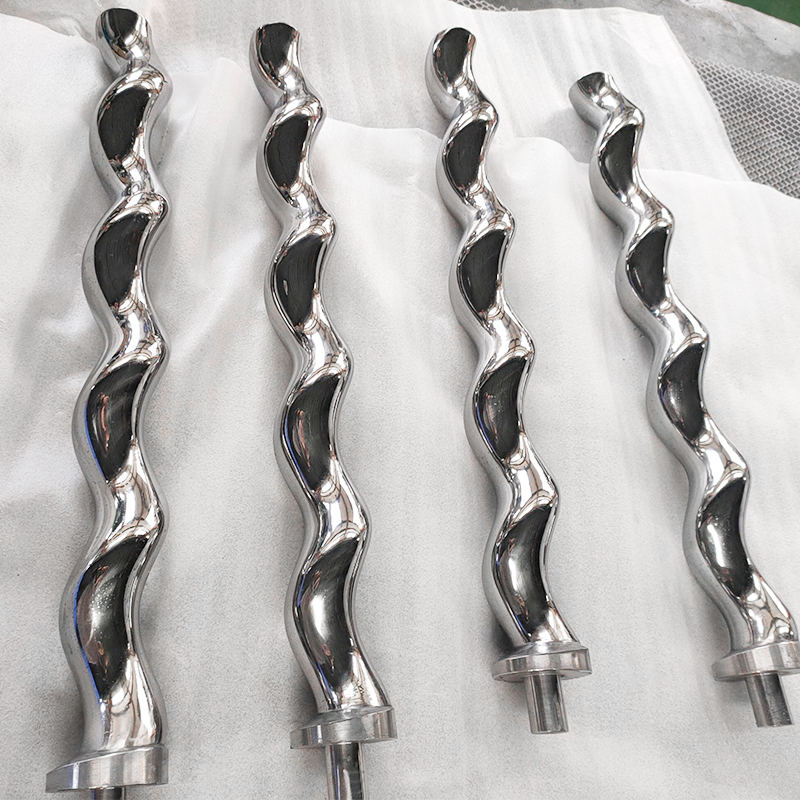
Thermal spray wire drawing accessories are the components responsible for feeding, guiding, and controlling wire consumables as they pass through a thermal spray system before being melted and propelled onto a substrate surface. These accessories include elements such as wire straighteners, feed rollers, guide tubes, contact tips, and drive wheels, all of which must operate with precision to maintain a consistent wire feed rate. Since thermal spray coating quality depends heavily on uniform wire delivery, even minor inconsistencies in feed speed or wire alignment can lead to uneven coating thickness, porosity issues, or inconsistent bonding to the substrate.
These accessories are engineered to handle a variety of wire diameters and material compositions, ranging from zinc and aluminum wires used in corrosion protection coatings to steel and specialty alloy wires used in wear-resistant or dimensional restoration applications. Selecting accessories suited to the specific wire type and application scenario plays a direct role in achieving stable arc or flame characteristics during the spraying process.
Key Application Scenarios for Corrosion Protection Coatings
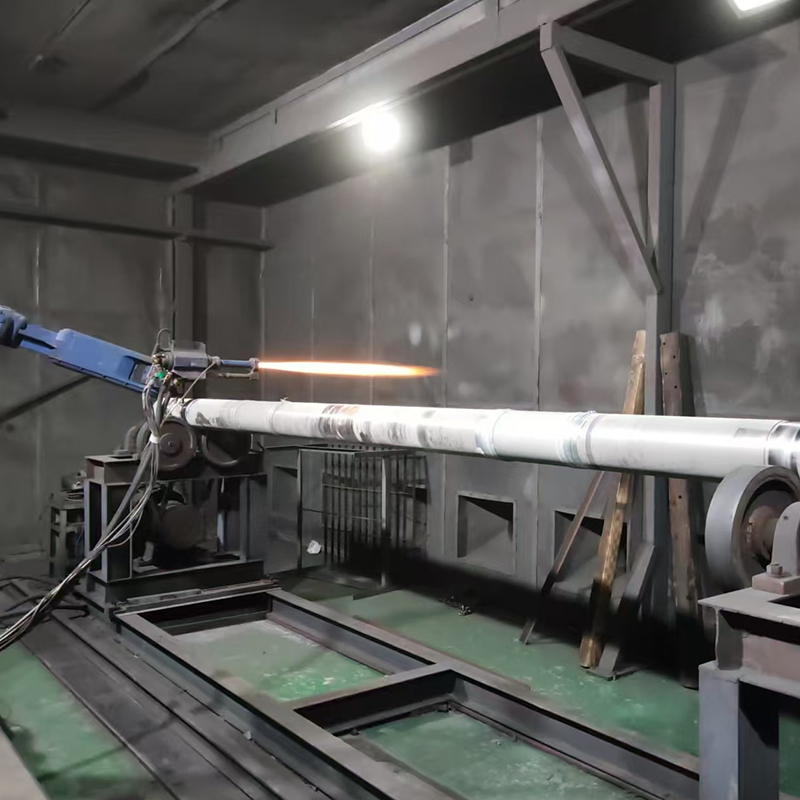
One of the most common uses for thermal spray wire drawing accessories involves applying zinc, aluminum, or zinc-aluminum alloy coatings to steel structures for long-term corrosion resistance. This process, often referred to as metallizing, is widely used in infrastructure projects where structural steel is exposed to harsh outdoor environments.
Bridge and Structural Steel Protection
Bridges and large steel structures exposed to moisture, salt spray, and temperature fluctuations benefit from thermally sprayed zinc or aluminum coatings applied using precisely controlled wire feed accessories. Consistent wire delivery ensures the coating achieves uniform thickness across large surface areas, which is critical for maintaining long-term protective performance.
Offshore and Marine Equipment
Marine environments present some of the most aggressive corrosion conditions found in industrial settings. Wire drawing accessories designed for continuous, stable feed rates allow operators to apply thick, even protective coatings on offshore platforms, ship hulls, and port equipment where reapplication access may be limited.
Application Scenarios in Wear and Dimensional Restoration
Beyond corrosion protection, thermal spray wire drawing accessories play a significant role in restoring worn components and building up wear-resistant surfaces on industrial machinery.
Shaft and Roller Reconditioning
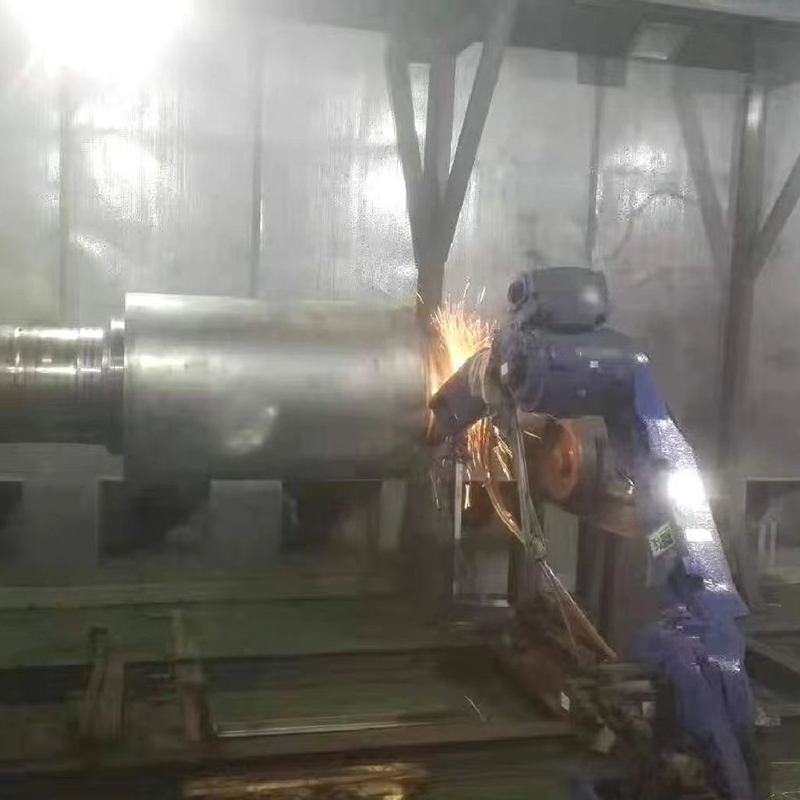
Worn shafts, rollers, and bearing surfaces can be restored to original dimensions using thermal spray techniques with steel or specialty alloy wires. Precise wire feed control ensures the deposited material builds up evenly, minimizing the need for excessive post-spray machining.
Wear-Resistant Coatings on Mechanical Components
Components subjected to abrasive or sliding wear, such as pump housings, hydraulic rods, and conveyor rollers, often receive wear-resistant thermal spray coatings. Reliable wire drawing accessories help maintain the consistent arc energy needed to produce dense, well-bonded coatings that extend component service life.
Comparing Application Scenarios by Wire Type and Purpose
The table below summarizes common wire types used with thermal spray wire drawing accessories and their typical application scenarios.
| Wire Type | Primary Purpose | Typical Application |
| Zinc wire | Corrosion protection | Bridges, steel structures |
| Aluminum wire | Corrosion and heat resistance | Marine equipment, tanks |
| Steel wire | Dimensional restoration | Shafts, rollers, worn parts |
| Specialty alloy wire | Wear resistance | Pumps, hydraulic components |
Why Feed Consistency Directly Affects Coating Quality
The relationship between wire feed stability and final coating quality cannot be overstated. When wire drawing accessories such as feed rollers or drive wheels wear unevenly or lose grip on the wire surface, the feed rate becomes inconsistent, causing fluctuations in the melting process. These fluctuations often manifest as variations in droplet size during atomization, which directly affects coating density and adhesion strength.
In applications involving thin or soft wires, such as zinc or aluminum, worn feed rollers can also cause wire deformation or buckling before it reaches the spray gun, leading to interrupted material flow and visible defects in the applied coating. This makes the condition and design of wire drawing accessories just as important as the thermal spray equipment itself in determining overall process reliability.
Selecting Accessories Based on Operating Environment
Choosing the right thermal spray wire drawing accessories depends on several factors related to both the production environment and the specific coating requirements.
- Wire diameter compatibility, since feed rollers and guide tubes must match the specific wire gauge being processed to avoid slippage or excessive friction.
- Production volume and duty cycle, as high-volume operations benefit from accessories built with more durable materials to withstand continuous use without frequent replacement.
- Wire hardness and surface characteristics, since softer wires like zinc require different roller groove profiles compared to harder steel or alloy wires to prevent surface damage during feeding.
- Environmental conditions at the application site, such as outdoor field spraying versus controlled workshop settings, which can influence accessory material selection for corrosion or contamination resistance.
Maintenance Practices That Support Reliable Wire Feeding
Regular maintenance of thermal spray wire drawing accessories helps prevent unexpected process interruptions and preserves coating consistency over time. Operators should routinely inspect feed roller grooves for wear or buildup of wire debris, as accumulated residue can reduce grip and cause inconsistent feed speed. Contact tips and guide tubes should be checked periodically for internal wear caused by friction with the wire, since an enlarged bore can allow excessive wire wobble that affects arc stability. Establishing a scheduled replacement interval for high-wear components, rather than waiting for visible failure, helps maintain consistent spray quality across production runs and reduces the risk of costly rework on coated components.


 TOP
TOP