
 ENG
ENG
 English
 عربى
عربى Español
 中文简体
中文简体
Content
- 1 Why Powder Blend Uniformity Depends on More Than Mixer Design Alone
- 2 Wear-Resistant Liner Selection for Abrasive Powder Feedstocks
- 3 Comparing Common Blending Mechanisms for Thermal Spray Powder Preparation
- 4 Preventing Particle Segregation During and After Blending
- 5 Feed System Components and Their Effect on Spray Consistency
- 6 Cleaning and Cross-Contamination Control Between Powder Batches
Why Powder Blend Uniformity Depends on More Than Mixer Design Alone
Thermal spray coatings rely on precisely blended feedstock powders, since the composition and particle distribution of the mixed material directly determine coating density, hardness, and adhesion strength once sprayed. When a coating specification calls for a composite powder, such as a tungsten carbide-cobalt blend or a metal-ceramic composite, the mixing and blending equipment used to prepare that powder has to achieve consistent distribution down to the particle level, not just an approximate overall ratio. Uneven blending shows up later as inconsistent hardness readings across a sprayed coating, or as localized zones where one constituent is underrepresented, both of which can cause a coating to fail premature wear testing even though the nominal powder composition on paper was correct.
The internal geometry of the mixing chamber, the design of the blending blades or paddles, and the residence time the powder spends in active mixing all interact to determine how thoroughly a batch blends. A mixer with blade geometry poorly matched to the powder's flow characteristics can create dead zones near the chamber walls where material recirculates without fully integrating into the bulk blend, which is a common and often overlooked cause of batch-to-batch inconsistency that a simple visual inspection of the finished powder will not reveal.
Wear-Resistant Liner Selection for Abrasive Powder Feedstocks
Many thermal spray feedstock powders, particularly carbide-based and oxide-based ceramic powders, are inherently abrasive and will progressively wear the internal surfaces of a mixing chamber if the chamber lining material is not selected to resist that specific wear mechanism. Standard mild steel liners wear relatively quickly under continuous exposure to hard ceramic or carbide particles, and as the liner surface roughens and pits, it begins shedding metallic contamination directly into the powder batch, a defect that can compromise a coating's chemical purity in applications where contamination tolerance is tight, such as aerospace or medical component coatings.
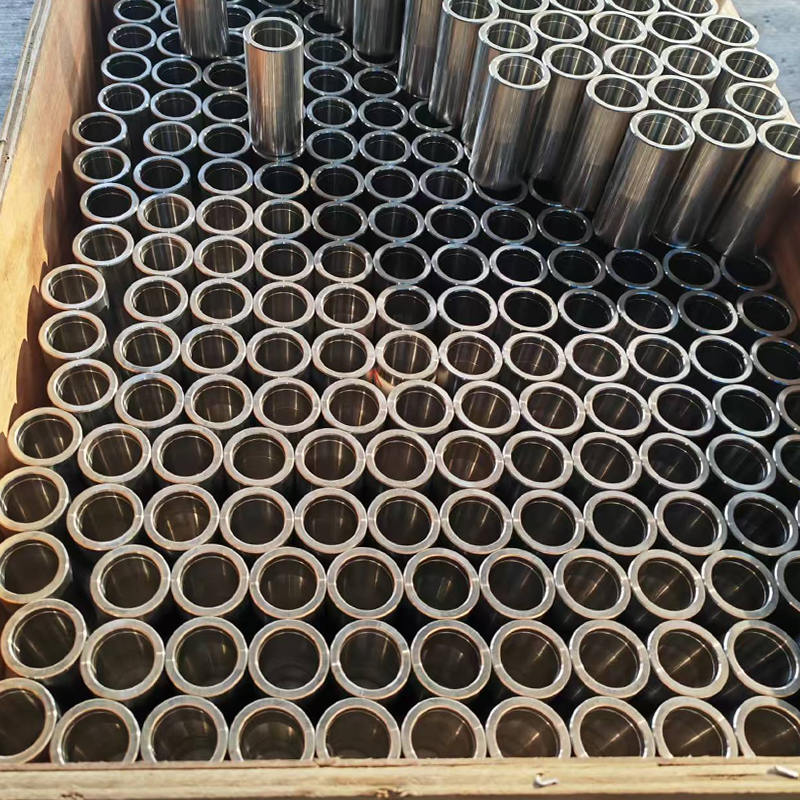
Hardened tool steel, tungsten carbide-lined, or ceramic-lined mixing chambers address this wear risk directly, with the choice between them generally depending on the abrasiveness of the specific powder being processed and the acceptable cost of the equipment. Ceramic linings offer the highest wear resistance for the most abrasive powders but are more brittle and can crack under mechanical shock if a foreign object or oversized particle agglomerate enters the mixing chamber, while tungsten carbide liners offer a middle ground of high wear resistance with somewhat better impact tolerance.
Detecting Liner Wear Before Contamination Becomes a Problem
Because liner wear is gradual and not always visible without disassembly, establishing a scheduled inspection interval based on total processing hours or batch count, rather than waiting for a visible defect in sprayed coating quality, catches liner degradation before it introduces contamination into production batches. Some operations supplement scheduled visual inspection with periodic contamination testing on finished blended powder, checking for trace metallic content that would indicate liner shedding has begun even before wear is visible to the eye.
Comparing Common Blending Mechanisms for Thermal Spray Powder Preparation
Different blending mechanisms suit different powder characteristics, and selecting the wrong mechanism for a given powder type can produce either inadequate mixing or unwanted particle degradation. The comparison below outlines where common blending approaches diverge in practical performance for thermal spray feedstock preparation.
| Blending Mechanism | Best Suited For | Key Limitation |
| Tumble blending (double cone, V-shell) | Free-flowing powders with similar particle size and density | Poor performance with powders prone to segregation by density |
| Paddle or ribbon mixing | Powders with moderate density differences requiring active mixing | Higher shear can degrade fragile agglomerated or spray-dried particles |
| High-shear mixing | Fine powders requiring de-agglomeration and thorough dispersion | Risk of generating excessive fines or altering particle morphology |
| Fluidized bed mixing | Powders sensitive to mechanical stress that need gentle blending | Less effective for powders with significant density mismatch |
Spray-dried composite powders, which are common in thermal spray applications because the spray-drying process creates uniform, flowable agglomerates from finer raw materials, require particular care in mechanism selection, since excessive shear during blending can fracture these agglomerates and alter the particle size distribution the spray-drying process was specifically designed to achieve.
Preventing Particle Segregation During and After Blending
Segregation, the tendency of particles with different size or density to separate after blending rather than remain uniformly distributed, is one of the more persistent challenges in thermal spray powder preparation. Even a batch that blends to a genuinely uniform state inside the mixer can segregate afterward during discharge, transfer, or storage if the powder handling equipment introduces vibration or free-fall drop height that allows heavier or larger particles to migrate downward through the bulk material.
- Minimizing free-fall distance during powder discharge and transfer reduces the kinetic energy available to drive segregation, which is particularly important for composite powders with meaningful density differences between constituents.
- Mass-flow discharge hoppers, which draw powder from the full cross-section of the storage vessel rather than allowing a funnel-flow pattern that draws only from the center, help preserve blend uniformity through the discharge process.
- Vibration during transport or storage, even at low amplitude, can drive segregation over time in powders with particle size differences, which is why blended powder intended for extended storage benefits from packaging and handling procedures that minimize sustained vibration exposure.
Feed System Components and Their Effect on Spray Consistency
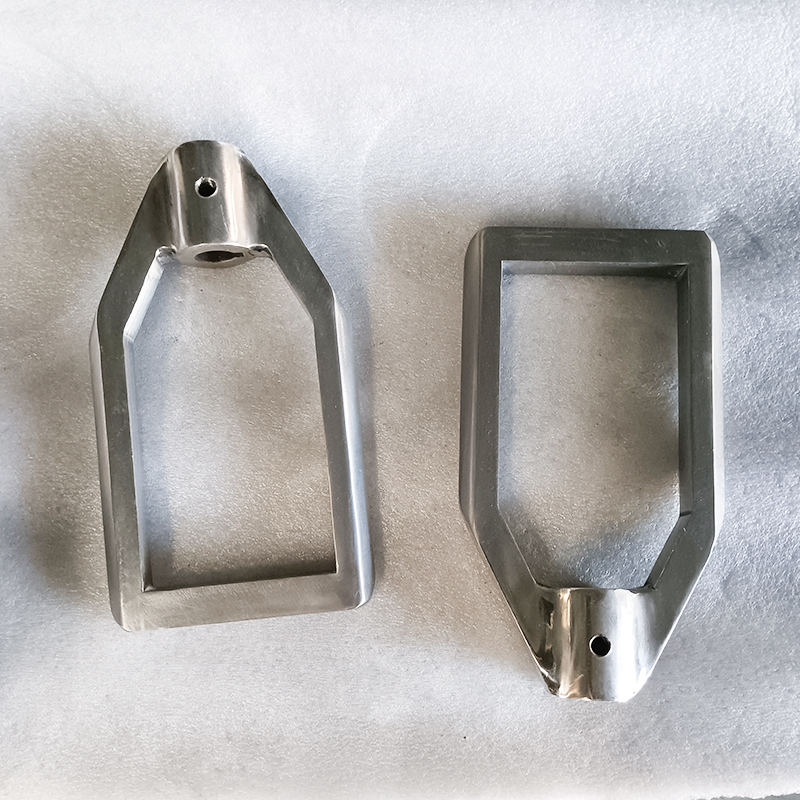
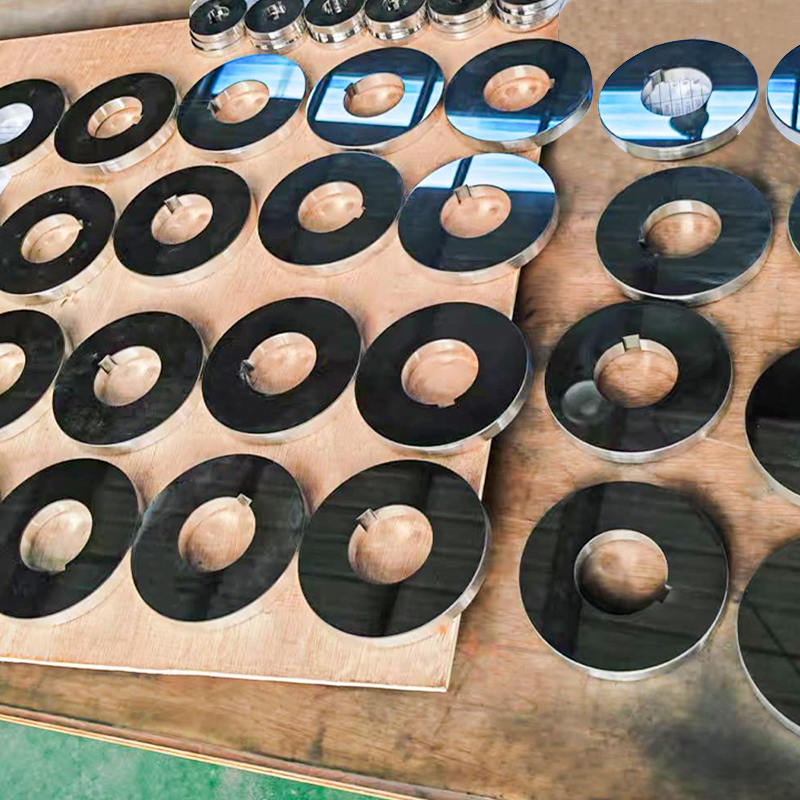
Beyond the mixing and blending stage itself, the powder feeder components that deliver blended feedstock to the thermal spray gun play an equally important role in final coating quality, since even a perfectly blended powder can produce an inconsistent coating if the feed rate fluctuates during spraying. Rotary disc or wheel feeders, which meter powder through calibrated cavities on a rotating disc, need cavity geometry matched to the specific powder's flow characteristics; a cavity designed for a free-flowing spherical powder may under-deliver a more cohesive, irregular-shaped powder that does not fill the cavity completely on each rotation.
Carrier gas flow rate and pressure stability at the feeder also directly affect powder delivery consistency, since fluctuations in carrier gas pressure change the powder-to-gas ratio reaching the spray gun in real time, which shows up as visible density banding or thickness variation across a sprayed coating. Feeders with pressure-regulated carrier gas supply and consistent cavity wear characteristics over their operating life produce more repeatable coating results than feeders that rely on unregulated shop air supply subject to pressure fluctuation from other equipment on the same compressed air line.
Wear Patterns in Feeder Components That Affect Metering Accuracy
Rotary feeder discs and cavities wear gradually with continuous exposure to abrasive powders, and as cavity walls erode, the effective cavity volume increases slightly, which causes a slow drift in delivered powder rate that is not always noticeable from one spray session to the next but becomes significant over the operating life of the component. Establishing a replacement schedule for feeder wear components based on total powder throughput, rather than waiting for a coating quality deviation to prompt inspection, helps maintain consistent feed rates across the equipment's service life.
Cleaning and Cross-Contamination Control Between Powder Batches
Thermal spray operations that process multiple powder formulations through the same mixing and blending equipment face a persistent cross-contamination risk, since even small residual quantities of a previous powder batch can alter the composition of a subsequent batch enough to affect coating properties, particularly for coatings with tight compositional tolerances. Internal chamber geometry with minimal crevices, rounded internal corners, and accessible cleaning points significantly reduces the amount of residual powder that can become trapped in hard-to-reach areas of the mixing equipment between batches.
Establishing a validated cleaning procedure, rather than relying on visual cleanliness alone, is particularly important when switching between powder formulations with significantly different compositions, such as moving from a cobalt-based carbide blend to a nickel-based alloy blend, since visual inspection cannot detect trace residual contamination at the levels that can affect sensitive coating specifications. Some operations dedicate specific mixing equipment to particular powder families entirely, avoiding cross-contamination risk at the cost of additional equipment investment, which is generally justified when coating specifications for the products involved have little tolerance for compositional deviation.


 TOP
TOP