
 ENG
ENG
 English
 عربى
عربى Español
 中文简体
中文简体
Bladed impellers operate in some of the harshest conditions found in industrial equipment, constantly exposed to abrasive particles, corrosive fluids, and high-velocity flow that gradually erodes their surfaces. Thermal spray coating has become one of the most effective solutions for extending impeller service life, offering a way to apply hard, wear-resistant, or corrosion-resistant layers directly onto the blade surface without altering the base metal's structural properties. This article explains how thermal spray technology works, which coating types are best suited for different failure modes, and how proper application practices help impellers withstand demanding operating environments.
Content
- 1 Why Bladed Impellers Are Prone to Wear and Corrosion
- 2 What Thermal Spray Coating Is and How It Works
- 3 How Thermal Spray Solves Wear Problems on Impeller Blades
- 4 How Thermal Spray Addresses Corrosion Challenges
- 5 Selecting the Right Coating for the Application
- 6 Application Best Practices for Reliable Coating Performance
- 7 Maintenance and Inspection After Coating
- 8 Final Thoughts
Why Bladed Impellers Are Prone to Wear and Corrosion
Impellers used in pumps, fans, and mixers are subjected to constant mechanical and chemical stress. As fluid or slurry passes across the blades at high speed, suspended particles impact the metal surface repeatedly, gradually wearing away material through erosion. In applications involving acidic, alkaline, or saline fluids, corrosion works alongside this mechanical wear, weakening the metal and accelerating material loss at a much faster rate than either mechanism would cause alone. This combined effect, often called erosion-corrosion, is one of the leading causes of premature impeller failure in mining, power generation, chemical processing, and marine applications.
Left unaddressed, worn blade edges reduce hydraulic efficiency, increase vibration, and eventually compromise the structural integrity of the impeller, leading to unplanned shutdowns and costly replacements. Because replacing an entire impeller is expensive and often requires extended downtime, protecting the surface before damage accumulates is far more cost-effective than reactive repairs.
What Thermal Spray Coating Is and How It Works
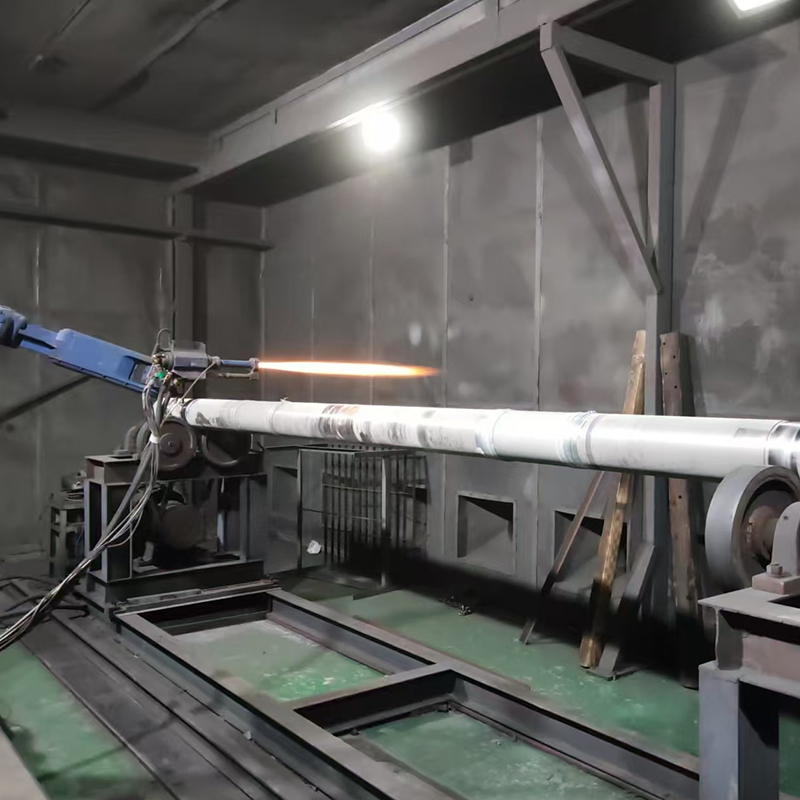
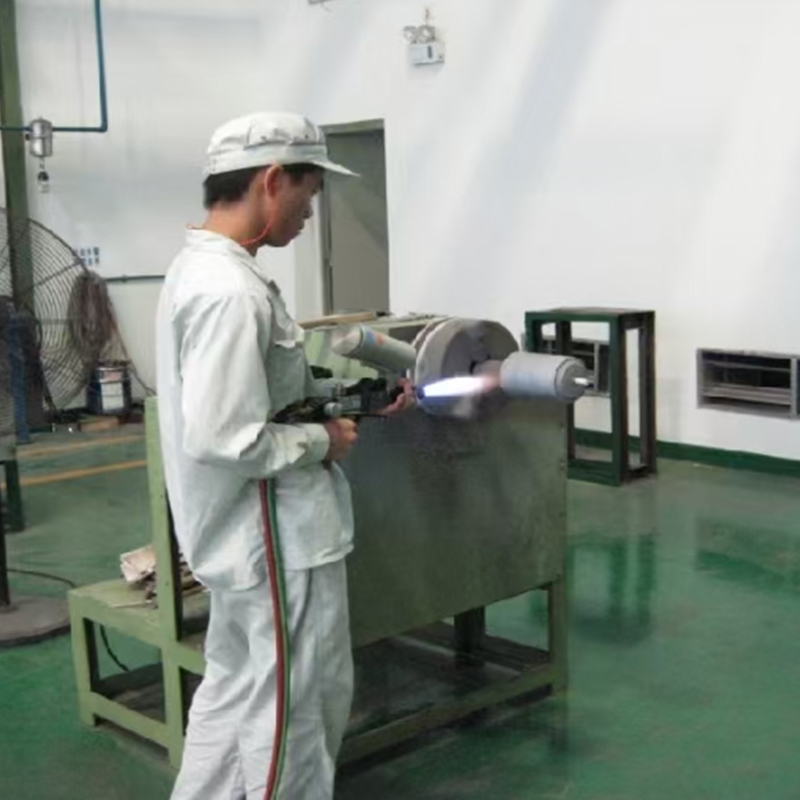
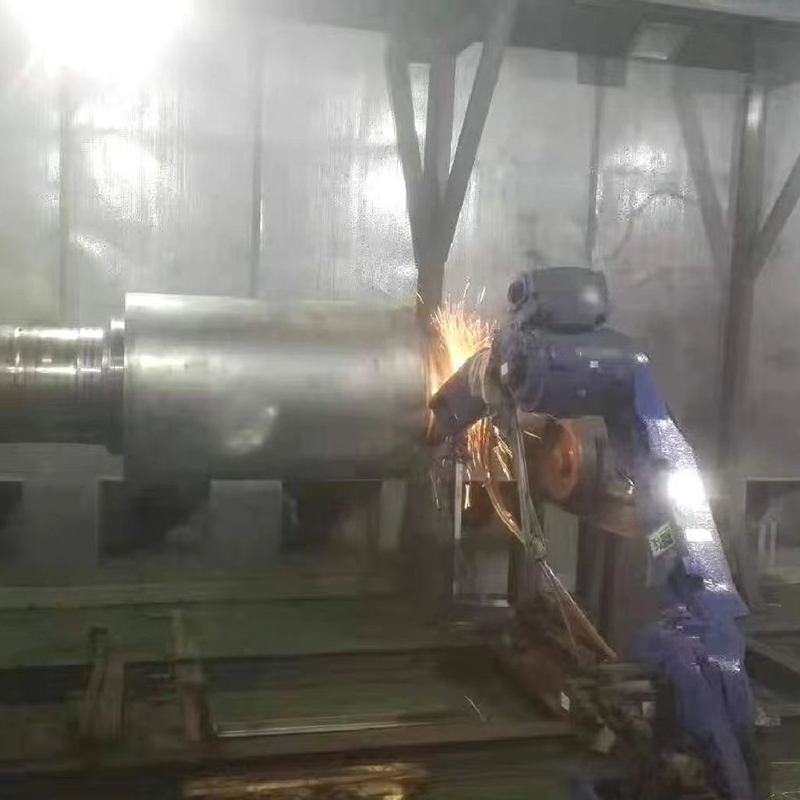
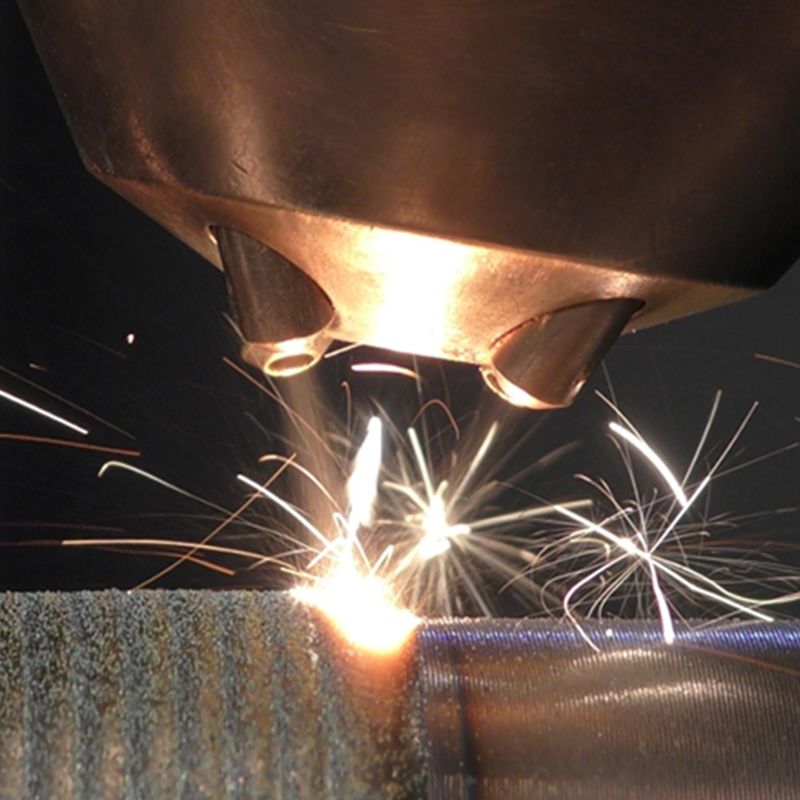
Thermal spray coating is a surface engineering process in which a coating material, typically in powder or wire form, is heated to a molten or semi-molten state and propelled onto the impeller's surface at high velocity. Upon impact, the material flattens and rapidly solidifies, building up a dense, adherent layer that bonds mechanically to the substrate. Multiple passes create a coating of controlled thickness, which can then be machined or polished to meet precise dimensional tolerances required for balanced impeller performance.
Unlike welding or hardfacing, thermal spray processes generate relatively low heat input into the base metal, which helps preserve the impeller's original mechanical properties and reduces the risk of warping or heat-affected zone cracking. This makes thermal spray particularly suitable for precision components like impeller blades, where dimensional accuracy and balance are critical to efficient operation.
Common Thermal Spray Processes Used on Impellers
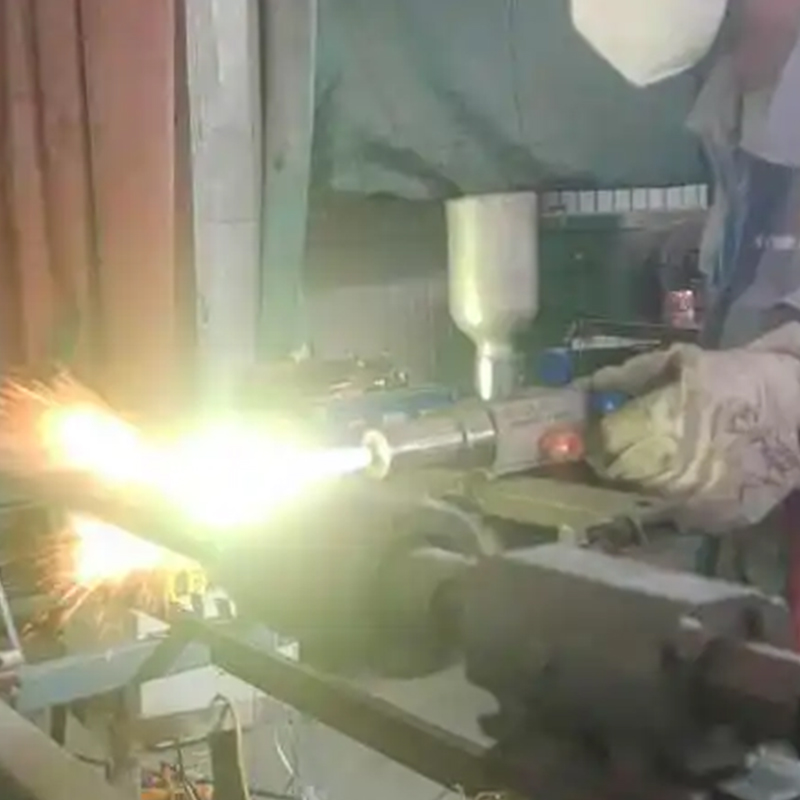
- High-Velocity Oxy-Fuel (HVOF): produces extremely dense, low-porosity coatings ideal for high-wear, high-erosion environments.
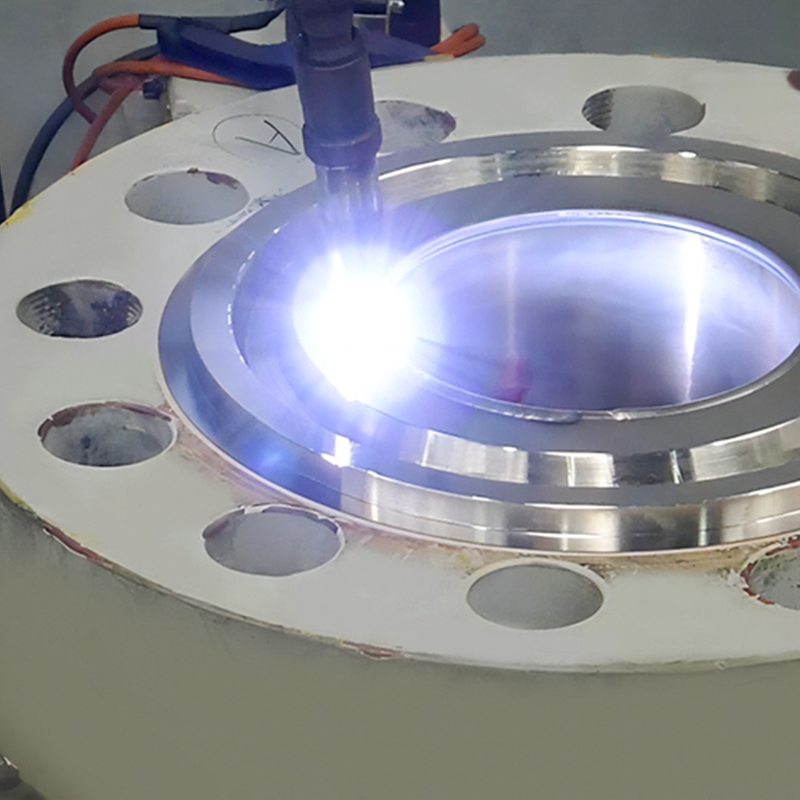
- Plasma Spray: capable of depositing ceramic and high-melting-point materials for extreme wear or thermal resistance.
- Arc Spray: a cost-effective option for applying metallic coatings over larger surface areas.
- Cold Spray: applies coatings at lower temperatures, minimizing oxidation and preserving substrate properties for sensitive alloys.
How Thermal Spray Solves Wear Problems on Impeller Blades
Wear resistance is achieved by selecting coating materials with high hardness values that resist the repeated micro-impacts caused by suspended particles in the fluid stream. Tungsten carbide-cobalt coatings, commonly applied using HVOF, are among the most widely used solutions for abrasive wear because their extreme hardness allows them to resist erosion far longer than the underlying steel or stainless steel substrate. Chromium carbide coatings offer similar benefits and perform especially well in high-temperature erosive environments, such as those found in flue gas handling equipment.
The dense, low-porosity structure achieved through processes like HVOF also plays a critical role in wear protection, since porous coatings can trap abrasive particles and accelerate localized breakdown. By minimizing porosity, thermal spray coatings maintain a smoother, more uniform surface that resists particle penetration and reduces turbulence-induced erosion at the blade edges, where wear tends to concentrate most heavily.
How Thermal Spray Addresses Corrosion Challenges
Corrosion protection through thermal spray typically relies on coatings that either form a chemically inert barrier or contain elements that resist oxidation and chemical attack. Nickel-based and cobalt-based alloys are frequently used for impellers operating in acidic or high-salinity environments, since these materials resist pitting and general corrosion better than standard carbon steel. Ceramic coatings, such as aluminum oxide, provide an additional layer of chemical inertness for applications exposed to particularly aggressive fluids.
Because corrosion often accelerates wear by weakening the metal surface ahead of particle impact, applying a coating that addresses both mechanisms simultaneously is often more effective than treating each issue separately. Cermet coatings, which combine ceramic hardness with metallic corrosion resistance, are increasingly used for this reason in impellers exposed to erosion-corrosion conditions, such as those found in flue gas desulfurization pumps and seawater handling systems.
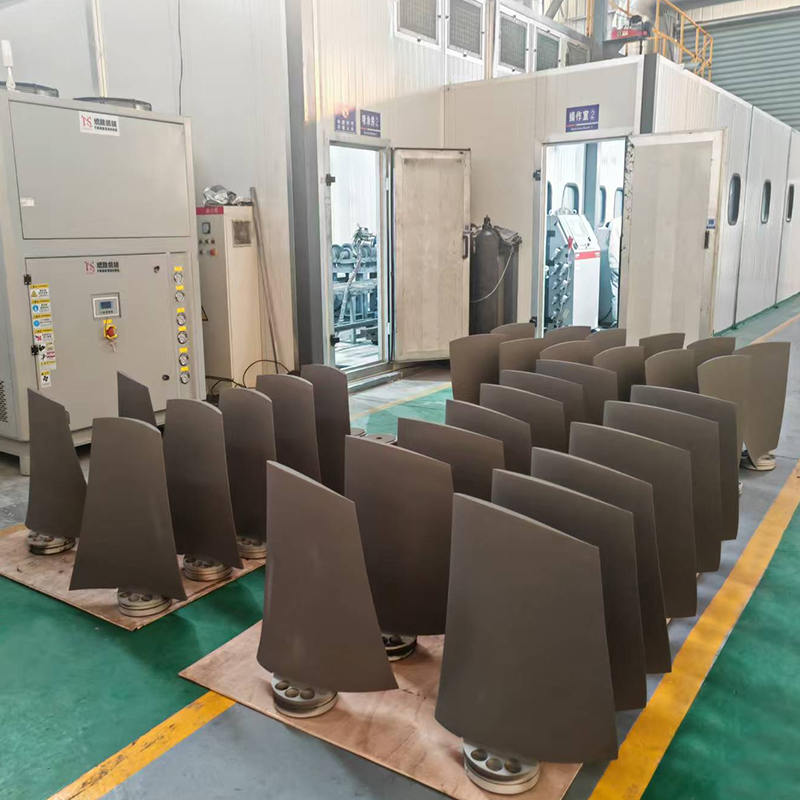
Selecting the Right Coating for the Application
Choosing the correct thermal spray coating depends on the specific combination of mechanical and chemical stresses the impeller will face. The table below outlines common coating options and the conditions they are best suited to address.
| Coating Material | Primary Benefit | Typical Application |
| Tungsten Carbide-Cobalt | High abrasion resistance | Slurry pumps, mineral processing impellers |
| Chromium Carbide | Wear resistance at high temperature | Flue gas and combustion equipment |
| Nickel-Chromium Alloy | Corrosion resistance | Chemical processing, marine impellers |
| Aluminum Oxide Ceramic | Chemical inertness | Acidic fluid handling systems |
| Cermet Coatings | Combined wear and corrosion resistance | Desulfurization pumps, seawater systems |
Application Best Practices for Reliable Coating Performance
The effectiveness of a thermal spray coating depends heavily on proper surface preparation and application technique. Even the best coating material will underperform if the underlying process is not controlled carefully.
- Thoroughly clean and grit-blast the impeller surface before spraying to remove oxides, oils, and contaminants that could weaken coating adhesion.
- Control spray parameters such as particle velocity and temperature to achieve consistent density and minimize porosity.
- Apply coatings in controlled layer thicknesses to reduce residual stress and prevent delamination during service.
- Perform post-spray machining or polishing to restore precise blade geometry and maintain hydraulic efficiency.
- Conduct bond strength and porosity testing on sample coupons to verify coating quality before returning the impeller to service.
Maintenance and Inspection After Coating
Even with a durable thermal spray coating in place, periodic inspection remains important to catch early signs of localized wear or coating breakdown before they progress to the base metal. Operators should visually inspect blade edges and high-flow contact areas during scheduled maintenance, checking for surface pitting, discoloration, or thinning that may indicate coating degradation. Ultrasonic thickness testing can provide a more precise measurement of remaining coating thickness, helping plan recoating intervals before failure occurs. Tracking wear patterns over multiple inspection cycles also helps identify whether the current coating selection is well matched to actual operating conditions, allowing adjustments to coating type or thickness in future maintenance cycles if wear rates are higher than expected.
Final Thoughts
Thermal spray coating offers a practical, cost-effective way to protect bladed impellers from the combined effects of wear and corrosion that would otherwise shorten service life significantly. By selecting the appropriate coating material for the specific mechanical and chemical stresses an impeller faces, and by following proper surface preparation and application procedures, operators can extend impeller lifespan, maintain hydraulic efficiency, and reduce the frequency of costly replacements across demanding industrial applications.


 TOP
TOP