
 ENG
ENG
 English
 عربى
عربى Español
 中文简体
中文简体
Die casting tools operate under conditions that would quickly destroy ordinary steel. Molten aluminum enters the cavity at 650–700 °C, travels at high velocity through gates and runners, then solidifies and is ejected, and the cycle repeats every few minutes. Each shot exposes shot sleeves, plungers, dies, and cores to thermal shock, chemical attack, and mechanical erosion. The predictable result is soldering, washout, heat checking, and premature replacement of expensive tooling.
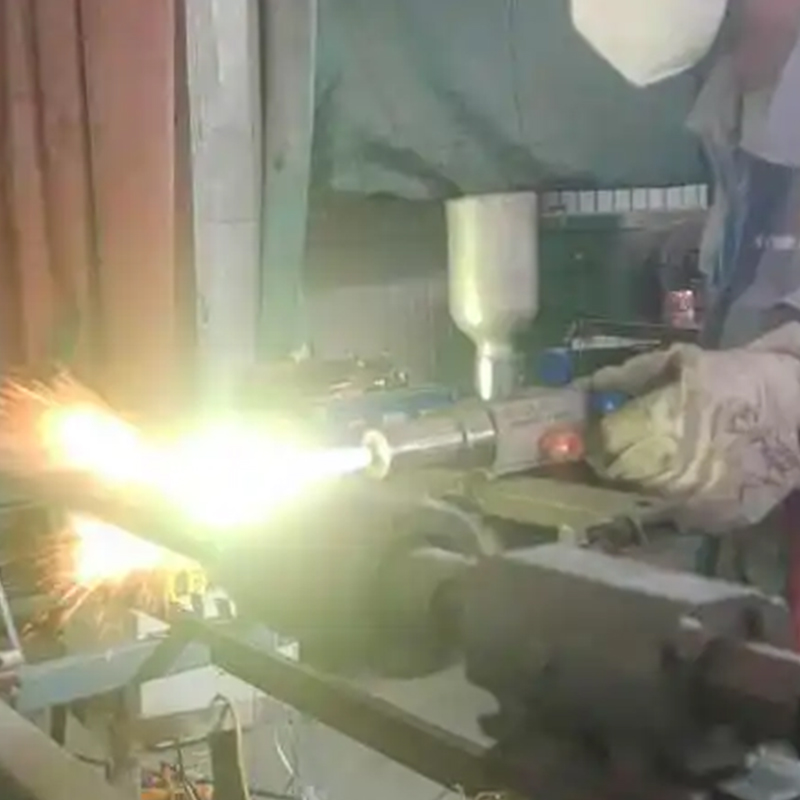
Thermal spray coating for die casting is the most direct way to interrupt that cycle. Instead of changing the metallurgy of the entire tool, a coating changes only the surface that meets the molten metal. A well-selected coating reduces wetting between the melt and the substrate, blocks chemical attack, and resists the erosive flow of metal. Components that ordinarily last a few tens of thousands of shots can last several times longer, and the coating cost is typically recovered through reduced downtime and fewer replacement parts.
Content
Why Die Casting Tools Fail
Before choosing a coating, identify which failure mode dominates on your line. Four mechanisms account for most die casting tool damage:
| Failure Mode | Primary Cause | Typical Location | Consequence |
|---|---|---|---|
| Soldering | Molten metal bonding to tool steel | Shot sleeve, plunger tip, die face | Sticking parts, torn surfaces |
| Washout / erosion | High-velocity melt flow | Gates, cores, runner systems | Dimensional loss, rough surfaces |
| Heat checking | Thermal fatigue from repeated cycling | Die face, cores | Cracks that propagate inward |
| Corrosion | Chemical attack by the melt | Shot sleeve, plunger | Pitting, accelerated wear |
The common thread is that all four mechanisms start at the surface. That is why surface engineering delivers such a high return in die casting. A coating will not fix a poorly designed cooling system or an excessively soft tool steel, but it does change how the tool surface interacts with the melt, and that interaction is where most damage begins.
How Thermal Spray Coatings Protect Die Casting Surfaces
Thermal spray coatings protect die casting tooling through several working mechanisms at once:
- A barrier against chemical attack that isolates the steel from the molten alloy.
- Reduced wetting, so the melt is less likely to adhere and solder to the surface.
- Thermal insulation, which lowers the peak substrate temperature during each shot.
- Wear resistance from hard phases such as tungsten carbide in the coating matrix.
- Compressive residual stress, which resists the initiation and growth of heat-check cracks.
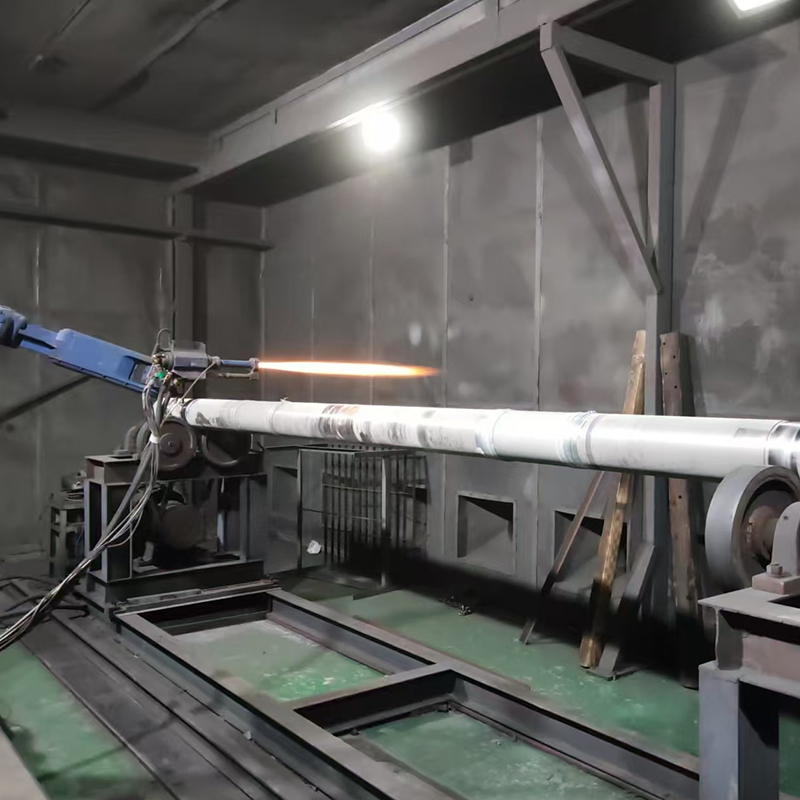
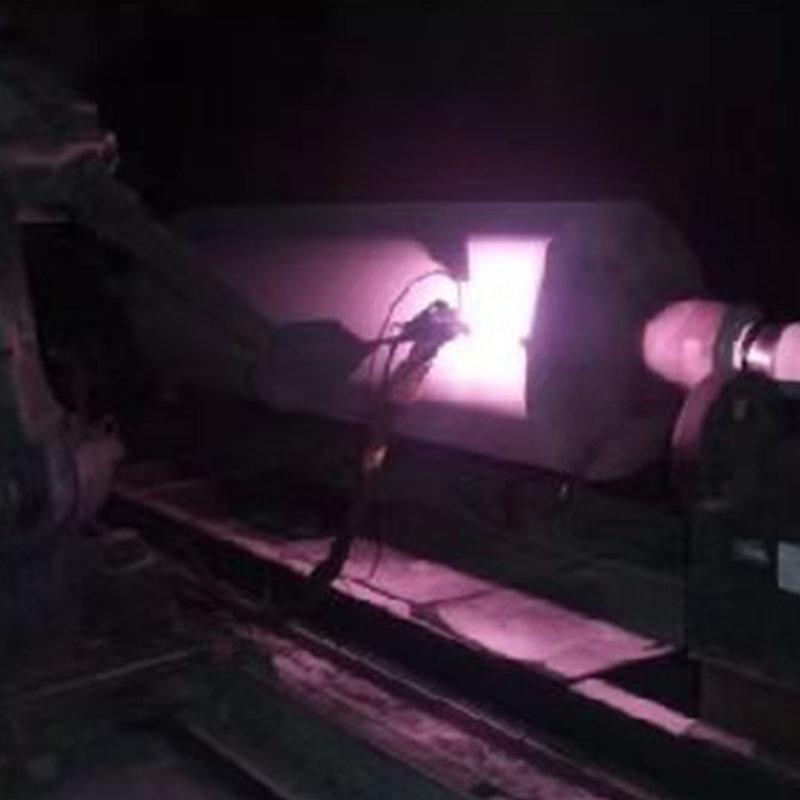
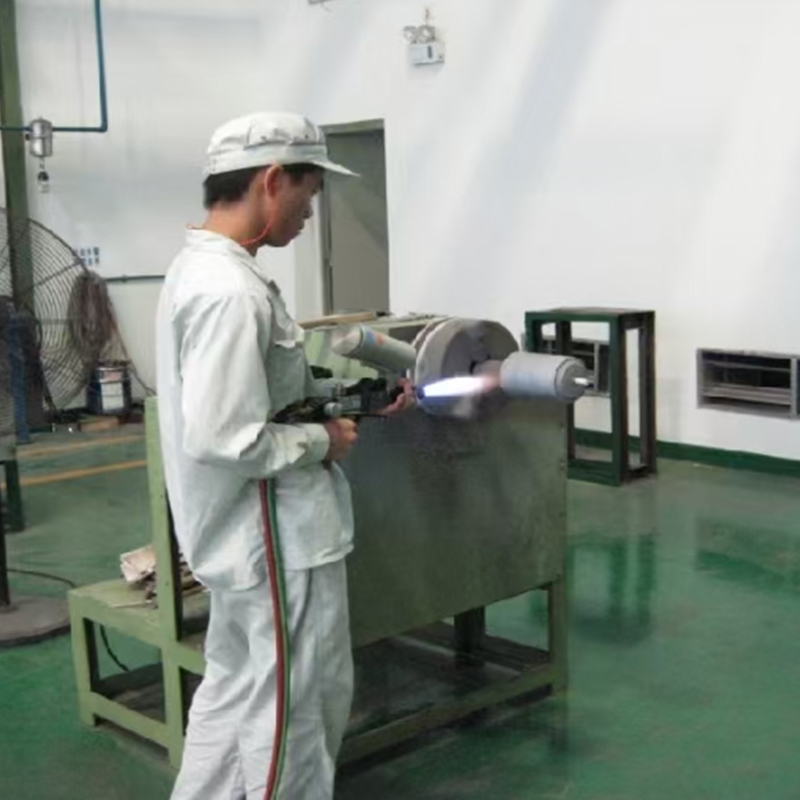
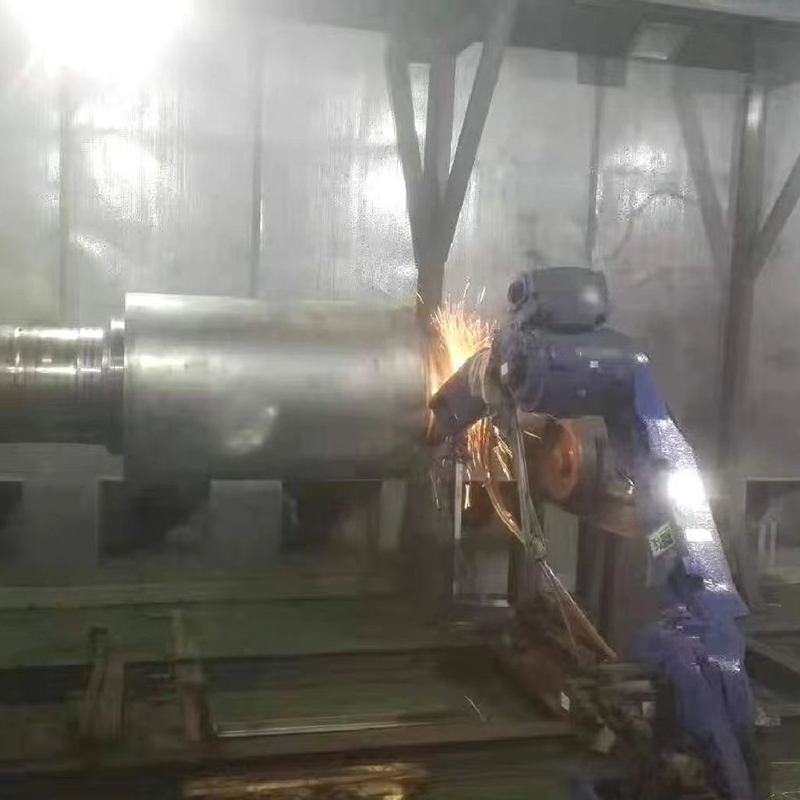
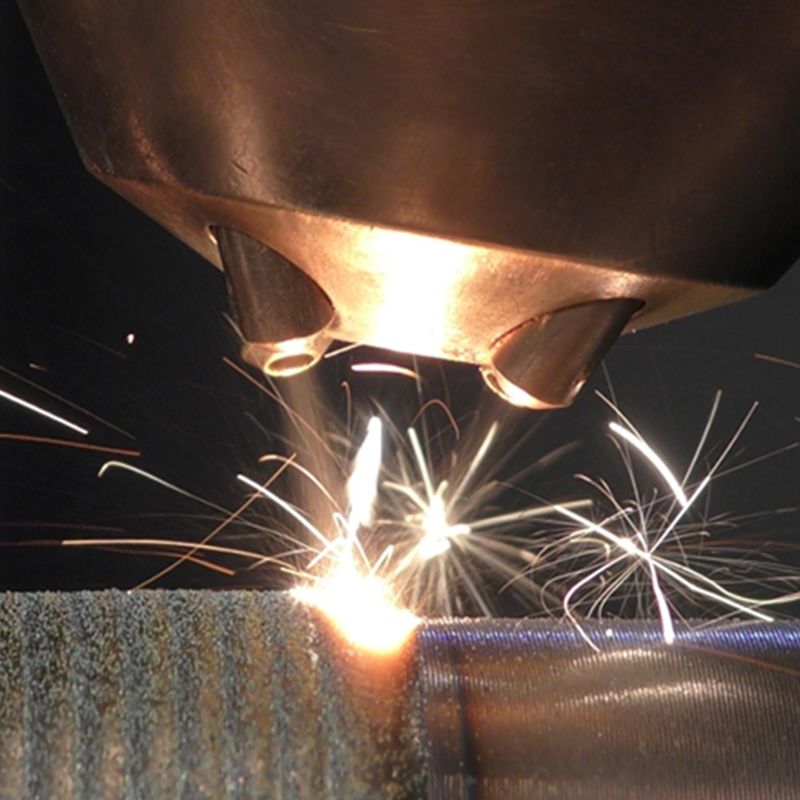
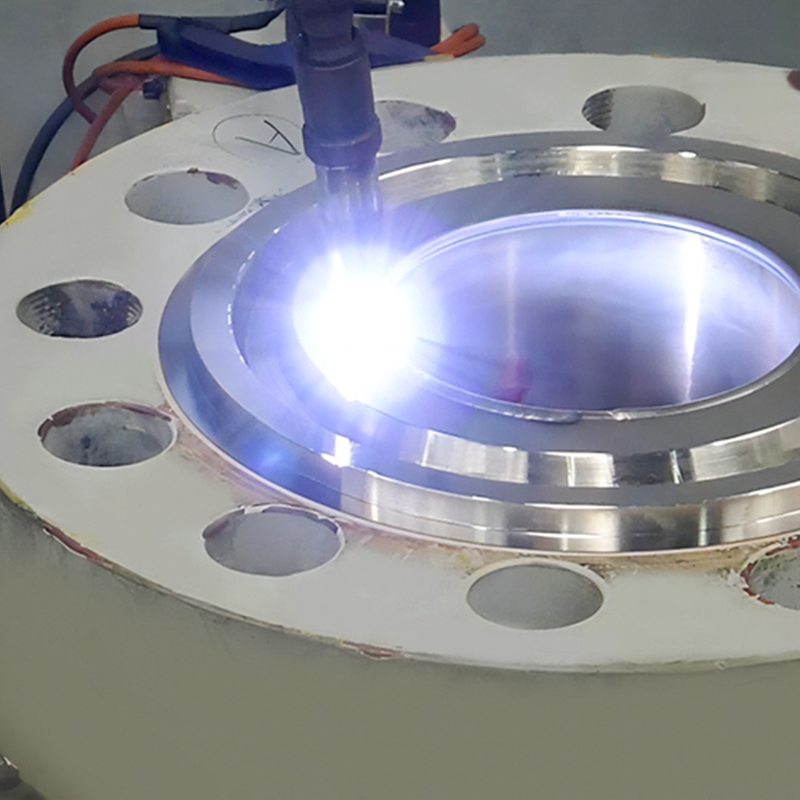
Different thermal spray processes produce different coating structures. HVOF (high-velocity oxygen fuel) spraying produces dense tungsten carbide and chromium carbide coatings with very low porosity, which suits erosion and sliding-wear conditions. Plasma spraying applies ceramic coatings and is often chosen where soldering resistance or thermal insulation matters more than mechanical hardness. Wire arc and flame powder spraying offer economical options for large surfaces and for restoring worn components.
Coating Materials for Die Casting Tooling
No single coating works best for every die casting component. The right material depends on the dominant failure mode and the temperature at the coated surface.
| Coating Material | Process | Key Property | Best Use |
|---|---|---|---|
| Tungsten carbide | HVOF | Wear and erosion resistance | Shot sleeves, plungers, cores |
| Chromium carbide | HVOF | High-temperature wear resistance | Dies and cores in high-heat zones |
| Ceramic, alumina-based | Plasma spray | Soldering resistance, thermal barrier | Die faces, cavity surfaces |
| Nano-alloy composite | HVOF / plasma | Combined anti-soldering and wear resistance | Plunger tips, punch surfaces |
Tungsten carbide is the most common choice for shot sleeves and plungers because these components experience continuous sliding contact with the melt. A dense HVOF-applied tungsten carbide coating reaches hardness values around 1000–1200 HV, well above what heat-treated tool steel offers on its own. Typical coating thickness for die casting tools ranges from 0.1 to 0.3 mm; on shot sleeves, the coating is usually ground back to the original dimension, so the applied thickness must include the finishing allowance.
Ceramic coatings are favored on die faces where soldering is the primary problem. Ceramics have low thermal conductivity and do not wet with aluminum, so they reduce both heat transfer into the die and adhesion of the melt. Nano-alloy composite coatings bridge the gap, offering soldering resistance with enough toughness for impact-loaded parts.
Coating Die Casting Components in Practice
Different parts of the die casting cell need different coating strategies. The shot sleeve and plunger form the injection system, where sliding wear and soldering are constant problems. The die face endures thermal cycling and soldering at the cavity. Cores and inserts see both erosion and thermal fatigue. Even small accessories such as steel rings experience the same melt contact and can stop a production line when they fail.
Plungers and Shot Sleeves
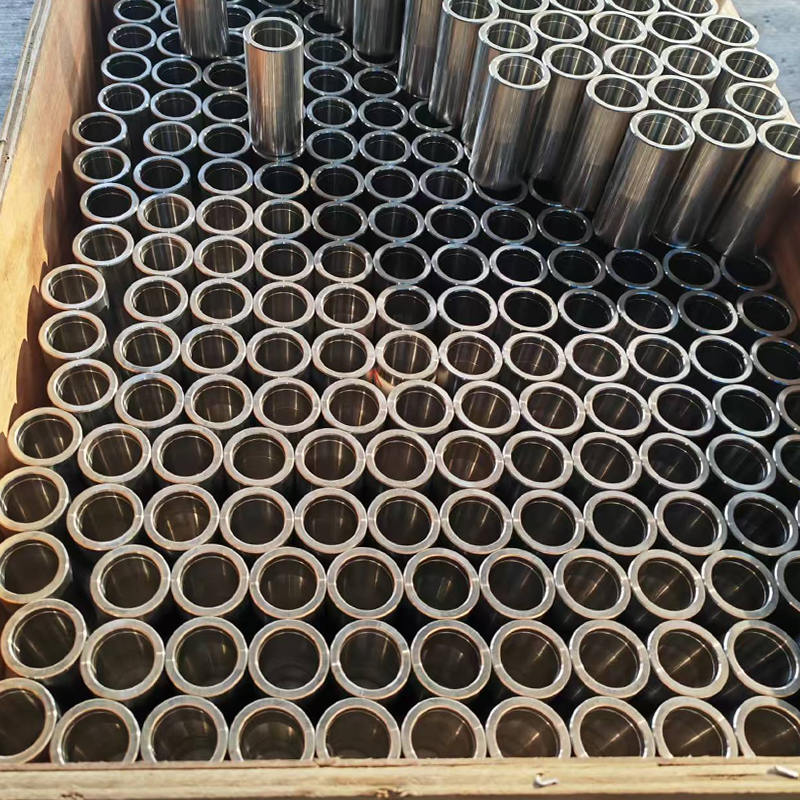
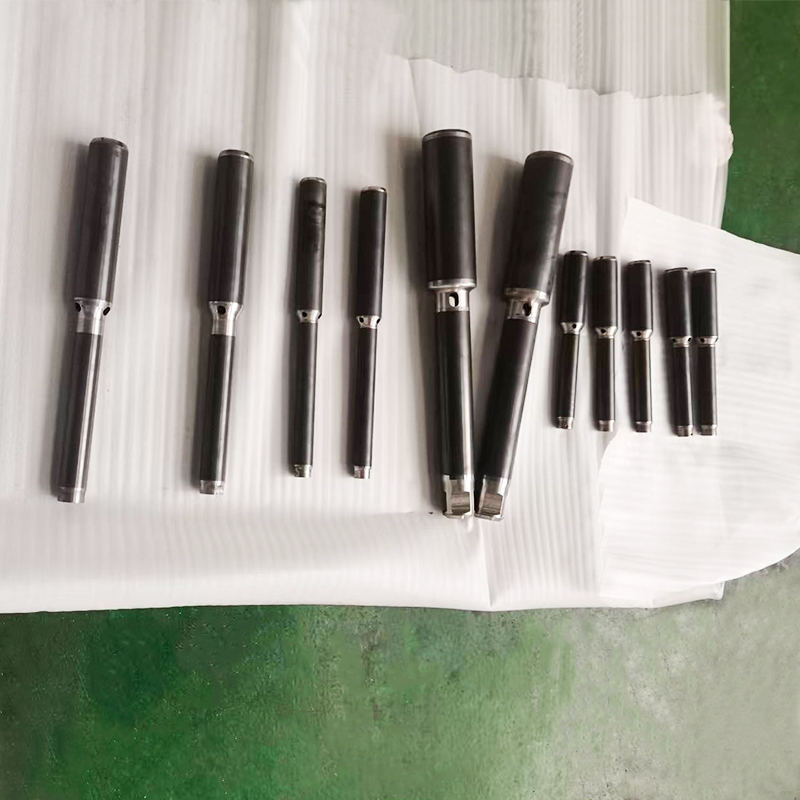
For plungers, the typical failure sequence starts with soldering at the tip, followed by scoring along the body as the soldered area drags against the shot sleeve. A nano-alloy coating changes the surface chemistry so the molten metal does not wet the punch as readily, while the hard coating resists the abrasive wear that follows.
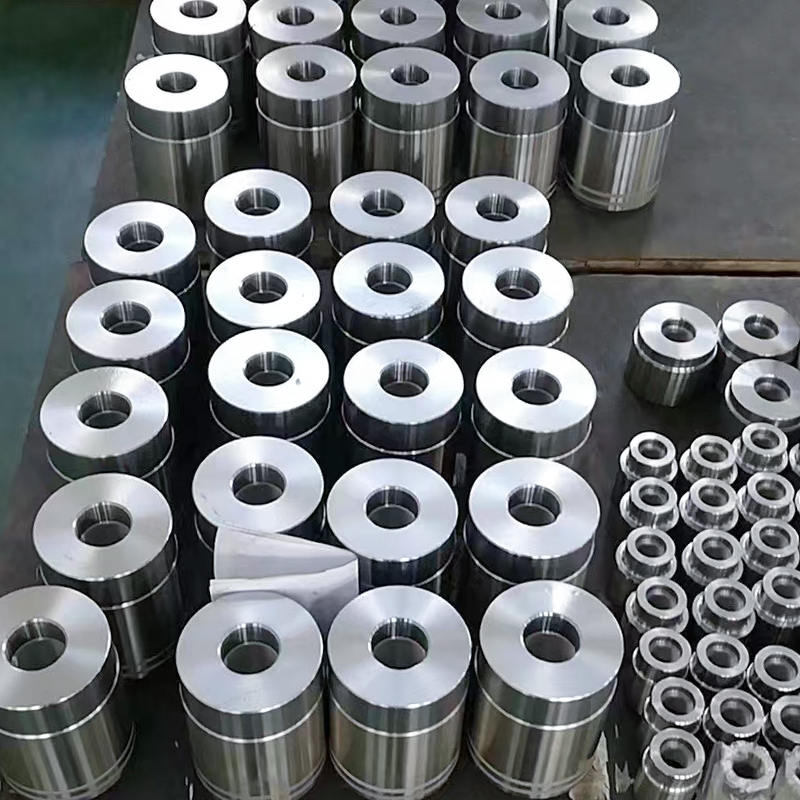 Nano-Alloy Coated Press-In Punch for Die CastingThis injection punch uses a nano-alloy coating to resist soldering and abrasive wear at high temperatures, extending service life and reducing downtime in high-volume die casting operations.View Product →
Steel Rings and Small Accessories
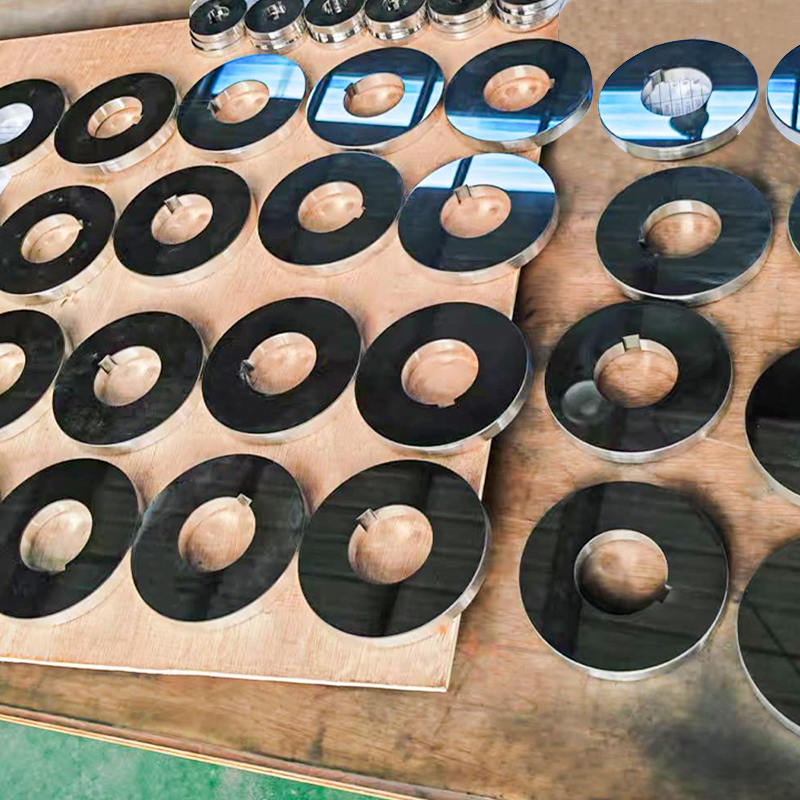
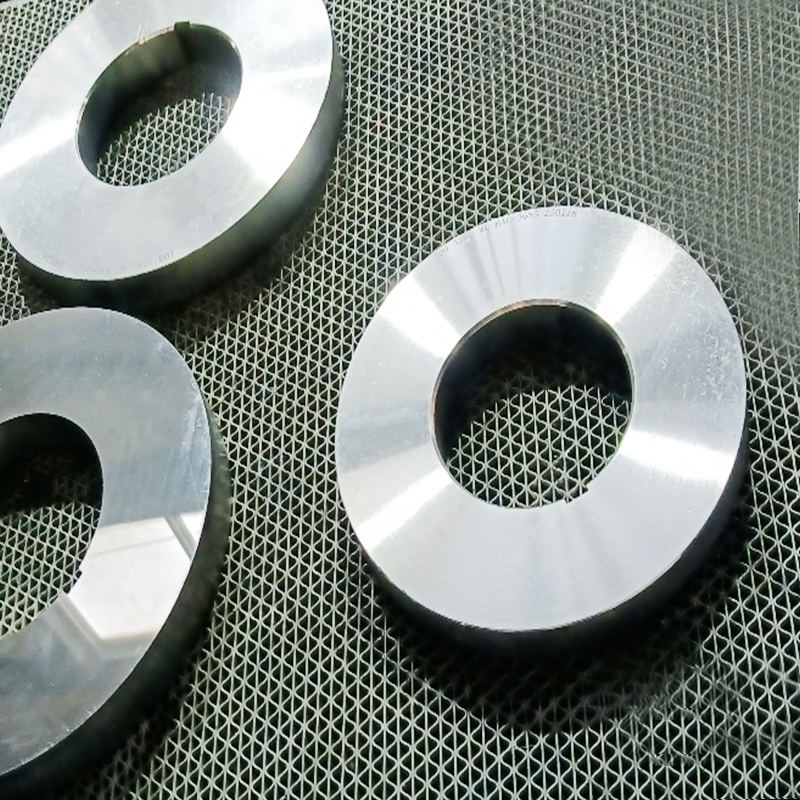
Steel rings and other die casting accessories may seem minor because they are relatively small, yet they are exposed to the same melt, and their failure stops a line just as fast. Applying a thermal spray coating to these components reduces adhesion and lengthens the replacement interval, a meaningful advantage when production runs are measured in hundreds of thousands of shots. For a closer look at how these parts behave, see how die casting steel rings are applied across machinery, automotive, and related industries.
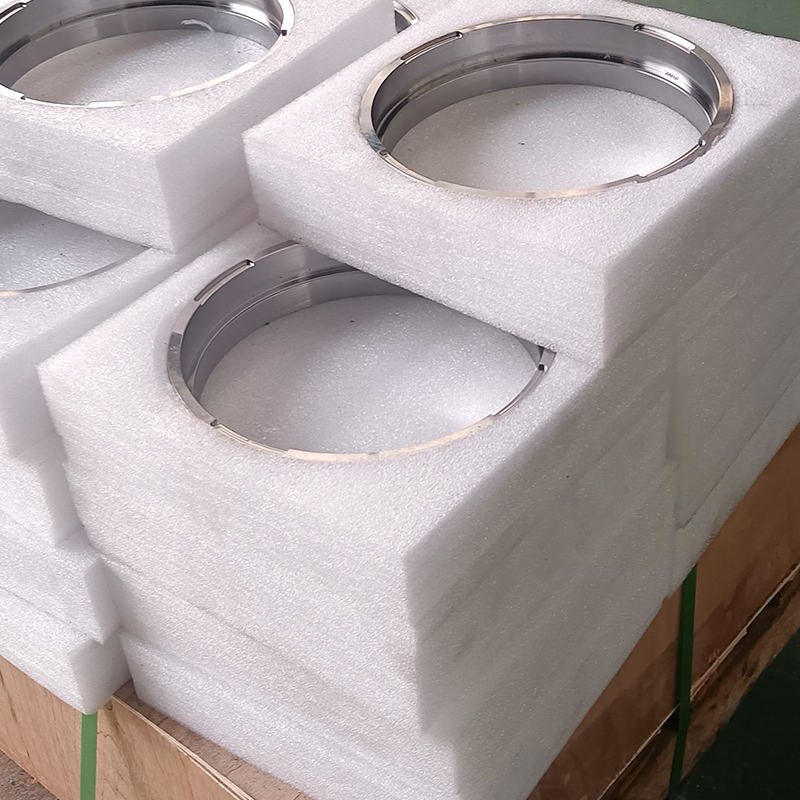 Nitride-Treated Die-Casting Steel RingThis steel ring features high hardness and a thick nitride layer, designed to withstand high load, high-speed friction, and corrosion, improving equipment performance and reducing maintenance costs.View Product →
Feedstock for In-House Coating
Some plants run their own spray facilities and need a reliable feedstock rather than a full coating service. Specifying the coating ingredients separately gives you control over the coating composition while holding the material supplier responsible for quality. This approach suits shops with qualified spray operators and in-house process control.
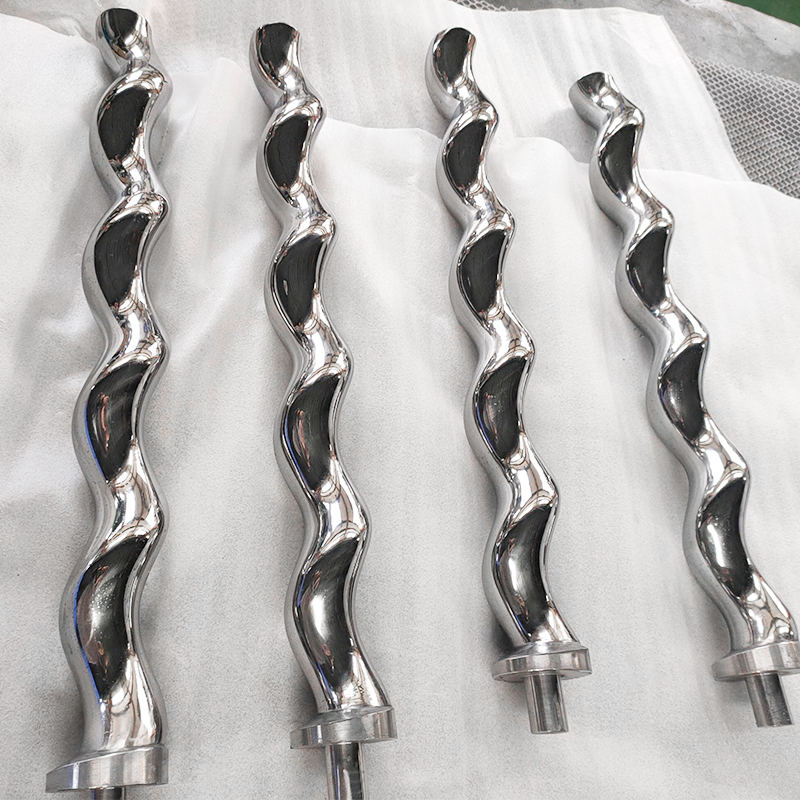
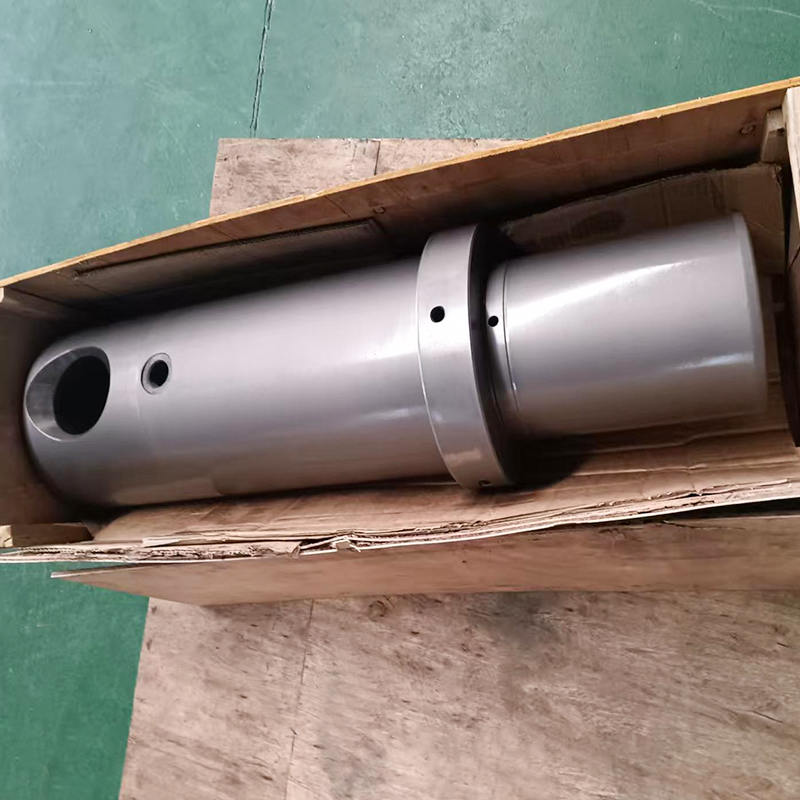 Nano-Alloy Coating Ingredients for In-House SprayingThese coating ingredients enable in-house thermal spray shops to apply wear- and heat-resistant nano-alloy layers on components like barrels, enhancing durability and operational smoothness.View Product →
The common principle is simple: any tool surface that touches molten metal is a candidate for a thermal spray coating. The economics follow the most basic logic in manufacturing. It costs less to coat a component than to replace it, especially when the alternative is unplanned downtime in the middle of a production run.
Choosing a Coating Partner for Die Casting
Coating quality in die casting is not determined by the powder alone. It depends on surface preparation, spray parameters, thickness control, and post-spray inspection. A coating that is too thin wears through early; one that is too thick can spall under thermal cycling. Both failure patterns look like coating failures but are actually specification or application failures.
A reliable partner brings documented experience in die casting tooling and a process-controlled production environment. Management system certifications such as ISO 9001 indicate that quality is held repeatably across batches. The shop should be able to recommend a coating based on your specific failure mode rather than defaulting to one product, and its production capacity must match your turnaround needs. Our die-casting industry coating solutions page covers the selection of thermal spray coatings for this sector in more detail.
The decision to use coating for die casting should be made on the same basis as any other production decision: cost per part produced. If soldering, washout, or heat checking is shortening tool life, a thermal spray coating will almost always raise the number of shots per tool. The lowest-priced coating is seldom the least expensive after downtime and rework are counted, so ask for coating thickness reports, porosity data, and reference parts before committing. The surest way to verify the benefit is to document current failure modes, coat one tool or component, and compare it with an uncoated unit under identical production conditions. That comparison will tell you in numbers whether the coating has earned its place in your process.

 TOP
TOP