
 ENG
ENG
 English
 عربى
عربى Español
 中文简体
中文简体
A gas turbine blade or a heat-treatment furnace fixture can experience metal surface temperatures that push the material close to its oxidation and creep limits before the expected service interval ends. A ceramic thermal barrier coating, made up of a topcoat and a bond coat, reduces that metal temperature by roughly 100 to 200 °C. The result is a longer service life, lower maintenance frequency, and a more predictable maintenance schedule. This guide explains the coating system itself, the ways it fails, and the practical specifications that matter when you buy a ceramic thermal barrier coating as an outsourced surface treatment.
Content
The Structure Behind a Ceramic Thermal Barrier Coating
A ceramic thermal barrier coating is not a single sprayed layer. It is a system that uses two layers with separate jobs. The metallic bond coat, typically 50 to 100 µm thick, provides oxidation resistance and creates a rough surface that anchors the ceramic layer. The ceramic topcoat, normally 150 to 300 µm thick, is the heat barrier. It keeps heat away from the base metal and is also designed to tolerate strain because its expansion coefficient is selected to match the underlying substrate as closely as practical.
The system performs at its best when both layers are applied with controlled thickness and when the bond coat sits on a clean, properly prepared substrate.
| Layer | Typical thickness | Primary function |
|---|---|---|
| Bond coat | 50–100 µm | Oxidation resistance and adhesion |
| Ceramic topcoat | 150–300 µm | Thermal insulation and strain compliance |
Why Ceramic Thermal Barrier Coatings Fail
The failure modes of a thermal barrier coating are not random. They follow clear mechanisms, and understanding them helps a buyer design a coating that will survive its working environment.
Thermally Grown Oxide Growth
The bond coat oxidizes under operation. At first, this thin oxide layer helps adhesion, but as it grows beyond roughly 5 to 10 µm, the interface becomes weak. The topcoat can spall when this thermally grown oxide thickens. Coating life is therefore controlled by how fast the oxide layer grows, not only by the topcoat material.
Thermal Shock
Rapid temperature changes create strain between the ceramic layer and the metal substrate. Zirconia-based coatings tolerate this better than most ceramics, but repeated cycles still produce cracks. Poor initial surface preparation makes the problem worse.
Sintering
At temperatures above about 1200 °C, the zirconia microstructure can sinter. Porosity drops, thermal conductivity increases, and the coating becomes stiffer. That reduces its insulating value and its ability to follow the metal as it expands and contracts. The practical effect is that a coating can lose its performance advantage even before it visibly cracks.
How to Select a Ceramic Material for a High-Temperature Part
Yttria-stabilized zirconia is the default choice for most industrial thermal barrier coatings because its thermal conductivity is low and its thermal expansion coefficient is close to that of high-temperature metals. It is not the only option.
| Ceramic material | Max service temp | Thermal conductivity | Key strength | Key limitation |
|---|---|---|---|---|
| YSZ (ZrO2-8%Y2O3) | ~1250 °C | 2.0–2.5 W/m·K | Low conductivity, proven process | Sintering above 1200 °C |
| Mullite | ~1500 °C | 3.0–4.0 W/m·K | Thermal shock resistance | Higher conductivity, lower strain tolerance |
| Alumina | ~1600 °C | 4.0–6.0 W/m·K | Hardness and chemical stability | Expansion mismatch with metal |
| Rare-earth zirconate | ~1300 °C | 1.0–1.5 W/m·K | Very low conductivity | Lower mechanical toughness |
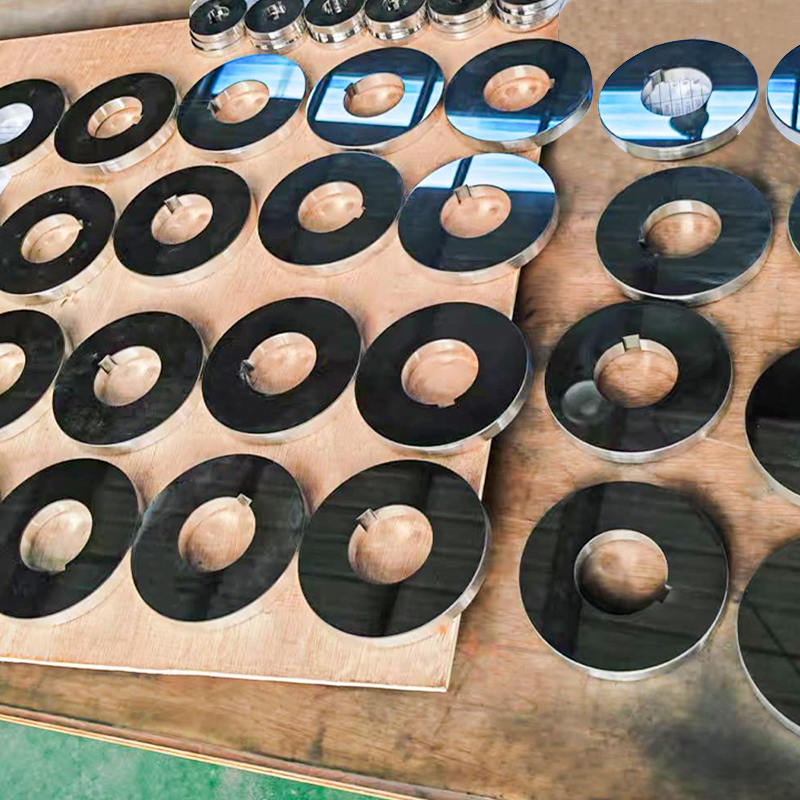
For parts that combine high temperature with severe wear or corrosion, a ceramic coating can also be applied over a tungsten carbide or other hard-facing base layer. The result is a surface that resists both heat and abrasive attack. For a broader view of why thermal management matters in production parts, see how ceramic thermal spray coatings improve thermal resistance in manufacturing.
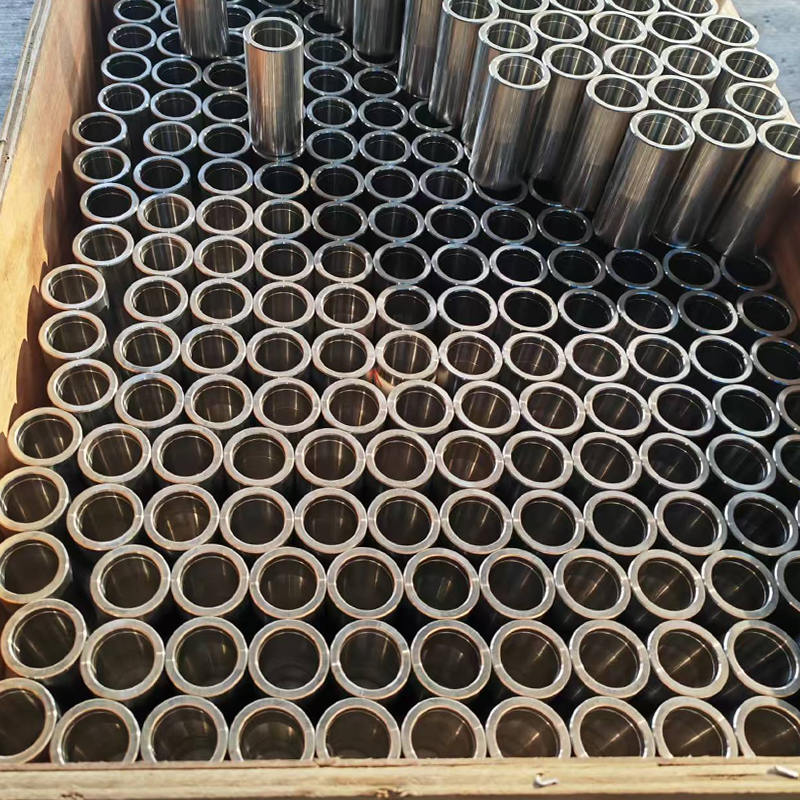
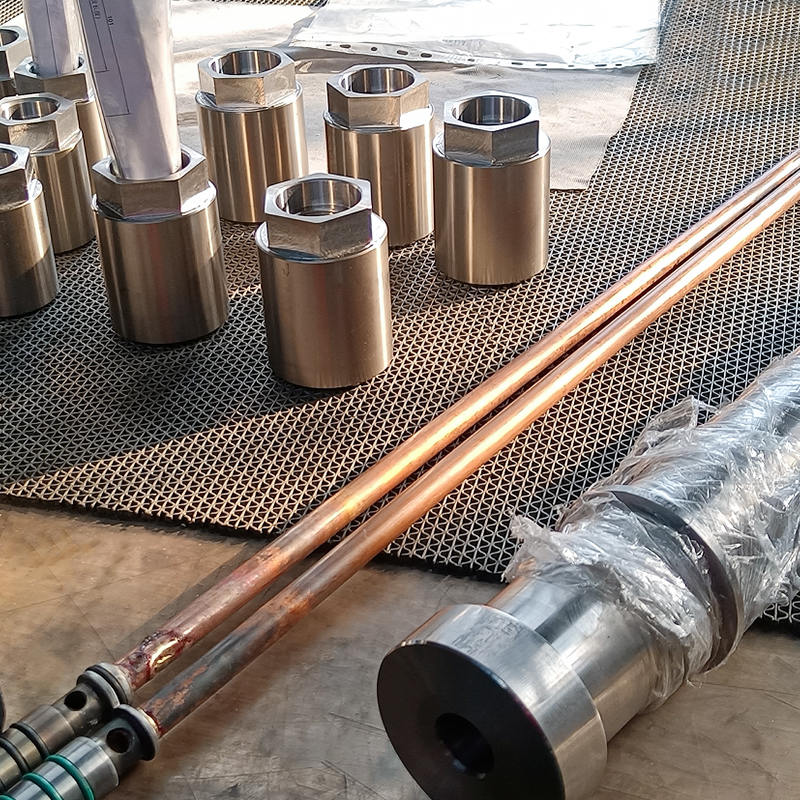 High-Temperature Resistance PipeHigh-temperature resistance above 1000℃; High hardness, HRC70 or above; Aluminum water erosion resistance, reduced pits; The overall thickness of the composite materia...View Product →
How the Deposition Method Affects Coating Performance
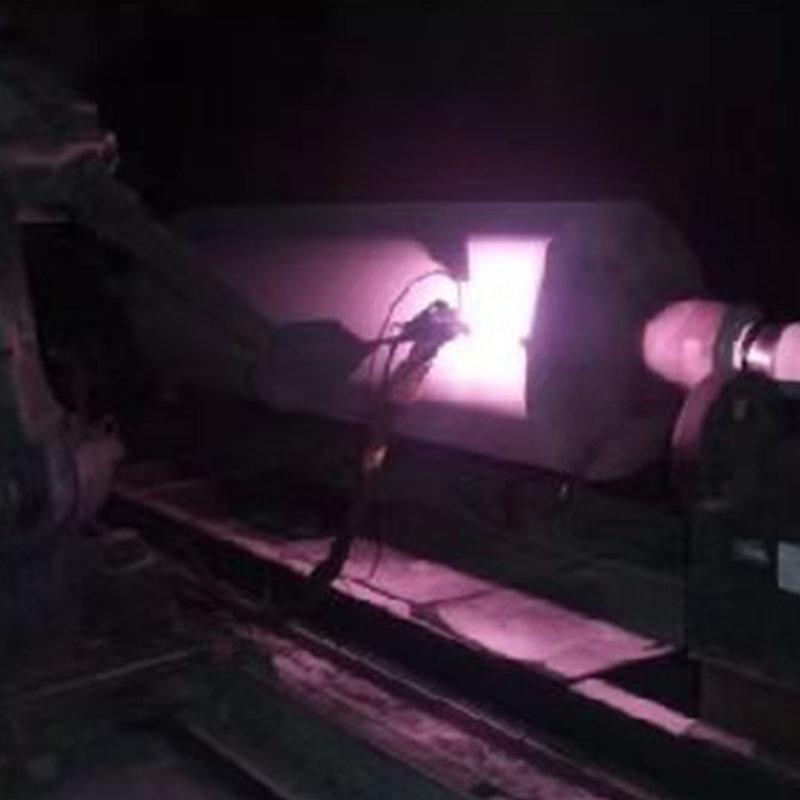
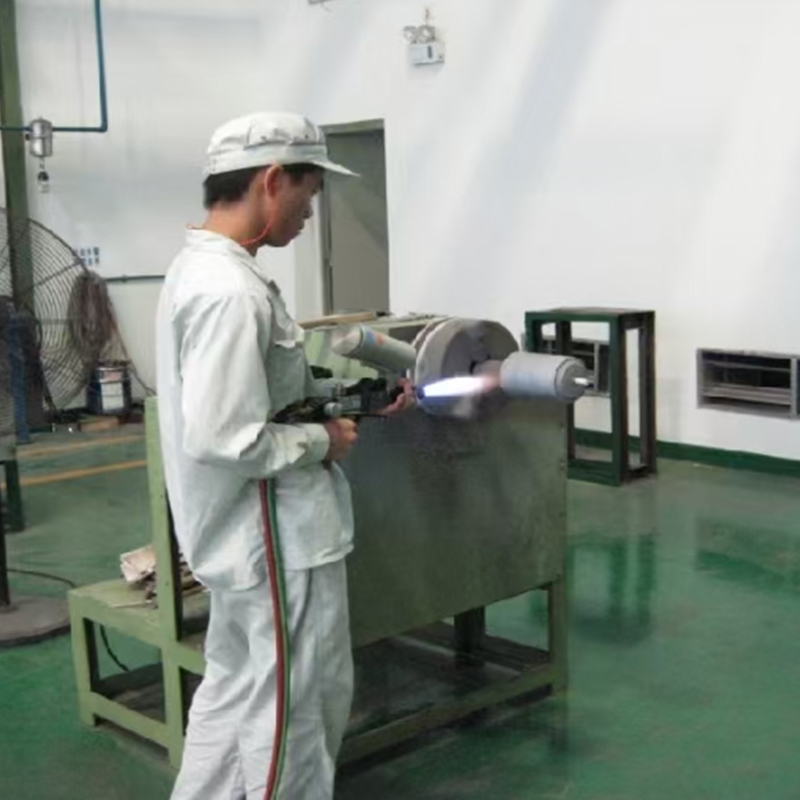
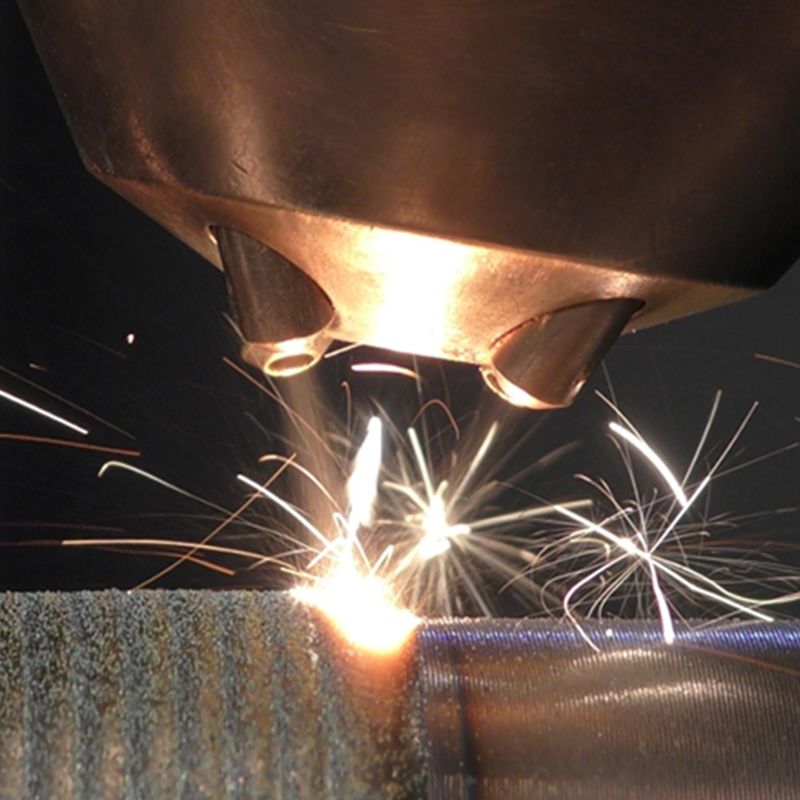
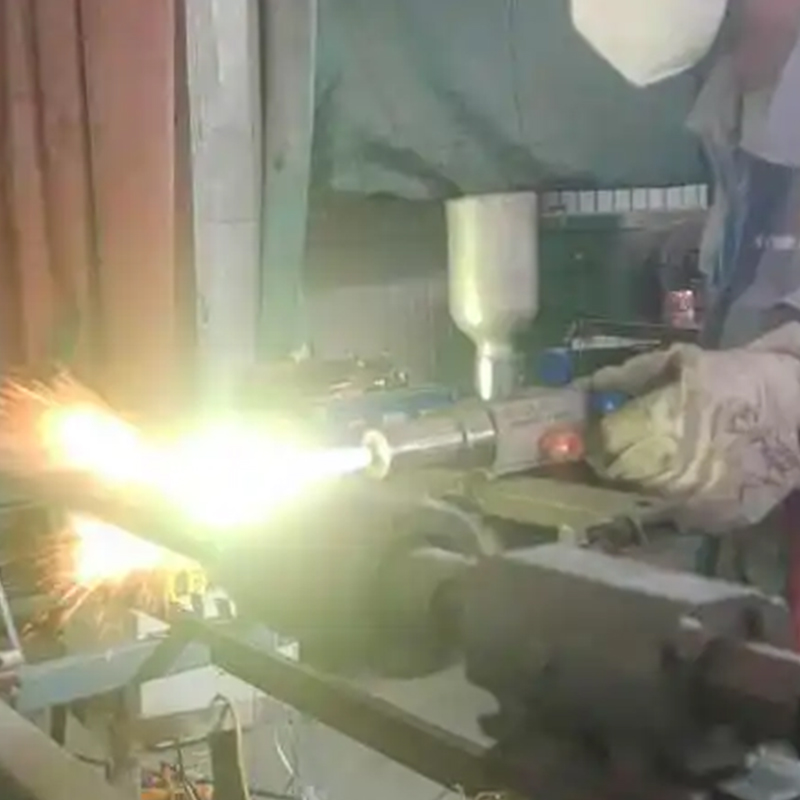
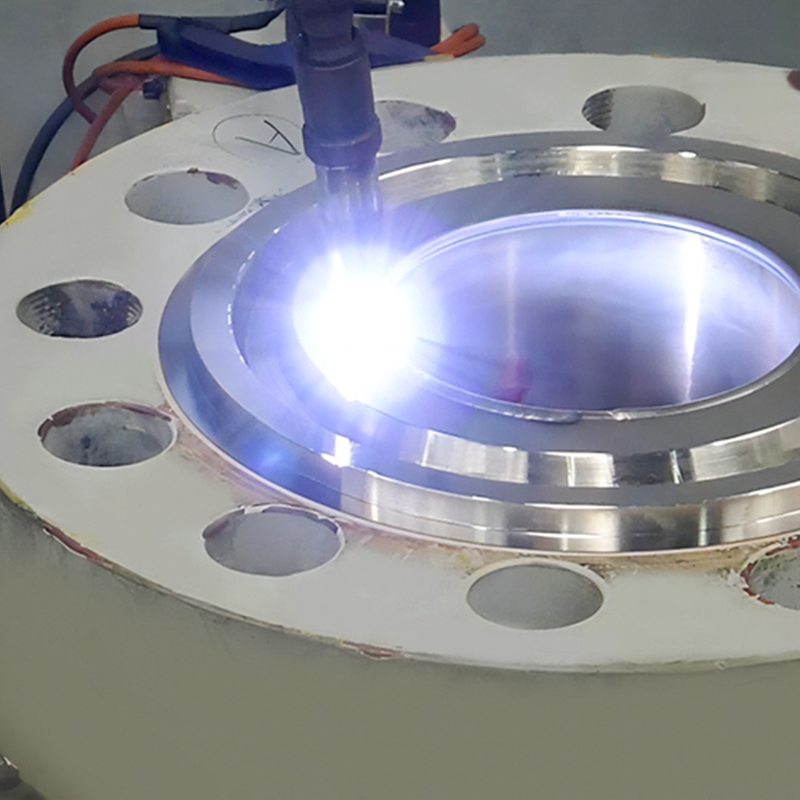
Air plasma spray is the standard method for industrial ceramic thermal barrier coatings. It produces a pancake-like microstructure with 8 to 15 percent porosity, which lowers thermal conductivity. The trade-off is that the same pores can reduce erosion resistance. Electron beam physical vapor deposition creates a columnar structure that is more tolerant to thermal shock, but the process is expensive and rarely justified for most industrial components. Suspension plasma spray and solution precursor plasma spray produce very fine microstructures and even lower thermal conductivity, but these methods are still limited in production availability.
What matters in practice is consistency. Powder size distribution, feed rate, plasma gas flow, spray distance, and substrate temperature all affect porosity and bond strength. A reputable shop records these parameters for every batch.
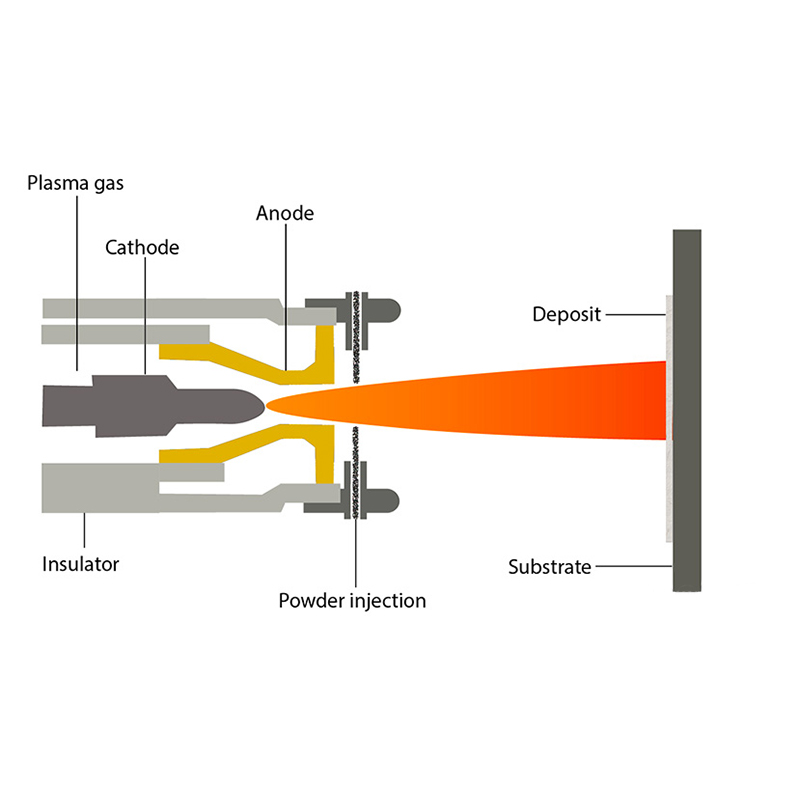 Plasma Spray-Coating TechnologyPlasma spraying is a thermal spraying method that uses a non-transferable plasma arc as the heat source, with powder as the sprayed material. Commonly used process met...View Product →
Practical Specifications When Buying a Ceramic Thermal Barrier Coating
When the coating is procured from an outside thermal spray manufacturer, the engineering specifications should protect the buyer from underperforming coatings. There are four points that have the greatest impact on the final result.
- Coating thickness: confirm the final target thickness and tolerances. Ceramic topcoats are normally 150 to 300 µm, but a tolerance of ±50 µm is often expected on parts with demanding running clearances.
- Porosity level: 8 to 15 percent is typical for plasma-sprayed ceramic. If the part also faces liquid erosion, request a tighter upper limit.
- Surface preparation: specify that the bond coat starts only after clean grit blasting with a defined roughness range. A blasting step that is too light can cause poor adhesion.
- Verification: ask for test coupons from the same production run, including metallographic cross-section measurement and bond strength test results.
These checks guard against common problems in real purchasing decisions, such as coatings that fail after a few thermal cycles or bond coats that oxidize too quickly.
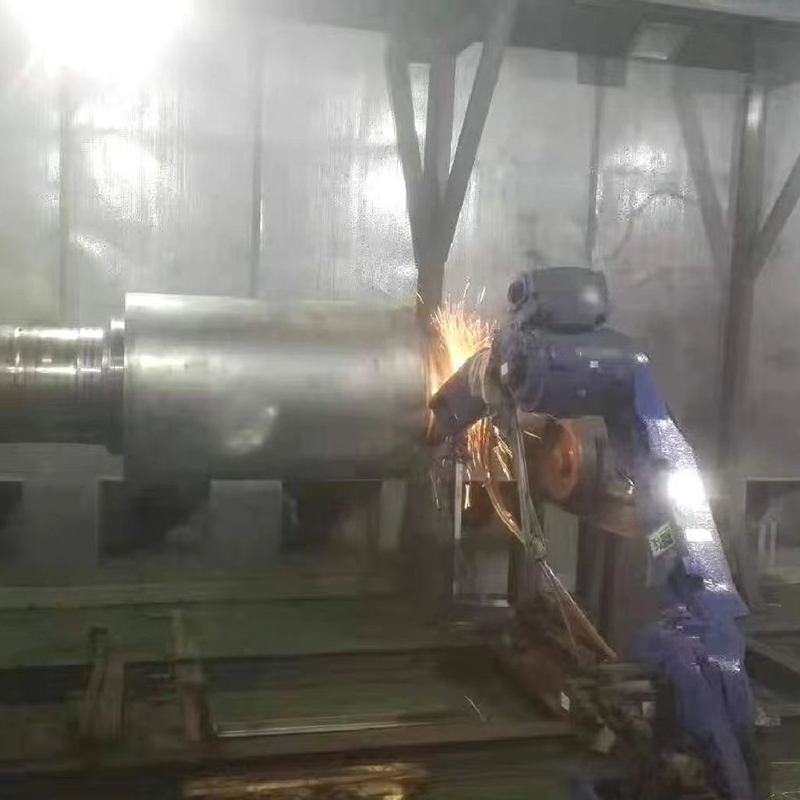
Batch repeatability is the final point that buyers often overlook. Spray parameters can vary if a shop has no documented procedures or if it relies on a single manual booth. A dedicated thermal spray production base with multiple lines and controlled spray cells makes it easier to keep process conditions consistent from batch to batch.
For valve bodies and other parts exposed to both high temperature and corrosive media, the same principles apply. In the petrochemical sector, coated valve components need to meet these specifications to avoid premature replacement.
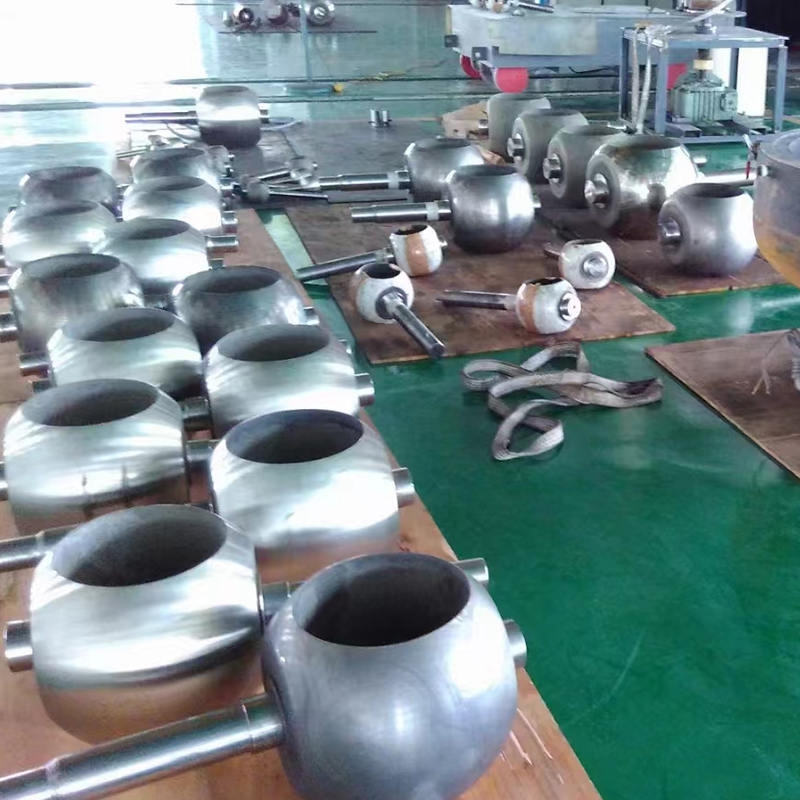 Valve body (sprayed tungsten carbide)Serve: Our company sprays tungsten carbide and ceramic coatings on the surface of the valve body and related valve accessories.View Product →
In petrochemical service, thermal spray solutions for the petrochemical industry rely on carefully prepared surfaces, qualified coating materials, and tested batch performance.
The value of a ceramic thermal barrier coating is most visible over the full life of the part. The insulation it provides lowers the metal temperature, delays oxide growth, and reduces the number of unplanned stops. Yet that value only appears when the coating is selected and applied with the right materials, the right process, and the right specifications. A shop that can control all three is the shop you need on the supplier list.

 TOP
TOP