
 ENG
ENG
 English
 عربى
عربى Español
 中文简体
中文简体
Content
- 1 What Are Die-Casting Steel Rings and Why Do They Matter
- 2 Applications in Machinery Manufacturing
- 3 Die-Casting Steel Rings in the Automotive Industry
- 4 Aerospace Applications of Die-Casting Steel Rings
- 5 Performance Comparison: Die-Casting vs. Alternative Manufacturing Methods
- 6 Quality Control and Standards Governing Die-Casting Steel Rings
- 7 Emerging Developments in Die-Casting Steel Ring Technology
What Are Die-Casting Steel Rings and Why Do They Matter
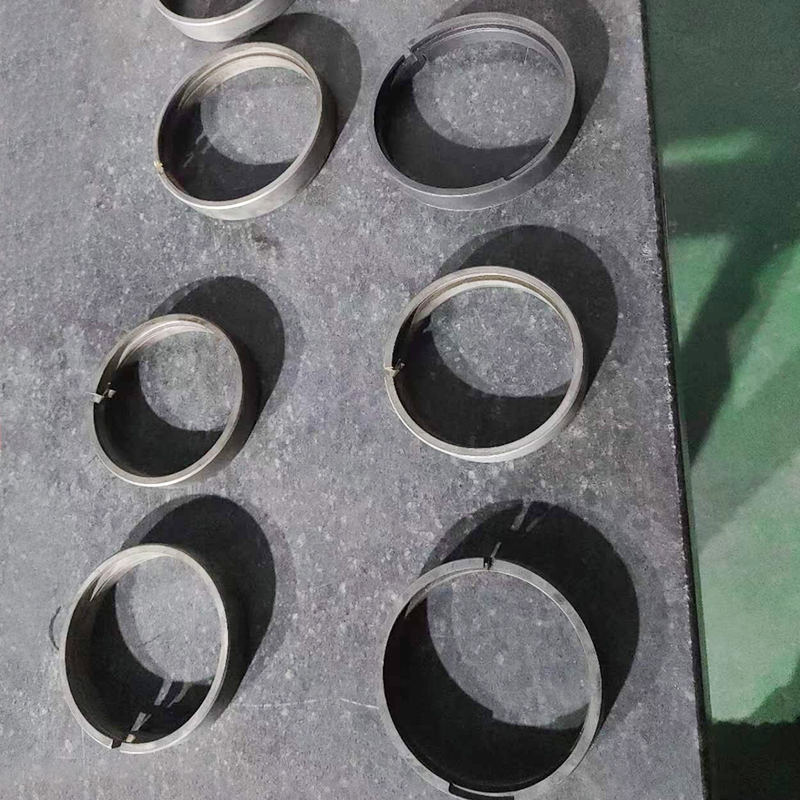
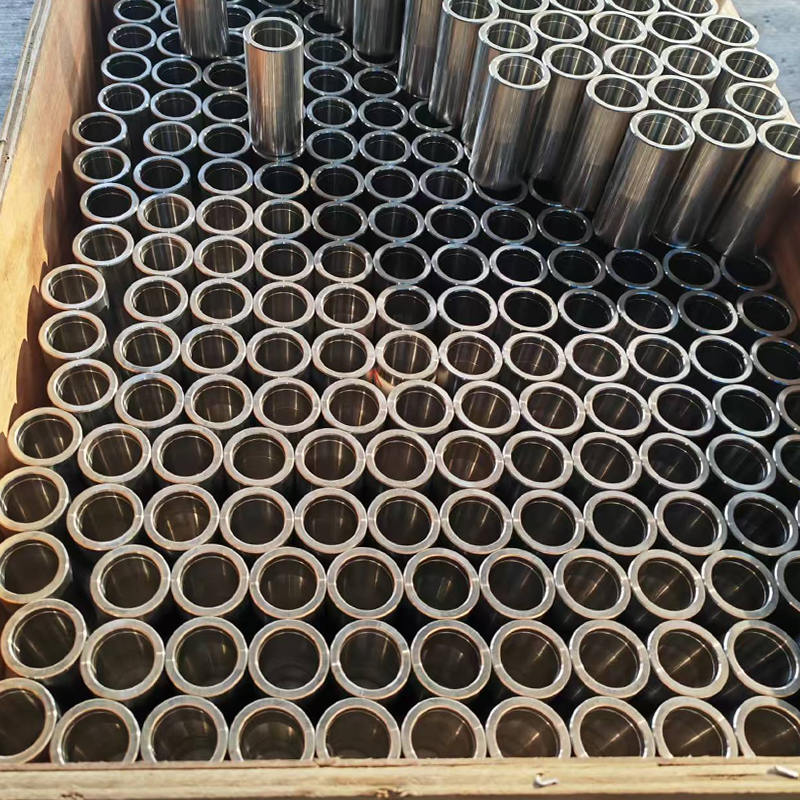
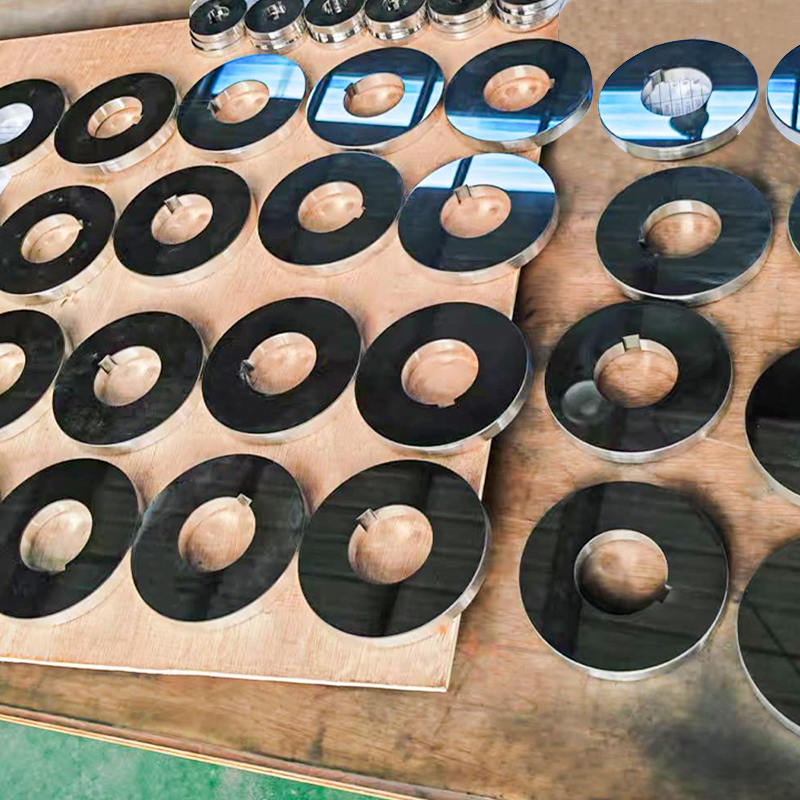
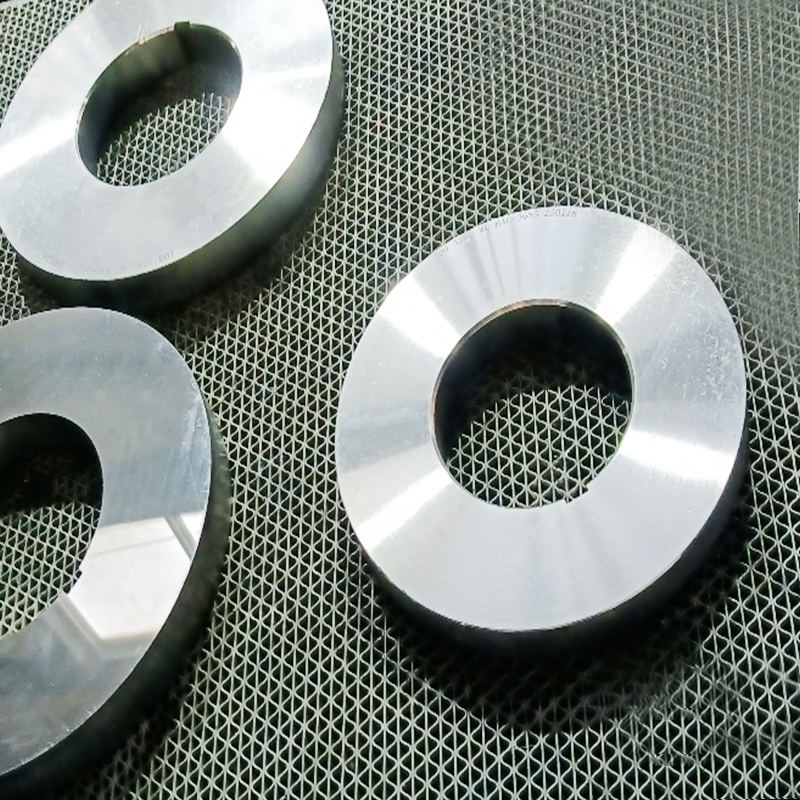
Die-casting steel rings are precision-engineered annular components produced by forcing molten steel alloy under high pressure into a hardened steel mold cavity. Unlike forged or machined rings produced from solid bar stock, die-cast rings can be formed into complex geometries in a single production cycle, with near-net-shape dimensions that minimize post-process machining. The result is a component that combines high dimensional accuracy, excellent surface finish, consistent metallurgical properties, and cost-effective production at scale—qualities that make die-casting steel rings indispensable across multiple heavy-duty industrial sectors.
The defining advantage of die-casting over alternative forming methods lies in the combination of pressure, speed, and mold precision. Injection pressures typically range from 10 to 175 MPa, forcing steel into every detail of the mold cavity before solidification occurs. This produces rings with wall thickness uniformity, controlled grain structure, and mechanical properties—tensile strength, hardness, fatigue resistance—that are repeatable from part to part across production runs of thousands of units. For industries where a single component failure can result in catastrophic equipment damage or loss of life, that consistency is not a convenience; it is a fundamental engineering requirement.
Applications in Machinery Manufacturing
Machinery manufacturing encompasses an enormous range of equipment—industrial presses, CNC machine tools, conveyor systems, gearboxes, hydraulic actuators, and heavy construction machinery—all of which rely on ring-shaped components to transmit torque, contain pressure, guide moving elements, or provide structural support. Die-casting steel rings are used in this sector because they satisfy the conflicting demands of high load capacity, tight dimensional tolerances, and economic production volumes simultaneously.
Gear Rings and Ring Gears in Power Transmission
Ring gears—large-diameter gear rings with internal or external tooth profiles—are among the most structurally demanding components in industrial gearboxes and planetary drive systems. Die-casting allows the ring gear blank to be formed with the approximate tooth profile already present, reducing the amount of gear-cutting and grinding required to achieve final tooth accuracy. The uniform grain structure produced during controlled die-casting solidification contributes to the fatigue strength of the tooth roots, where bending stresses during power transmission are highest. In heavy industrial applications such as cement kiln drives, mill pinion gearboxes, and crane hoisting mechanisms, die-cast steel ring gears routinely handle transmitted torques exceeding 500 kN·m.
Bearing Rings and Seal Housings
Bearing outer rings, inner rings, and the seal housings that retain lubricant and exclude contaminants from rolling element bearing assemblies represent another high-volume application. Die-casting produces these components with the bore and outer diameter surfaces already close to final dimension, with concentricity and roundness tolerances achievable within 0.05–0.15 mm before final grinding. In machinery operating under high radial and axial loads—paper mill rolls, mining crusher bearings, and industrial pump shaft assemblies—the consistent wall thickness of die-cast bearing rings ensures uniform load distribution around the rolling element raceway, preventing the stress concentrations that cause premature spalling failure.
Die-Casting Steel Rings in the Automotive Industry
The automotive sector is one of the largest consumers of die-cast steel rings globally, driven by the twin imperatives of mass production efficiency and the stringent safety standards that govern every structural and drivetrain component in a passenger vehicle. From the engine block to the wheel hub, ring-form steel components appear throughout the vehicle, and die-casting provides the production economics and dimensional repeatability that mass-market automotive manufacturing demands.
Synchronizer Rings in Manual Transmissions
Synchronizer rings are critical components in manual gearboxes, responsible for matching the rotational speeds of the input shaft and the selected gear before engagement occurs—a process that prevents gear clash and protects transmission internals. These rings are subjected to cyclical friction loading every time the driver changes gear, demanding a material with high hardness on the friction cone surface combined with adequate toughness in the body to resist fatigue cracking. Die-casting steel alloys containing chromium and molybdenum additives provide this combination, and the die-casting process itself allows the complex internal geometry—spline teeth, oil groove channels, and cone taper angles—to be formed in a single operation with the precision required for reliable synchronizer function.
Piston Rings and Engine Sealing Components
While traditional piston rings are often produced by casting and machining, die-casting techniques are increasingly applied to produce ring blanks for high-performance engine applications where dimensional consistency across large production batches is paramount. Die-cast piston ring blanks maintain tighter bore diameter tolerances than sand-cast equivalents, reducing the grinding allowance required to achieve the final gap and radial pressure specifications that determine how effectively the ring seals combustion gases and controls oil consumption. In turbocharged and direct-injection engines operating at elevated cylinder pressures, this dimensional consistency directly affects fuel efficiency and emissions performance.
Wheel Hub Bearing Units and ABS Sensor Rings
Modern wheel hub bearing units integrate the bearing inner and outer rings with the hub flange and ABS (anti-lock braking system) sensor ring into a compact assembly. The ABS sensor ring—a toothed or encoded steel ring pressed onto the bearing inner race—generates the magnetic pulse signal that the ABS control unit uses to monitor wheel speed and detect impending lockup. Die-casting produces these encoder rings with the tooth profile geometry and dimensional consistency required for accurate signal generation at wheel speeds from near-zero to highway velocities, across temperature ranges from −40°C to +150°C in the wheel environment.
Aerospace Applications of Die-Casting Steel Rings
Aerospace represents the most demanding environment in which die-casting steel rings are applied. Components must perform reliably across extreme temperature ranges, under high cyclic loading, often in the presence of corrosive fuels or hydraulic fluids, and with zero tolerance for in-service failure. The aerospace industry's adoption of die-casting steel rings reflects the technology's ability to produce components that meet these requirements while supporting the weight reduction and production consistency objectives that govern modern aircraft design.
Turbine Engine Containment and Casing Rings
Gas turbine engines used in commercial and military aircraft incorporate multiple ring-form steel components in their compressor and turbine sections. Casing rings, stator vane carriers, and containment rings surround the rotating blade stages and must maintain precise concentricity with the rotor under thermal expansion conditions that vary from cold-soak ground starts to sustained high-altitude cruise at operating temperatures exceeding 600°C. Die-cast steel rings used in these positions are typically produced from high-alloy steels—containing nickel, chromium, cobalt, and tungsten—that retain their mechanical properties and dimensional stability across this full thermal cycle. The die-casting process provides the near-net-shape geometry that minimizes machining of these difficult-to-cut alloys, reducing both production cost and the risk of introducing machining-induced residual stresses that could compromise fatigue life.
Actuator and Landing Gear Structural Rings
Landing gear assemblies experience the highest single-event load of any airframe component—the impact load at touchdown, which can reach multiples of the aircraft's maximum gross weight concentrated over a fraction of a second. Steel rings used as trunnion bearings, actuator end fittings, and structural junction elements in landing gear assemblies must combine very high ultimate tensile strength (typically 1,400–1,700 MPa) with sufficient fracture toughness to survive impact without catastrophic crack propagation. Die-casting followed by controlled heat treatment achieves this combination more consistently than conventional casting processes, which are vulnerable to porosity defects that act as crack initiation sites under impact loading.
Performance Comparison: Die-Casting vs. Alternative Manufacturing Methods
Understanding why die-casting steel rings are selected over alternative production methods requires comparing the key performance attributes across different manufacturing processes:
| Attribute | Die-Casting | Sand Casting | Forging | Machining from Bar |
| Dimensional Accuracy | Very High | Moderate | High | Very High |
| Complex Geometry | Excellent | Good | Limited | Excellent |
| Material Utilization | High | Moderate | High | Low |
| Production Speed | Very Fast | Slow | Moderate | Slow |
| Porosity Risk | Low (with vacuum) | High | Very Low | None |
| Unit Cost at Volume | Low | Moderate | Moderate | High |
Quality Control and Standards Governing Die-Casting Steel Rings
Across all three industries discussed, die-casting steel rings must comply with rigorous quality standards that govern material composition, mechanical properties, dimensional tolerances, and non-destructive testing requirements. The specific standards applicable depend on the industry and application:
- Machinery manufacturing: ISO 683 (heat-treatable steels), ISO 6336 (gear load capacity), and DIN 3990 for gear ring applications; dimensional tolerances per ISO 286 system.
- Automotive: IATF 16949 quality management system; material specifications per SAE J404 or DIN EN 10083; ABS encoder rings tested per ISO 26262 functional safety requirements.
- Aerospace: AS9100 quality management system; material traceability per AMS (Aerospace Material Specifications); non-destructive inspection per ASTM E1444 (magnetic particle) or ASTM E1816 (ultrasonic) to detect subsurface defects.
- Vacuum-assisted die-casting processes are increasingly mandated for aerospace and safety-critical automotive applications, as they reduce internal gas porosity to levels acceptable for radiographic inspection to ASTM E505 or equivalent standards.
- Post-casting heat treatment—solution annealing, quenching, and tempering—is specified for high-alloy steel rings to achieve the combination of hardness and toughness required in service, with mechanical property verification by sample tensile and Charpy impact testing from each production batch.
Emerging Developments in Die-Casting Steel Ring Technology
The application scope of die-casting steel rings continues to expand as process technology advances. Semi-solid metal (SSM) die-casting—in which the steel feedstock is processed to a thixotropic semi-solid state before injection—reduces turbulence during mold filling, further decreasing porosity and improving mechanical property consistency. This technique is gaining adoption in aerospace and high-performance automotive applications where the cost premium is justified by the reduction in post-casting inspection rejection rates.
Additive manufacturing is being explored as a complementary technology for producing the complex steel tooling inserts used in die-casting molds, allowing conformal cooling channels to be integrated directly into the mold core and cavity. These channels improve cooling rate uniformity across the ring geometry, reducing residual stress and dimensional distortion in the as-cast part. For high-volume automotive production runs, the tooling investment in additively manufactured mold inserts is recovered within months through reduced scrap rates and extended mold service life. The convergence of advanced die-casting process control, high-performance steel alloys, and digital inspection technologies is steadily extending the performance ceiling of die-casting steel rings across all three of the industries discussed—making them an increasingly central component in the next generation of machinery, vehicles, and aircraft.

 TOP
TOP