
 ENG
ENG
 English
 عربى
عربى Español
 中文简体
中文简体
Content
- 1 What Is a Wear-Resistant Plunger and Why Does It Matter
- 2 Industries and Applications That Demand Wear-Resistant Plungers
- 3 Materials Used in Wear-Resistant Plunger Construction
- 4 Comparing Wear-Resistant Plunger Materials by Key Performance Attributes
- 5 Surface Finish Requirements and Their Effect on Seal Life
- 6 Selection Criteria for Wear-Resistant Plungers in Practice
- 7 Maintenance Practices That Extend Wear-Resistant Plunger Service Life
What Is a Wear-Resistant Plunger and Why Does It Matter
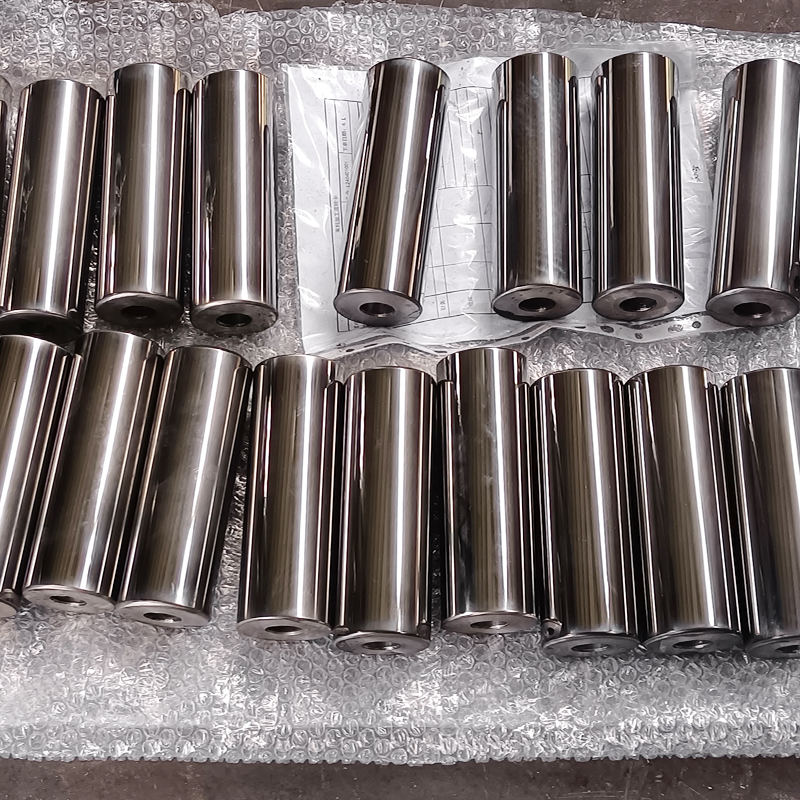
A plunger is a cylindrical reciprocating element that moves back and forth within a pump cylinder, valve body, or hydraulic actuator to displace fluid, generate pressure, or control flow. Unlike a piston—which relies on sealing rings riding against the cylinder wall—a plunger maintains a fixed diameter and is sealed by packing or seal elements that press against its outer surface as it travels. This configuration means the plunger surface itself is in constant, sliding contact with sealing materials while simultaneously being exposed to the fluid being pumped, which may carry abrasive particles, corrosive chemicals, or both.
In standard service conditions, conventional steel plungers wear progressively at the sealing interface and across their cylindrical surface, increasing clearance, allowing fluid bypass, and eventually causing seal failure and system pressure loss. A wear-resistant plunger addresses this through the use of hardened base materials, surface coatings, or ceramic technologies that dramatically reduce the rate of surface material removal—extending service intervals, reducing seal replacement frequency, and maintaining system performance over a much longer operational period than a standard plunger could sustain.
Industries and Applications That Demand Wear-Resistant Plungers
Wear-resistant plungers are not a specialty product for edge-case applications—they are a fundamental requirement wherever pumps and hydraulic systems must handle demanding media or operate under high pressure over extended continuous duty cycles. The industries that rely most heavily on them include:
- Oil and gas production: High-pressure triplex and quintuplex plunger pumps used for well stimulation (hydraulic fracturing), injection, and pipeline transfer handle fluids containing sand proppant, scale particles, and corrosive brine at pressures from 35 to over 140 MPa. Plunger wear in these applications directly determines frac pump operational availability and maintenance cost per well.
- Mining and mineral processing: Slurry transfer pumps, filter press feed pumps, and high-pressure water cannons used in ore processing and underground mining move fluids loaded with sharp mineral particles. Abrasion rates in these services are among the highest encountered in any industrial pump application.
- Ceramic and refractory manufacturing: High-pressure plunger pumps transfer ceramic slurries, glaze suspensions, and refractory pastes containing hard alumina, silica, and zirconia particles that aggressively abrade conventional plunger surfaces within hundreds of operating hours.
- Chemical and pharmaceutical processing: Metering and dosing pumps in chemical plants handle concentrated acids, alkalis, and reactive compounds that corrode standard steel plungers rapidly, requiring either corrosion-resistant alloys or protective surface treatments to maintain dimensional integrity.
- Water jetting and surface preparation: Ultra-high-pressure water jetting systems operating at 200–3,000 bar use intensifier plungers that cycle millions of times during their service life; surface hardness and dimensional stability are critical to maintaining sealing performance throughout this cycle count.
- Food and beverage processing: Homogenizer plungers operating at high pressure in dairy, juice, and sauce production require surfaces that are simultaneously wear-resistant, corrosion-resistant, and compliant with food-contact material regulations.
Materials Used in Wear-Resistant Plunger Construction
The material selection for a wear-resistant plunger determines its suitability for a given service environment. No single material excels across all abrasion, corrosion, pressure, and temperature conditions simultaneously, so engineers must match material properties to the specific combination of wear mechanisms present in their application.
High-Chrome Alloy Steel
Through-hardened and surface-ground high-chrome steel plungers (typically 17–4 PH or 440C stainless grades) offer a good balance of abrasion resistance, corrosion resistance, and machinability. These materials achieve surface hardness values of 55–60 HRC after heat treatment, providing substantial resistance to low-angle abrasive wear from fine mineral particles. They are widely used in chemical dosing pumps, water treatment systems, and general industrial service where the combination of mild abrasion and moderate corrosion is the primary wear mechanism. Their limitation is performance against coarse, angular abrasives—sharp silica or hard mineral particles can still abrade chrome steel surfaces at a rate that limits service life in mining or frac pump applications.
Tungsten Carbide (WC) Plungers
Tungsten carbide plungers represent the premium performance tier for abrasion resistance in plunger pump applications. Produced by sintering tungsten carbide particles in a cobalt or nickel binder matrix, these plungers achieve hardness values of 85–92 HRA (approximately 1,600–1,800 HV on the Vickers scale)—far exceeding any steel alloy. This extreme hardness makes tungsten carbide plungers highly resistant to both abrasive and erosive wear from hard mineral particles, and their compressive strength allows them to handle very high operating pressures without deformation.
Tungsten carbide plungers are the standard choice for hydraulic fracturing pump applications, high-pressure waterjet intensifiers, and ceramic slurry transfer systems. Their primary limitation is brittleness: tungsten carbide has low tensile strength and poor impact resistance compared to steel, making it vulnerable to cracking if subjected to shock loads, misalignment, or thermal shock from rapid temperature changes. Proper installation—including alignment verification, gradual warm-up procedures, and the use of compatible packing materials—is essential to realizing the full service life potential of tungsten carbide plungers.
Ceramic Plungers (Alumina and Zirconia)
Advanced ceramic plungers, primarily manufactured from alumina (Al₂O₃) or zirconia (ZrO₂), combine extreme hardness with excellent chemical inertness across a wide pH range. Alumina plungers achieve hardness values of 1,500–1,700 HV and are dimensionally stable at temperatures up to 1,600°C, making them suitable for high-temperature pump applications where metal plungers would soften and deform. Zirconia plungers offer higher fracture toughness than alumina—partially stabilized zirconia (PSZ) grades exhibit a stress-induced phase transformation toughening mechanism that gives them superior resistance to crack propagation under cyclic loading compared to alumina.
Ceramic plungers are particularly valued in pharmaceutical and food processing applications, where their chemical inertness eliminates any risk of metallic contamination of the product, and their smooth, non-porous surface finish resists bacterial adhesion and simplifies cleaning-in-place (CIP) procedures. They are also used in aggressive chemical service—concentrated sulfuric acid, hydrofluoric acid derivatives, and strong oxidizing agents—where even corrosion-resistant steel alloys would be attacked.
Thermal Spray and Hard Chrome Coating
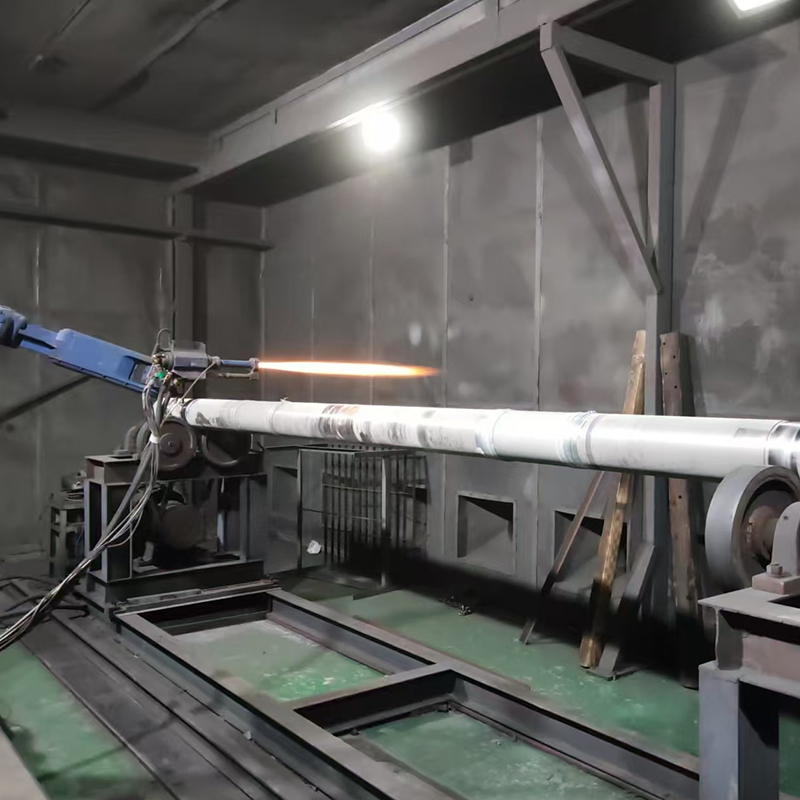
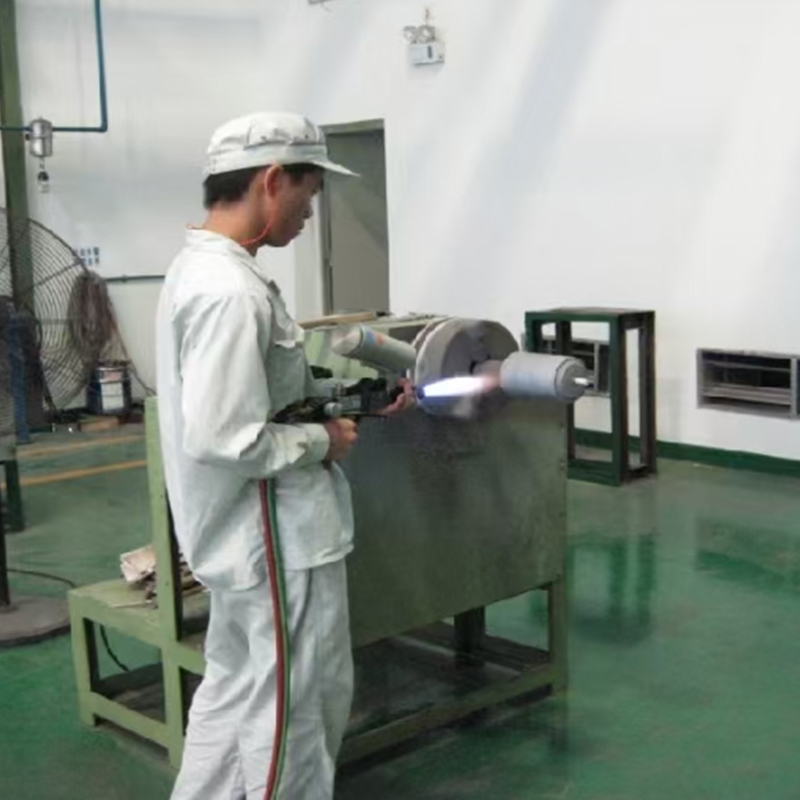
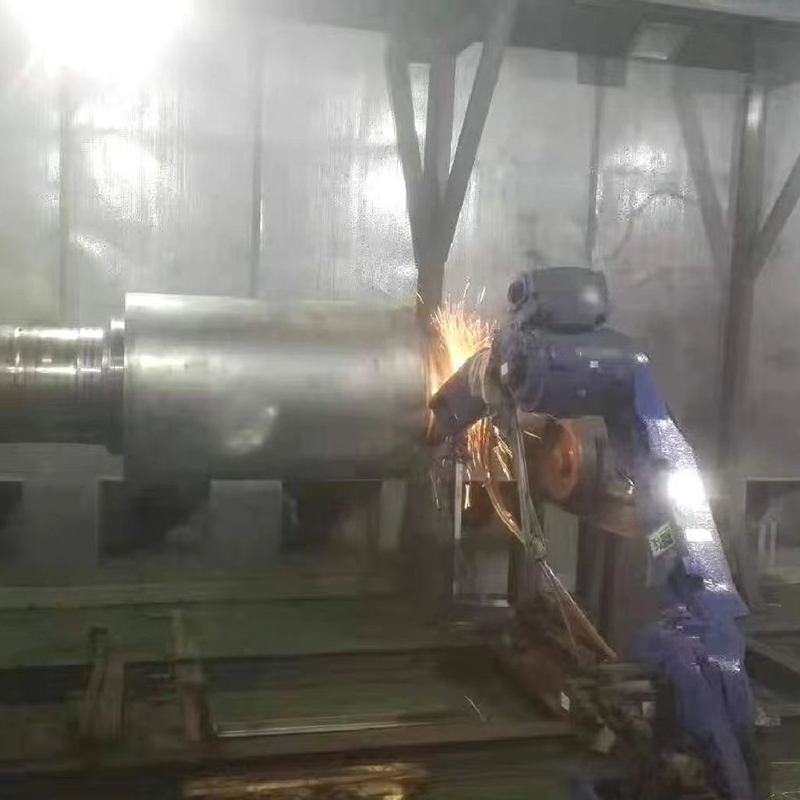
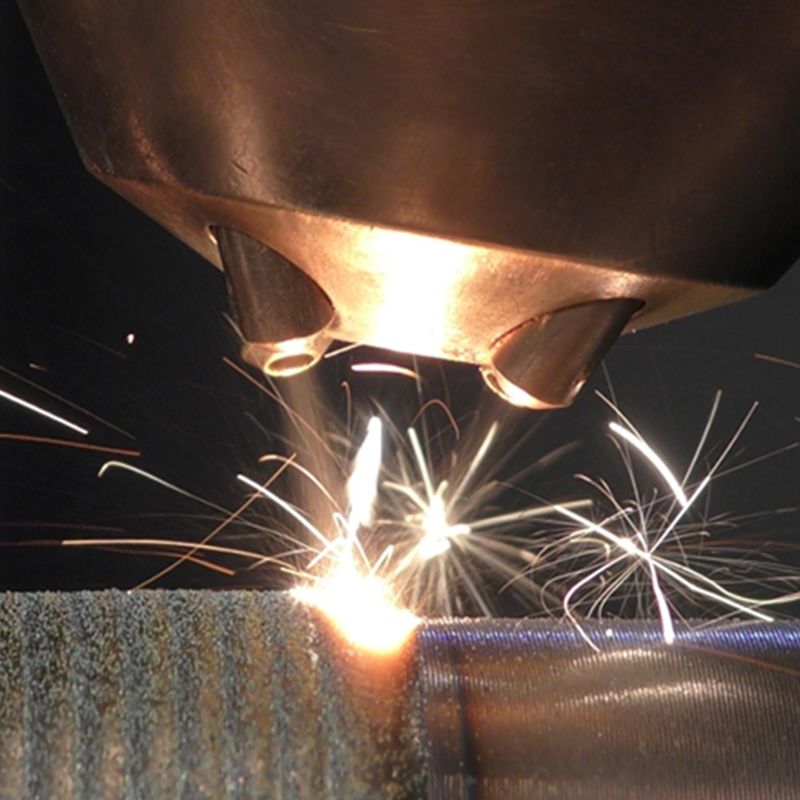
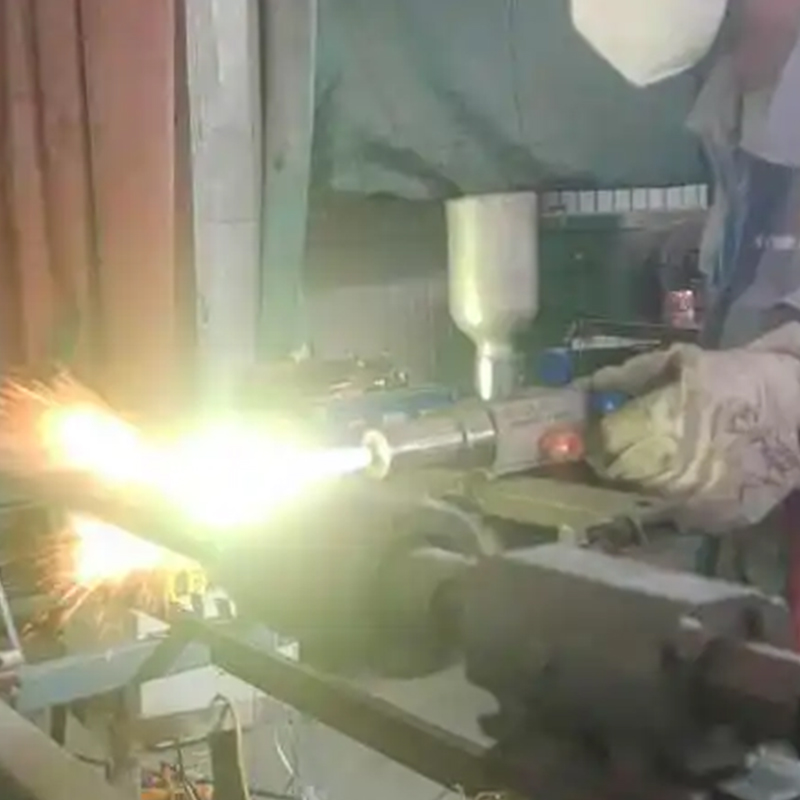
Rather than constructing the entire plunger from an exotic material, many applications use a steel core plunger with a wear-resistant surface coating applied by thermal spray processes (HVOF—High Velocity Oxygen Fuel, or plasma spray) or hard chrome electroplating. HVOF-sprayed tungsten carbide-cobalt (WC-Co) coatings produce dense, well-bonded layers with hardness exceeding 1,100 HV and porosity below 1%, combining the wear resistance of carbide with the toughness and machinability of a steel substrate. Hard chrome plating (typically 800–1,000 HV) has historically been the most widely used surface treatment for industrial plungers, though environmental regulations restricting hexavalent chromium use are driving conversion to HVOF coatings and alternative electroless nickel-based treatments in many markets.
Comparing Wear-Resistant Plunger Materials by Key Performance Attributes
Selecting the right wear-resistant plunger material requires balancing multiple performance dimensions against application-specific requirements and budget constraints. The table below summarizes the key attributes of the main material options:
| Material | Hardness (HV) | Abrasion Resistance | Corrosion Resistance | Impact Resistance | Relative Cost |
| High-Chrome Steel | 650–750 | Good | Good | Excellent | Low |
| Hard Chrome Plated Steel | 800–1,000 | Very Good | Good | Good | Low–Moderate |
| HVOF WC-Co Coated | 1,100–1,300 | Excellent | Very Good | Good | Moderate |
| Solid Tungsten Carbide | 1,600–1,800 | Outstanding | Very Good | Poor | High |
| Alumina Ceramic | 1,500–1,700 | Outstanding | Excellent | Poor | Moderate–High |
| Zirconia Ceramic (PSZ) | 1,200–1,400 | Excellent | Excellent | Moderate | High |
Surface Finish Requirements and Their Effect on Seal Life
The surface finish of a wear-resistant plunger has a direct and often underappreciated effect on the service life of the packing or seal elements that contact it. A surface that is too rough abrades the seal lips or packing rings at an accelerated rate, leading to premature seal failure and fluid leakage. A surface that is too smooth may not retain sufficient lubricant film in the contact zone, causing dry friction that generates heat and accelerates both seal wear and plunger surface degradation.
The optimal surface finish for most plunger pump packing applications falls in the range of Ra 0.2–0.4 μm (8–16 μin), achieved by precision centerless grinding followed by superfinishing or lapping. Tungsten carbide and ceramic plungers require diamond grinding wheels and lapping compounds to achieve this finish on their hard surfaces—conventional abrasive grinding wheels cannot produce the required surface quality on these materials. The roundness and cylindricity of the plunger are equally important: out-of-round plungers cause packing to flex cyclically as the plunger rotates and reciprocates, rapidly fatiguing the seal material even when the surface finish is otherwise acceptable.
Selection Criteria for Wear-Resistant Plungers in Practice
Choosing the right wear-resistant plunger for a specific application involves systematically evaluating the service conditions against the capabilities of available material options. The following criteria should be assessed in order of priority:
- Fluid abrasivity: Characterize the particle hardness (Mohs scale), concentration (% by weight or volume), and particle size distribution. Hard particles above 6 Mohs (quartz, alumina, garnet) at concentrations above 5% by weight demand tungsten carbide or ceramic plungers; softer particles at lower concentrations may be adequately handled by coated steel.
- Fluid corrosivity: Identify the pH, chloride content, and presence of oxidizing agents or sulfur compounds. Strongly acidic or alkaline fluids at extreme pH values require ceramic or high-alloy steel plungers; mildly corrosive fluids can be handled by chrome-plated or HVOF-coated steel.
- Operating pressure and cyclic loading: High-pressure applications above 70 MPa with high cycle frequencies impose significant fatigue loading on plunger materials. Tungsten carbide and ceramics are susceptible to fatigue cracking under tensile stress; ensuring the plunger remains in compression throughout its operating cycle through proper design is essential.
- Temperature range: Confirm that the selected plunger material retains its hardness and dimensional stability across the full operating temperature range, including cold start and maximum process temperature conditions.
- Total cost of ownership: Calculate the cost per operating hour rather than the upfront purchase price. A tungsten carbide plunger costing five times more than a chrome steel equivalent but lasting eight times longer delivers a substantially lower cost per hour of production while also reducing the maintenance labor and production downtime associated with more frequent replacements.
Maintenance Practices That Extend Wear-Resistant Plunger Service Life
Even the highest-quality wear-resistant plunger will fail prematurely if installed or maintained incorrectly. The following practices are essential for maximizing service life in demanding applications:
- Inspect packing and seal condition at every scheduled maintenance interval; worn packing that has collapsed around the plunger creates localized contact stress that scores even hard plunger surfaces over time.
- Ensure the plunger is correctly aligned with the pump cylinder axis before startup; angular misalignment of as little as 0.1° introduces side loading on the plunger that concentrates wear on one side of the cylindrical surface and causes uneven packing wear.
- Maintain the specified packing lubrication system—whether grease injection, flush water, or barrier fluid—at the correct pressure and flow rate; dry running a plunger through packing even briefly can score the surface irreparably.
- For tungsten carbide and ceramic plungers, avoid thermal shock by following prescribed warm-up and cool-down procedures; rapid temperature changes cause differential thermal expansion between the plunger and its metal end fittings that can initiate cracking at the interface.
- Measure and record plunger diameter at the packing contact zone at each maintenance shutdown; a diameter reduction of more than 0.05 mm from the original specification indicates that replacement should be planned before seal performance is compromised.
- Store spare plungers vertically or on padded V-blocks to prevent surface contact damage; even minor surface nicks or flat spots on a precision-ground plunger surface will cause immediate packing wear and leakage when the plunger is placed in service.
By combining the correct material selection with disciplined installation and maintenance practices, wear-resistant plungers deliver a measurable and often dramatic improvement in pump system reliability, production availability, and lifecycle cost—making them one of the highest-value component upgrades available in any reciprocating pump system.

 TOP
TOP