
 ENG
ENG
 English
 عربى
عربى Español
 中文简体
中文简体
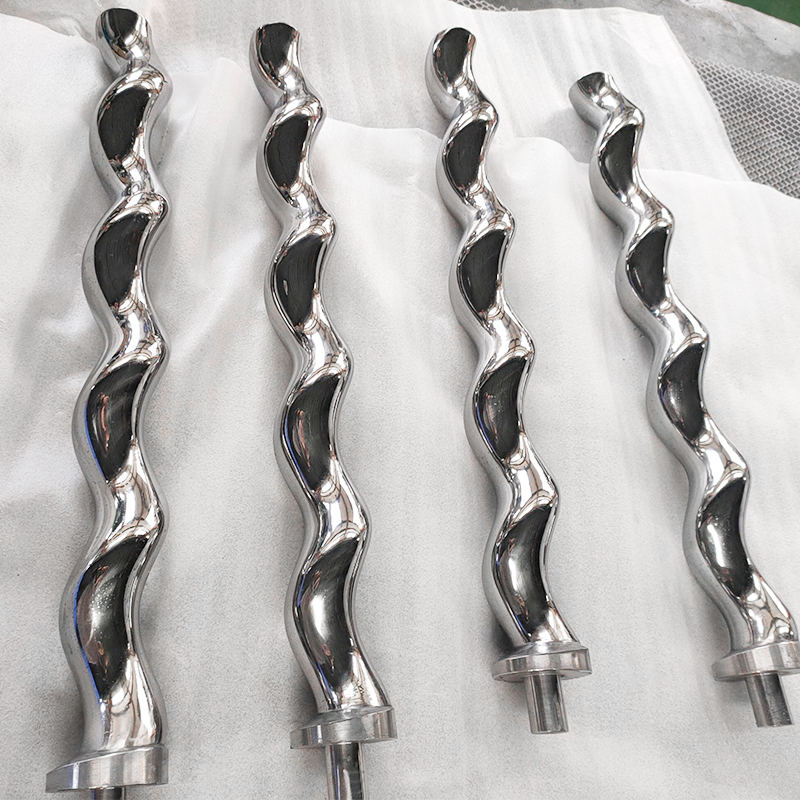
Conveyor systems operating in thermal spray environments are subjected to some of the most punishing wear conditions found in any industrial setting. Abrasive particles, high-velocity impact, corrosive process gases, and continuous mechanical loading combine to degrade conveyor accessories at a rate that can make maintenance costs prohibitive and unplanned downtime a persistent operational risk. The application of high-velocity oxygen fuel (HVOF) supersonic tungsten carbide coatings to conveyor accessories has emerged as one of the most effective engineering solutions to this challenge. With a coating thickness of 0.1–0.3mm, a surface hardness reaching HV1100, and a dense, defect-free microstructure free from sand holes, porosity, and spalling, HVOF-coated thermal spray conveyor accessories deliver a measurable and sustained improvement in service life, reliability, and total cost of ownership.
Content
- 1 What Are Thermal Spray Conveyor Accessories?
- 2 Why HVOF Tungsten Carbide Coating Is the Right Solution
- 3 Coating Thickness of 0.1–0.3mm: Precision Engineering for Functional Performance
- 4 HV1100 Hardness: What It Means in Practice
- 5 Coating Quality: Dense, Defect-Free Microstructure
- 6 Performance Comparison: HVOF Tungsten Carbide vs. Alternative Surface Treatments
- 7 Application Process: Ensuring Quality from Substrate to Finished Surface
- 8 Long-Term Benefits for Conveyor System Reliability
What Are Thermal Spray Conveyor Accessories?
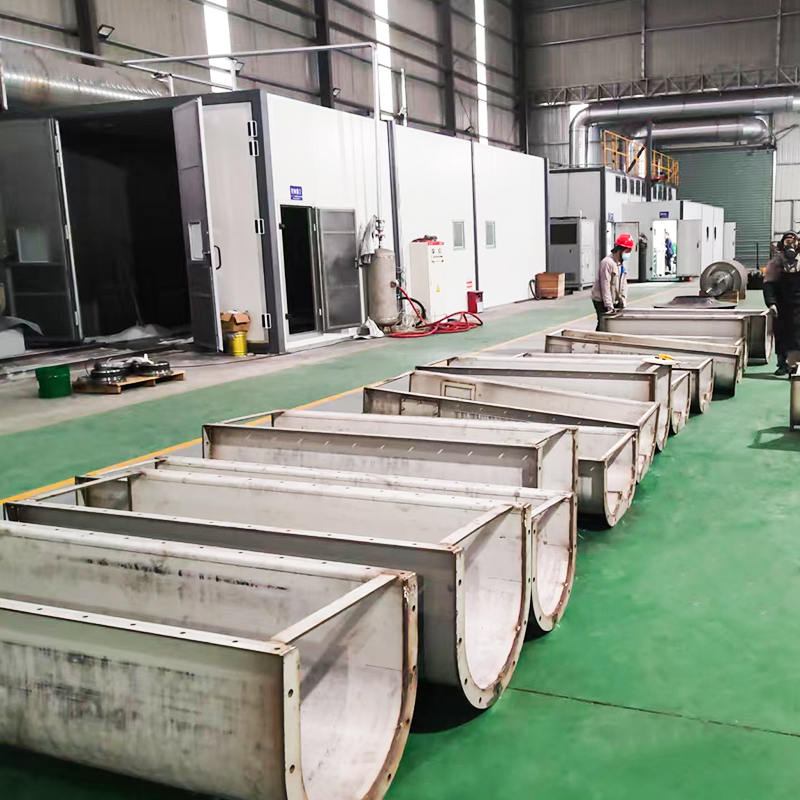
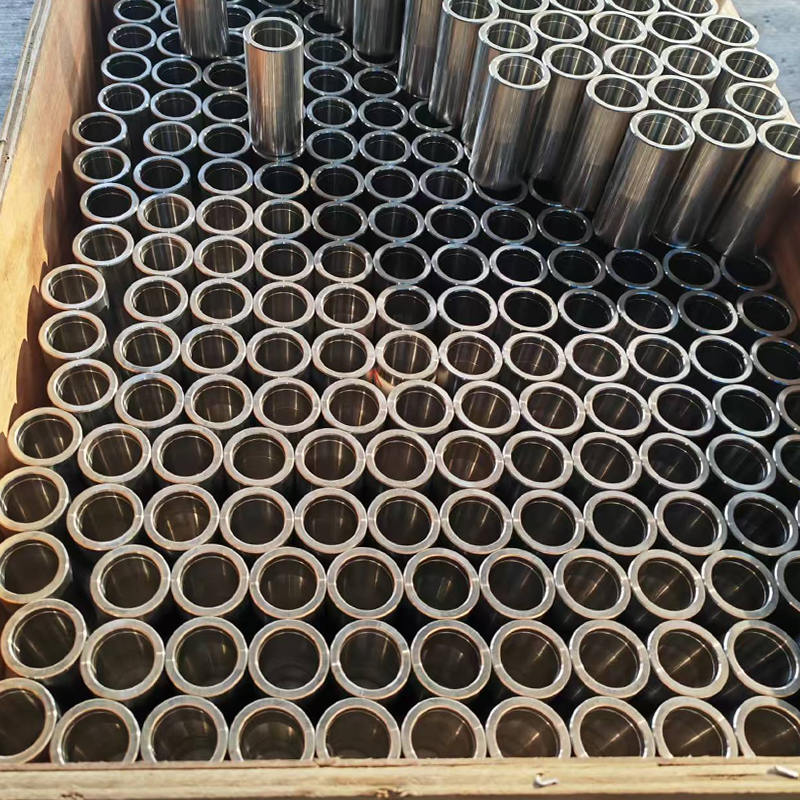
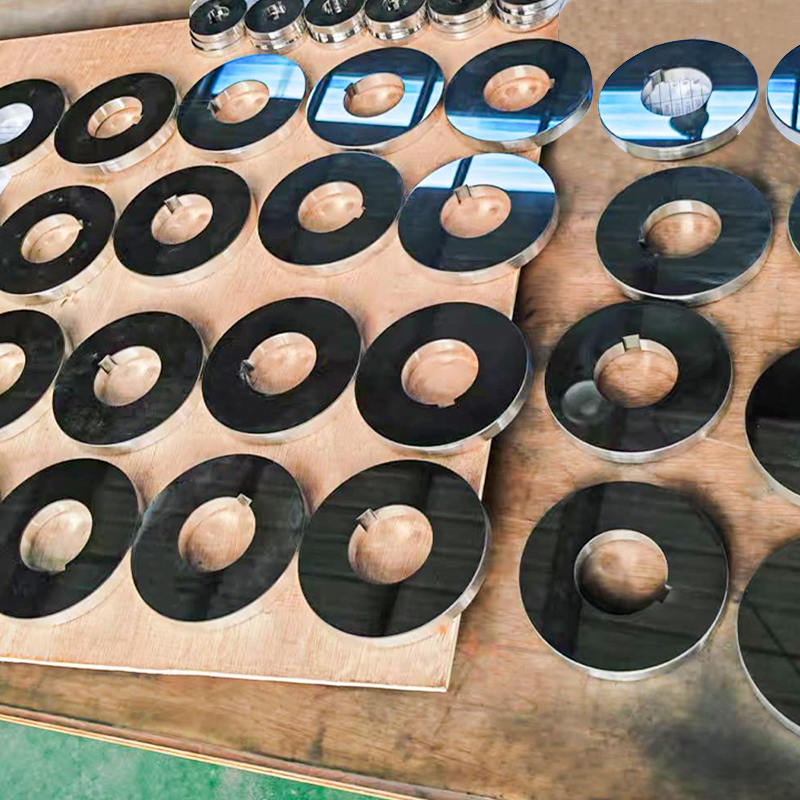
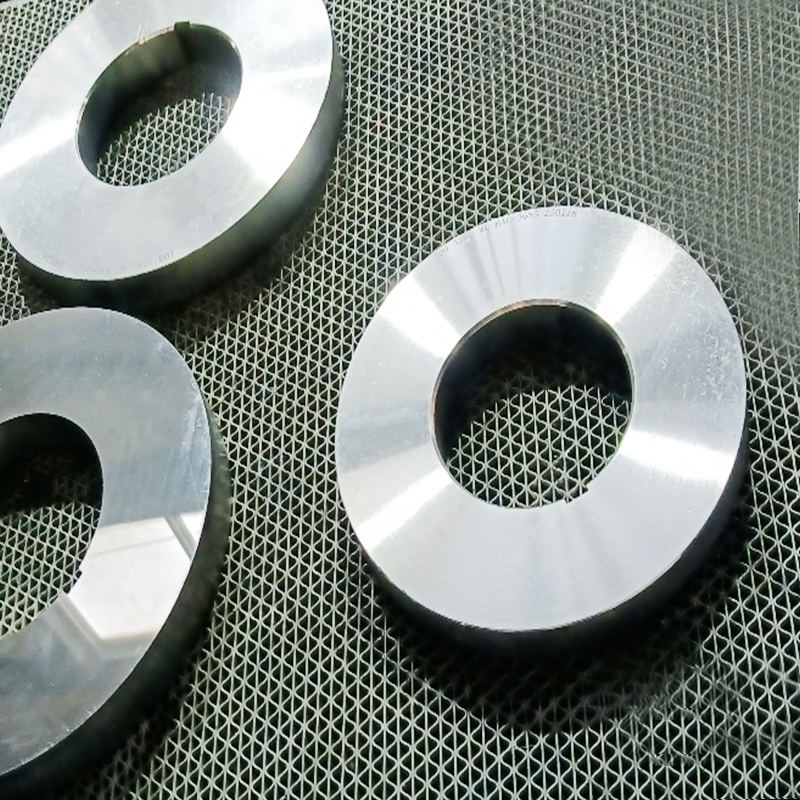
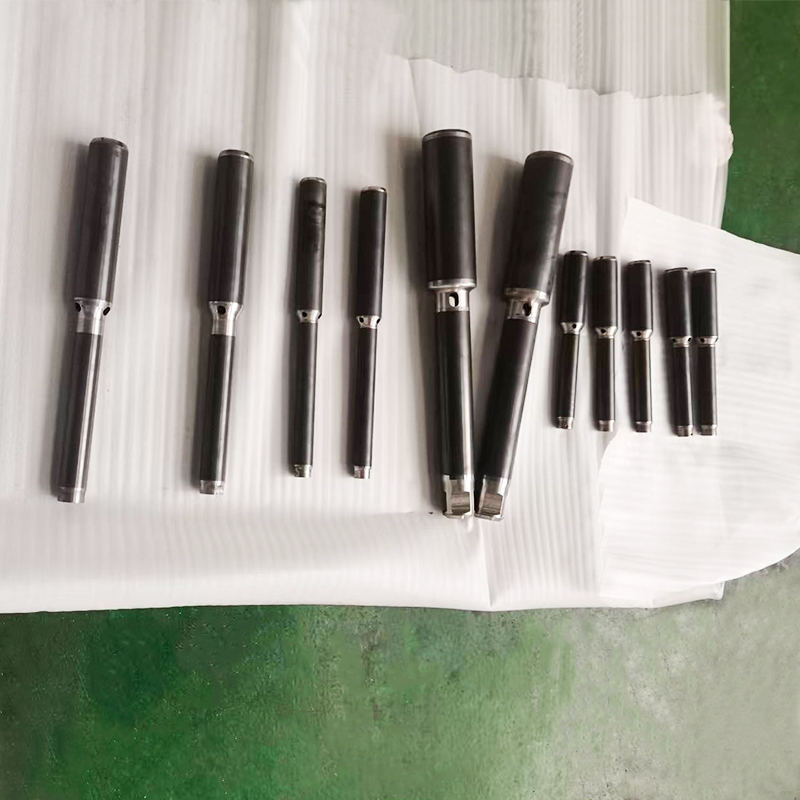
Thermal spray conveyor accessories encompass the full range of mechanical components that support, guide, drive, and tension conveyor belts and chains within thermal spray production and coating facilities. These include drive rollers, idler rollers, sprockets, conveyor chains, guide rails, tensioning components, wear plates, and support brackets. In thermal spray operations—such as plasma spraying, arc spraying, flame spraying, and HVOF itself—these accessories are exposed not only to normal conveyor wear but also to abrasive overspray particles, elevated ambient temperatures, and chemically active process atmospheres.
Because thermal spray conveyor accessories operate continuously and support production throughput, premature wear or failure directly impacts productivity. Replacing a worn roller or sprocket in the middle of a production run requires halting the coating process, which may result in scrapped workpieces and lost spray time. Engineering these components to resist wear from the outset—rather than relying on periodic replacement—is therefore a strategic priority for facilities seeking to improve operational efficiency.
Why HVOF Tungsten Carbide Coating Is the Right Solution
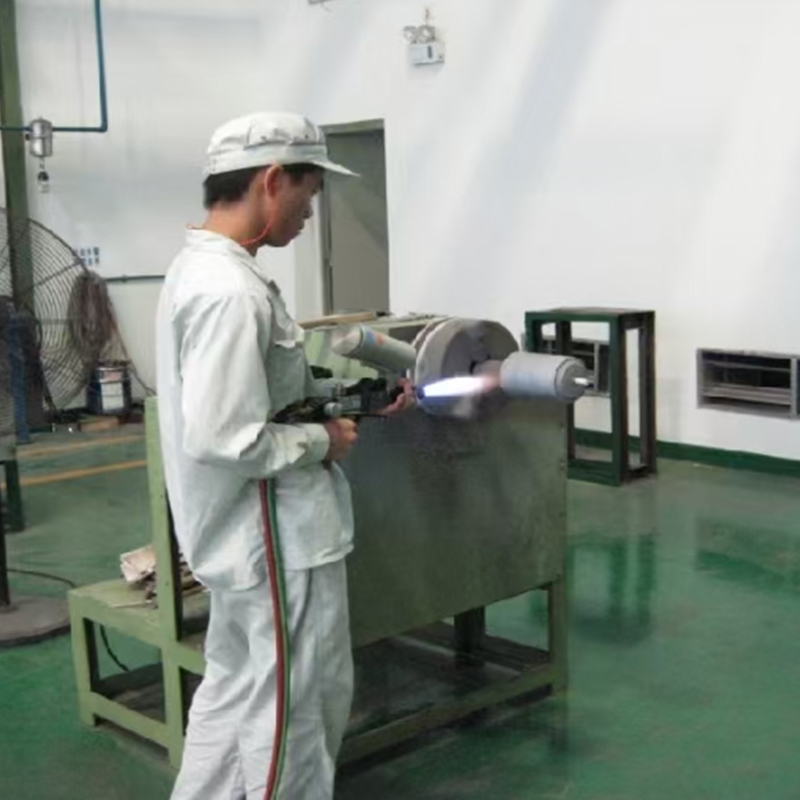
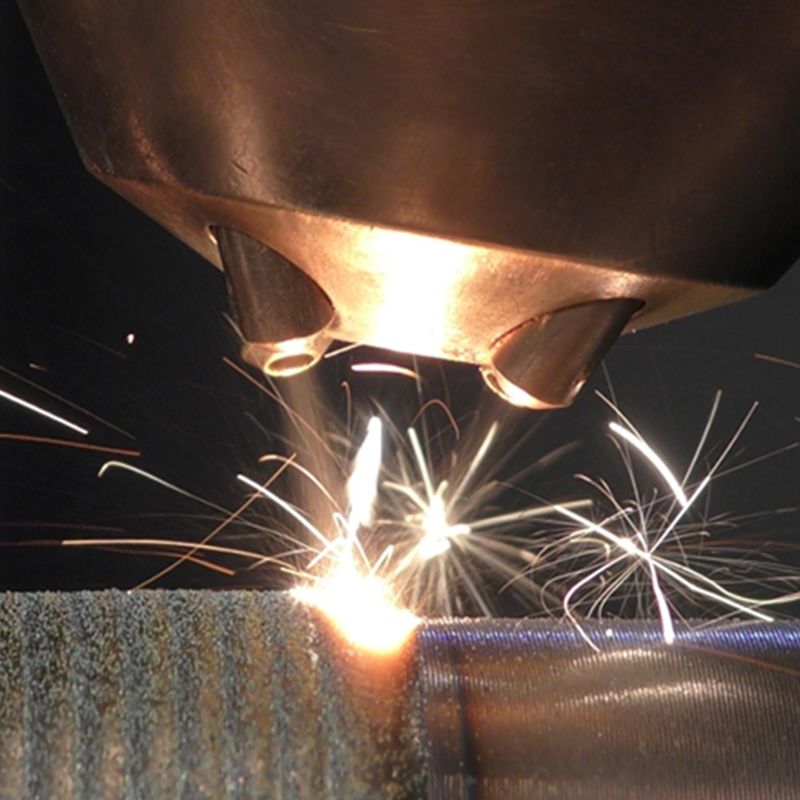
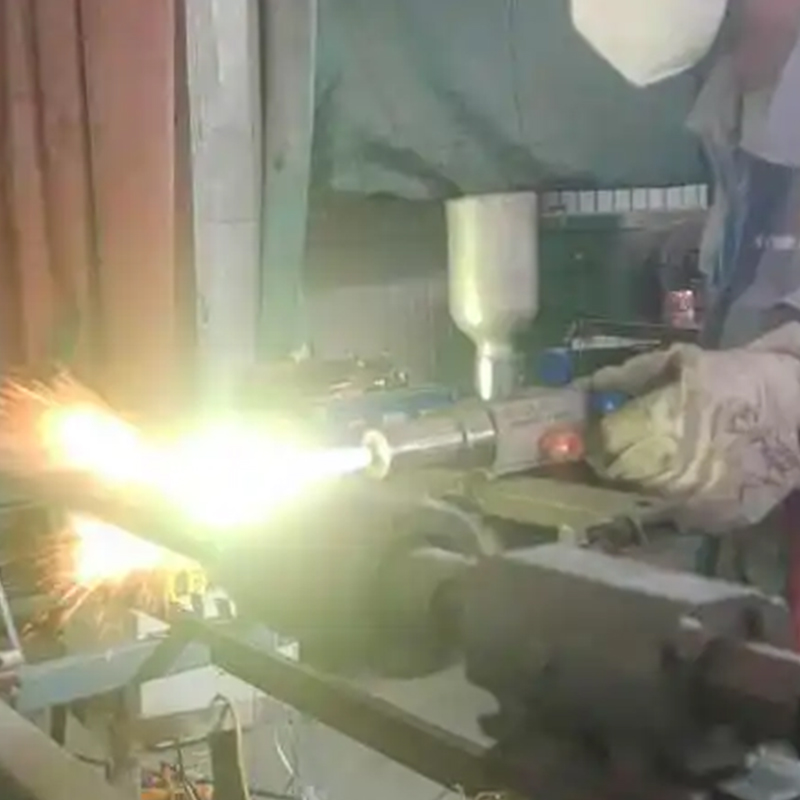
Among the various surface treatment technologies available for industrial components—including electroplating, nitriding, laser hardening, and conventional flame spraying—HVOF supersonic tungsten carbide coating stands out as uniquely well-suited to the demands placed on thermal spray conveyor accessories. The HVOF process accelerates tungsten carbide powder particles to supersonic velocities (typically exceeding 600 m/s) using a high-pressure combustion jet, driving the particles into the substrate surface with kinetic energy rather than purely thermal energy. This produces coatings with substantially higher density and bond strength than those achievable with lower-velocity processes.
Tungsten carbide (WC) in its composite form—most commonly WC-Co or WC-Co-Cr—is one of the hardest engineering materials available for thermal spray application. Its extreme hardness, combined with the toughness provided by the cobalt or cobalt-chromium binder phase, makes it resistant to both abrasive wear and impact damage. When applied via HVOF, these properties are preserved in the deposited coating with minimal phase decomposition, ensuring that the as-sprayed coating retains the wear performance characteristics of the feed powder.
Coating Thickness of 0.1–0.3mm: Precision Engineering for Functional Performance
The specified coating thickness range of 0.1–0.3mm for HVOF tungsten carbide on conveyor accessories is not arbitrary—it reflects careful engineering trade-offs between protection depth, dimensional tolerance, substrate stress, and post-coating finishing requirements.
Why This Thickness Range Is Optimal
A coating of less than 0.1mm may be insufficient to provide a continuous, pinhole-free barrier on a surface with any micro-roughness from grit blasting. It may also wear through too quickly under high-abrasion conditions, providing only marginal extension of component life. Conversely, coatings thicker than 0.3mm begin to accumulate significant residual stress—a consequence of the peening effect of successive HVOF passes—which can increase the risk of cohesive cracking or edge delamination, especially on curved surfaces such as rollers and sprockets.
Within the 0.1–0.3mm window, the coating provides sufficient wear reserve to absorb abrasive material removal over an extended service period while remaining thin enough to be applied without introducing excessive residual stress or requiring significant dimensional compensation during part design. After coating, components are typically ground to final dimensional tolerance, and the 0.1–0.3mm thickness provides adequate grinding stock without risking full removal of the coating during finishing.
Thickness Consistency Across Complex Geometries
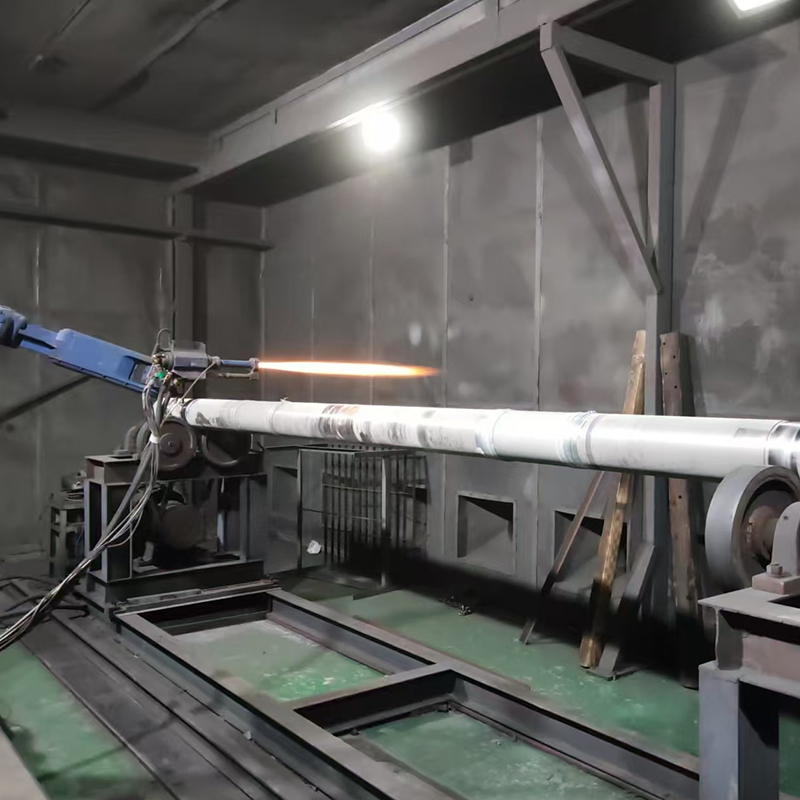
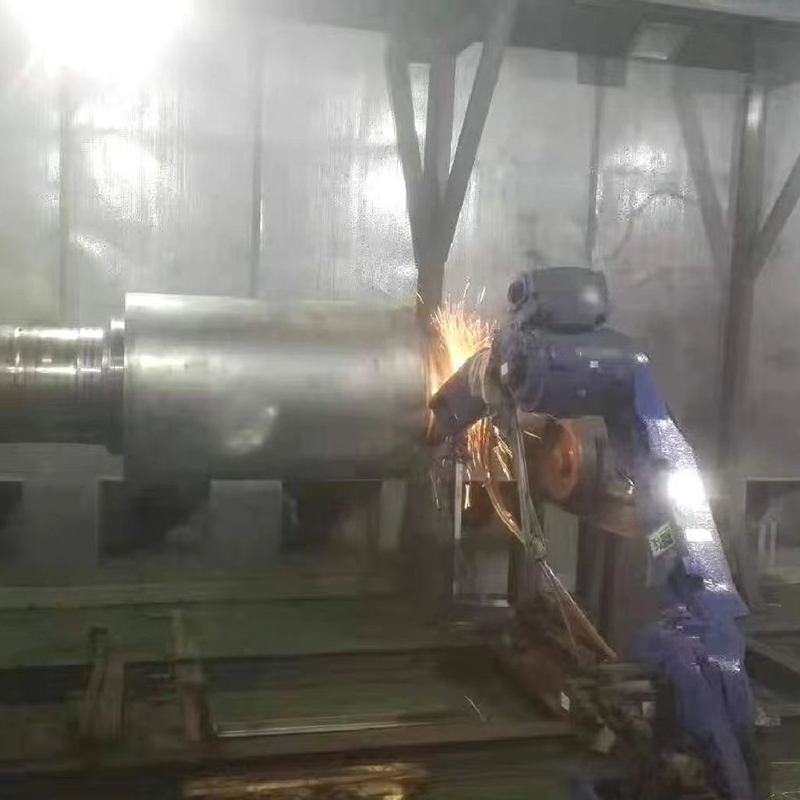
Achieving consistent coating thickness across the full surface of conveyor accessories—including the curved surfaces of rollers, the tooth profiles of sprockets, and the edges of wear plates—requires careful spray parameter control and robotic or CNC-guided spray gun manipulation. Professional HVOF applicators use pre-programmed spray paths with controlled standoff distances, gun traverse speeds, and overlap ratios to ensure that coating thickness remains within the specified 0.1–0.3mm range across all functional surfaces, avoiding both thin spots that reduce protection and thick areas that may crack under load.
HV1100 Hardness: What It Means in Practice
A Vickers hardness of HV1100 places HVOF tungsten carbide coatings among the hardest surfaces achievable through thermal spray technology and significantly harder than most engineering steels used for conveyor component substrates. For context, hardened tool steel typically reaches HV700–900, and hard chrome electroplating—a widely used alternative for wear protection—achieves approximately HV900–1000. The HV1100 hardness of HVOF tungsten carbide thus represents a meaningful step up in abrasion resistance.
In practical terms for conveyor accessories, this hardness translates directly into resistance to the three most damaging wear mechanisms encountered in thermal spray environments:
- Abrasive wear: Overspray particles of alumina, tungsten carbide, chromium oxide, and other hard spray materials that land on conveyor surfaces cannot easily cut or plow into an HV1100 surface, whereas they would rapidly groove a softer uncoated steel component.
- Erosive wear: High-velocity particle impingement—common near the spray booth exhaust zones—causes material removal through micro-chipping and plastic deformation on soft surfaces. The extreme hardness of tungsten carbide minimizes the volume of material removed per impact event.
- Sliding wear: Conveyor chains, belts, and guide rails undergo continuous sliding contact. The high hardness and low surface roughness achievable after grinding of HVOF coatings reduce the coefficient of friction and the rate of material loss in sliding contact pairs.
Coating Quality: Dense, Defect-Free Microstructure
Hardness alone does not fully define coating performance. A coating with high hardness but poor microstructural quality—characterized by sand holes, porosity, or weakly bonded splats—will fail prematurely through subsurface crack propagation, localized spalling, or accelerated corrosive attack through porous channels. The specification that HVOF tungsten carbide coatings on conveyor accessories must be free from sand holes, porosity, and spalling is therefore a critical quality requirement, not merely a cosmetic standard.
How HVOF Achieves Low Porosity
The supersonic particle velocity in HVOF—significantly higher than in plasma or flame spray processes—produces a much more complete flattening and mechanical interlocking of individual splats upon impact with the substrate. This dense packing leaves minimal inter-splat gaps and voids. Properly optimized HVOF tungsten carbide coatings routinely achieve porosity levels below 1%, and high-performance applications can achieve below 0.5% porosity as measured by metallographic cross-section analysis. This near-full-density microstructure is what prevents corrosive process gases and moisture from finding a percolating pathway through the coating to the substrate beneath.
Bond Strength and Spalling Resistance
Spalling—the delamination of coating segments under mechanical shock or thermal cycling—is prevented in properly applied HVOF tungsten carbide coatings by two mechanisms: high coating-to-substrate bond strength and appropriate residual stress management. HVOF coatings on properly grit-blasted steel substrates achieve bond strengths typically exceeding 70 MPa in tensile adhesion tests (ASTM C633). The compressive residual stress state characteristic of HVOF coatings—arising from the kinetic peening effect—further resists crack opening and delamination under cyclic loading, making spalling under normal conveyor operating conditions a negligible risk.
Performance Comparison: HVOF Tungsten Carbide vs. Alternative Surface Treatments
To understand the value of HVOF tungsten carbide coating for thermal spray conveyor accessories, it is useful to compare it directly against the most common alternatives:
| Treatment | Hardness (HV) | Porosity | Bond Strength | Thickness Control |
| HVOF WC Coating | 1000–1200 | <1% | >70 MPa | Excellent |
| Hard Chrome Plating | 900–1000 | Micro-cracked | Moderate | Good |
| Plasma Spray WC | 700–900 | 3–8% | 40–60 MPa | Moderate |
| Nitriding | 600–1100 | N/A (diffusion) | Metallurgical bond | Limited |
| Untreated Hardened Steel | 400–700 | N/A | N/A | N/A |
Application Process: Ensuring Quality from Substrate to Finished Surface
The quality of HVOF tungsten carbide coatings on conveyor accessories depends critically on process discipline at every stage of application. Key steps include:
- Surface preparation: Grit blasting with aluminum oxide or steel grit to Sa 3 cleanliness and a surface roughness of Ra 3–6 µm is essential for mechanical anchoring of the coating. Contaminated or insufficiently roughened substrates will yield inadequate bond strength regardless of spray parameters.
- Spray parameter optimization: Oxygen-to-fuel ratio, combustion pressure, powder feed rate, spray distance, and gun traverse speed must be precisely tuned for the specific WC powder grade and substrate geometry to achieve target density and hardness.
- In-process thickness monitoring: Coating thickness is measured at multiple points during spraying using eddy current or magnetic induction gauges, ensuring the 0.1–0.3mm specification is met across the entire component surface.
- Post-coating grinding and finishing: Diamond grinding wheels are used to bring coated surfaces to final dimensional tolerance and achieve the surface roughness required for the specific conveyor application, typically Ra 0.2–0.8 µm for rolling contact surfaces.
- Quality inspection: Finished components are inspected for surface defects, porosity (via fluorescent penetrant testing or metallographic cross-section), hardness verification, and dimensional conformance before release to service.
Long-Term Benefits for Conveyor System Reliability
The combination of HV1100 hardness, 0.1–0.3mm coating depth, and a dense, defect-free microstructure in HVOF tungsten carbide coatings delivers tangible, measurable improvements in the reliability and economics of thermal spray conveyor systems. Facilities that have adopted HVOF-coated conveyor accessories consistently report service life extensions of three to five times compared to uncoated or conventionally hardened components. This directly reduces the frequency of scheduled maintenance interventions, the inventory of spare parts that must be stocked, and the risk of unplanned production stoppages caused by component failure.
Beyond raw service life, the consistent surface hardness and low roughness of ground HVOF coatings reduce friction in belt and chain contact zones, lowering drive motor energy consumption and reducing heat generation in critical bearing areas. The corrosion resistance of dense WC-Co-Cr coatings also provides protection against the mildly acidic or oxidizing atmospheres generated in some thermal spray processes, preventing substrate rust that can otherwise cause coating delamination and accelerated mechanical wear simultaneously. For conveyor system operators facing the dual challenge of high wear rates and demanding uptime requirements, HVOF tungsten carbide surface strengthening represents a proven, quantif

 TOP
TOP