
 ENG
ENG
 English
 عربى
عربى Español
 中文简体
中文简体
When industrial components face extreme wear, high temperatures, or corrosive environments, air plasma spray (APS) coating often becomes the go‑to solution. Over the past decades, we have seen this technology evolve from a specialized finishing technique into a reliable, cost‑effective method for extending part life across dozens of industries. Whether you are protecting a pump impeller from slurry erosion or giving a semiconductor chamber the chemical resistance it needs, understanding what air plasma spray can—and cannot—do is essential for making informed decisions.
Content
What Is Air Plasma Spray?
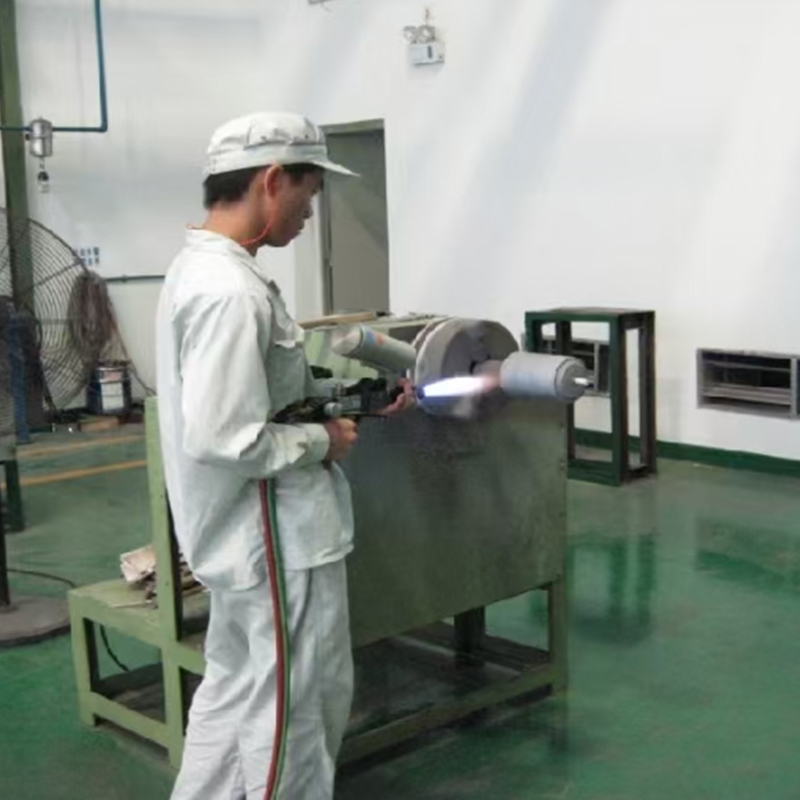
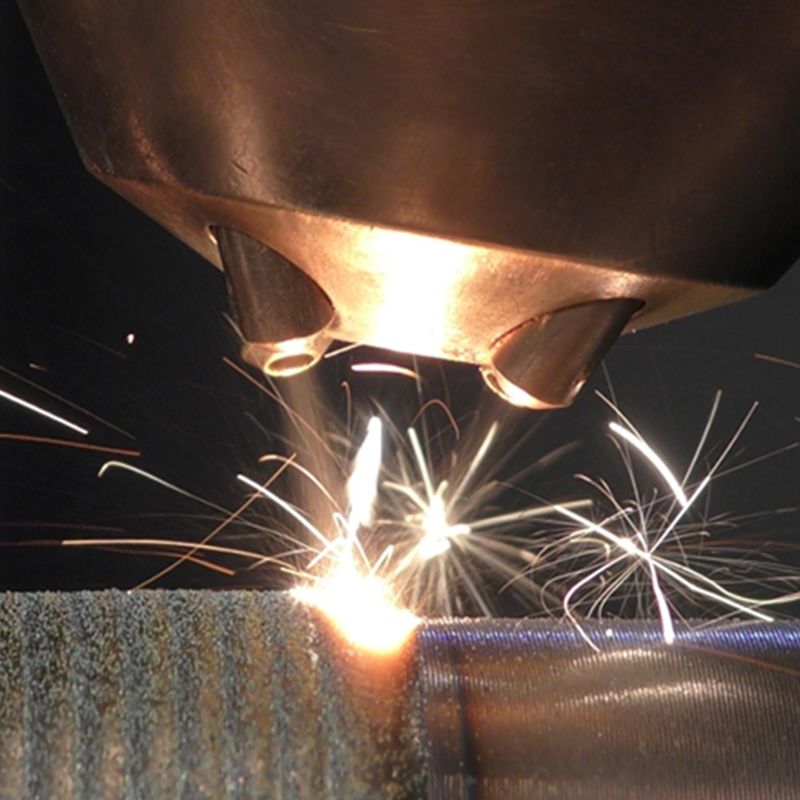
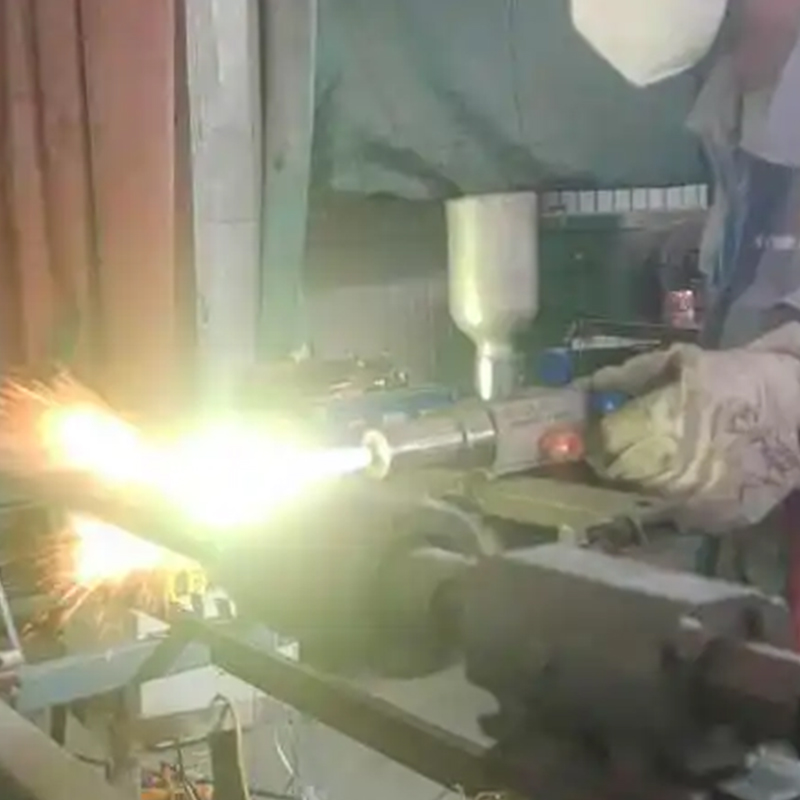
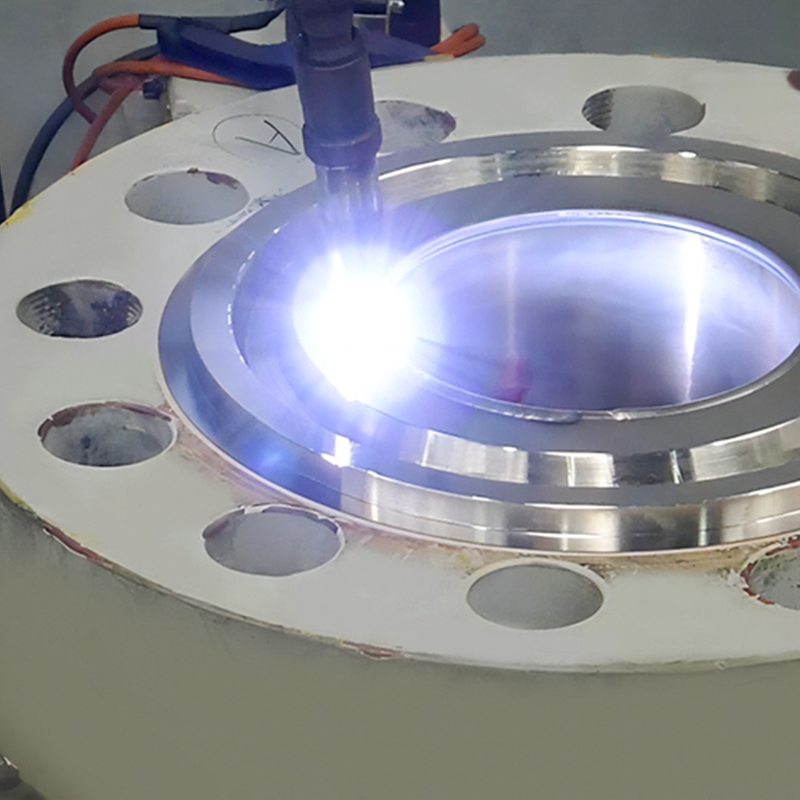
Air plasma spray, commonly abbreviated as APS, is a thermal spray process that uses a plasma jet to melt and propel coating material onto a substrate. A direct‑current arc is struck between a tungsten cathode and a copper anode, ionizing a gas mixture (typically argon, nitrogen, or hydrogen) to create a high‑temperature plasma plume. The coating powder—often ceramics, metallic alloys, or carbides—is injected into this plume, melted instantly, and accelerated toward the workpiece at high velocity.
One of the reasons APS has become so widespread is its ability to handle a vast range of materials. Unlike some other thermal spray methods, the plasma temperature can exceed 10,000 °C, allowing even high‑melting‑point materials like zirconia and alumina to be deposited smoothly. The result is a dense, well‑bonded coating that can be tailored to meet specific functional requirements.
For those new to the technology, it helps to think of APS as a fast, precise way to "weld" a layer of engineered material onto a metal surface without significantly heating the part itself. That means minimal distortion and a wide choice of coating chemistries.
How the APS Process Works
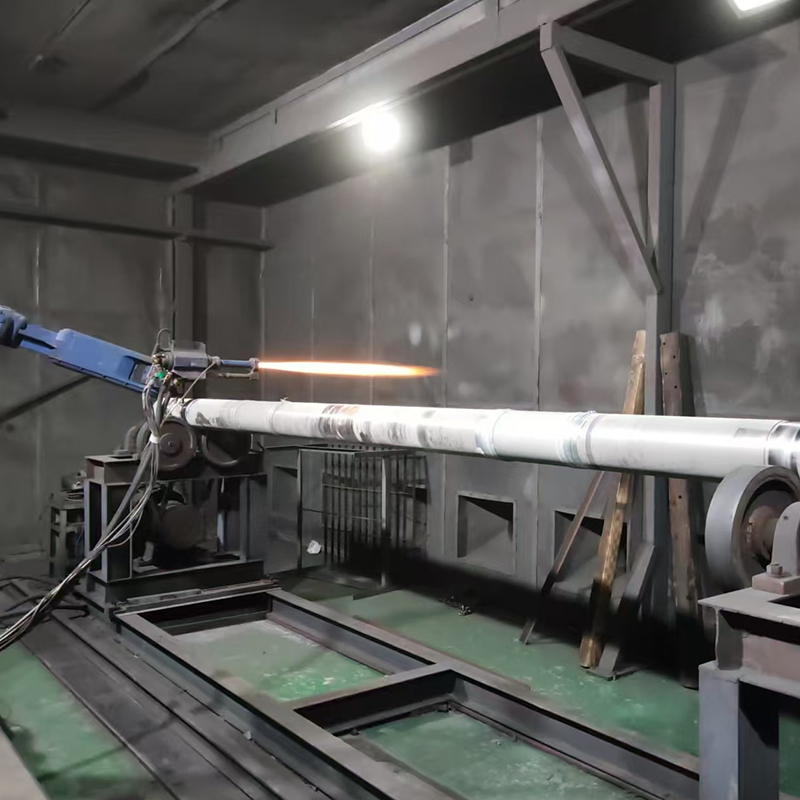
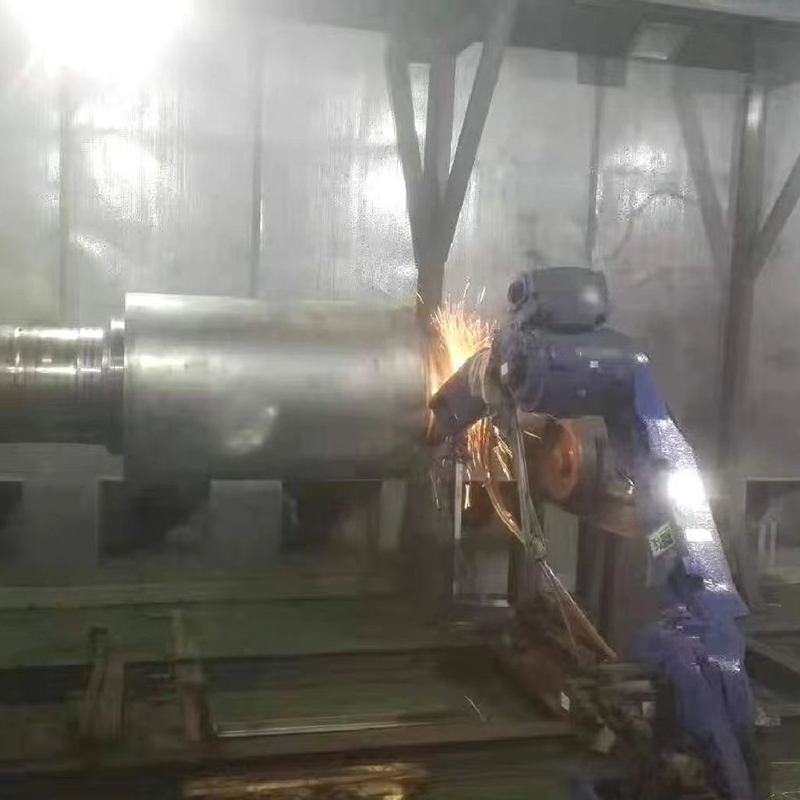
The heart of any air plasma spray system is the plasma torch. The torch generates a stable plasma arc, and the feedstock material (typically powder with particle sizes from 10 to 100 µm) is fed through an injector into the hottest zone. The torch is mounted on a robotic arm or manipulator that scans across the component surface, building up the coating layer by layer.
Key Process Parameters
- Gas flow and composition – The choice of primary and secondary gases affects plasma enthalpy and velocity.
- Power input – Typically between 20 kW and 80 kW, determines melting efficiency.
- Powder feed rate – Controls deposition rate and coating thickness.
- Stand‑off distance – The distance from torch nozzle to workpiece influences particle temperature and velocity at impact.
- Substrate cooling – Compressed air or liquid cooling prevents overheating.
Precise control of these factors is what separates a reliable coating from one that may spall or wear prematurely. At our facilities, we monitor every batch using real‑time diagnostics to ensure consistency.
Advantages of Air Plasma Spray Coating
- Exceptional material versatility – Almost any powdered material that melts without decomposing can be sprayed, including oxides, carbides, and self‑fluxing alloys.
- High deposition rates – Up to several kilograms per hour, making it suitable for production volumes.
- Low heat input to substrate – The part stays below 150 °C in most cases, preserving mechanical properties and dimensional accuracy.
- Wide coating thickness range – From 50 µm to over 1 mm, depending on the application.
- Good bond strength – Typical adhesion exceeds 30 MPa with proper surface preparation.
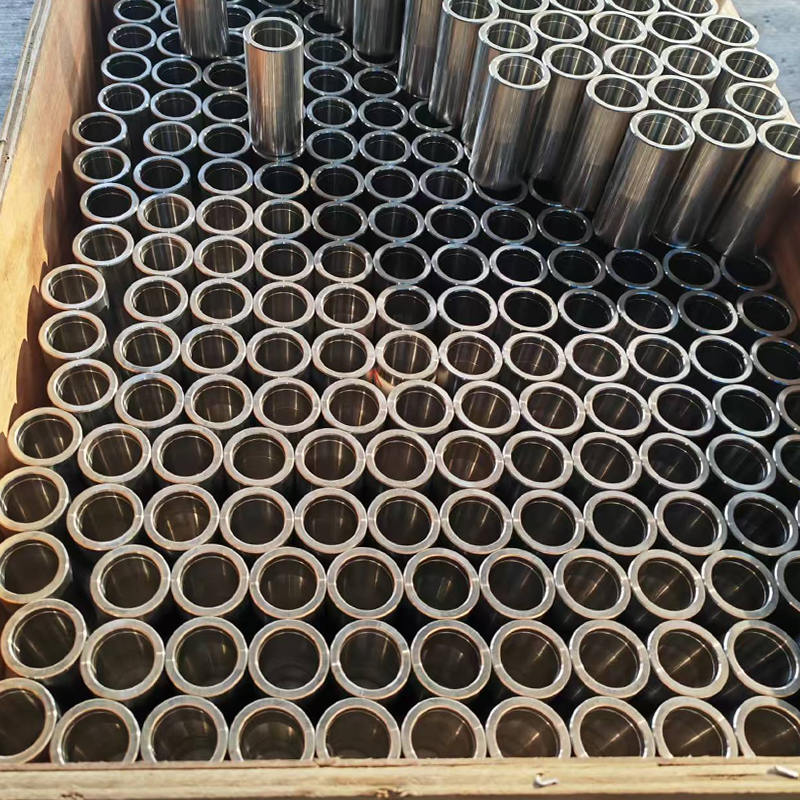
These advantages make APS a preferred choice for components that must survive abrasive wear, chemical attack, or high‑temperature oxidation. For example, a tungsten carbide coating applied via APS can extend the service life of a pump shaft sleeve by three to five times compared to an uncoated part.
Common Applications Across Industries
Air plasma spray is deployed in nearly every sector where surface performance matters. Below are a few industries we regularly serve, along with typical components that benefit from APS coatings.
| Industry | Component | Coating Material | Key Requirement |
|---|---|---|---|
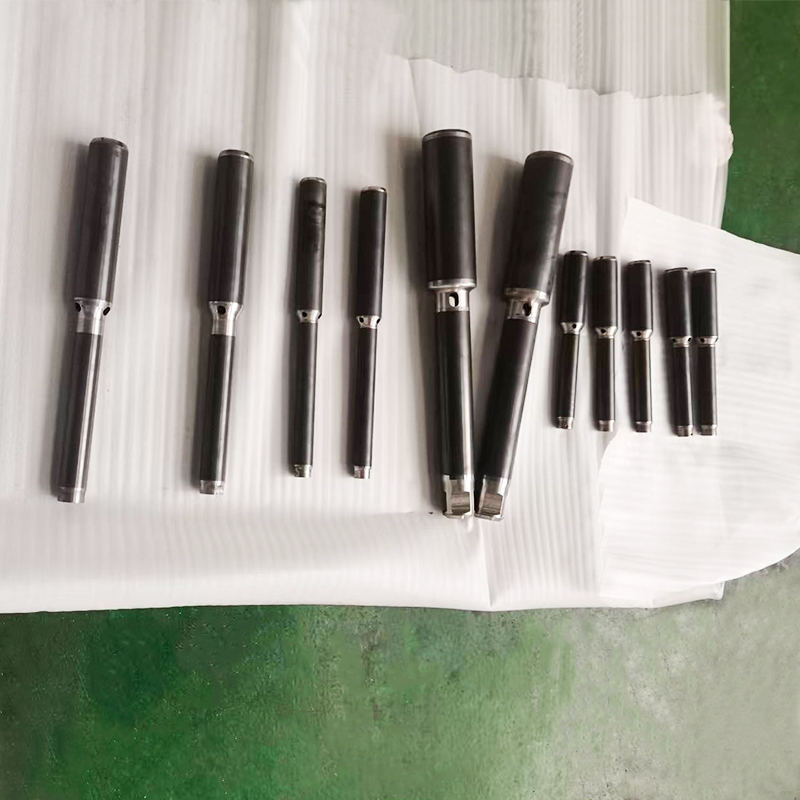
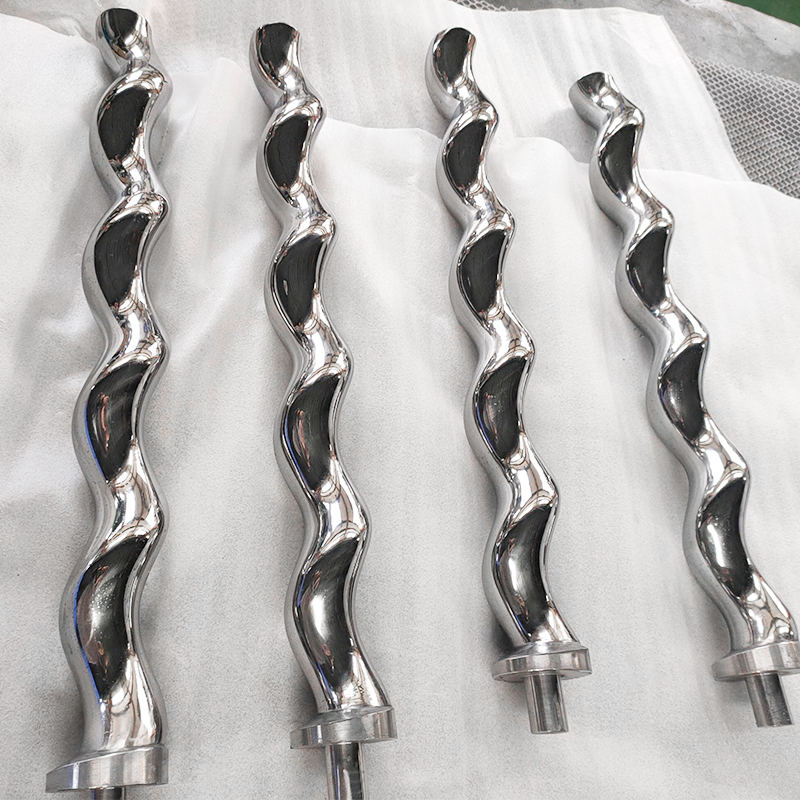
| Pump & Valve | Impeller, shaft sleeve, valve stem | Tungsten carbide / ceramic | Wear & corrosion resistance |
| Petrochemical | Plunger, piston, valve seat | Chromium carbide / alloy | Erosion & high‑temperature resistance |
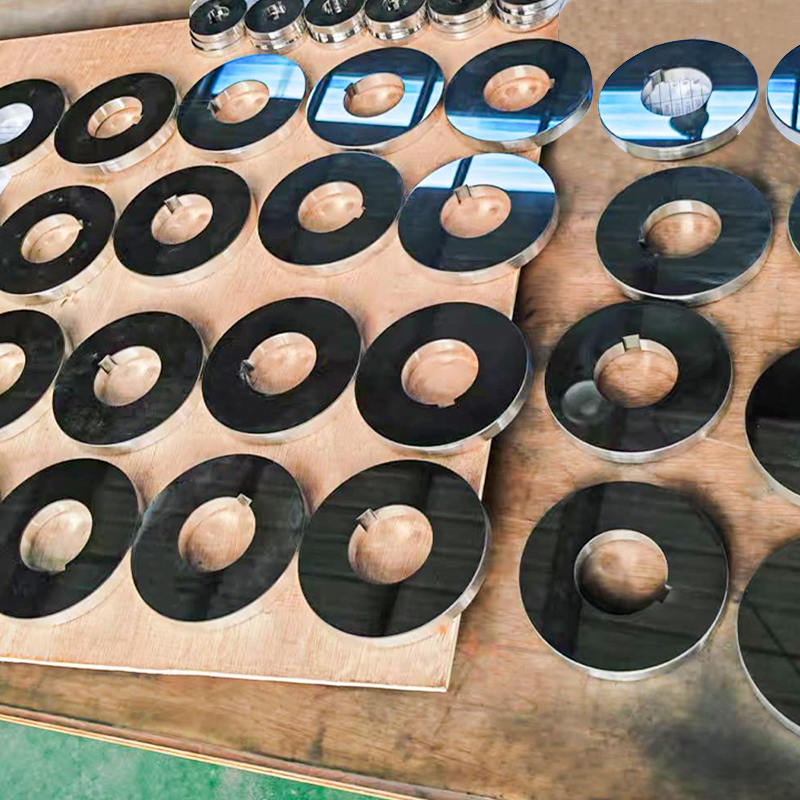
| Semiconductor | Vacuum cover plate, chamber components | Alumina / yttria | Plasma etch resistance |
| Automotive | Cylinder liner, stamping die | Ceramic / cermet | Wear & thermal barrier |
| Power Generation | Turbine blade, boiler tube | MCrAlY / zirconia | Hot corrosion & thermal barrier |
In the pump and valve sector, we have seen coated shaft sleeves and impellers deliver exceptional performance in abrasive slurries. For semiconductor fabs, our 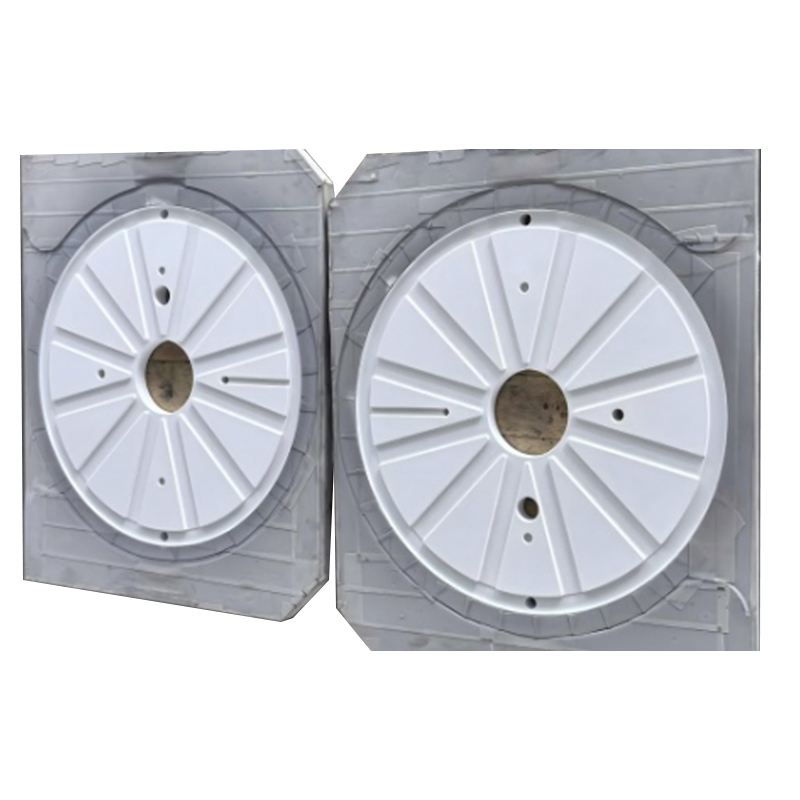 Ceramic Yttria Coating for Semiconductor Vacuum Cover PlatesThis plasma-sprayed ceramic coating enhances etch and corrosion resistance on vacuum cover plates, reducing contamination and extending maintenance intervals in semiconductor etching equipment.View Product → extend the interval between maintenance cycles. Similarly, advanced coating technologies for gear pump accessories help reduce friction and prevent galling in high‑pressure systems.
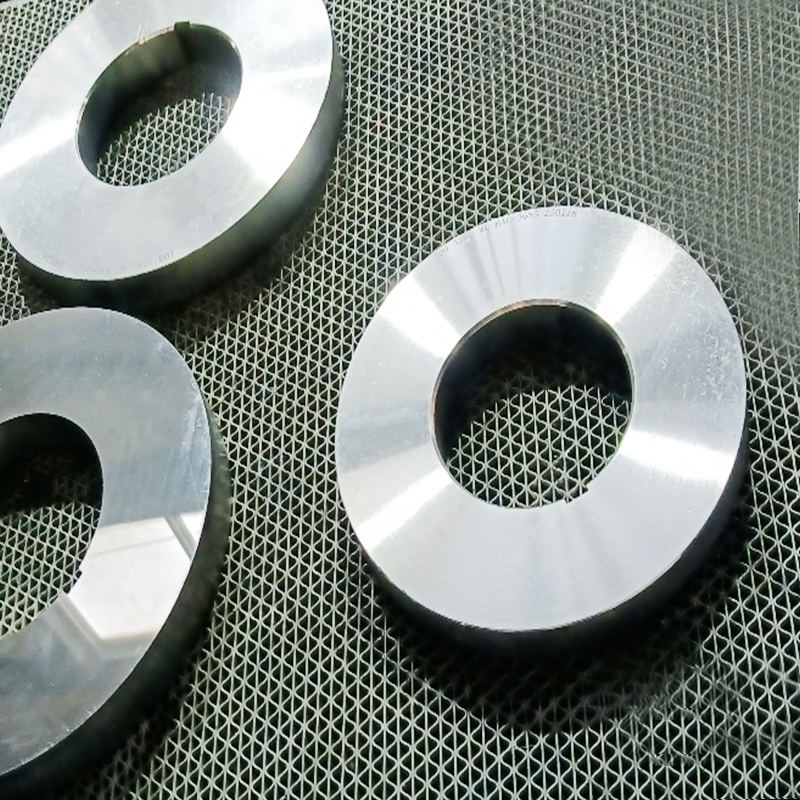
Another critical area is wire‑drawing equipment, where 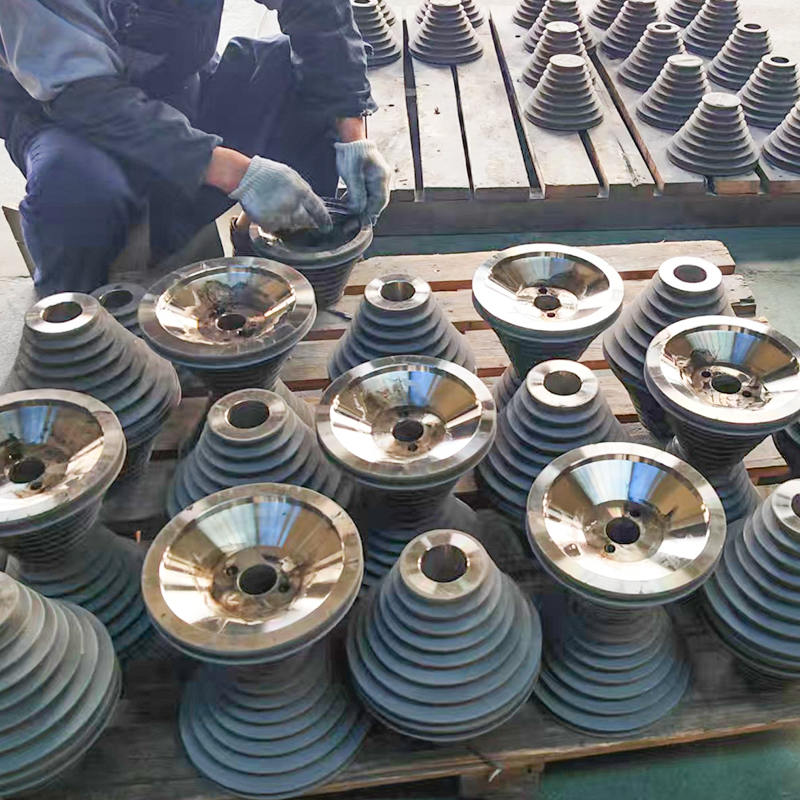 Tungsten Carbide-Coated Tower Wheel for Wire DrawingDesigned for wire drawing lines, this tower wheel resists constant abrasion from metal wire, lowering operating costs and reducing unplanned downtime in high-wear environments.View Product → withstand constant abrasion from metal wire without wearing out prematurely. These real‑world examples illustrate how APS directly translates into lower operating costs and less downtime.
Air Plasma Spray vs. Other Thermal Spray Processes
While APS is incredibly versatile, it is not always the best choice for every scenario. Comparing it to HVOF (high‑velocity oxygen fuel) helps clarify when to use each.
- Coating density – HVOF typically produces denser coatings with lower porosity because particle velocities are higher. APS coatings can still achieve low porosity (below 2 %) with proper parameter optimization.
- Material selection – APS handles a wider range of ceramics and thermal barrier materials. HVOF is better for metallic and cermet coatings that require high impact strength.
- Cost – APS equipment and operation are generally less expensive than HVOF, especially for large components.
- Substrate temperature – Both methods keep the substrate relatively cool, but APS can be more forgiving for heat‑sensitive parts.
For most wear and corrosion applications involving ceramics or carbide blends, APS provides an excellent balance of performance and economy. Our team often recommends APS when the coating thickness needs to exceed 300 µm or when the part geometry is complex.
Why Choose an Experienced Coating Partner?
Air plasma spray may sound straightforward, but achieving consistent, high‑quality results requires years of hands‑on experience. Factors like powder selection, surface preparation, robot programming, and post‑coating inspection all influence the final outcome.
Our company has been dedicated to thermal spray technology for over a decade. With a 20,000 m² production base in Yancheng, 10+ dedicated production lines, and ISO‑certified processes, we have the capacity and expertise to handle projects of any scale. From a single prototype to serial production, we work closely with clients to choose the right coating material and process parameters.
For example, our pump and valve industry solutions demonstrate how we tailor APS coatings to extend the life of critical components. Whether you need a ceramic coating for a dispersion disc or a cermet coating for a plunger, we have the experience to deliver.
If you are evaluating whether air plasma spray is the right solution for your components, we welcome you to reach out. Sometimes a simple discussion about your operating conditions is enough to identify the most effective coating strategy.

 TOP
TOP