
 ENG
ENG
 English
 عربى
عربى Español
 中文简体
中文简体
Content
- 1 What Is a Bimetallic Coating Screw and How Is It Constructed
- 2 The Primary Role: Resisting Abrasive and Adhesive Wear
- 3 Corrosion Protection in Chemically Aggressive Processing Environments
- 4 Maintaining Dimensional Accuracy and Processing Consistency
- 5 High-Temperature Performance and Thermal Stability
- 6 Common Bimetallic Coating Materials and Their Specific Functions
- 7 Role in Reducing Operational Downtime and Maintenance Costs
- 8 Application Sectors Where Bimetallic Coating Screws Are Most Critical
- 9 Selecting the Right Bimetallic Coating Screw for Your Process
What Is a Bimetallic Coating Screw and How Is It Constructed
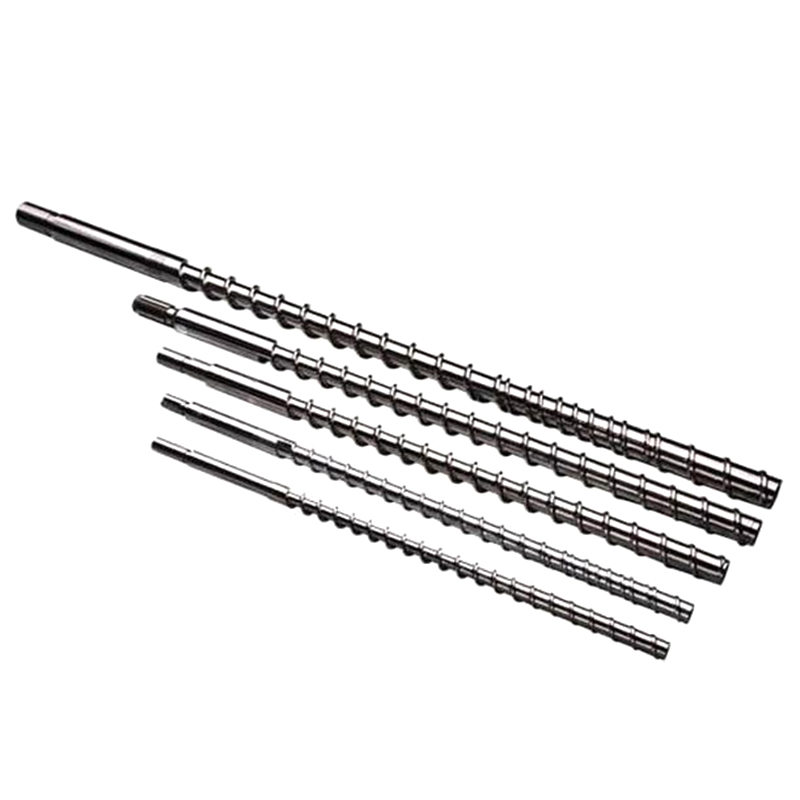
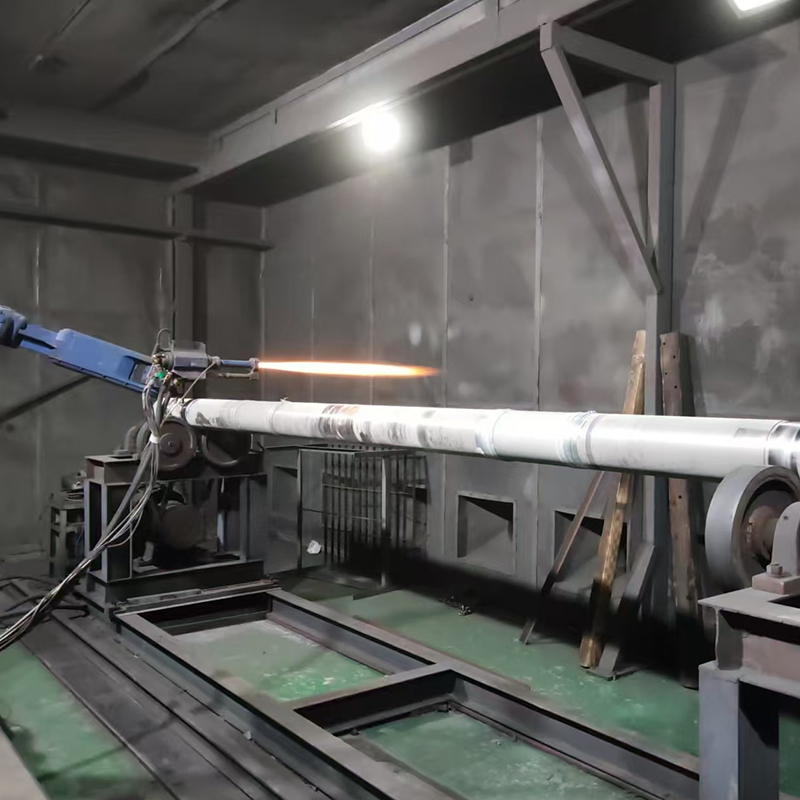
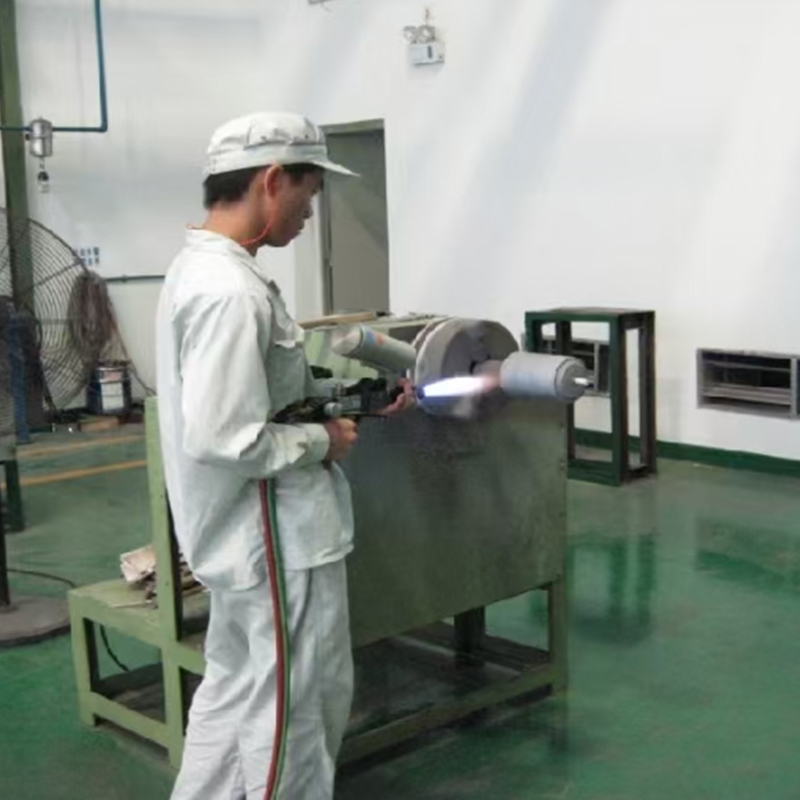
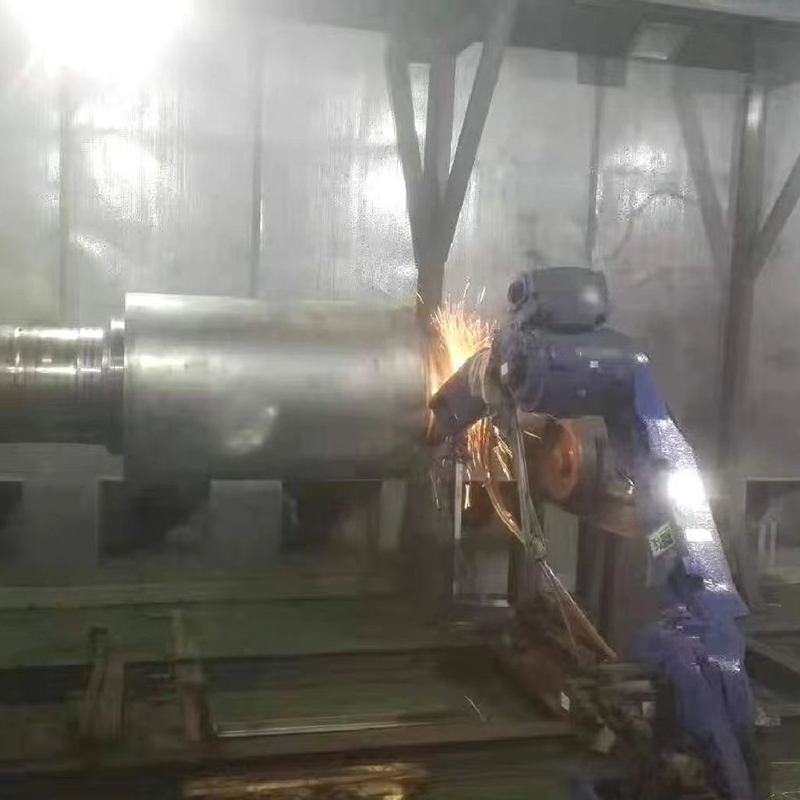
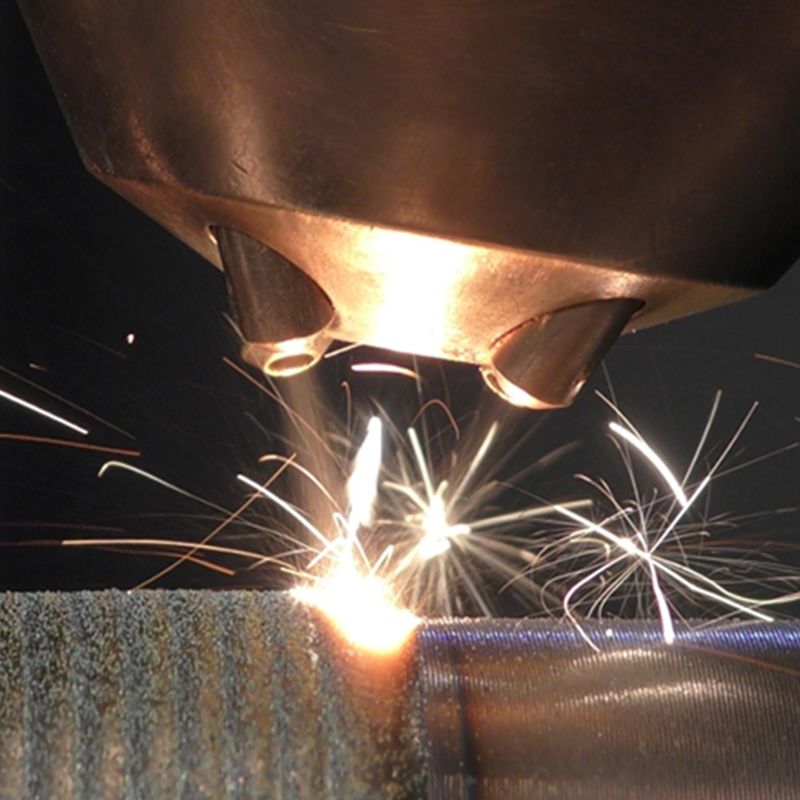
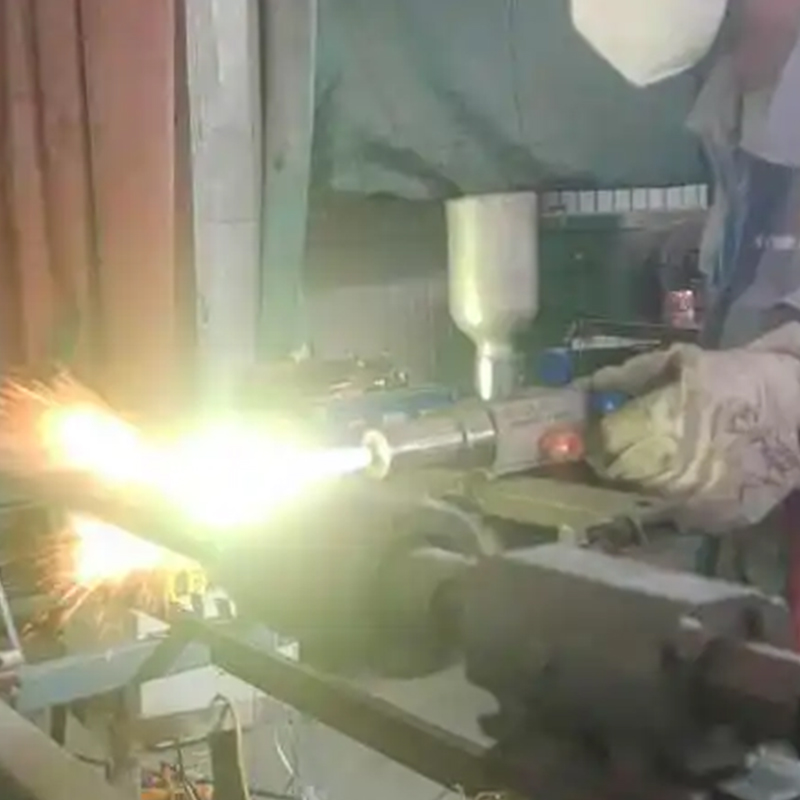
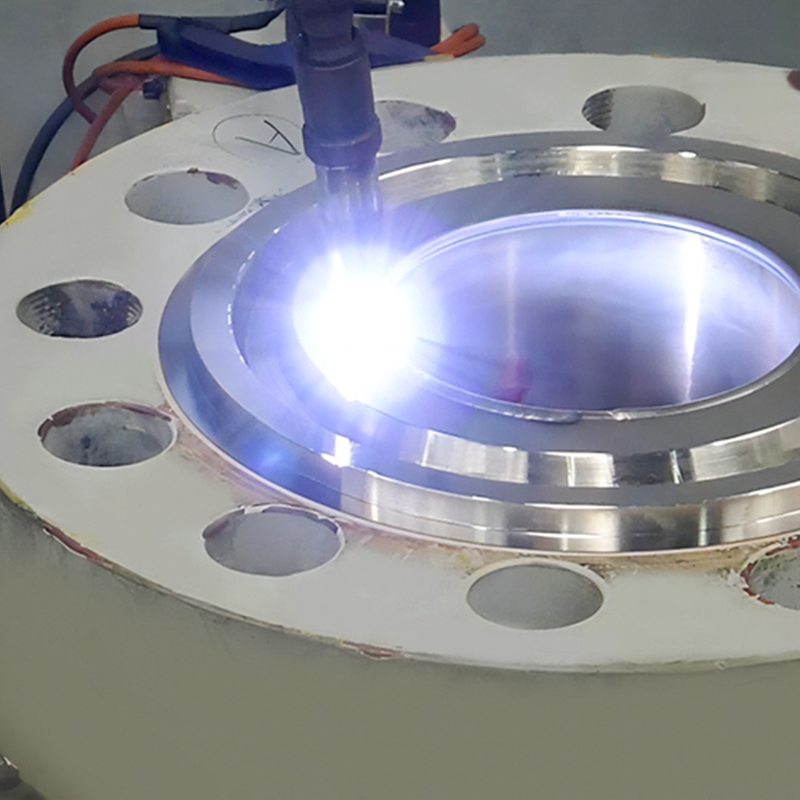
A bimetallic coating screw is a specially engineered screw component consisting of a base metal substrate — typically a high-strength steel alloy — onto which a second metal or alloy is applied as a functional surface coating or cladding layer. The term "bimetallic" refers to the deliberate combination of two distinct metallic materials, each contributing its own set of properties to create a composite component that outperforms either material alone. Unlike simple surface treatments such as electroplating or painting, bimetallic coating on screws involves a metallurgically bonded layer of substantial thickness, typically deposited through processes such as thermal spraying, laser cladding, centrifugal casting, or powder metallurgy sintering.
The base material provides structural strength, dimensional stability, and machinability, while the coating layer — commonly made from materials such as tungsten carbide, nickel-based alloys, cobalt-chromium alloys, or iron-based wear-resistant composites — delivers exceptional surface hardness, wear resistance, corrosion resistance, or thermal stability. This combination is what makes bimetallic coating screws the preferred solution in demanding processing industries where standard single-material screws fail prematurely. Understanding what role these screws play requires examining the specific functions they serve and the environments in which they operate.
The Primary Role: Resisting Abrasive and Adhesive Wear
The most fundamental role of a bimetallic coating screw is to resist wear — specifically the abrasive and adhesive wear that occurs when screws process hard, abrasive, or corrosive materials in extruders, injection molding machines, compounders, and mixing systems. In plastics processing, for example, screws are subjected to continuous contact with polymer melts containing glass fibers, mineral fillers, carbon black, flame retardants, and other abrasive additives. These particles act like fine grinding media, steadily eroding the screw flight tips and root surfaces if the screw is made from standard tool steel alone.
The bimetallic coating layer dramatically changes this equation. A tungsten carbide or nickel-silicon-boron coating applied to the screw flight surfaces can achieve surface hardness values between 55 and 72 HRC — far exceeding the 40 to 50 HRC typical of through-hardened tool steel screws. This hardness advantage means the coating resists micro-cutting and plowing by abrasive particles, extending the wear life of the screw flight by factors of three to ten compared to uncoated alternatives. In a high-volume production environment, this directly translates to fewer screw replacements, reduced unplanned downtime, and lower total operating cost per tonne of material processed.
Adhesive wear — where material from the processed substance bonds to the screw surface and then tears away — is another failure mode that bimetallic coatings address. Certain polymer blends, rubber compounds, and food products have strong adhesion tendencies. A hard, smooth bimetallic surface minimizes the interfacial bonding that enables adhesive wear, keeping the screw surface cleaner and reducing the thermal degradation of process materials that sticks and overheats.
Corrosion Protection in Chemically Aggressive Processing Environments
Beyond mechanical wear, bimetallic coating screws serve a critical role in protecting against chemical corrosion. Many processing applications involve materials that release corrosive byproducts at elevated temperatures. PVC compounding releases hydrochloric acid under thermal stress. Fluoropolymers release hydrofluoric acid during processing. Halogenated flame retardants, hygroscopic polymers, and certain food ingredients create acidic or oxidizing environments that attack unprotected steel surfaces with surprising speed.
Nickel-based alloy coatings, particularly those containing chromium and molybdenum, provide excellent resistance to acid attack and oxidizing environments. When applied as a metallurgically bonded layer over a steel screw substrate, these coatings create a barrier that prevents the corrosive medium from reaching the steel. This is especially important at the screw root and feed zone, where condensation and material holdup can concentrate corrosive species. Without adequate corrosion protection, pitting of the screw surface creates stress concentration points that can propagate into fatigue cracks under the cyclic torsional and bending loads that screws experience in service.
In pharmaceutical and food processing, where both hygienic standards and chemical resistance are mandatory, bimetallic coating screws with electropolished or precision-finished hard alloy surfaces satisfy regulatory requirements while outlasting standard stainless steel screws in applications involving acidic marinades, salt brines, enzymatic processes, or aggressive CIP cleaning chemicals.
Maintaining Dimensional Accuracy and Processing Consistency
Screw geometry is not merely a mechanical design feature — it directly controls the output quality, throughput rate, melt temperature uniformity, and pressure consistency of the extrusion or molding process. As a screw wears, the clearance between the screw flight tip and the barrel wall increases. This enlarged gap allows material to leak backward over the flights, reducing pumping efficiency, increasing melt temperature due to additional shear heating, and causing output rate fluctuations that result in dimensional variation in the finished product.
By maintaining the original flight tip diameter for a far longer service period, bimetallic coating screws preserve the designed process conditions. This is especially critical in precision extrusion of medical tubing, optical fiber coatings, barrier packaging films, and technical profiles where dimensional tolerances are measured in microns. A worn screw introduces variability that no downstream control system can fully correct. Investing in a bimetallic coating screw is therefore as much about process quality assurance as it is about component longevity.
High-Temperature Performance and Thermal Stability
Many processing applications subject screws to operating temperatures between 200°C and 450°C, and in some specialty polymer or rubber processing applications, temperatures can exceed this range. At elevated temperatures, the hardness and strength of conventional tool steels decrease significantly due to tempering effects — a phenomenon known as hot hardness loss. A screw that begins its life at 50 HRC may soften to 35 HRC or below after prolonged exposure to processing temperatures, accelerating wear under the same abrasive conditions.
Bimetallic coatings based on cobalt-chromium-tungsten alloys (such as Stellite variants) or nickel-based superalloys retain high hardness at elevated temperatures due to their inherent metallurgical stability. These materials are used in turbine blades and high-temperature valve seats precisely because they resist thermal softening. When applied to screw surfaces, they provide a coating layer whose hardness and corrosion resistance remain effective throughout the full operating temperature range of the process, ensuring consistent wear protection from the first hour of operation to the last.
Common Bimetallic Coating Materials and Their Specific Functions
| Coating Material | Hardness (HRC) | Primary Function | Best Application |
| Tungsten Carbide (WC-Co) | 65–72 | Maximum abrasion resistance | Glass-filled, mineral-filled polymers |
| Nickel-Silicon-Boron Alloy | 55–65 | Wear + corrosion resistance | PVC, halogenated polymer processing |
| Cobalt-Chromium (Stellite) | 38–55 | Hot hardness + oxidation resistance | High-temp rubber, engineering polymers |
| Iron-Based Wear Alloy | 58–65 | Cost-effective abrasion resistance | General-purpose compounding |
| Nickel-Chromium-Molybdenum | 40–55 | Chemical and pitting corrosion resistance | Food, pharma, fluoropolymer processing |
Role in Reducing Operational Downtime and Maintenance Costs
From an operational management perspective, the role of bimetallic coating screws extends well beyond material science — it is fundamentally about production economics. Screw replacement is one of the most disruptive maintenance events in a plastics extrusion or injection molding facility. Removing, inspecting, and replacing a worn screw requires shutting down the line, cooling the barrel, purging residual material, disassembling the drive system, and recalibrating the process after installation of the new component. This process can take anywhere from four to twenty-four hours depending on machine size, and it triggers lost production, material waste, and labor costs that can exceed the cost of the screw itself.
By extending screw service life — often from 2,000 to 4,000 operating hours for a standard screw to 8,000 to 15,000 hours for a well-specified bimetallic coated screw — the frequency of these disruptive events is reduced dramatically. For a production line running three shifts per day, extending screw life from one year to three or four years means two or three fewer major maintenance shutdowns per machine over that period. When multiplied across a multi-machine facility, the operational and financial impact of bimetallic coating screws is substantial.
Additional Maintenance Benefits
- Reduced risk of catastrophic screw failure, which can damage the barrel and require replacement of both components simultaneously
- Lower frequency of product quality checks triggered by screw wear-related output variation
- Reduced spare parts inventory requirements when screw replacement intervals are extended and more predictable
- Compatibility with condition-monitoring programs that track screw wear by monitoring output rate and melt pressure over time
Application Sectors Where Bimetallic Coating Screws Are Most Critical
While bimetallic coating screws provide benefits across virtually any screw-based processing application, certain industries rely on them as a standard specification rather than an optional upgrade due to the extreme severity of their processing conditions.
- Plastics compounding and masterbatch production: These applications routinely process highly abrasive pigment concentrates, glass fibers at 30–50% loading, and mineral additives such as calcium carbonate, talc, and silica — conditions that destroy standard screws within months.
- PVC pipe and profile extrusion: The combination of abrasive calcium carbonate fillers and the corrosive HCl released during PVC processing makes bimetallic coating with nickel-based alloys essentially mandatory for competitive screw service life.
- Rubber processing: Carbon black, silica, and sulfur-based vulcanizing agents in rubber compounds are highly abrasive and chemically reactive, demanding the combined wear and corrosion resistance that only bimetallic surfaces can provide.
- Food extrusion: Cereal, pet food, and snack extrusion processes involve abrasive grain particles, salt, and acidic ingredients at elevated temperature — conditions that bimetallic food-grade coatings handle while meeting hygiene standards.
- Recycled polymer processing: Post-consumer recyclate frequently contains contaminants including glass, metal particles, and abrasive mineral residues that cause accelerated wear — making bimetallic coatings a practical necessity for economic recycled material processing.
Selecting the Right Bimetallic Coating Screw for Your Process
Choosing the appropriate bimetallic coating specification requires a systematic analysis of the specific wear and corrosion mechanisms active in your application. The starting point is identifying the dominant failure mode of your current screws: if the flight tips are uniformly worn and the overall diameter has decreased, abrasive wear is the primary mechanism, and a high-hardness tungsten carbide or iron-based coating is indicated. If pitting, discoloration, or rough surface texture is observed on the root or flanks, corrosive attack is the dominant issue, and a nickel-chromium-molybdenum or nickel-silicon-boron alloy coating is more appropriate.
The application temperature, the chemistry of the process material and its byproducts, the filler type and loading level, and the required screw geometry all influence the optimal coating selection and deposition method. Working with an experienced screw manufacturer who offers engineering analysis of your worn screws — including measurement of flight tip wear, surface roughness analysis, and identification of corrosion products — provides the data needed to specify a bimetallic coating screw that will deliver maximum return on investment in your specific processing environment.

 TOP
TOP