
 ENG
ENG
 English
 عربى
عربى Español
 中文简体
中文简体
Content
Introduction to Bushings
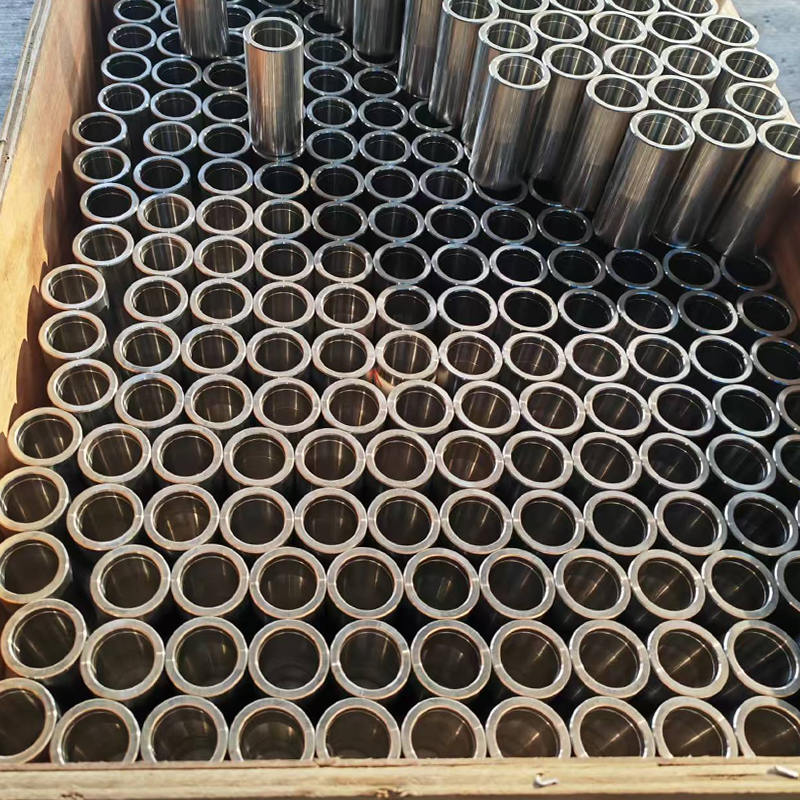
Bushings are essential components in machinery, providing a bearing surface for rotary or sliding applications. They reduce friction, absorb shock, and prevent wear on moving parts. Selecting the right bushing type is crucial to ensure equipment efficiency, longevity, and reliability. This article compares wear-resistant bushings with standard bushings, highlighting their differences, advantages, and applications.
Standard Bushings: Features and Applications
Standard bushings are typically made from bronze, brass, or basic steel alloys. They provide basic wear protection and load support in low- to moderate-duty applications. While cost-effective, their performance may degrade quickly under high friction, heavy load, or abrasive environments.
- Made from traditional metals like bronze, brass, or carbon steel.
- Suitable for light-duty machinery and low-load conditions.
- Require regular lubrication to maintain performance and reduce wear.
- Prone to faster wear in abrasive or high-temperature environments.
- Lower initial cost but higher long-term maintenance needs.
Wear-Resistant Bushings: Advanced Features
Wear-resistant bushings are engineered to withstand high loads, friction, and abrasive conditions. They often incorporate advanced materials such as hardened steel, composite polymers, or self-lubricating coatings, resulting in extended service life and reduced maintenance.
- Constructed from hardened steel, composite materials, or advanced alloys.
- Designed for heavy-duty machinery and high-load operations.
- Self-lubricating or low-friction surfaces reduce maintenance requirements.
- Resistant to wear, corrosion, and high temperatures.
- Higher initial cost offset by longer lifespan and reduced downtime.
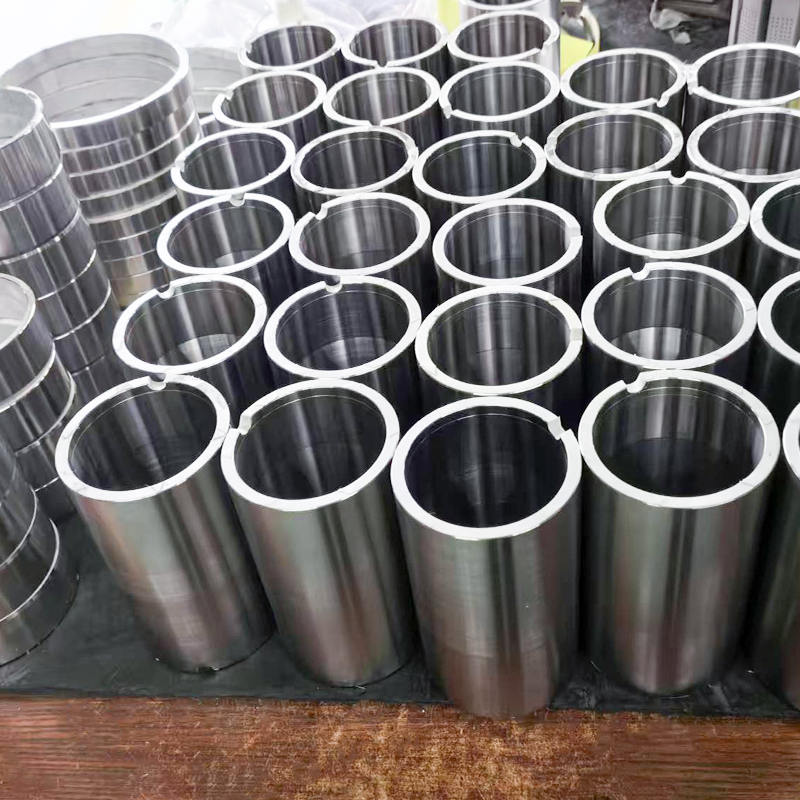
Key Differences Between Wear-Resistant and Standard Bushings
Understanding the differences between wear-resistant and standard bushings helps in selecting the appropriate component for specific machinery needs.
| Aspect | Standard Bushing | Wear-Resistant Bushing |
| Material | Bronze, brass, carbon steel | Hardened steel, composite polymers, coated alloys |
| Load Capacity | Low to moderate | High, suitable for heavy machinery |
| Maintenance | Requires frequent lubrication and replacement | Low maintenance, often self-lubricating |
| Durability | Moderate, wears faster under stress | High, resistant to wear, corrosion, and heat |
| Cost | Lower upfront cost | Higher initial cost, but lower lifecycle expense |
Applications and Industry Considerations
Wear-resistant bushings are particularly suited for industries and applications where high load, friction, or abrasive materials are involved. Standard bushings may suffice in lighter applications where operational demands are lower.
- Construction equipment: Wear-resistant bushings endure heavy loads and abrasive conditions.
- Manufacturing machinery: High-speed operations benefit from low-friction, self-lubricating bushings.
- Agricultural machinery: Wear-resistant designs resist dust, moisture, and soil abrasion.
- Light machinery and domestic equipment: Standard bushings provide cost-effective support under moderate conditions.
Maintenance Best Practices
Regardless of the type, proper maintenance is essential to maximize bushing performance. Wear-resistant bushings often require less attention, but periodic inspection and cleaning remain important to ensure optimal performance and longevity.
- Check for signs of wear, corrosion, or deformation regularly.
- Ensure proper lubrication when required, even for self-lubricating designs.
- Maintain alignment of shafts and housing to prevent uneven wear.
- Replace bushings before severe wear leads to machine damage.
Conclusion
Wear-resistant bushings offer significant advantages over standard bushings in heavy-duty and high-friction applications. While standard bushings are suitable for light loads and cost-sensitive projects, investing in wear-resistant bushings improves equipment longevity, reduces maintenance, and enhances operational efficiency. Understanding the differences and choosing the appropriate bushing type ensures optimal performance for any machinery application.

 TOP
TOP