
 ENG
ENG
 English
 عربى
عربى Español
 中文简体
中文简体
Tungsten carbide (WC) is neither pure tungsten metal nor a ceramic in the traditional sense — it is a hard metal composite: a cemented carbide made by sintering tungsten carbide powder with a metallic binder, typically cobalt. It is produced by chemically combining tungsten and carbon, then consolidating the powder with a binder through liquid-phase sintering. The result is one of the hardest engineering materials available — Vickers hardness of 1,400–2,000 HV — combining the hardness of a ceramic with the toughness of a metal. This article covers exactly what tungsten carbide is, its material properties, how it is made, its major applications, and how it compares to chromium carbide in coating technologies including HVOF thermal spray.
Content
- 1 Carbide or Tungsten: Understanding the Difference
- 2 Is Tungsten Carbide a Ceramic?
- 3 How Is Tungsten Carbide Made?
- 4 Tungsten Carbide Material Properties
- 5 Uses for Tungsten Carbide Across Industries
- 6 HVOF Coatings: Applying Tungsten Carbide as a Surface Layer
- 7 Chromium Carbide Coating: When to Choose It Over Tungsten Carbide
- 8 Tungsten Carbide vs. Alternative Hard Materials
Carbide or Tungsten: Understanding the Difference
The terms "carbide," "tungsten," and "tungsten carbide" are frequently used interchangeably in trade and manufacturing contexts, but they refer to distinct materials with very different properties.
Pure Tungsten (W)
Elemental tungsten is a refractory metal with the highest melting point of any element: 3,422°C. In pure form, it is dense (19.3 g/cm³), hard relative to other metals (~350 HV), and exceptionally resistant to heat. It is used in its metallic form for filaments in incandescent bulbs, electrodes in TIG welding, radiation shielding, and high-temperature furnace components. Pure tungsten is brittle at room temperature, which limits its use as a structural material.
Tungsten Carbide (WC)
Tungsten carbide is a chemical compound of tungsten and carbon — specifically one tungsten atom bonded to one carbon atom (stoichiometric formula WC), forming a hexagonal crystal structure. In this compound form, hardness increases dramatically to 2,200–2,400 HV for the pure WC compound. The melting point drops to approximately 2,870°C, and the density to 15.7 g/cm³ — still extremely dense but more workable than pure tungsten.
In commercial practice, "tungsten carbide" almost always refers to cemented tungsten carbide (WC-Co) — a composite of WC powder grains bonded with 3–25% cobalt metal binder. The cobalt provides toughness and fracture resistance that pure WC lacks. When machinists or engineers say "carbide tooling," they mean cemented WC-Co.
Tungsten Carbon: The Compound at the Heart of the Material
"Tungsten carbon" is an informal term for the same compound — the bond between tungsten (W) and carbon (C) atoms that creates the WC crystal structure. The carbon content in stoichiometric WC is 6.13% by weight. Deviations from this ratio produce W₂C (ditungsten carbide), which has lower hardness and is generally considered an undesirable phase in cutting tool grades. Maintaining precise carbon stoichiometry during powder production is one of the critical quality controls in tungsten carbide manufacturing.
Is Tungsten Carbide a Ceramic?
This is one of the most common classification questions about tungsten carbide — and the answer depends on how strictly "ceramic" is defined.
In the broadest materials science definition, ceramics are inorganic, non-metallic solids — which technically includes carbides, nitrides, oxides, and borides. Under this definition, pure WC compound is classifiable as a ceramic: it is an inorganic compound, is non-metallic in its pure crystal form, and shares many properties (hardness, brittleness, high melting point) with conventional oxide ceramics like alumina (Al₂O₃).
However, in engineering practice, cemented tungsten carbide (WC-Co) is classified as a "hard metal" or "cemented carbide" — not a ceramic — because:
- It contains a metallic binder phase (cobalt) that gives it ductility and toughness far exceeding conventional ceramics
- It conducts electricity — resistivity of approximately 0.2–0.5 µΩ·m — unlike true ceramics which are electrical insulators
- It conducts heat significantly better than ceramics — thermal conductivity of 80–110 W/(m·K) for WC-Co grades
- It is manufactured by powder metallurgy (sintering with a liquid metal binder) rather than ceramic forming techniques
- Its fracture toughness (K₁c of 10–25 MPa·m½) is an order of magnitude higher than most engineering ceramics (1–5 MPa·m½)
The precise answer: pure WC is a ceramic compound; cemented WC-Co is a hard metal composite that bridges the boundary between ceramics and metals. In industrial, purchasing, and engineering contexts, it is universally referred to as a hard metal or cemented carbide, not a ceramic.
How Is Tungsten Carbide Made?
Tungsten carbide production involves several distinct stages — from ore extraction through chemical synthesis to powder production and final consolidation. Each stage controls key properties of the finished material.
Stage 1: Tungsten Ore Processing
The primary tungsten ore minerals are scheelite (CaWO₄) and wolframite ((Fe,Mn)WO₄). China controls approximately 80% of global tungsten mining output. Ore is crushed, concentrated by flotation or gravity separation, and then chemically processed — typically by pressure leaching with sodium hydroxide — to produce ammonium paratungstate (APT), the primary intermediate product traded globally. APT is calcined to produce tungsten trioxide (WO₃), which is then hydrogen-reduced at 700–1,000°C to produce tungsten metal powder.
Stage 2: Carburization — Combining Tungsten and Carbon
Tungsten powder is blended with carbon black in stoichiometric proportions and heated in a hydrogen atmosphere at 1,400–1,600°C in a pusher furnace or rotary kiln. The carbon diffuses into the tungsten lattice, converting W metal to WC compound. This carburization reaction is highly sensitive to temperature and atmosphere — excess carbon produces free graphite (reducing hardness); insufficient carbon produces W₂C or residual W (both detrimental to tool performance).
The resulting WC powder is characterized by particle size (typically 0.5–10 µm for cutting tool grades; finer for wear-resistant coatings, coarser for mining grades) and total carbon content, which must be within ±0.05% of the stoichiometric 6.13% target.
Stage 3: Milling, Blending, and Pressing
WC powder is milled together with cobalt powder (and other additives — TiC, TaC, NbC for steel-cutting grades) in a ball mill with a pressing agent (typically PEG — polyethylene glycol) for 24–72 hours. Milling simultaneously reduces particle size further and ensures homogeneous distribution of cobalt. The milled slurry is spray-dried to produce free-flowing granules that can be die-pressed, cold isostatic pressed (CIP), or extrusion-formed into the desired shape — cutting inserts, rods, wear plates, dies, or complex near-net-shape parts.
Stage 4: Sintering
The pressed "green" compact is sintered at 1,350–1,450°C — just above the cobalt melting point (1,495°C, but the WC-Co eutectic melts lower at approximately 1,275–1,320°C depending on composition). During sintering, the liquid cobalt phase wets and infiltrates the WC grain network through capillary action, eliminating porosity and cementing the carbide grains together. The part shrinks approximately 17–20% linearly during sintering, which must be accounted for in die design.
Hot isostatic pressing (HIP) at 100–200 MPa pressure during or after sintering eliminates residual porosity in critical grades, achieving theoretical density and maximizing fracture toughness. Sintered WC-Co achieves densities of 14.0–15.0 g/cm³ depending on cobalt content.
Stage 5: Finishing
Sintered carbide is finished by diamond grinding, EDM (electrical discharge machining), or laser machining to final dimensional tolerances. Cutting inserts receive PVD or CVD hard coatings (TiN, TiAlN, Al₂O₃) to further improve wear resistance. Final inspection includes hardness testing, density measurement, and magnetic coercivity measurement (a non-destructive indicator of WC grain size and cobalt content uniformity).
Tungsten Carbide Material Properties
The properties of cemented tungsten carbide are not fixed — they vary systematically with cobalt binder content and WC grain size. Understanding these trade-offs is essential for correct grade selection.
| Co Content (%) | Density (g/cm³) | Hardness (HV30) | Fracture Toughness K₁c (MPa·m½) | TRS (MPa) | Primary Applications |
|---|---|---|---|---|---|
| 3–6% | 15.0–15.3 | 1,700–2,000 | 8–12 | 1,500–2,000 | Wire drawing dies, precision wear parts |
| 6–10% | 14.5–15.0 | 1,500–1,700 | 10–15 | 2,000–2,800 | Metal cutting inserts, end mills |
| 10–15% | 14.0–14.5 | 1,300–1,500 | 14–20 | 2,500–3,500 | Rock drilling, structural wear parts |
| 15–25% | 13.5–14.0 | 1,000–1,300 | 18–25 | 3,000–4,000 | Mining picks, impact-loaded components |
The fundamental trade-off is clear: increasing cobalt content sacrifices hardness and wear resistance in exchange for toughness and impact resistance. Engineers select the grade at the intersection of these requirements — a finishing insert for cast iron uses 6% Co for maximum wear life; a mine pick tip uses 20%+ Co to survive repeated impact without catastrophic fracture.
Additional Key Properties
- Young's modulus: 450–650 GPa — approximately 2–3× that of steel (200 GPa), providing exceptional stiffness and minimal deflection under load
- Compressive strength: 4,000–7,000 MPa — among the highest of any engineering material; WC-Co performs best under compressive loading
- Thermal conductivity: 80–110 W/(m·K) — significantly higher than tool steels (25–50 W/(m·K)), enabling heat to dissipate from cutting edges rapidly
- Coefficient of thermal expansion (CTE): 5.0–6.0 × 10⁻⁶/°C — lower than steel (~12 × 10⁻⁶/°C), which must be considered in brazed tool assemblies and interference-fit applications
- Oxidation resistance: WC-Co begins to oxidize measurably above 500°C; above 700°C, oxidation becomes rapid, limiting its use in high-temperature applications without protective coatings
- Corrosion resistance: WC-Co has moderate chemical resistance; cobalt binder is selectively attacked by strong acids, which can compromise tool performance in wet machining of corrosive materials. Nickel and nickel-chromium binders are used instead of cobalt in corrosion-critical applications.
Uses for Tungsten Carbide Across Industries
Tungsten carbide's unique combination of extreme hardness, stiffness, and wear resistance makes it the material of choice wherever tool life and dimensional stability are critical. Its applications span virtually every manufacturing and extraction industry.
Metal Cutting and Machining
This is the dominant application sector. WC-Co cutting inserts, end mills, drills, and turning tools account for approximately 50% of global cemented carbide consumption. Carbide tooling enables cutting speeds 5–10× faster than high-speed steel (HSS), with tool life 10–50× longer in equivalent operations. The ability to machine at high temperatures without softening — WC-Co retains >80% of room-temperature hardness at 800°C — is the key advantage over HSS tools which soften above 500–600°C.
Mining and Drilling
WC-Co buttons, inserts, and picks are used in rotary drill bits for oil and gas, coal shearer picks, hard rock tunnel boring machine (TBM) disc cutter inlays, and percussive drill bits for quarrying and construction. High-cobalt grades (15–25% Co) provide the impact toughness needed to survive thousands of percussive blows per minute. A single TBM disc cutter may remove several hundred tonnes of rock before replacement — a task impossible without WC inlays.
Wire Drawing and Metal Forming
Wire drawing dies in WC-Co (typically 3–6% Co for maximum wear resistance) are used to draw steel, copper, and aluminum wire from rod to final gauge. A single die can draw thousands of kilometers of wire before the bore wears beyond tolerance. Similarly, WC-Co rolls, punches, and forming dies for stamping, cold heading, and extrusion outlast tool steel equivalents by factors of 10–100 in high-production runs.
Wear-Resistant Components and Coatings
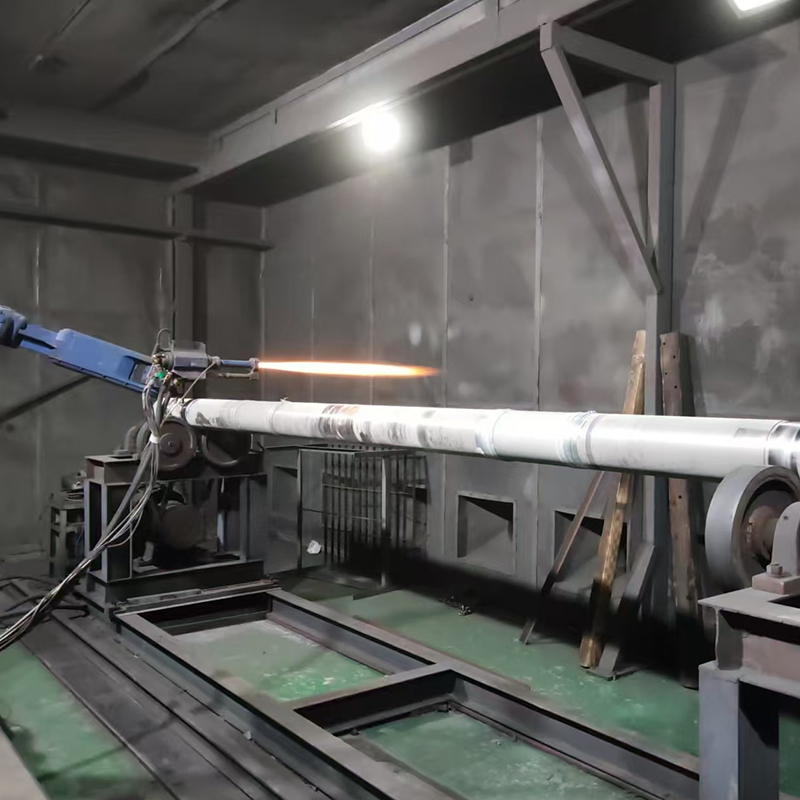
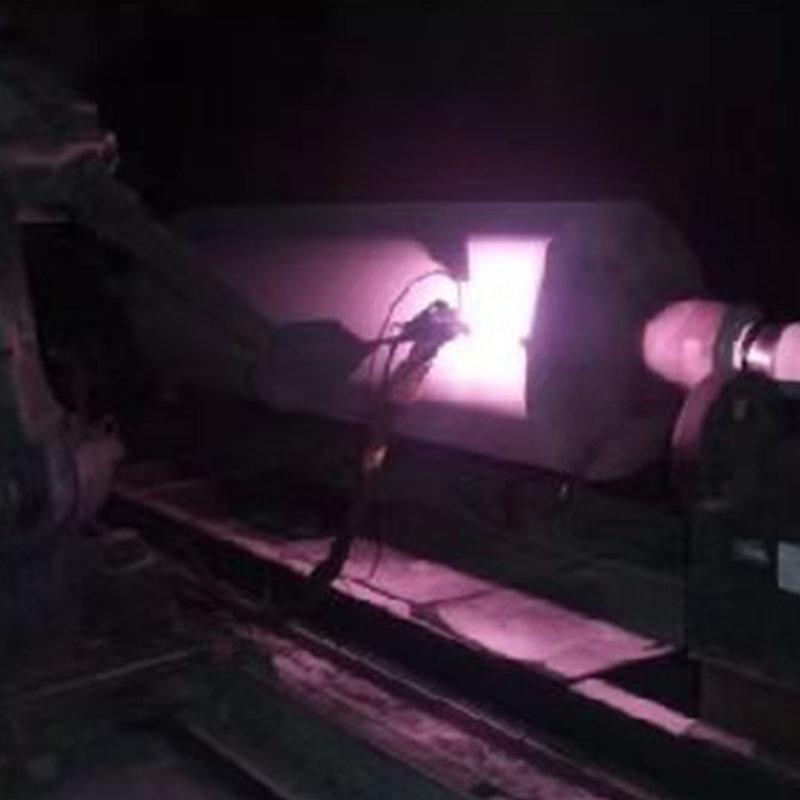
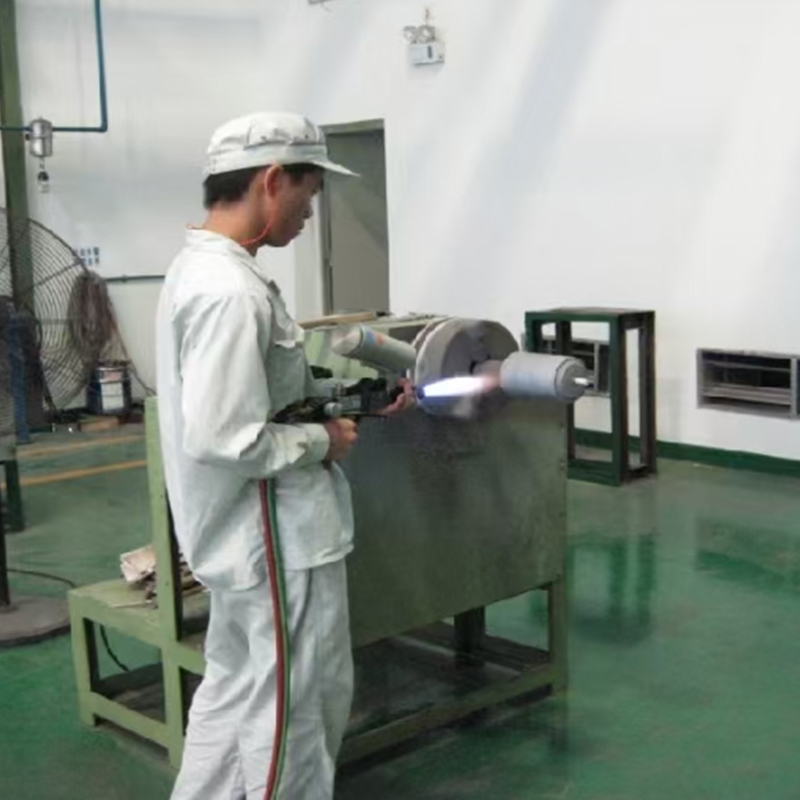
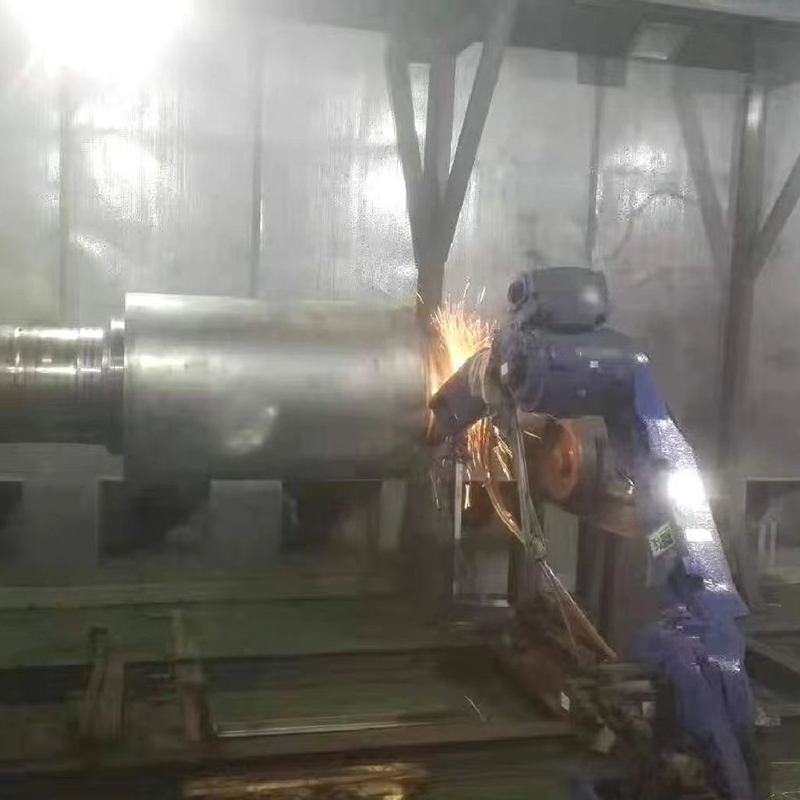
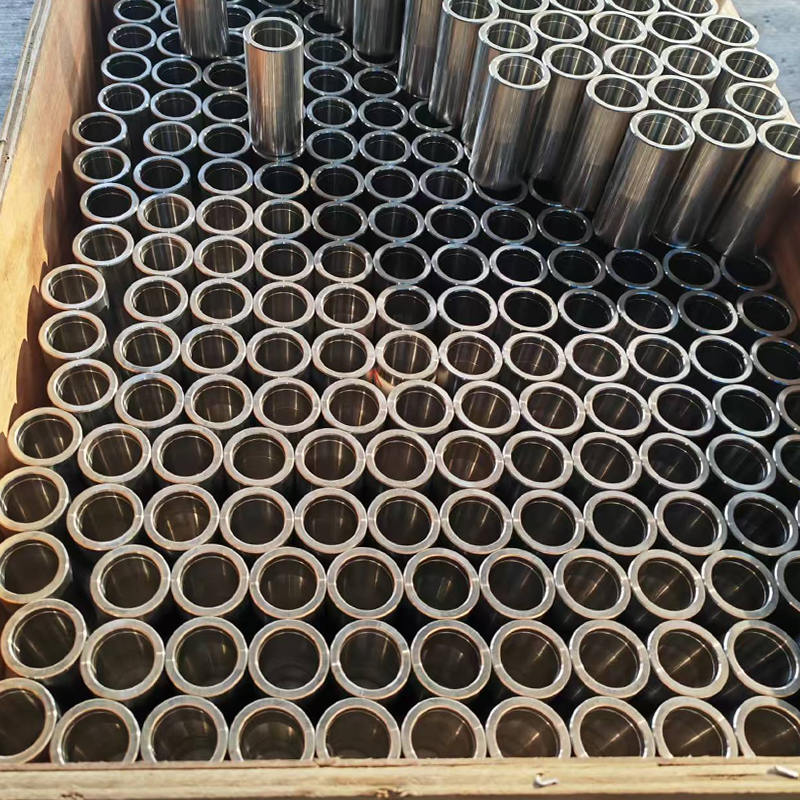
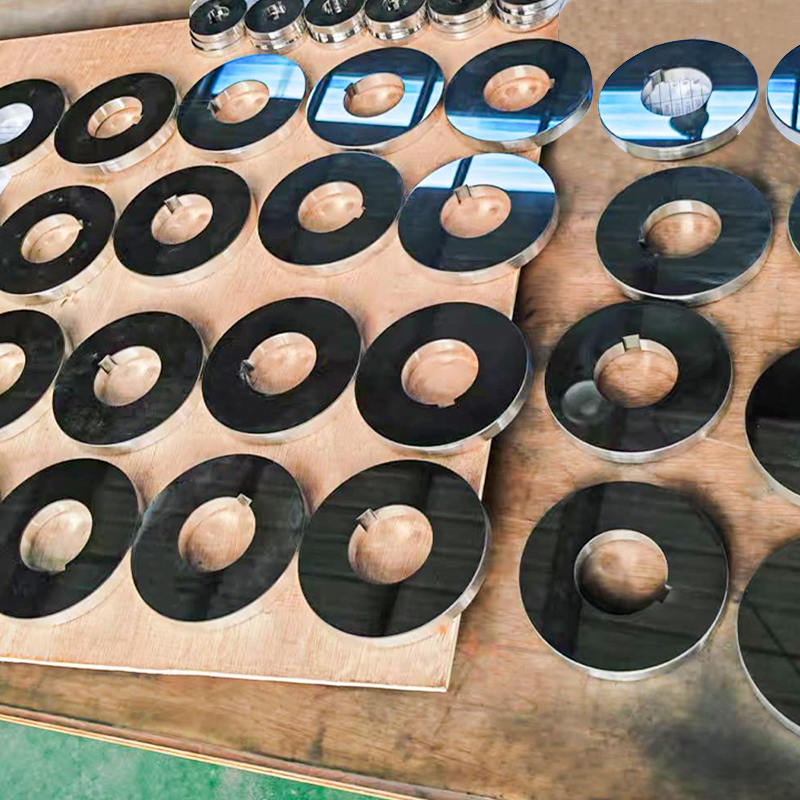
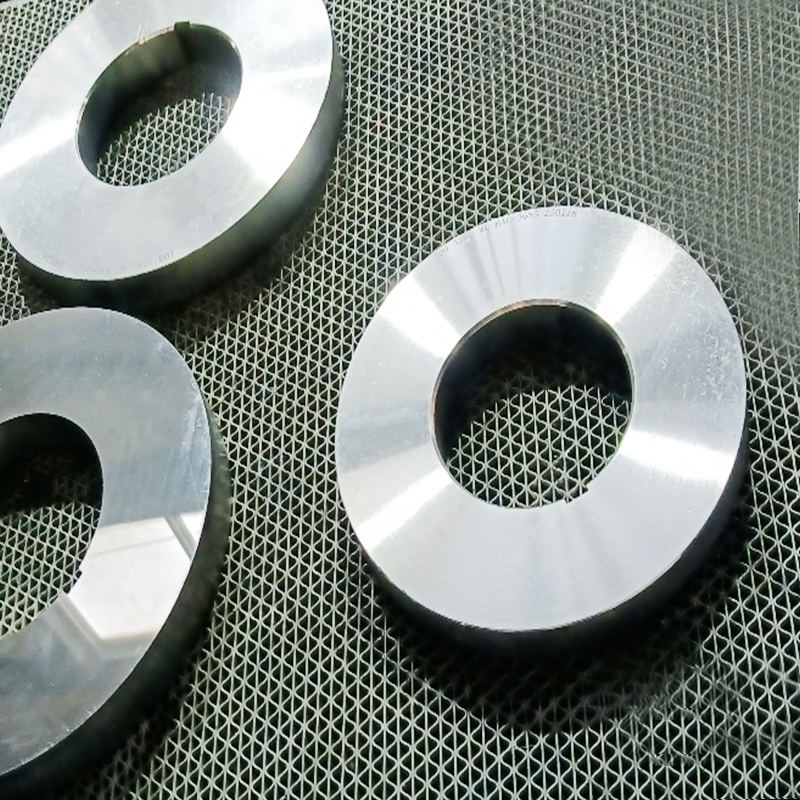
Pump seals, valve seats, nozzles, guides, and wear plates in WC-Co extend service life in abrasive slurry, high-pressure fluid, and particle-impact environments. As a thermal spray coating, WC-Co and WC-CrC-Ni powders are applied to substrate surfaces to impart hardness and wear resistance without the cost and weight of solid carbide. HVOF (high velocity oxy-fuel) spray is the dominant deposition method for WC coatings.
Consumer and Specialty Applications
WC-Co is used in jewelry — particularly rings — due to its scratch resistance (it will not be scratched by most everyday objects), high density, and polished metallic appearance. Ball point pen tips, surgical instruments, dental burs, and sports equipment (golf club inserts, spike shoe studs) all use tungsten carbide for its combination of hardness, density, and corrosion resistance.
HVOF Coatings: Applying Tungsten Carbide as a Surface Layer
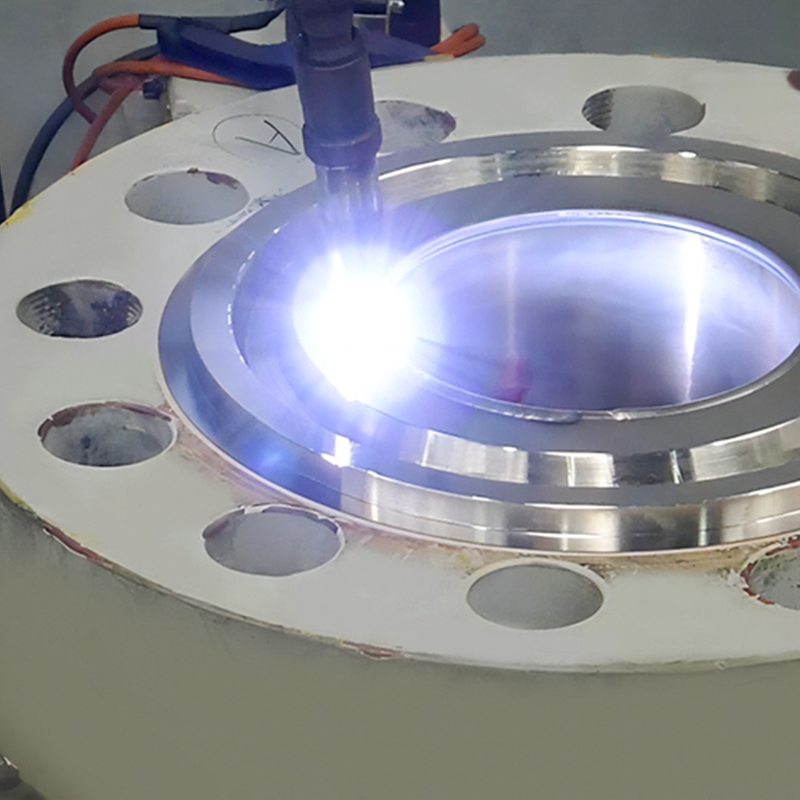
High Velocity Oxy-Fuel (HVOF) thermal spray is the most widely used process for depositing dense, well-bonded WC-based coatings onto metal substrates. Understanding how HVOF works and why it produces superior WC coatings compared to alternative spray processes is essential for specifying wear protection correctly.
How HVOF Works
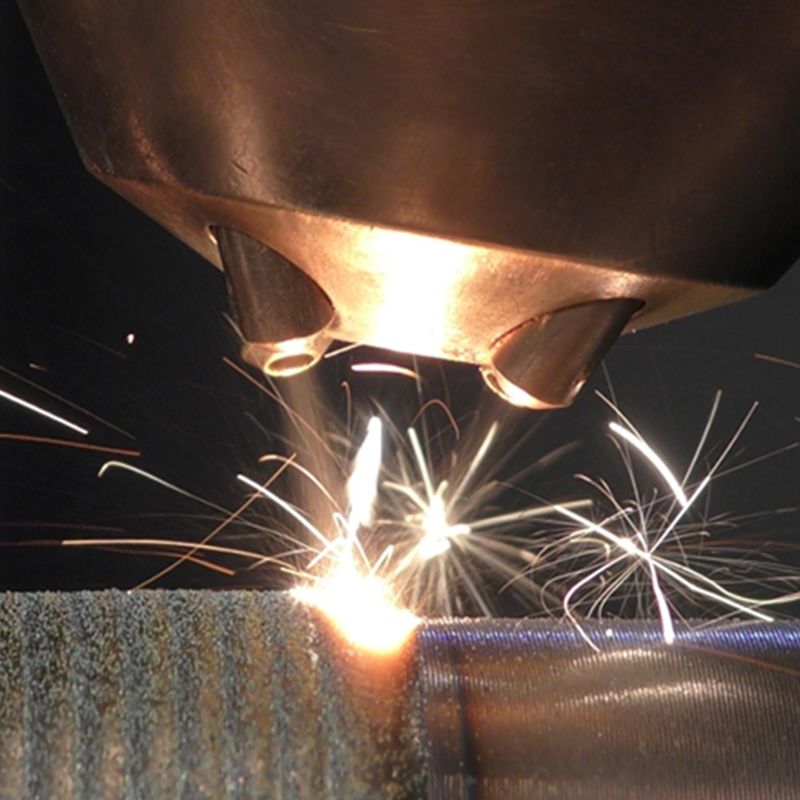
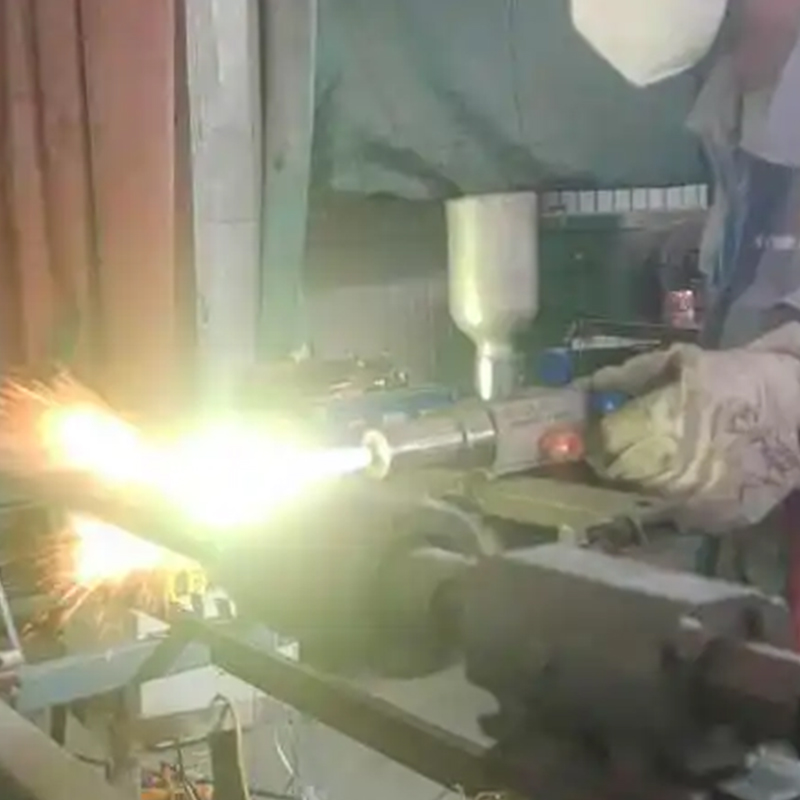
In HVOF spraying, fuel (kerosene, hydrogen, propylene, or propane) and oxygen combust continuously in a water-cooled combustion chamber at pressures of 0.4–1.0 MPa, generating a supersonic gas jet at flame temperatures of 2,500–3,200°C. Powder feedstock is injected axially into the gas stream, where particles are rapidly heated and accelerated to velocities of 600–1,000 m/s before impacting the substrate.
The extremely high particle velocity — significantly greater than plasma spray (150–400 m/s) or flame spray (50–100 m/s) — produces coatings with:
- Very low porosity: typically <1% for HVOF WC-Co vs. 2–8% for plasma-sprayed equivalents
- High bond strength: tensile adhesion of 70–100+ MPa for HVOF WC coatings vs. 30–60 MPa for plasma spray
- Compressive residual stress: the high-velocity impact creates compressive stress in the coating, improving fatigue resistance
- Minimal thermal decomposition: the relatively short particle dwell time at high temperature limits WC→W₂C decarburization, preserving coating hardness
Common HVOF WC Powder Grades
The most widely specified HVOF WC powder grades are:
- WC-12Co: 88% WC, 12% Co — excellent wear resistance, moderate toughness; most common general-purpose WC HVOF grade
- WC-17Co: 83% WC, 17% Co — higher toughness than WC-12Co; preferred for impact-wear environments
- WC-10Co-4Cr: 86% WC, 10% Co, 4% Cr — chromium addition improves corrosion resistance of the cobalt binder; preferred for wet, acidic, or marine environments
- WC-CrC-Ni: tungsten carbide combined with chromium carbide in a nickel binder — provides both high hardness and excellent corrosion resistance; used in chemical processing, food processing, and aerospace applications
HVOF WC-Co coatings typically achieve surface hardness of 1,000–1,400 HV0.3 — lower than sintered bulk WC-Co due to some decarburization during spray, but still far exceeding the hardness achievable with hard chrome plating (800–1,000 HV) which WC HVOF coatings are increasingly replacing due to superior wear performance and elimination of hexavalent chromium processing hazards.
Industrial Applications of HVOF WC Coatings
- Aerospace: landing gear components, hydraulic cylinder rods, and jet engine compressor blade erosion shields — replacing hard chrome plating on safety-critical parts
- Oil and gas: pump plungers, valve stems, and offshore drilling components subject to abrasive slurry wear
- Paper and printing: doctor blades, calendar rolls, and gravure cylinder surfaces for abrasion resistance and extended service life
- Steel industry: rolling mill guides, rolls, and conveyor components subject to abrasive wear from scale and product contact
- Mining: slurry pump impellers, housings, and pipework components exposed to abrasive particle flows
Chromium Carbide Coating: When to Choose It Over Tungsten Carbide
Chromium carbide (Cr₃C₂) is the primary alternative to WC in thermal spray wear-resistant coatings. While WC-Co dominates the ambient and moderate temperature wear coating market, chromium carbide has distinct advantages in specific application environments that make it the correct choice over tungsten carbide.
What Makes Chromium Carbide Different
Chromium carbide (Cr₃C₂) has a hardness of approximately 1,300–1,500 HV — lower than WC (~2,200 HV) but still far above most engineering alloys. Its critical advantage is high-temperature stability: Cr₃C₂ maintains its hardness and oxidation resistance up to approximately 900°C, whereas WC-Co begins to degrade above 500°C. Commercial chromium carbide coatings are almost always formulated as Cr₃C₂-25NiCr — 75% chromium carbide in a 20% Ni / 5% Cr metallic binder — which combines carbide hardness with excellent oxidation resistance from the NiCr matrix.
Key Advantages of Chromium Carbide Coatings
- High-temperature wear resistance: Cr₃C₂-NiCr coatings are the standard choice for components operating between 500°C and 900°C — gas turbine components, boiler tube shields, and hot mill rolls where WC would oxidize
- Superior corrosion resistance: the NiCr binder provides inherent oxidation and hot-gas corrosion resistance; Cr₃C₂ itself is chemically stable in many acid environments where cobalt binders are attacked
- Erosion resistance at elevated temperature: in steam and gas paths carrying particulate, Cr₃C₂-NiCr outperforms WC-Co coatings when gas temperatures exceed 500°C
- Lower density: Cr₃C₂ coatings are lighter than WC coatings (density ~5.5–6.0 g/cm³ vs. ~10–11 g/cm³ for WC-Co sprayed layers), relevant for weight-sensitive aerospace and turbine components
Chromium Carbide vs. Tungsten Carbide: Coating Selection Guide
| Criterion | WC-12Co (HVOF) | Cr₃C₂-25NiCr (HVOF) | Better Choice |
|---|---|---|---|
| Coating hardness | 1,000–1,400 HV | 700–950 HV | WC-Co |
| Abrasive wear (ambient) | Excellent | Good | WC-Co |
| Max service temperature | ~500°C | ~900°C | Cr₃C₂-NiCr |
| Oxidation resistance | Moderate | Excellent | Cr₃C₂-NiCr |
| Corrosion resistance (acidic) | Moderate (Co binder vulnerable) | Good (NiCr binder stable) | Cr₃C₂-NiCr |
| Coating density | ~10–11 g/cm³ | ~5.5–6.0 g/cm³ | Cr₃C₂-NiCr (weight) |
| Cost (powder) | Higher (W is expensive) | Lower | Cr₃C₂-NiCr |
| Primary applications | Landing gear, pump plungers, rolls | Turbine parts, boiler tubes, hot rolls | Context-dependent |
The selection rule is straightforward: use WC-Co HVOF coatings for maximum hardness and abrasive wear resistance at ambient to moderate temperatures (<500°C); use Cr₃C₂-NiCr HVOF coatings when service temperatures exceed 500°C or when oxidation and hot corrosion resistance are required alongside wear protection.
Tungsten Carbide vs. Alternative Hard Materials
Tungsten carbide does not exist in isolation — it competes with other hard materials across its application spectrum. Understanding where WC-Co is uniquely superior and where alternatives are technically or economically preferable prevents over-specification and reduces cost.
| Material | Hardness (HV) | Toughness K₁c (MPa·m½) | Max Use Temp (°C) | Relative Cost | Best Application |
|---|---|---|---|---|---|
| WC-Co (10% Co) | 1,500–1,700 | 10–15 | ~500 | High | Cutting tools, wear parts |
| High-Speed Steel (HSS) | 800–900 | 20–25 | ~550 | Low | Low-volume, complex tooling |
| Alumina (Al₂O₃) ceramic | 1,600–2,000 | 3–5 | ~1,500 | Moderate | High-speed cast iron cutting |
| Silicon carbide (SiC) | 2,500–3,000 | 3–4 | ~1,400 | Moderate | Abrasives, seals, pump parts |
| PCBN (polycrystalline CBN) | 3,000–4,500 | 5–8 | ~1,000 | Very high | Hardened steel machining |
| PCD (polycrystalline diamond) | 5,000–8,000 | 6–10 | ~700 (oxidizes) | Extremely high | Non-ferrous, composite machining |
WC-Co occupies the critical middle ground in this spectrum: it delivers hardness far exceeding steel tools, toughness far exceeding monolithic ceramics, and a cost point far below PCBN and PCD — which is precisely why it dominates industrial machining, wear protection, and materials processing applications globally.

 TOP
TOP