
 ENG
ENG
 English
 عربى
عربى Español
 中文简体
中文简体
Content
- 1 What Is Thermal Spray and How Does It Work?
- 2 Major Thermal Spray Processes Compared
- 3 Ceramic Thermal Spray Coatings: Properties and Industrial Uses
- 4 Tungsten Carbide Coating: The Gold Standard for Wear Protection
- 5 Tungsten Carbide vs. Hard Chrome: A Practical Comparison
- 6 Selecting the Right Thermal Spray Coating for Your Application
- 7 Quality Control and Testing Standards for Thermal Spray Coatings
- 8 Emerging Developments in Thermal Spray Technology
What Is Thermal Spray and How Does It Work?
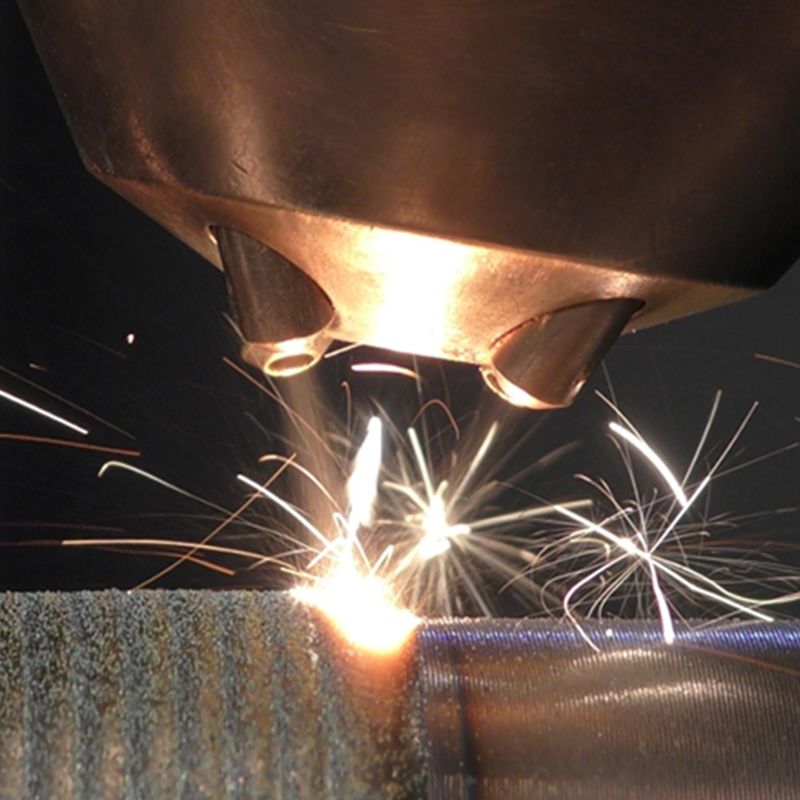
Thermal spray is a surface engineering process in which melted or semi-melted materials are propelled onto a substrate to form a protective or functional coating. The feedstock material — which can be a powder, wire, or rod — is heated to a molten or near-molten state using a heat source such as a plasma arc, combustion flame, or high-velocity gas stream. Upon impact with the substrate, the particles flatten, solidify rapidly, and interlock to build up a dense coating layer. The result is a bonded structure that dramatically alters the surface properties of the base material without changing its bulk characteristics.
The versatility of thermal spray lies in its ability to apply a wide range of materials — metals, ceramics, cermets, and polymers — onto virtually any substrate geometry. It is used across aerospace, oil and gas, power generation, automotive, and heavy industry sectors to restore worn components, extend service life, and protect against corrosion, oxidation, and abrasion. Understanding the different thermal spray processes and the coating materials available is essential for engineers selecting the right solution for a given application.
Major Thermal Spray Processes Compared
Not all thermal spray processes are equal. Each method differs in flame temperature, particle velocity, coating density, bond strength, and the types of materials it can process. Selecting the correct process is just as important as selecting the correct coating material. Below is a comparison of the most widely used thermal spray technologies:
| Process | Heat Source | Particle Velocity | Coating Density | Typical Applications |
| Flame Spray | Oxy-fuel combustion | Low (~80 m/s) | Moderate (85–90%) | General corrosion protection, zinc/aluminum coatings |
| Arc Spray | Electric arc | Medium (~100 m/s) | Moderate (85–92%) | Structural steel protection, large area coverage |
| Plasma Spray (APS) | Plasma arc | High (~200–400 m/s) | High (90–95%) | Ceramic coatings, thermal barrier coatings, aerospace |
| HVOF | High-velocity oxy-fuel | Very High (~600–900 m/s) | Very High (95–99%) | Tungsten carbide coatings, wear-critical components |
| Cold Spray | Compressed gas (no melting) | Very High (~500–1000 m/s) | High (95–99%) | Oxidation-sensitive metals, dimensional restoration |
Each process has specific strengths. HVOF stands out for producing extremely dense, well-bonded coatings with low porosity and residual compressive stress — making it the preferred choice for tungsten carbide and other hard cermet coatings. Plasma spray, on the other hand, achieves the extreme temperatures necessary to melt high-melting-point ceramics like zirconia and alumina.
Ceramic Thermal Spray Coatings: Properties and Industrial Uses
Ceramic thermal spray coatings are applied to protect components that must withstand extreme heat, electrical insulation demands, or aggressive chemical environments. Unlike metallic coatings, ceramics offer exceptionally high melting points, low thermal conductivity, and chemical inertness — but they are inherently brittle and require precise application techniques to perform reliably in service.
Common Ceramic Coating Materials
Several ceramic materials are frequently used in thermal spray operations, each suited to a different performance requirement:
- Yttria-Stabilized Zirconia (YSZ): The most widely used thermal barrier coating (TBC) in gas turbines and jet engines. YSZ has extremely low thermal conductivity (~2.0 W/m·K) and can insulate metal substrates from combustion temperatures exceeding 1400°C, protecting blades and vanes from thermal fatigue.
- Alumina (Al₂O₃): Provides excellent electrical insulation and hardness. Alumina coatings are applied to rollers, shafts, and pump housings exposed to sliding abrasion and moderate chemical attack. Alumina-titania blends offer improved toughness compared to pure alumina.
- Chromia (Cr₂O₃): One of the hardest spray-applied ceramic coatings, with Vickers hardness values often exceeding 1200 HV. It is used in textile machinery, paper mill rollers, and hydraulic components where both wear and corrosion resistance are required.
- Titania (TiO₂): Often blended with alumina to improve coating flexibility. Pure titania is used in biomedical implant coatings and as a photocatalytic surface in certain industrial applications.
Application Considerations for Ceramic Coatings
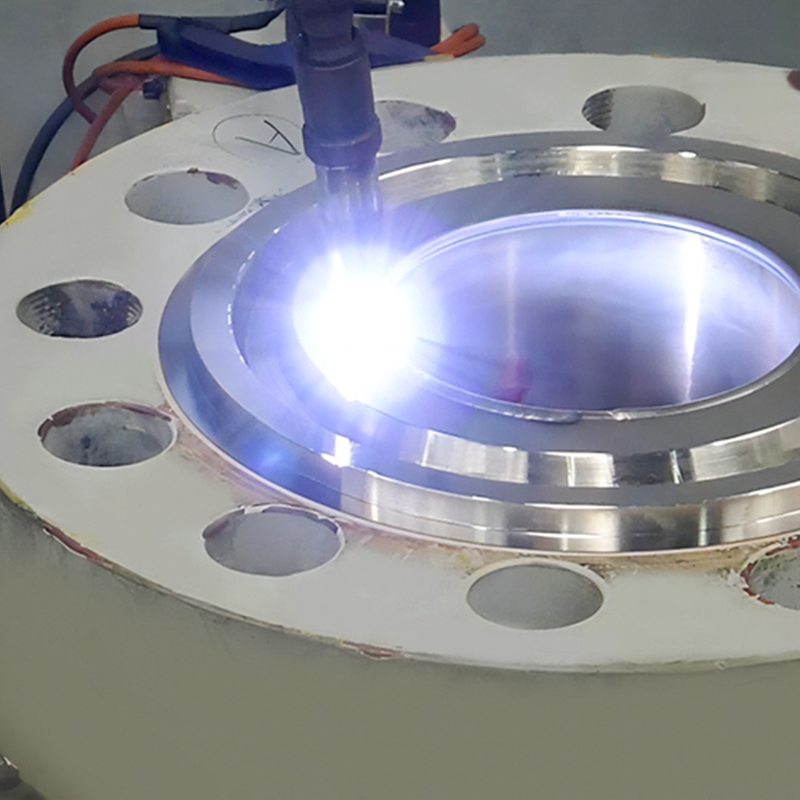
Because ceramics have poor adhesion to metals without a bond coat, a metallic bond layer — typically NiCrAlY, NiAl, or MCrAlY — is first applied to the substrate before the ceramic topcoat. This intermediate layer compensates for the coefficient of thermal expansion (CTE) mismatch between the ceramic and the metal, reducing delamination risk during thermal cycling. Plasma spray (APS or VPS) is the dominant process for ceramic deposition because its plasma jet temperature can exceed 15,000°C, easily melting even the most refractory ceramic powders.
Post-spray sealing of ceramic coatings with inorganic or organic sealants is common practice in corrosive environments, as the inherent porosity of thermally sprayed ceramics can allow electrolytes or aggressive gases to reach the substrate through interconnected pores.
Tungsten Carbide Coating: The Gold Standard for Wear Protection
Among all thermal spray coating materials, tungsten carbide-based coatings represent the highest performance solution for components subjected to severe abrasion, erosion, and sliding wear. Tungsten carbide (WC) is an extremely hard material with a Vickers hardness in bulk form exceeding 2400 HV, but in thermal spray applications it is always used as a cermet — a composite of carbide particles bound in a metallic matrix, most commonly cobalt (Co) or nickel (Ni) or a nickel-chromium (NiCr) alloy.
Why WC-Co and WC-CoCr Are the Most Specified Grades
The two most commonly specified tungsten carbide spray coating compositions are WC-12Co and WC-10Co-4Cr. The cobalt binder provides toughness and ductility that pure carbide lacks, preventing brittle fracture under impact loads. The addition of chromium in WC-10Co-4Cr dramatically improves corrosion resistance in aqueous and acidic environments, making it the preferred choice for hydraulic rod coatings and pump shafts exposed to seawater or chemical process fluids.
A well-applied HVOF WC-Co coating typically achieves porosity below 1%, hardness in the range of 1100–1300 HV, and bond strength exceeding 70 MPa. These properties are difficult to match with any alternative surface treatment short of hard chrome plating, which is increasingly restricted due to hexavalent chromium (Cr⁶⁺) toxicity under environmental regulations including REACH and EPA standards.
How HVOF Tungsten Carbide Spray Coating Is Applied
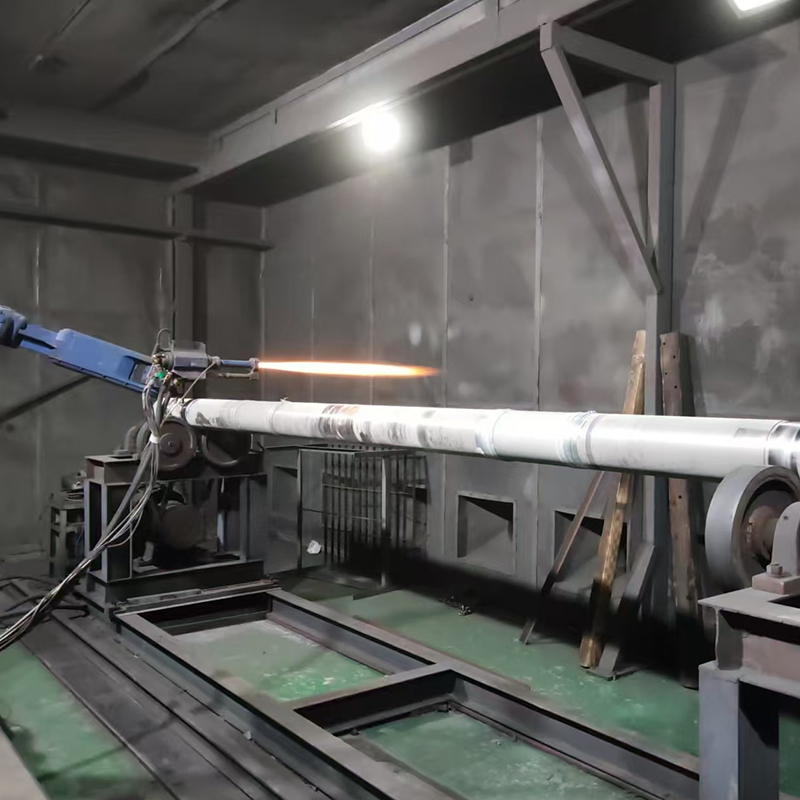
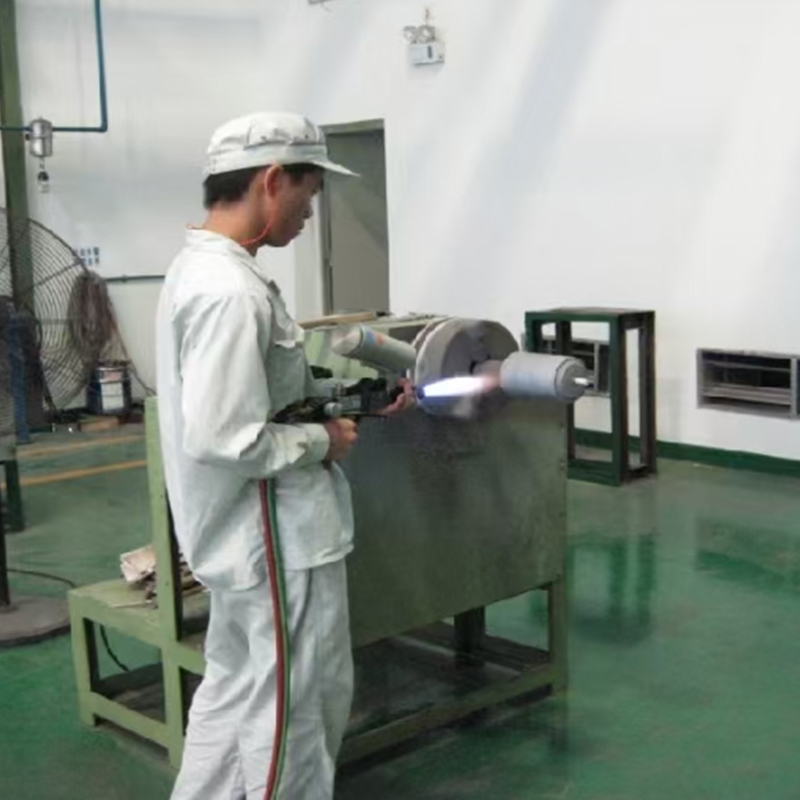
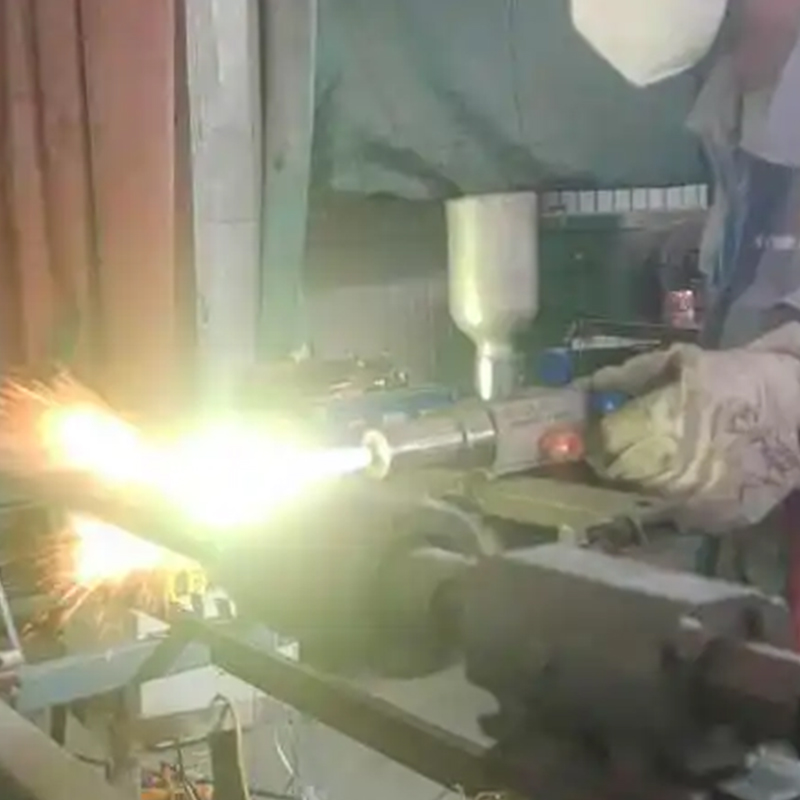
The HVOF (High Velocity Oxy-Fuel) process is the established standard for applying tungsten carbide spray coatings. In this process, a fuel gas (propylene, propane, hydrogen, or kerosene) is combusted with oxygen in a specially designed chamber, generating a high-pressure gas stream that accelerates powder particles to supersonic velocities — often between 600 and 900 m/s. The key advantage is that high kinetic energy, rather than thermal energy alone, drives particle bonding. This means WC particles arrive at the substrate without full melting, which is critical because WC begins to decompose above ~2600°C, converting to W₂C and free carbon — a phenomenon called decarburization — that significantly degrades coating hardness and wear performance.
A typical HVOF tungsten carbide coating application follows this sequence:
- Surface preparation: Grit blasting with aluminum oxide or steel grit to Sa 2.5 cleanliness and a surface roughness of Ra 3–6 µm to maximize mechanical adhesion.
- Preheating: The substrate is preheated to 50–80°C to remove moisture and stabilize thermal conditions during spraying.
- HVOF spraying: WC-Co or WC-CoCr powder (typically 15–45 µm particle size range) is injected into the HVOF gun and deposited in multiple passes to build up the desired coating thickness, typically 150–400 µm for most industrial applications.
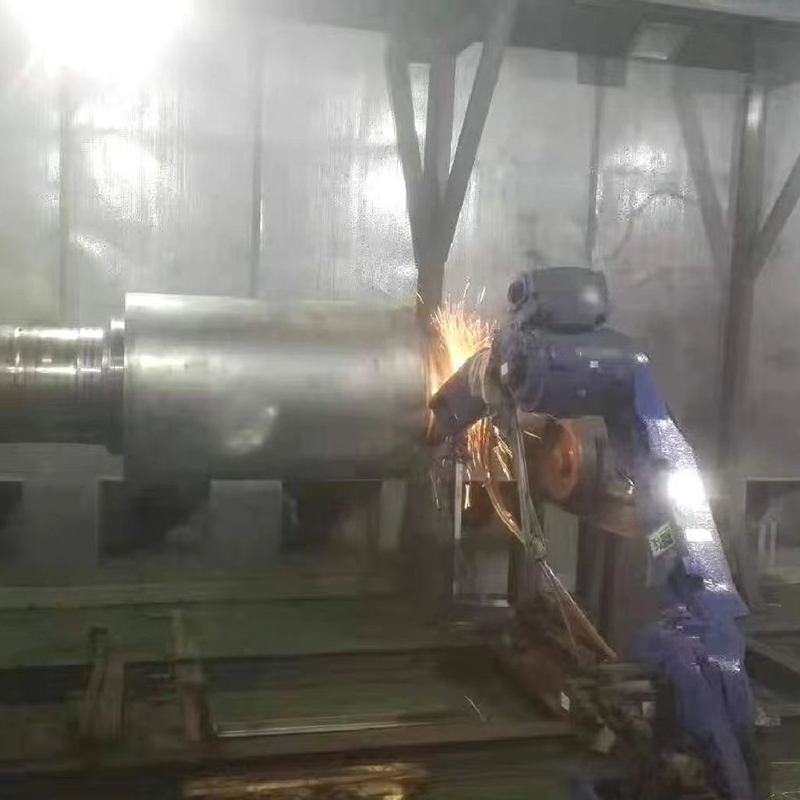
- Grinding and finishing: Because HVOF coatings have high surface roughness as-sprayed (Ra 3–8 µm), diamond grinding is performed to achieve the dimensional tolerances and surface finish required for precision components such as hydraulic cylinders and pump plungers.
Tungsten Carbide vs. Hard Chrome: A Practical Comparison
Tungsten carbide thermal spray coatings are widely regarded as the premier replacement for electroplated hard chrome (EHC). Hard chrome has historically been the default surface treatment for hydraulic rods, landing gear components, and industrial rolls, but tightening environmental regulations around hexavalent chromium have created strong market and regulatory pressure to transition to alternative technologies. The following comparison highlights the key performance and compliance differences:
| Property | HVOF WC-CoCr Coating | Electroplated Hard Chrome |
| Hardness (HV) | 1100–1300 | 800–1000 |
| Porosity | <1% | Micro-cracked, porous network |
| Abrasion Resistance | Superior | Good |
| Corrosion Resistance | Excellent (with CoCr binder) | Moderate (depends on thickness) |
| Environmental Compliance | Fully compliant (REACH, RoHS) | Restricted/banned in many regions |
| Bond Strength | >70 MPa | Electrochemically bonded |
| Hydrogen Embrittlement Risk | None | Significant risk for high-strength steels |
Selecting the Right Thermal Spray Coating for Your Application
Choosing the correct thermal spray coating system requires a systematic evaluation of the operating environment, failure mode, substrate material, dimensional requirements, and budget. A coating that performs excellently in one application may fail prematurely in another if the dominant wear or degradation mechanism is different. The following framework helps narrow down the right solution:
Identify the Primary Failure Mechanism
Before selecting any coating, engineers must determine whether the component is failing primarily due to abrasive wear, erosion, adhesive wear, fretting, high-temperature oxidation, corrosion, or a combination of these. For example, a pump impeller eroding due to sand-laden fluid requires a different solution than a boiler tube experiencing high-temperature oxidation. Misidentifying the failure mechanism is the most common reason thermal spray coatings underperform in service.
Match Coating Material to Environment
The general matching logic for common environments is as follows:
- Severe dry abrasion: HVOF WC-Co or WC-CoCr; hardness and carbide content are the dominant properties.
- Wet abrasion or corrosion-wear: HVOF WC-CoCr or HVOF Cr₃C₂-NiCr (chromium carbide for higher temperature environments above 500°C).
- High-temperature oxidation (up to 1000°C): MCrAlY bond coats with YSZ ceramic topcoat for thermal barrier; or alumina/chromia coatings for moderate temperature oxidation protection.
- Electrical insulation: Plasma-sprayed alumina or alumina-titania coatings on metal substrates.
- Dimensional restoration: Arc-sprayed or flame-sprayed stainless steel, bronze, or Babbitt metal to rebuild worn surfaces to original dimensions.
Consider Substrate Sensitivity and Geometry
The thermal spray process must be compatible with the substrate's sensitivity to heat and geometry. High-strength steel components such as aircraft landing gear are susceptible to hydrogen embrittlement from electrochemical processes, making HVOF thermal spray an especially attractive alternative. Complex internal geometries or small-diameter bores may limit access for spray guns, which typically require a line-of-sight between the gun nozzle and the substrate surface. In these cases, specialized internal diameter (ID) spray guns or alternative processes may be needed.
Quality Control and Testing Standards for Thermal Spray Coatings
For thermal spray coatings to perform reliably in safety-critical or long-service-life applications, consistent process control and post-application testing are non-negotiable. The industry operates under several key standards and testing protocols that govern coating acceptance:
- ASTM C633: Standard test method for adhesion or cohesion strength of thermal spray coatings using tensile pull-off testing. A minimum bond strength value (typically ≥35 MPa for structural coatings, ≥70 MPa for HVOF carbide coatings) is specified.
- ASTM B833 / ISO 14923: Standards covering thermal spray processes and quality requirements for thermally sprayed metallic and ceramic coatings.
- Metallographic cross-section analysis: Polished cross-sections are examined under optical or scanning electron microscopy (SEM) to measure porosity, oxide content, unmelted particle fraction, coating thickness, and interface integrity.
- Vickers hardness testing (HV0.3 or HV1): Microhardness measurements confirm that the deposited coating has achieved the expected hardness range. For HVOF WC-Co coatings, typical acceptance criteria are 1050–1300 HV.
- ASTM G65 (dry sand rubber wheel abrasion): Quantifies the abrasion resistance of wear coatings under standardized conditions, allowing direct comparison between candidate coating materials and processes.
Leading thermal spray applicators maintain spray parameter logs, powder certification records, and test coupon results as part of a documented quality management system (QMS) aligned with ISO 9001 or AS9100 (aerospace) requirements. Process qualification through witness testing and approval by original equipment manufacturers (OEMs) or end-users is common in aerospace and oil and gas sectors where component failure carries high consequences.
Emerging Developments in Thermal Spray Technology
The thermal spray industry continues to evolve with advances in powder manufacturing, process control, and novel coating architectures. High-Velocity Air Fuel (HVAF) spray is gaining traction as a lower-cost, higher-velocity alternative to traditional HVOF for WC-based coatings, offering even lower decarburization and higher deposition efficiency. Suspension plasma spray (SPS) and solution precursor plasma spray (SPPS) enable the deposition of nanostructured or columnar-structured ceramic coatings with superior thermal cycling resistance compared to conventional plasma spray YSZ — critical for next-generation gas turbine thermal barrier coatings operating at higher firing temperatures.
In the field of tungsten carbide coatings, research into nanostructured WC-Co powders (carbide grain size below 200 nm) has demonstrated significant improvements in hardness and toughness simultaneously — a combination that is difficult to achieve in conventional coarse-grained systems. Additive manufacturing and robotic automation of spray gun motion are also improving coating uniformity on complex 3D geometries, reducing human variability in the spray process and enabling tighter control of coating thickness distribution across large or geometrically complex components.

 TOP
TOP