
 ENG
ENG
 English
 عربى
عربى Español
 中文简体
中文简体
Content
- 1 Understanding Abrasion Resistant and Corrosion Resistant Coatings
- 2 Types of Abrasion Resistant Coatings and How They Perform
- 3 Corrosion Resistant Coatings: Mechanisms and Material Choices
- 4 Wear-Resistant Bushings: Design, Materials, and Coating Specifications
- 5 Wear-Resistant Plungers: Surface Engineering for Extended Service Life
- 6 Comparing Abrasion and Corrosion Resistant Coating Technologies Side by Side
- 7 Surface Preparation and Application Process for Maximum Coating Adhesion
- 8 Industries and Components That Benefit Most from Abrasion and Corrosion Resistant Coatings
- 9 Practical Specification Checklist for Abrasion and Corrosion Resistant Coating Projects
Understanding Abrasion Resistant and Corrosion Resistant Coatings
Abrasion resistant coatings and corrosion resistant coatings are two of the most critical surface engineering solutions deployed across heavy industry, oil and gas, mining, hydraulics, and manufacturing. While their names suggest distinct functions, in practice the most demanding industrial applications require both properties simultaneously — a pump plunger operating in a sand-laden, chemically aggressive slurry must resist abrasive particle cutting, erosive impingement, and electrochemical corrosion attack all at once. Understanding what differentiates these coating types at a material and microstructural level is essential for specifying the right solution for a given application.
Abrasion resistant coatings work by presenting an extremely hard surface that resists the penetration and plowing action of abrasive particles. The coating material must have hardness significantly greater than the abrasive medium — a common rule of thumb is that a surface needs to be at least 20% harder than the abrasive to enter the "soft abrasive" wear regime where wear rates drop dramatically. Corrosion resistant coatings, by contrast, protect by either forming a chemically inert barrier that prevents electrolytes from reaching the substrate, by acting as a sacrificial anode (cathodic protection), or by maintaining a passive oxide layer that self-heals when breached. The most sophisticated coating systems combine a dense, hard cermet or ceramic layer for abrasion resistance with a corrosion-resistant binder chemistry or sealed microstructure to address both degradation mechanisms.
Types of Abrasion Resistant Coatings and How They Perform
The selection of an abrasion resistant coating depends on the nature of the abrasive, the severity of the wear regime, operating temperature, and whether chemical attack is a concurrent factor. Several distinct coating technologies are available, each with characteristic performance profiles and application niches.
Tungsten Carbide Cermet Coatings by HVOF
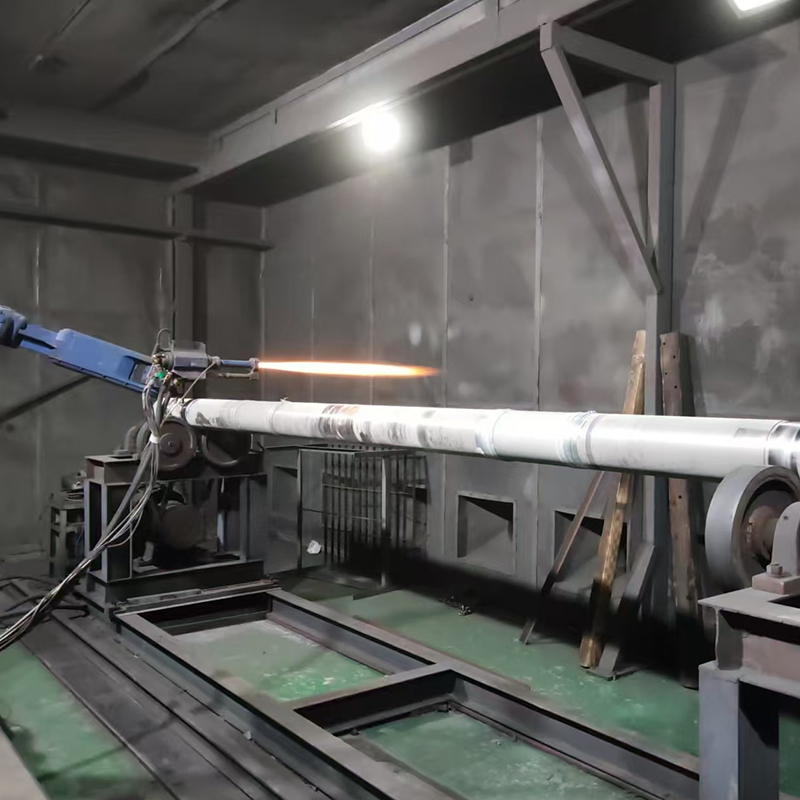
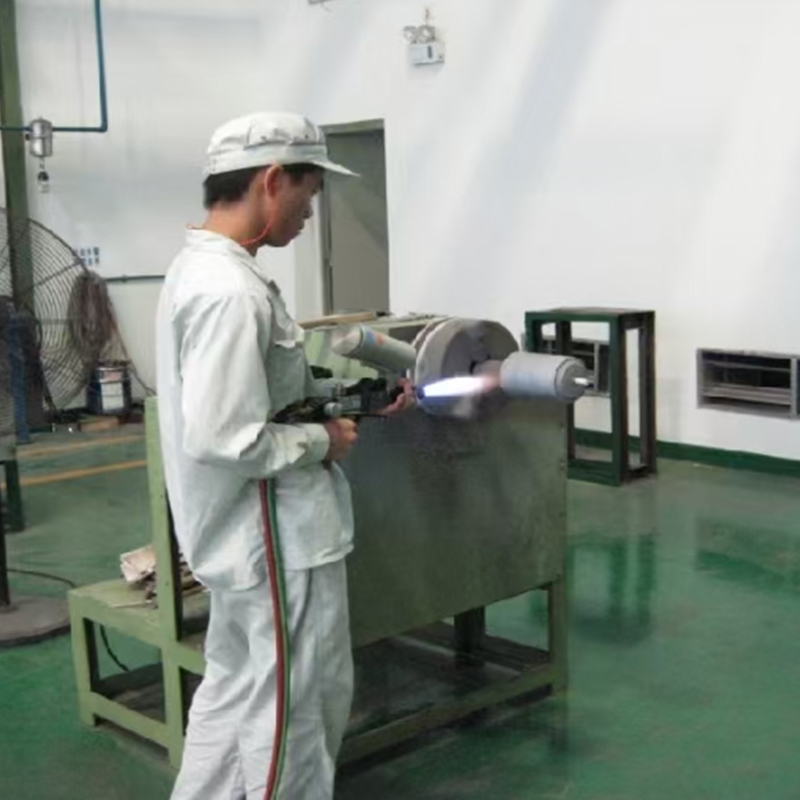
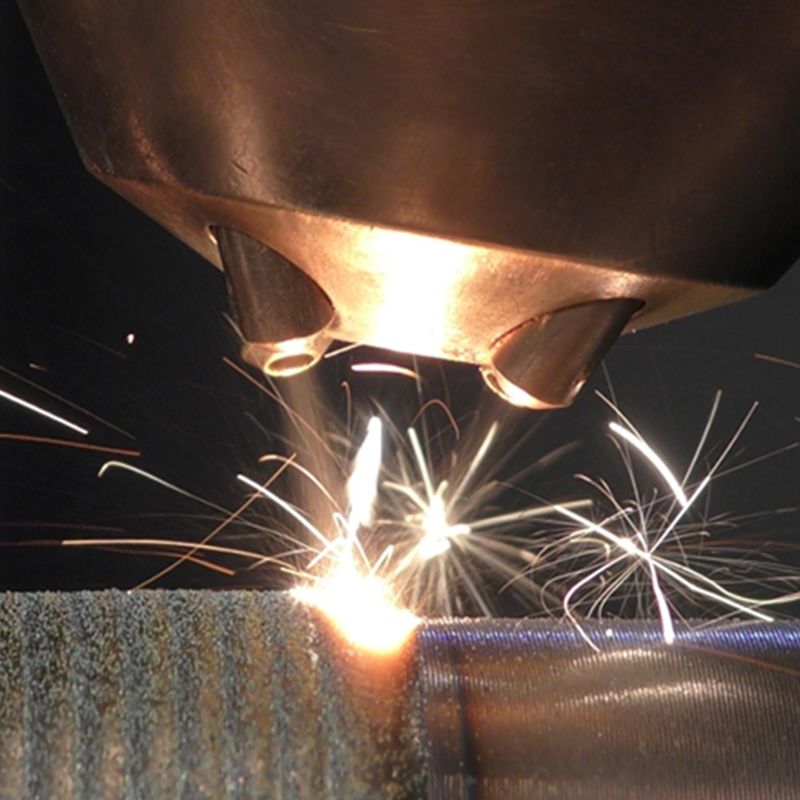
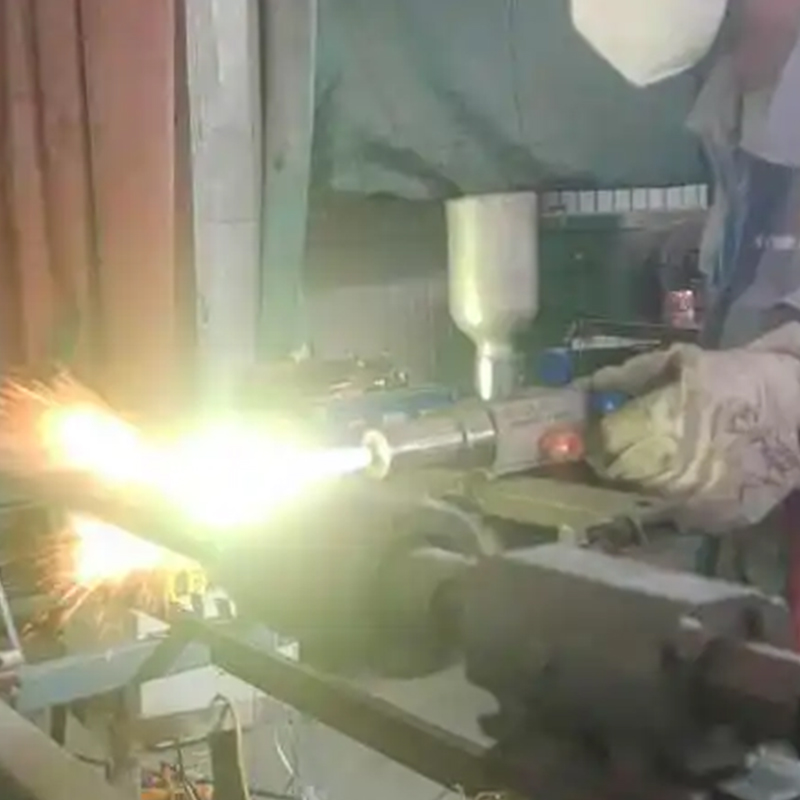
High Velocity Oxygen Fuel (HVOF) sprayed tungsten carbide coatings — particularly WC-12Co, WC-17Co, and WC-10Co-4Cr grades — represent the highest-performing abrasion resistant coatings available for components operating at temperatures below 500°C. The WC hard phase, with intrinsic hardness exceeding 2,400 HV, is distributed within a tough metallic binder (cobalt or cobalt-chromium) that provides fracture resistance and prevents brittle spallation under impact loads. HVOF processing accelerates partially molten particles to 600–900 m/s, producing coatings with porosity below 1%, hardness values of 1,050–1,350 HV, and tensile adhesion strengths exceeding 70 MPa. In standardized abrasion testing per ASTM G65 (dry rubber wheel test), HVOF WC-Co coatings exhibit wear volumes 10–50 times lower than hardened steel and 5–15 times lower than hard chrome plating. These coatings are specified for hydraulic pump plungers, extruder screws, fan blade leading edges, coal mill classifier vanes, and slurry pipeline components where service life extension of 3–10× compared to uncoated steel is routinely achieved.
Chromium Carbide Coatings for High-Temperature Abrasion
Where operating temperatures exceed 500°C — beyond which WC undergoes oxidative decomposition — chromium carbide coatings, primarily Cr₃C₂-NiCr (typically 75% Cr₃C₂, 25% NiCr binder), become the preferred abrasion resistant solution. Cr₃C₂-NiCr coatings maintain hardness values of 850–1,000 HV at elevated temperatures, provide excellent resistance to oxidation and hot corrosion, and are used on boiler tube panels, gas turbine compressor blades, hot forming dies, and glass mold surfaces. The NiCr binder phase provides oxidation resistance through chromia scale formation, while the chromium carbide hard phase resists abrasive particle penetration. HVOF-deposited Cr₃C₂-NiCr coatings demonstrate wear rates 20–40 times lower than 316 stainless steel at 800°C in erosion testing.
Ceramic Abrasion Resistant Coatings
Alumina (Al₂O₃), chromia (Cr₂O₃), and alumina-titania (Al₂O₃-13%TiO₂) plasma-sprayed ceramic coatings provide excellent abrasion resistance in applications where electrical insulation, chemical inertness, or very high surface hardness are simultaneously required. Plasma-sprayed chromia achieves coating hardness values of 1,200–1,400 HV, making it one of the hardest achievable ceramic thermal spray materials. It is extensively used on textile machinery thread guides, anilox printing rolls, and pump sleeves handling mildly corrosive abrasive fluids. Alumina-13% titania offers a hardness of approximately 850 HV with improved fracture toughness compared to pure alumina, making it more resistant to chipping under impact loading. Ceramic coatings are limited by their brittleness under concentrated impact loads and by the thermal stress-induced microcracking that can occur during rapid thermal cycling.
Hard Chrome and Its Industrial Alternatives
Electroplated hard chrome has historically been the most widely used abrasion resistant coating in hydraulic and precision engineering, offering hardness of 850–1,050 HV, low friction, and excellent surface finish. However, the hexavalent chromium (Cr⁶⁺) electroplating bath is severely regulated under REACH (EU), the US Clean Air Act, and equivalent legislation in most industrial nations due to its carcinogenicity. This has driven large-scale qualification of HVOF WC-CoCr coatings as hard chrome replacements — a program led by the US Department of Defense (SERDP program) and European aerospace OEMs. HVOF WC-10Co-4Cr demonstrably outperforms hard chrome in wear resistance (5–10× lower wear in reciprocating sliding tests), corrosion resistance (3–5× longer salt spray test life), and fatigue life (no hydrogen embrittlement, which is a significant failure mechanism in hard chrome plating of high-strength steel substrates).
Corrosion Resistant Coatings: Mechanisms and Material Choices
Corrosion resistant coatings must be matched not only to the substrate material but to the specific corrosive environment — the chemistry of the medium (pH, dissolved ions, oxidizing or reducing character), temperature, flow velocity, and the electrochemical potential relationship between coating and substrate are all determining factors in coating selection and expected service life.
Sacrificial Metallic Coatings: Zinc, Aluminum, and Zn-Al Alloys
Thermally sprayed zinc and aluminum coatings provide corrosion protection to steel structures through a dual mechanism: barrier protection (the dense metallic coating physically separates the steel from the environment) and sacrificial cathodic protection (zinc and aluminum are electrochemically more active than steel, so they corrode preferentially, protecting the substrate even through coating pores or damage). Arc-sprayed zinc coatings of 100–150 μm thickness on structural steelwork comply with ISO 2063 and have demonstrated service lives exceeding 40 years in marine atmospheric and immersion environments, dramatically outperforming organic paint systems. Zn-15Al alloy coatings combine the cathodic activity of zinc with the superior barrier properties of aluminum oxide, extending service life further. These coatings are specified on bridges, offshore platforms, wind turbine towers, and container ship hulls as primary corrosion protection, often sealed with an inorganic or epoxy sealant to eliminate any residual porosity.
Nickel-Based Alloy Coatings for Chemical Process Equipment
For components exposed to concentrated acids, alkalis, chloride solutions, and high-temperature oxidizing gases, nickel-based alloy coatings — Inconel 625 (NiCrMoNb), Hastelloy C-276 (NiCrMoW), and NiCrAlY — provide outstanding corrosion resistance combined with moderate hardness (250–450 HV) and ductility. HVOF-sprayed Inconel 625 coatings with porosity below 0.5% and minimal oxidation are applied on chemical reactor vessels, heat exchanger tubes, paper and pulp digester components, and seawater pump casings. The high chromium content (21%) and molybdenum content (9%) of Inconel 625 give it exceptional resistance to pitting, crevice corrosion, and stress corrosion cracking in chloride environments. HVOF deposition, rather than plasma spray, is preferred for these alloys because the lower heat input minimizes selective element oxidation (particularly chromium) and maximizes coating density.
WC-CoCr as a Combined Wear and Corrosion Resistant Coating
WC-10Co-4Cr is the most widely used coating material where simultaneous abrasion resistance and corrosion resistance are required. The chromium addition to the cobalt binder forms a passive Cr₂O₃ surface film that resists corrosion in environments with pH ranging from 4 to 10 and in marine salt spray. Compared to WC-12Co, which suffers binder dissolution in acidic or marine environments that undermines the WC framework and leads to accelerated wear, WC-10Co-4Cr maintains its integrity and mechanical properties significantly longer in corrosive-abrasive service. Electrochemical testing in 3.5% NaCl solution shows WC-10Co-4Cr HVOF coatings with corrosion current densities (Icorr) 5–10 times lower than WC-12Co, reflecting the improved passivation provided by the chromium-enriched binder.
Polymer and Epoxy Corrosion Barrier Coatings
In applications where wear is not a primary concern but corrosion protection of large surface areas at minimum cost is the objective, high-build epoxy, novolac epoxy, and fluoropolymer (PTFE, PVDF, Halar ECTFE) coatings offer practical solutions. Novolac epoxy coatings applied at 500–1,000 μm dry film thickness provide excellent resistance to concentrated sulfuric acid, solvents, and hydrocarbon chemicals on tank liners, pipe internals, and process vessel interiors. PTFE-based coatings add non-stick and low-friction properties alongside chemical resistance, making them valuable on food processing equipment, chemical reactor internals, and valve components where product adhesion or contamination must be prevented. These coatings are limited by their operating temperature ceiling (typically 120–260°C depending on polymer type), low hardness (Shore D 50–80), and susceptibility to mechanical damage from impact or concentrated point loads.
Wear-Resistant Bushings: Design, Materials, and Coating Specifications
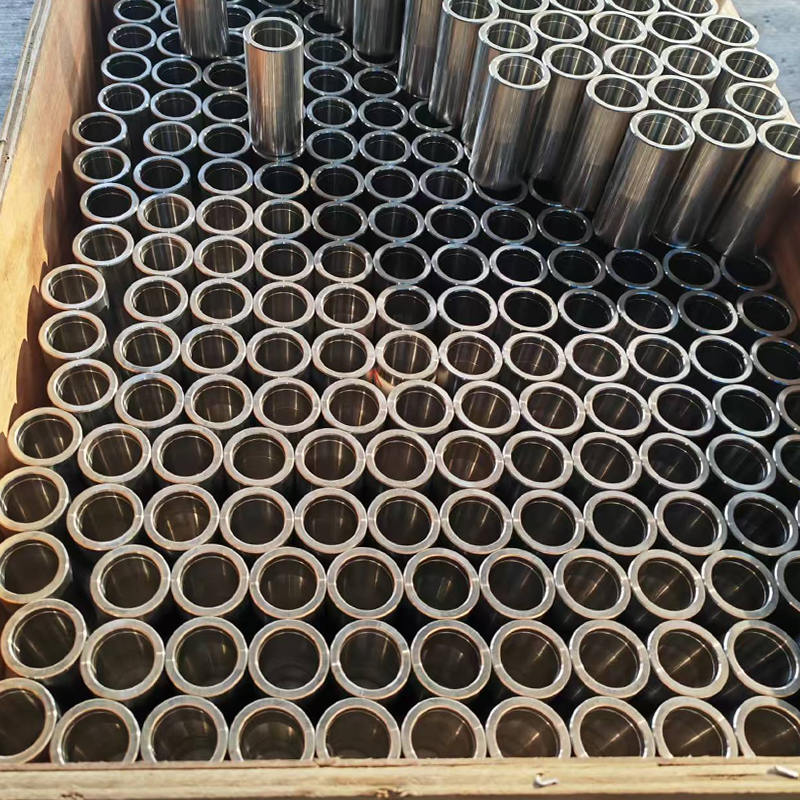
Bushings are cylindrical sleeve components that provide a bearing surface between two moving parts, typically a rotating or reciprocating shaft and a housing. Wear-resistant bushings are critical to the reliability and service life of pumps, hydraulic cylinders, gearboxes, marine stern tubes, construction equipment pins and bores, and industrial machinery. Bushing failure — through excessive wear, seizure, or corrosion — results in dimensional loss, vibration, increased clearances, fluid leakage, and ultimately catastrophic component failure. Engineering wear-resistant bushings requires careful consideration of the tribological pair (bushing and mating shaft materials and surface conditions), lubrication regime, load, velocity, and environmental factors.
Thermally Sprayed Wear-Resistant Bushing Coatings
Applying thermal spray coatings to the bore (ID) surface of bushings or to the OD surface of shaft journals allows worn components to be reclaimed to original dimensions and simultaneously upgraded with a superior wear-resistant surface. For bushing IDs, HVOF WC-Co or WC-CoCr coatings applied at 0.2–0.5 mm thickness, followed by precision cylindrical grinding to target bore diameter and surface finish (Ra 0.2–0.8 μm), deliver wear resistance dramatically superior to the underlying steel or bronze substrate. This approach is widely used in oil and gas mud pump crosshead bushings, hydraulic actuator rod guide bushings, and crane pin bushings where replacement of the entire forged component would be cost-prohibitive. The repaired and recoated bushing typically achieves service life equal to or exceeding that of an OEM new part.
Bronze and Babbitt-Based Wear Bushings
Traditional wear-resistant bushings in rotating machinery applications use copper-tin bronze (SAE 660, SAE 841) or lead-bronze alloys that provide a sacrificially softer bearing surface that conforms to the shaft under load, distributes contact stresses, and embeds abrasive particles rather than scoring the harder shaft surface. Graphite-impregnated bronze bushings extend this capability to unlubricated or intermittently lubricated service. Arc-sprayed bronze coatings on worn bearing housings or oversize shafts restore OEM clearances at significantly lower cost than component replacement. For very high load, low-speed applications such as heavy press columns and mine hoist drums, white metal (Babbitt) — primarily tin- or lead-based alloys — is cast or plasma-sprayed onto steel backing shells to provide the required combination of conformability, embeddability, and corrosion resistance in oil-lubricated environments.
Ceramic-Coated Bushings for Electrical Isolation and Abrasion
In applications requiring electrical isolation between shaft and housing — electric motor bearings subject to stray shaft currents, instrumentation bushings in electromagnetic environments, and semiconductor processing equipment — alumina (Al₂O₃) or alumina-titania plasma-sprayed ceramic coatings on bushing OD or ID surfaces provide both electrical insulation (dielectric strength 15–20 kV/mm) and abrasion resistance simultaneously. The ceramic coating prevents the electrical discharge erosion (EDM pitting) that destroys conventionally lubricated bearings in variable frequency drive (VFD) motor applications. Ceramic-coated bushings are also used in abrasive media conveying equipment — grain augers, cement screw conveyors, and sand slurry pumps — where the combination of chemical inertness and high hardness provides substantially extended service intervals compared to polymer or bronze alternatives.
Key Selection Criteria for Wear-Resistant Bushings
| Bushing Type / Coating | Hardness (HV) | Max Operating Temp | Lubrication Required | Best Application |
|---|---|---|---|---|
| HVOF WC-CoCr | 1,050–1,300 | 500°C | Yes (flood or film) | Hydraulic, pump, corrosive-abrasive service |
| APS Chromia (Cr₂O₃) | 1,200–1,400 | 800°C | Optional | Textile, printing, chemical resistant bores |
| APS Alumina-13%TiO₂ | 800–950 | 1,000°C | Not required | Electrical insulation, dry abrasive service |
| Graphite Bronze (SAE 841) | 80–120 | 250°C | Self-lubricating | Low-speed oscillating, maintenance-free pins |
| NiCrBSi (fused) | 550–750 | 650°C | Yes | Impact-abrasion, valve seats, pump sleeves |
Wear-Resistant Plungers: Surface Engineering for Extended Service Life
Plungers are precision-engineered reciprocating components that form the heart of high-pressure pumps, hydraulic cylinders, metering systems, and injection molding machinery. They operate in highly demanding tribological conditions — cyclic axial loading, continuous contact with seals, exposure to pressurized fluids that may contain abrasive solids or corrosive chemicals, and speeds ranging from slow metering strokes to rapid hydraulic cycling at millions of cycles per year. The surface condition of a plunger directly determines pump efficiency, seal wear rates, leakage, and overall system service life. A worn or corroded plunger surface increases seal friction, accelerates seal degradation, reduces volumetric efficiency, and ultimately causes system failure.
HVOF WC-CoCr: The Premier Wear-Resistant Plunger Coating
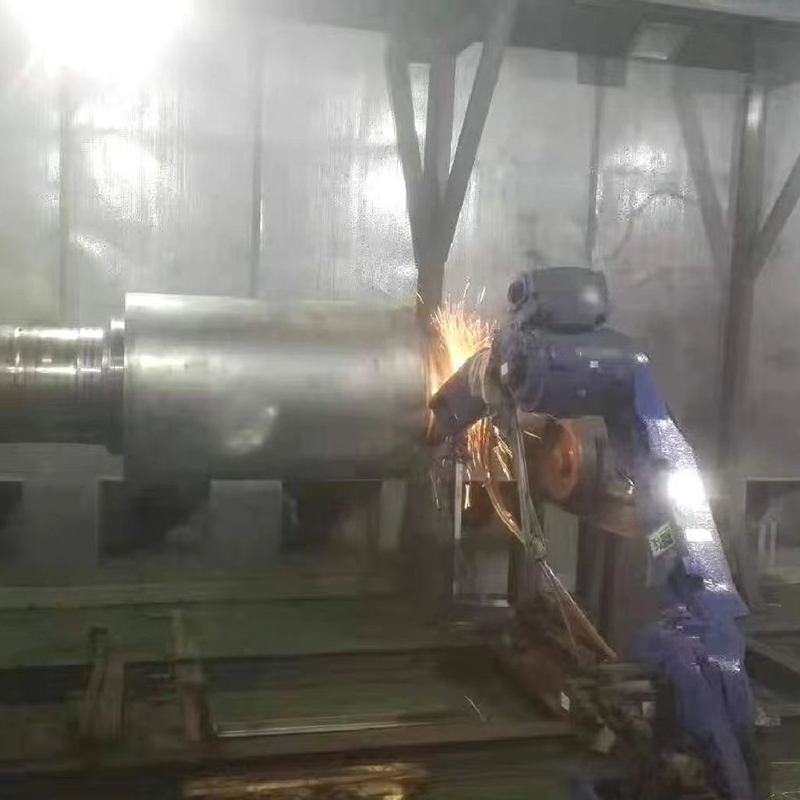
HVOF-sprayed WC-10Co-4Cr is the coating of choice for wear-resistant plungers in the most demanding applications — drilling mud pumps, hydraulic fracturing pump fluid ends, high-pressure water jetting plungers, and ceramic pump plungers in chemical dosing systems. The coating is applied to the plunger OD at 0.3–0.6 mm stock thickness, then precision cylindrical ground and superfinished to Ra values of 0.1–0.4 μm, which is critical for maintaining seal integrity and minimizing seal wear. The combination of extremely high hardness (1,100–1,300 HV), near-zero porosity (<0.5%), and compressive residual stress in the HVOF coating produces a plunger surface that resists abrasive scoring from sand and solids contamination, resists the hydraulic erosion of high-velocity fluid impingement, and maintains dimensional stability over millions of operating cycles. Field data from oilfield triplex pump operations consistently show WC-CoCr plunger service lives 4–8 times longer than equivalent hard chrome plungers in abrasive drilling fluid service.
Ceramic Plunger Coatings for Chemical and Food Processing
In chemical metering pumps, pharmaceutical dispensing systems, and food processing injection equipment where metallic contamination is unacceptable and chemical resistance is paramount, plasma-sprayed ceramic coatings — primarily alumina-titania and zirconia — or solid ceramic plungers (alumina, zirconia, silicon carbide) provide the necessary combination of hardness, chemical inertness, and cleanability. APS alumina-titania coated steel plungers achieve hardness of 850–950 HV, resist attack by dilute acids, alkalis, and most solvents, and can be thoroughly cleaned and sterilized without degradation. For the highest performance requirements, solid ceramic plungers in 99.5% alumina or partially stabilized zirconia (PSZ) eliminate substrate corrosion entirely and achieve surface hardness values of 1,400–1,600 HV with zero porosity, though their brittleness necessitates careful handling and installation procedures to prevent chipping.
Hard Chrome Plated Plungers and Transition to Modern Alternatives
Electroplated hard chrome has been the traditional standard for hydraulic plunger surfaces for decades, offering a hardness of 850–1,050 HV, low coefficient of friction (~0.15–0.20 against steel with oil lubrication), and an established manufacturing infrastructure. However, the hydrogen embrittlement risk associated with electroplating high-strength steel plunger substrates (yield strength >1,200 MPa) requires mandatory bake-out heat treatment at 190°C for a minimum of 23 hours post-plating to diffuse out absorbed hydrogen — a process that adds cost and time and still does not eliminate the risk entirely. The regulatory phase-out pressure on hexavalent chromium plating has driven qualification of HVOF WC-CoCr and, more recently, HVAF WC-CoCr coatings as direct replacements. These alternatives match or exceed hard chrome performance in all critical metrics while eliminating the hydrogen embrittlement risk, reducing environmental liability, and providing superior service life in abrasive and corrosive service environments.
Post-Coating Surface Finishing Requirements for Plungers
The final surface finish of a wear-resistant plunger is as important as the coating material itself. Seals running against a plunger surface follow a Stribeck curve behavior — if the surface is too rough, seal lip wear is rapid and leakage occurs early; if the surface is too smooth, insufficient lubrication film retention causes dry contact and friction-induced seal failure. Optimal surface finish for most hydraulic plunger applications is Ra 0.1–0.4 μm (4–16 μin), achieved through a sequence of centerless or cylindrical grinding with diamond or CBN wheels, followed by superfinishing with abrasive tape or honing stones. For HVOF WC-CoCr coatings, polycrystalline diamond (PCD) or electroplated diamond tooling is required for both grinding and superfinishing due to the extreme hardness of the coating. The ground surface must also be free of grinding burn, microcracking, and embedded abrasive, verified by Barkhausen noise analysis or acid etch inspection for critical aerospace and defense plunger applications.
Comparing Abrasion and Corrosion Resistant Coating Technologies Side by Side
Engineers specifying coatings for bushings, plungers, and other wear-intensive components benefit from a direct comparison of the leading coating technologies across the parameters most relevant to their application decisions:
| Coating Technology | Hardness (HV) | Corrosion Resistance | Abrasion Resistance | Max Temp (°C) | Typical Applications |
|---|---|---|---|---|---|
| HVOF WC-12Co | 1,100–1,350 | Moderate | Excellent | 500 | Pump plungers, rolls, extrusion dies |
| HVOF WC-10Co-4Cr | 1,050–1,250 | Good | Excellent | 500 | Landing gear, hydraulic rods, marine pumps |
| HVOF Cr₃C₂-NiCr | 850–1,000 | Very Good | Very Good | 900 | Boiler tubes, hot forming tools, fan blades |
| APS Chromia | 1,200–1,400 | Good (sealed) | Very Good | 800 | Anilox rolls, textile guides, pump sleeves |
| Hard Chrome (EHC) | 850–1,050 | Moderate | Good | 400 | Legacy hydraulic cylinders (phase-out ongoing) |
| Arc Spray Zn-15Al | 80–120 | Excellent (sacrificial) | Poor | 400 | Structural steel, bridges, offshore platforms |
| HVOF Inconel 625 | 280–420 | Excellent | Moderate | 980 | Chemical reactors, seawater pumps, heat exchangers |
Surface Preparation and Application Process for Maximum Coating Adhesion
The performance of any abrasion or corrosion resistant coating is only as good as the substrate preparation that precedes it. Thermal spray, electroplating, and polymer coating processes all rely on specific surface conditions for adequate adhesion and coating integrity. Inadequate preparation is the leading cause of premature coating failure in service and is the most preventable source of coating quality problems in industrial coating operations.
- Degreasing and contamination removal: All oils, greases, machining coolants, rust inhibitors, and organic contaminants must be completely removed before any surface treatment. Alkaline cleaning, vapor degreasing with chlorinated solvents (where permitted), or ultrasonic cleaning with aqueous degreasers are the standard methods. Residual contamination, even at the molecular level, prevents mechanical interlocking and promotes delamination under cyclic loading.
- Grit blasting for thermal spray: Angular alumina (Al₂O₃) grit in sizes 16–36 mesh is blast-applied at 4–7 bar pressure to achieve a surface roughness of Ra 4–8 μm and Rz 25–60 μm, providing the mechanical anchor profile required for HVOF and plasma spray coating adhesion. Steel grit is avoided on non-ferrous and stainless steel substrates to prevent iron contamination. Blasted surfaces must be coated within 2–4 hours to prevent re-oxidation, particularly in humid environments.
- Dimensional machining and pre-spray stock allowance: Components are machined undersized by the intended coating thickness plus a post-spray grinding allowance (typically 0.1–0.2 mm per side for precision ground surfaces). For plungers and bushing bores, roundness and cylindricity must be within 0.05 mm before spraying to ensure uniform coating thickness after grinding to final dimensions.
- Masking of non-coated surfaces: Threaded sections, precision bore features, sealing faces, and areas within 5–10 mm of component edges that are not to be coated must be masked with high-temperature silicone plugs, metallic caps, or tape rated for the spray process temperature. Overspray on masked areas can cause coating adhesion failure at edges and introduce residual stress concentrations.
- Substrate preheating: For HVOF spraying of thick coatings (>0.5 mm) on steel components, preheating the substrate to 100–150°C using the spray flame before deposition begins reduces the thermal gradient between hot splats and the substrate, lowering quenching residual stresses and improving coating cohesion. Ceramic plasma spray coatings benefit from preheating to 80–120°C to activate the surface and improve initial splat adhesion.
Industries and Components That Benefit Most from Abrasion and Corrosion Resistant Coatings
Wear and corrosion together account for an estimated 5–7% of GDP in industrialized nations when factoring in direct replacement costs, lost production, and energy inefficiency from degraded equipment. Abrasion resistant and corrosion resistant coatings applied to high-value components offer some of the best returns on engineering investment available, with payback periods measured in months rather than years for high-cycle or high-replacement-cost applications.
- Oil and gas drilling and production: Mud pump plungers, liner sleeves, valve seats, piston rods, and choke valve trim in HVOF WC-CoCr or ceramic coatings withstand the highly abrasive and corrosive environment of drilling muds laden with formation sand and barite. Coated components routinely achieve 3–8× service life extension over uncoated or hard-chrome-plated equivalents, delivering direct savings of tens of thousands of dollars per pump per year in a high-utilization drilling program.
- Mining and mineral processing: Slurry pump casings, impellers, wear plates, and hydrocyclone liner inserts experience severe combined abrasive-erosive-corrosive wear from mineral slurries at pH values from 2 to 12. HVOF cermet coatings, elastomeric liners, and ceramic tiles are specified based on the specific mineral type, particle size, slurry velocity, and chemistry of the process stream.
- Hydraulic systems and mobile equipment: Hydraulic cylinder rods and plungers on construction equipment, agricultural machinery, and industrial presses are exposed to both abrasive ingress past wiper seals and corrosive atmospheric exposure during outdoor storage and operation. WC-CoCr or Cr₃C₂-NiCr HVOF coatings provide the necessary combination of abrasion and corrosion resistance in a single layer.
- Power generation: Coal-fired power plant fan blades handling flyash-laden gas streams, boiler tube panels in the erosive-corrosive zone above burners, and steam turbine blade leading edges all benefit from HVOF or APS wear-resistant coatings that extend maintenance intervals and reduce forced outage risk. A single unplanned outage at a 500 MW power station can cost $500,000–$2,000,000 in lost generation revenue, making even high-cost coating solutions economically compelling.
- Marine and offshore structures: Thermally sprayed zinc and aluminum coatings on structural steelwork of offshore platforms, wind turbine monopiles, and ship hulls provide decades of maintenance-free corrosion protection in the most aggressive natural corrosive environment, with a lifecycle cost far below that of paint maintenance programs requiring recoating every 7–15 years.
Practical Specification Checklist for Abrasion and Corrosion Resistant Coating Projects
When preparing a specification or request for quotation (RFQ) for abrasion resistant or corrosion resistant coatings on bushings, plungers, or other precision components, the following information must be clearly defined to ensure the coating supplier can recommend the correct process, material, and quality controls:
- Component material and heat treatment condition: Substrate alloy, hardness, and any prior heat treatments that constrain process temperature or acid exposure during pre-treatment.
- Service environment description: The fluid medium (pH, chemistry, temperature, flow velocity), nature and hardness of any abrasive particles (mineral type, particle size, concentration), and operating pressure and load on the coated surface.
- Dimensional and finish requirements: Final OD or ID dimension and tolerance (e.g., ±0.01 mm), surface roughness specification (Ra value), and roundness/cylindricity requirements after post-spray grinding.
- Applicable standards and approvals: Reference to industry specifications (AMS 2447, ASTM C633, ISO 14923), OEM coating specifications, or required third-party laboratory testing (hardness, porosity, adhesion, salt spray, wear testing) that must accompany the coated parts.
- Quantity and delivery schedule: Batch size, urgency of initial delivery, and whether this is a one-time repair or a recurring production coating requirement, which affects the economics of tooling, fixturing, and process qualification investment by the coating supplier.

 TOP
TOP