
 ENG
 English
 عربى
 Español
 中文简体

Tungsten carbide coatings are often specified when a metal part needs to last longer in a hostile place: a pump handling abrasive slurry, a valve sealing against corrosive media, a wire guide running at speed, or a conveyor screw moving gritty material. In our experience, the coating is rarely the whole story. The result depends on the substrate, the spray process, the carbide grade, the binder, and the final finish working together.
This guide is written for engineers and maintenance teams who need a practical view. It covers what tungsten carbide coatings do well, where different carbide compositions fit, how processes such as HVOF and plasma spraying compare, and what to check before sending a part to a coating shop.
Content
- 1 What Makes Tungsten Carbide Coatings Different
- 2 Comparing Common Tungsten Carbide Coating Options
- 3 How Tungsten Carbide Coatings Are Applied
- 4 Surface Preparation and Finishing Decide the Outcome
- 5 Where Tungsten Carbide Coatings Are Used
- 6 What to Check Before Choosing a Coating Partner
- 7 Practical Takeaways
What Makes Tungsten Carbide Coatings Different
Tungsten carbide is not a single recipe. In a thermal spray coating, fine tungsten carbide particles are embedded in a metallic binder, usually cobalt, nickel, or a nickel-chromium blend. The carbide grains provide hardness and wear resistance. The binder holds the structure together and influences toughness, corrosion resistance, and how the coating behaves under impact.
That combination is why tungsten carbide coatings are often chosen for sliding wear, erosion, and mild-to-moderate impact. A well-applied coating can raise surface hardness while keeping the underlying part tough enough to carry load. It is not a cure-all. Thin coatings cannot rescue a badly worn substrate, and a very hard coating may not be the best answer for a part that flexes heavily or sees sharp shock loads.
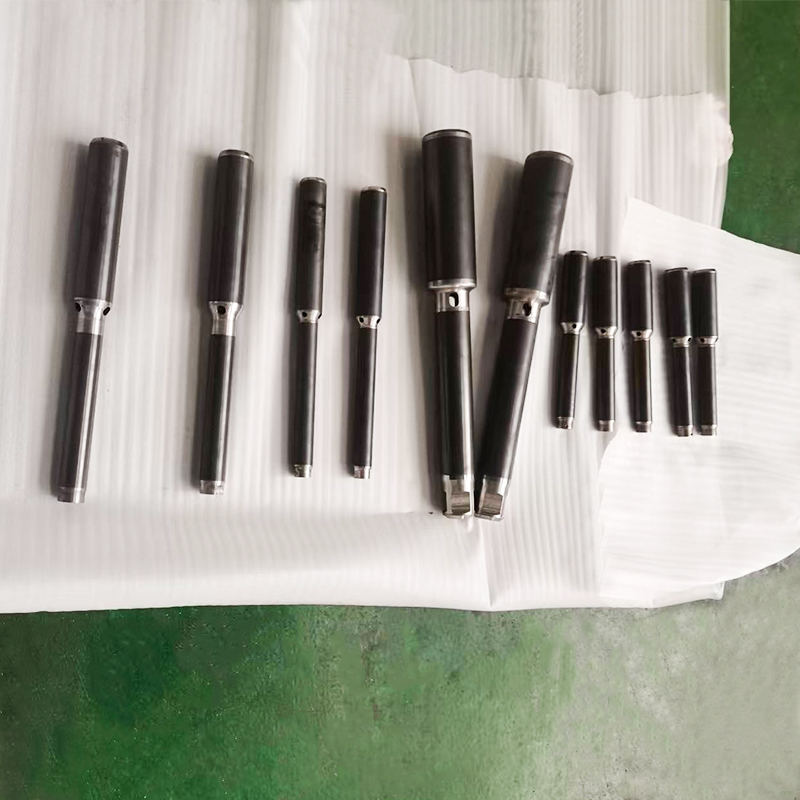
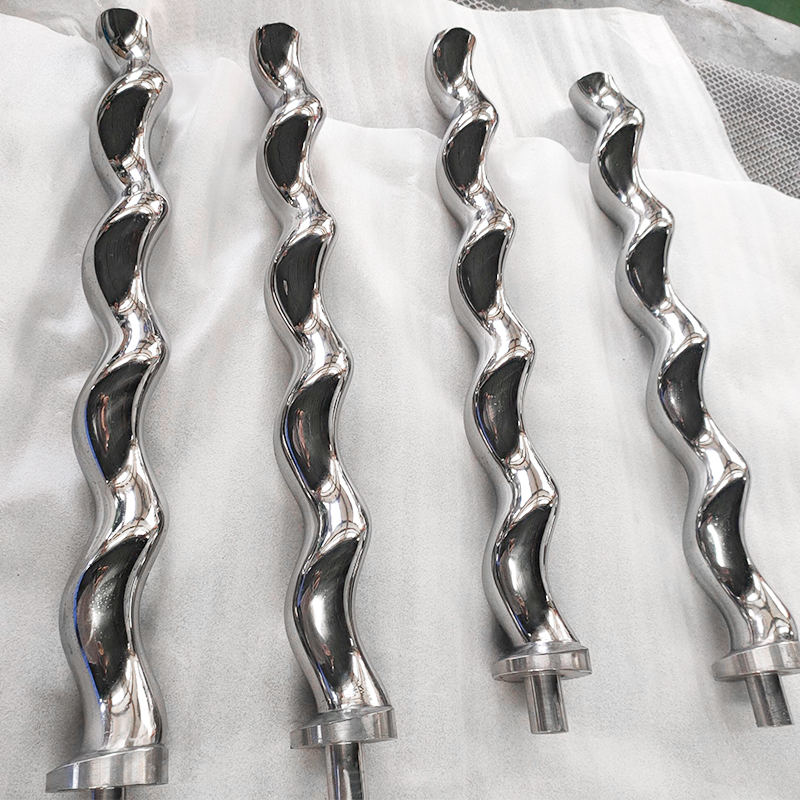
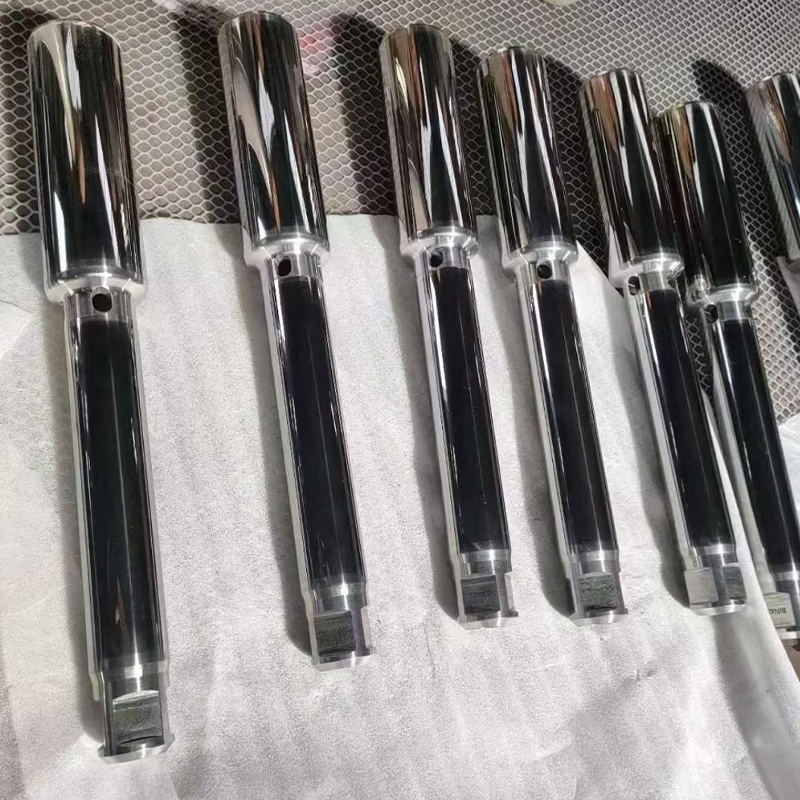 Tungsten Carbide Pump Pole for Pump ServiceA tungsten carbide pump component for wear, high-temperature, and corrosive service, with related shafts, sleeves, rings, rotors, and custom processing available.View Product →
For pump shafts, plungers, sleeves, and similar parts, the coating must also hold up to the medium. Abrasive particles, acids, chlorides, and high temperature can each change the selection. A coating that performs well in dry sliding may fail quickly in a corrosive slurry if the binder is not matched to the environment.
Comparing Common Tungsten Carbide Coating Options
The table below gives a simplified comparison. It is a starting point for discussion, not a substitute for testing with the actual part geometry, load, and media.
| Coating variant | Typical binder | Where it earns its keep | Limits to check |
|---|---|---|---|
| WC-Co | Cobalt | Pump parts, rolls, shafts, and components facing sliding wear or erosion | Corrosion resistance can be limited in acidic or chloride-rich service |
| WC-Ni | Nickel | Valve parts, marine components, and chemical equipment where corrosion and wear overlap | Usually lower toughness than cobalt-bound grades under heavy impact |
| WC-CrC-Ni | Nickel-chromium | Hot wear, oxidation, and elevated-temperature applications in steel and power equipment | Hardness and pure abrasion resistance may be lower than dense WC-Co |
Binder content matters as much as the carbide. A higher binder fraction can improve toughness and bond strength, but it may reduce hardness. Lower binder content can push hardness up, yet leave less tolerance for impact or poor surface preparation. The right balance is usually found by matching the coating to the failure mode, not by choosing the hardest number on a datasheet.
How Tungsten Carbide Coatings Are Applied
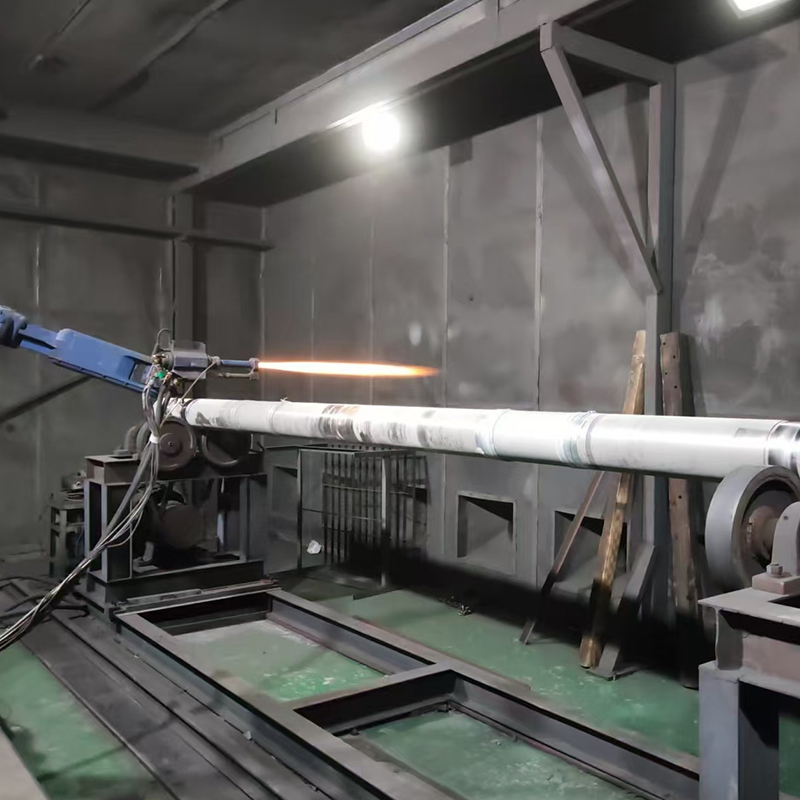
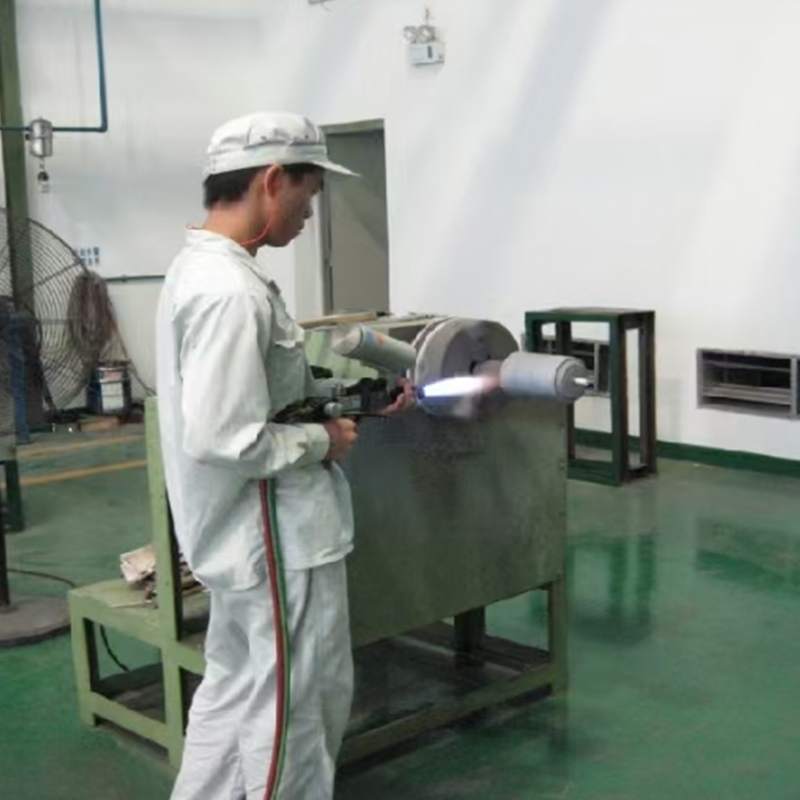
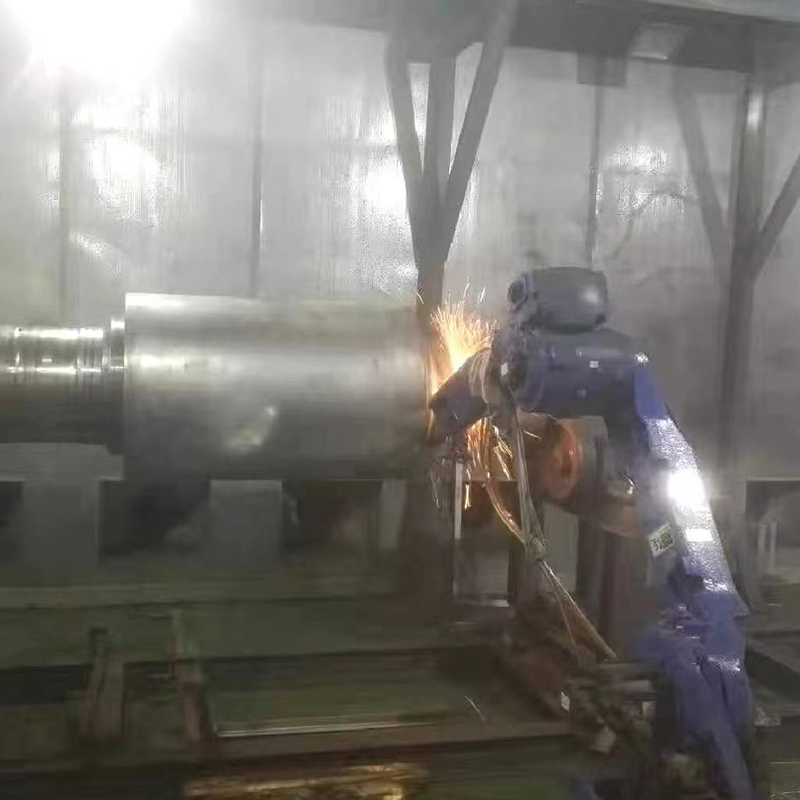
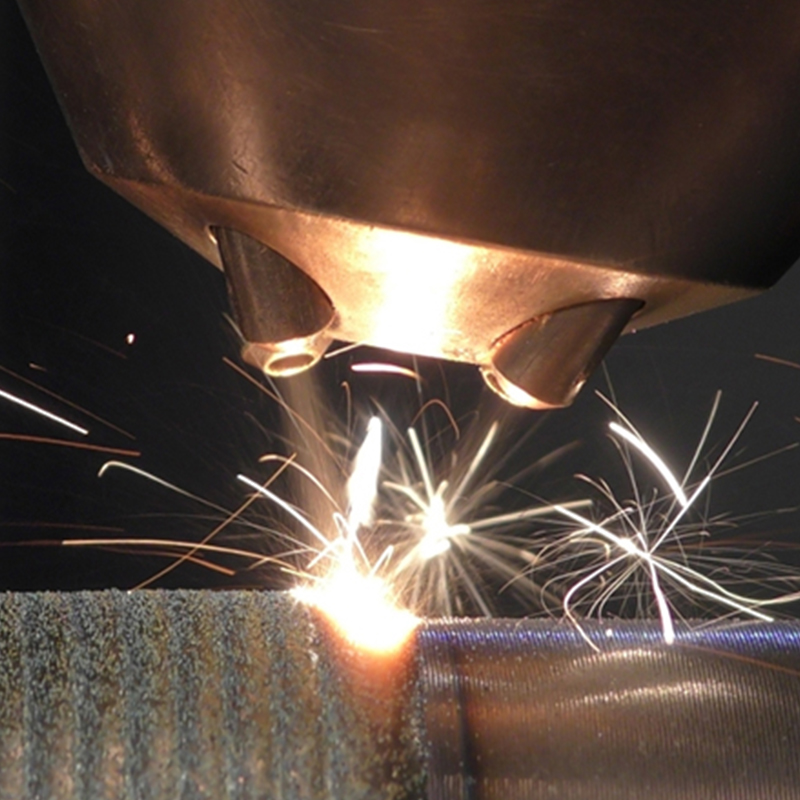
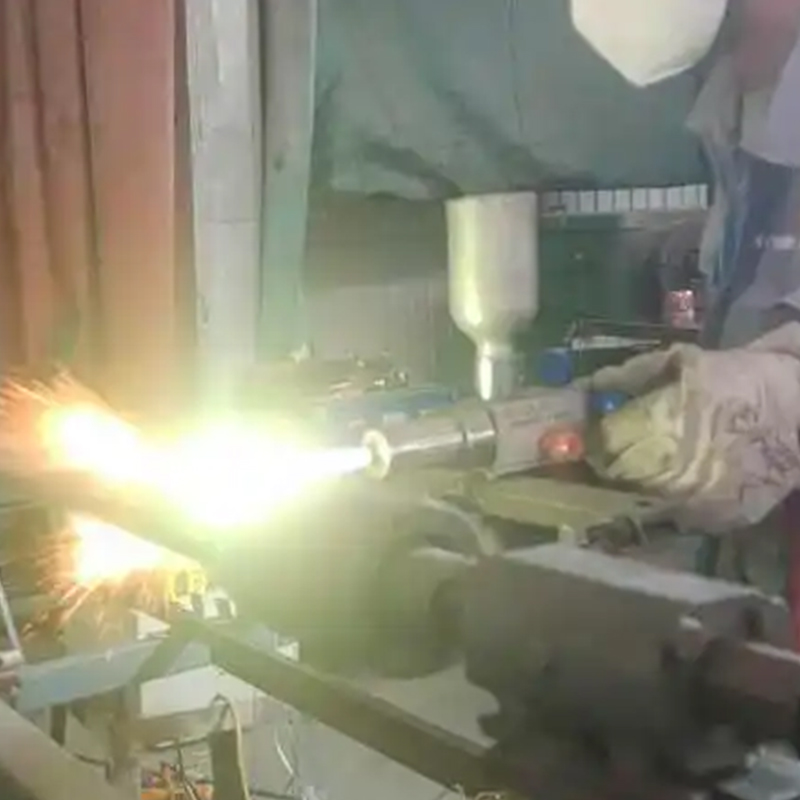
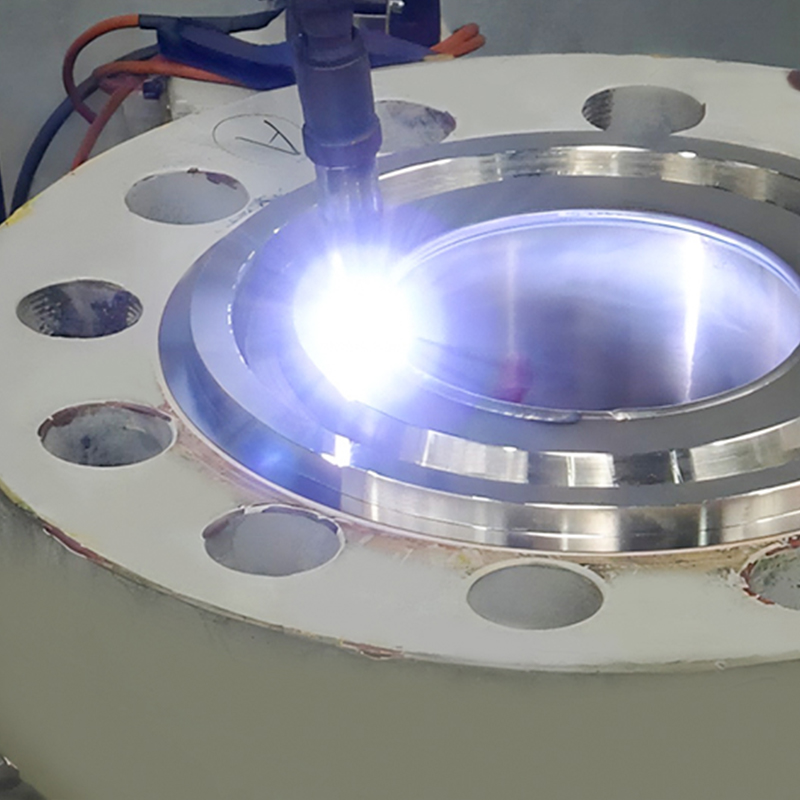
High-velocity oxygen fuel spraying, commonly called HVOF, is one of the most established routes for tungsten carbide coatings. In HVOF, powder particles are accelerated to high speed and heated in a supersonic flame. The particles strike the substrate with enough energy to form a dense, well-bonded lamellar coating. Because the dwell time in the flame is short, carbide decarburization can be kept under control when the parameters are set correctly.
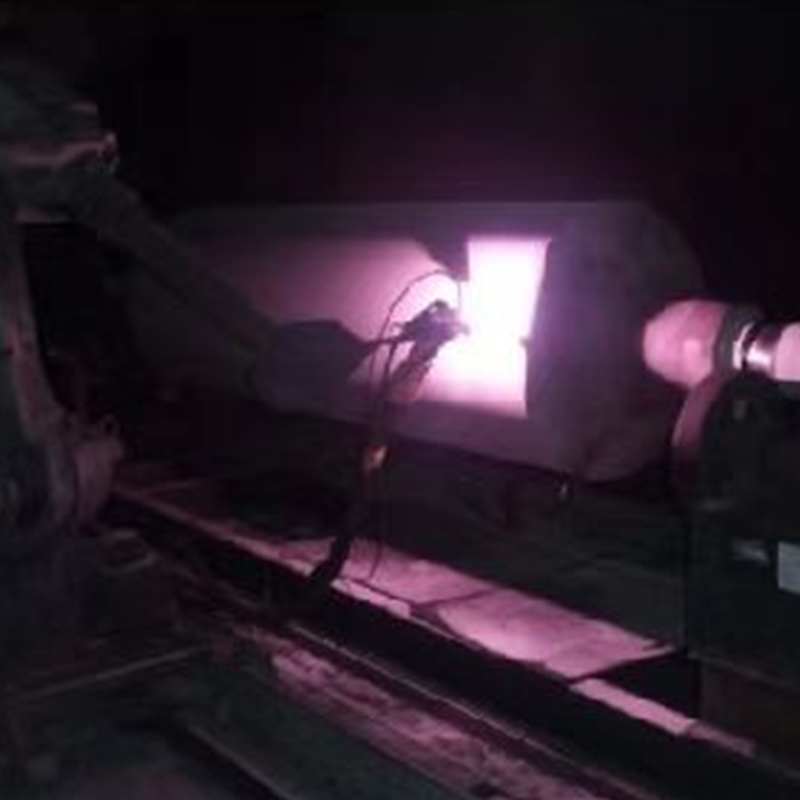
Plasma spraying and flame spraying can also apply carbide and ceramic coatings, but they are not interchangeable with HVOF. Plasma spraying offers high temperatures and is useful for ceramic topcoats or specialized carbide systems. Flame spraying is often used for repair work and less demanding wear protection. The process choice should follow the coating material, part size, required coating density, and acceptable heat input.
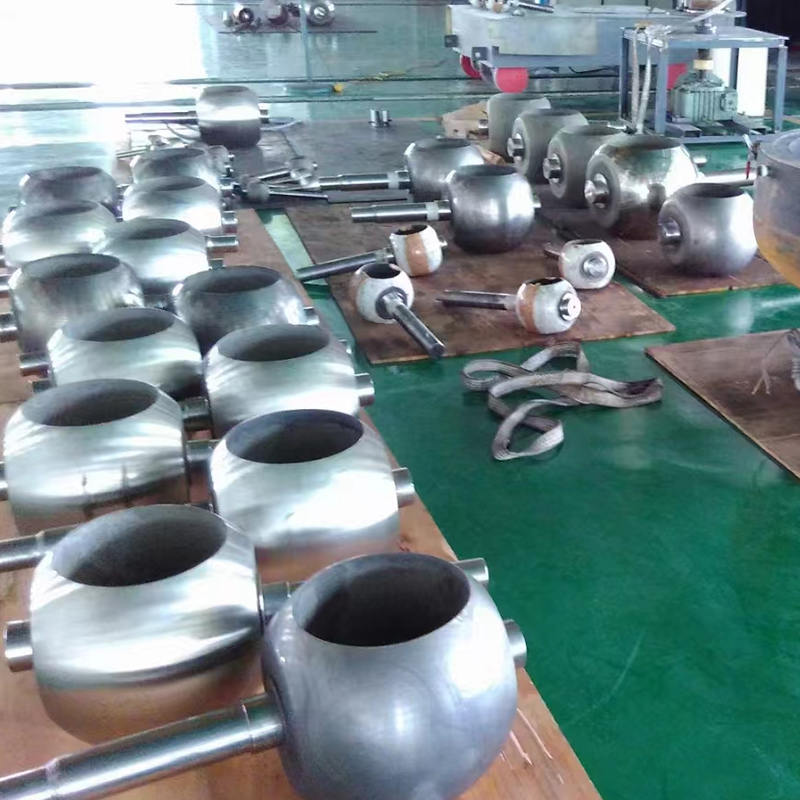 Tungsten Carbide-Coated Valve Body for Thermal SprayingA valve body with thermally sprayed tungsten carbide coating, offered with controllable thickness and related valve accessories for wear and corrosion protection.View Product →
For valve bodies and similar complex parts, access matters. A coating shop must be able to reach the sealing surfaces, mask areas that must remain uncoated, and control overspray. A process that works well on a simple shaft may need adjustment for internal bores, sharp edges, or parts with mixed materials.
Surface Preparation and Finishing Decide the Outcome
Tungsten carbide coatings do not bond well to a contaminated or poorly prepared surface. The usual sequence includes cleaning, degreasing, masking, grit blasting, and applying the coating before any required sealing or finish machining. Grit blasting creates the surface profile that gives the sprayed particles a mechanical grip. If the profile is too shallow, bond strength drops. If it is too rough or inconsistent, the coating may need extra finishing or may trap debris.
After spraying, many parts are ground or lapped to the final dimension. Finishing is especially important for sealing surfaces, journal bearings, and wire contact areas. A coating that is thick enough but too rough can wear the mating part or create leakage. A coating that is too thin may not survive long enough to justify the operation.
- Clean and degrease before blasting to avoid driving contaminants into the surface.
- Mask threaded holes, seal faces, and fits that must remain uncoated.
- Check coating thickness on witness coupons or representative parts when geometry allows.
- Control finishing parameters so the coating is not overheated or pulled out of the surface.
Where Tungsten Carbide Coatings Are Used
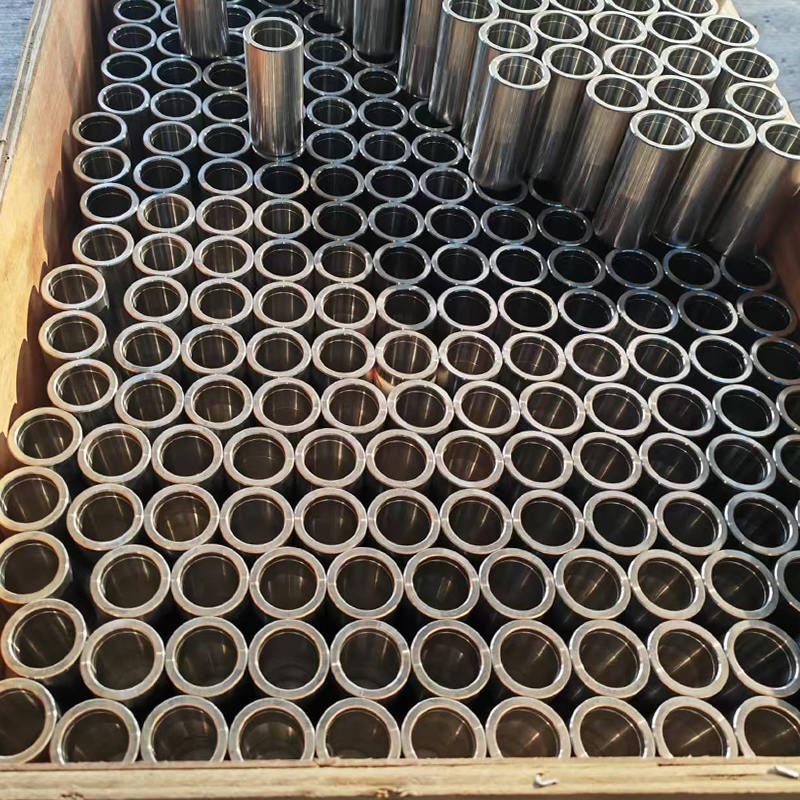
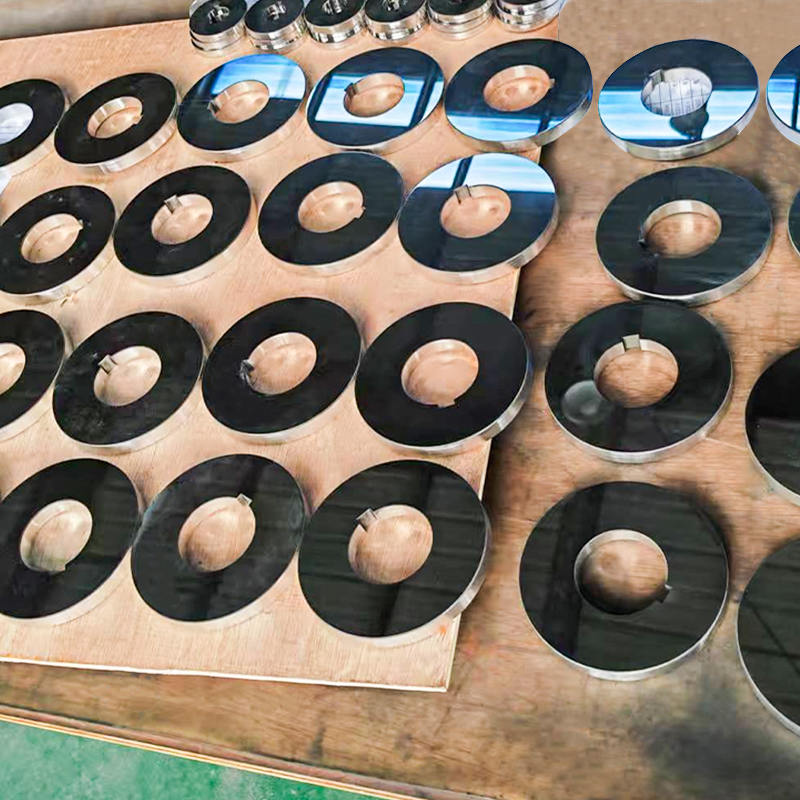
The applications are broad because wear and corrosion are common across process industries. Common examples include pump shafts, plungers, sleeves, wear rings, valve stems, valve seats, gate plates, conveyor screws, mixer shafts, rolls, and wire drawing components. The same coating family may appear in several industries, but the service conditions change the specification.
In pump and valve service, tungsten carbide coatings can protect sealing surfaces and sliding fits from abrasive particles and corrosion. For a broader view of how coatings are selected across these parts, see our pump and valve industry coating solutions. In wire drawing, carbide-coated guide rollers and capstans reduce wear where wire runs at speed and under tension.
 Tungsten Carbide Wire Guide Roller for Wire DrawingA wire drawing guide roller available in steel or tungsten steel, with ceramic or tungsten carbide coating options and related pulleys and reels.View Product →
Conveyors, mixers, and material handling equipment also benefit when abrasive bulk material causes gradual metal loss. In those cases, the coating must be evaluated against the particle size, speed, temperature, and whether the part sees impact or pure sliding. A coating selected for one conveyor may not suit another with different material and loading.
What to Check Before Choosing a Coating Partner
A coating service provider should be able to discuss more than the coating name. Ask about the spray process, the powder specification, surface preparation, masking, finishing, and inspection. A good partner will also ask what failed on the original part. If the answer is “it wore out,” the next question should be where and how. Adhesive wear, abrasive wear, erosion, cavitation, and corrosion leave different fingerprints.
Our team at Xike (Yancheng) Surface Coating Technology works from a 20,000 square meter production site and draws on more than a decade of thermal spray experience. We run HVOF, plasma, arc, wire flame, and plasma cladding processes, so the recommendation can follow the failure mode rather than a single available line. That flexibility matters when a part needs a tungsten carbide coating for wear but also needs corrosion protection or a ceramic topcoat.
Useful quality checks include coating thickness, bond strength, porosity, hardness, and microstructure. For critical parts, a trial run and a post-test inspection are often more valuable than a certificate alone. If you want a deeper technical starting point, our thermal spray tungsten carbide coating guide covers process and material selection in more detail.
Practical Takeaways
Tungsten carbide coatings are a strong option when wear, erosion, and corrosion meet on the same part. They are most effective when the substrate is sound, the surface is properly prepared, the carbide and binder are matched to the service environment, and the finished coating is inspected against a clear requirement. The process should be chosen for the part, not the other way around.
If you are planning a coating project, start with the failure mode, the part material, the operating temperature, and the media. Those four details will narrow the coating family faster than a general hardness target. From there, a controlled spray trial and a realistic finishing plan will tell you more than any catalogue claim.


 TOP