
 ENG
 English
 عربى
 Español
 中文简体

Metal forming tools are the quiet workhorses of a press shop. A stamping die, drawing die, forging insert, or bending tool can look simple, yet it lives under pressure, sliding contact, heat, and sometimes aggressive lubricants. When the surface starts to pick up metal, scratch, or heat-check, part quality drops long before the tool is worn out. Coating metal forming tools is one of the most practical ways to protect the working surface without changing the base tool steel. At our thermal spray coating shop, we have seen this pattern across automotive stamping, die casting, wire drawing, and general metalworking. The right coating is not a magic layer. It is a matched surface system: base material, preparation, spray process, coating material, and finishing all need to work together.
Content
Why Coating Metal Forming Tools Pays Off
Tool wear is rarely a single event. Abrasive wear scratches the surface. Adhesive wear pulls metal from the workpiece and deposits it on the die. Thermal fatigue cracks edges that see repeated heating and cooling. Corrosion and oxidation can soften the working face between production runs. A coating helps because it changes the surface that meets the sheet, billet, or wire, while the tool steel underneath continues to carry the load.
The benefits show up in everyday production, not only in laboratory tests:
- Longer intervals between polishing, rework, and replacement
- Less galling and pickup on draw rings, punches, and forming inserts
- More stable friction, which helps hold part dimensions
- Better resistance to heat checking and oxidation in hot forming
- Lower downtime when a critical die can stay in the press longer
That said, a coating is not a substitute for sound tool design. Sharp radii, poor lubrication, or an unstable press can damage even a well-coated tool. The best results come when the coating is selected around the actual failure mode, not simply chosen because it is the hardest option available.
Matching the Coating to the Forming Operation
No single coating fits every forming tool. Cold stamping, hot forging, and repair work place different demands on the surface. A useful starting point is to ask what is limiting tool life: abrasion, adhesion, heat, corrosion, or a combination.
Cold forming, stamping, and drawing
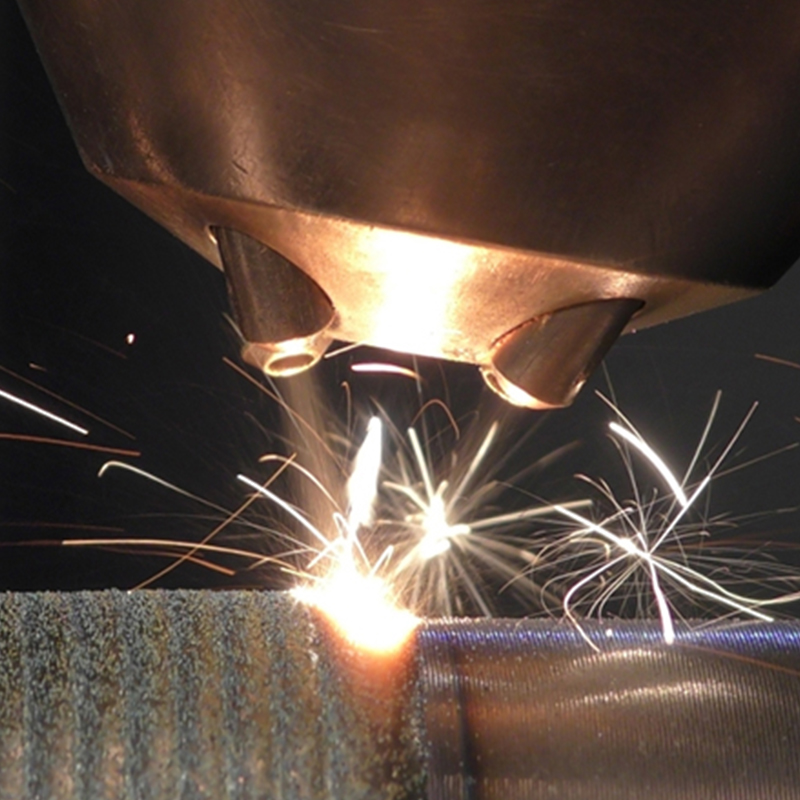
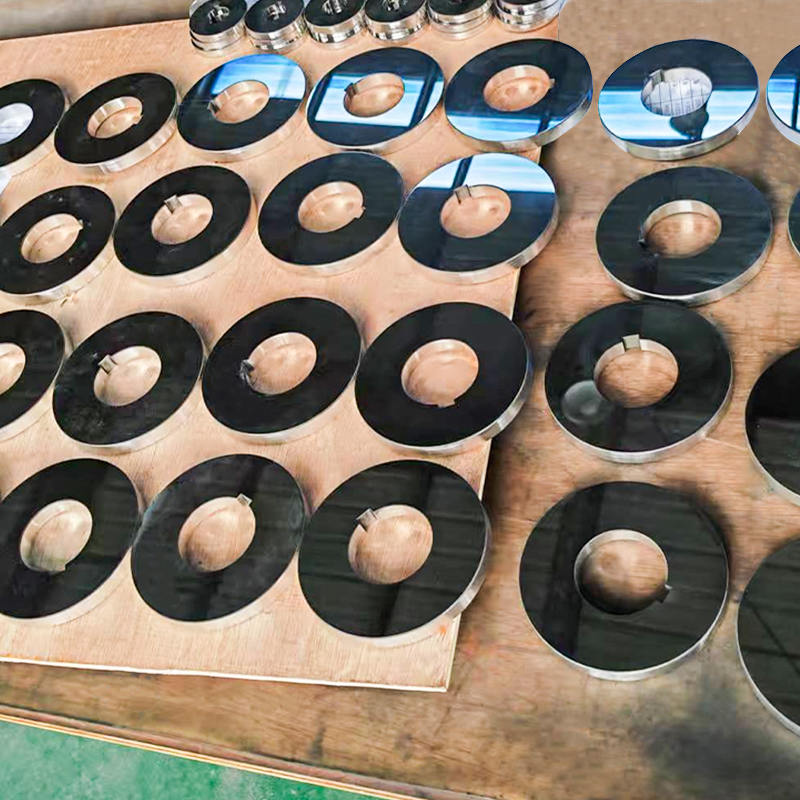
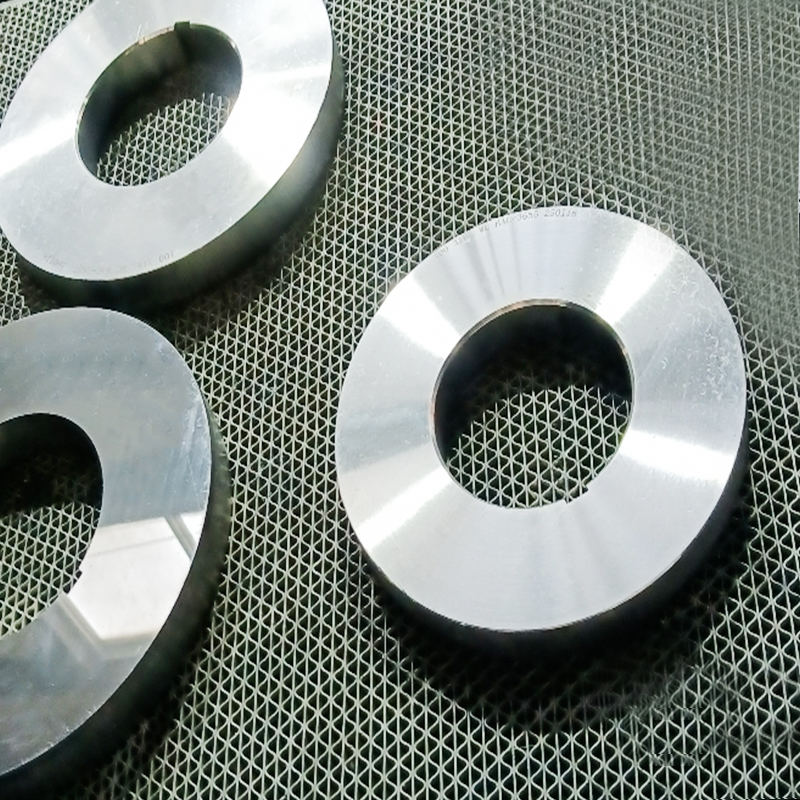
In cold forming, stamping, and drawing, the main enemies are high contact pressure, sliding distance, and metal-to-metal contact. A soft or gummy workpiece can transfer material to the die, and once galling begins, friction rises and damage accelerates. Dense tungsten carbide coatings applied by supersonic flame spraying are a common choice for dies, punches, draw rings, and inlay blocks. The coating gives the tool a hard, low-friction working face while the tough tool steel underneath carries the load. For automotive stamping and similar high-volume work, coating the critical inserts rather than the whole die is often the most cost-effective route. We also work with customers on automotive industry coating applications where different dies in the same line may need different surface treatments.
 Wear-Resistant Inlay Blocks for Stamping DiesThermal-spray-treated inlay blocks protect critical die wear areas in high-volume sheet metal stamping while preserving base toughness and dimensional stability.View Product →
Hot forming, forging, and die casting
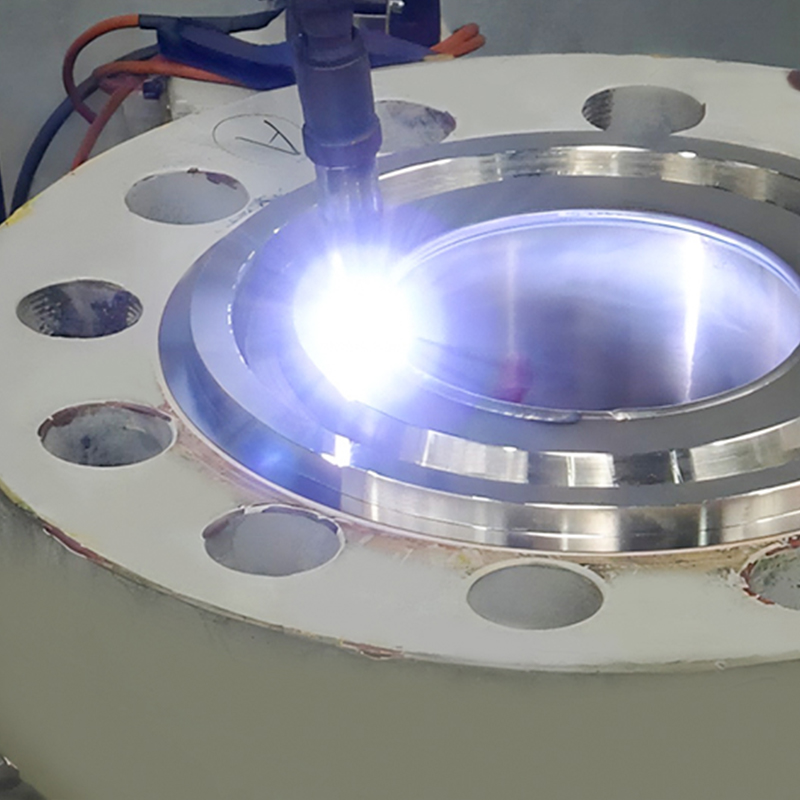
Hot forming adds thermal cycling, oxidation, and sticking. A coating that works well on a cold stamping die may not survive a forging insert that glows between cycles. Ceramic oxide coatings from plasma spraying can slow oxidation and reduce sticking on hot working surfaces. Laser cladding is useful when a worn edge needs a thicker, fused layer with good bonding to the base metal. The goal is not to build a coating so thick that it changes the tool geometry. It is to protect the working surface while keeping heat treatment, toughness, and dimensional control in balance.
Molds, inserts, and tooling that see sticking
Some forming and molding tools suffer less from abrasion and more from adhesion. Material sticks, release becomes uneven, and operators compensate with more lubricant or more frequent cleaning. A corrosion-resistant thermal spray mold coating can help separate the tool surface from the part, especially when the process also involves moisture, release agents, or corrosive residues. As with any coating, the surface must be prepared correctly and the coating must be finished to suit the required part surface.
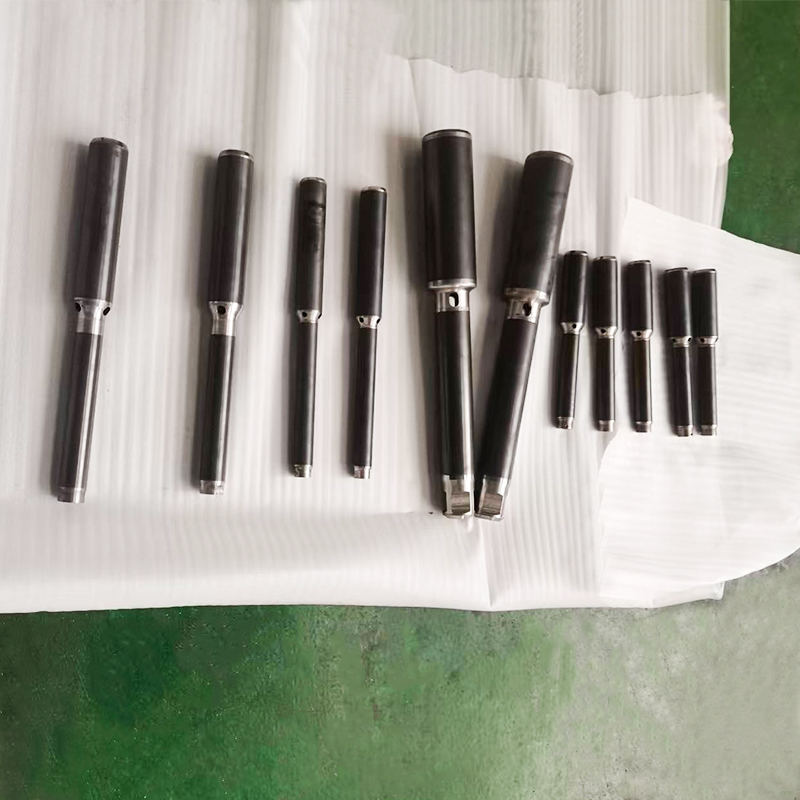
 Thermal-Spray-Treated Wear-Resistant Automotive Stamping MoldSurface-treated stamping mold for automotive sheet metal parts, aimed at improving hardness, wear and corrosion resistance, friction, and fatigue performance.View Product →
Repair and remanufacturing
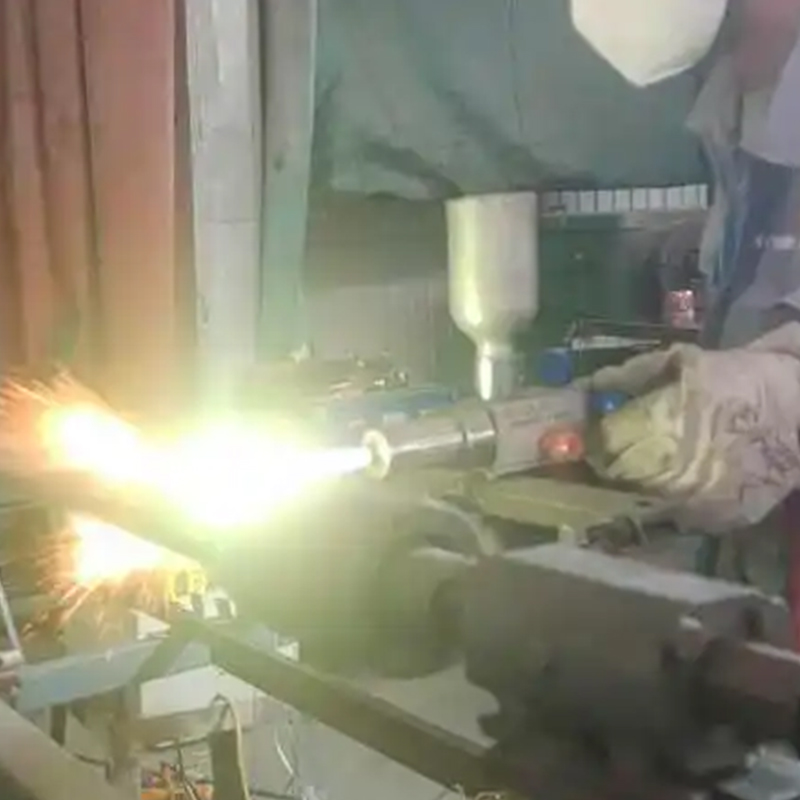
Worn forming tools are not always scrap. If the base metal is sound and the damage is localized, laser cladding or flame powder spraying can rebuild edges, restore worn radii, or add a wear-resistant layer to a used tool. This is often more economical than making a new die, and it can shorten lead time when a press is waiting. The key is to inspect the substrate first. Cracks, heat damage, or fatigue below the surface should be repaired before any coating is applied.
Thermal Spray Processes We Use for Forming Tools
Process selection matters because each thermal spray method produces a different coating structure. A dense HVOF coating behaves differently from a plasma-sprayed ceramic or a laser-clad layer. The table below is a practical starting point, not a final specification.
| Process | Good fit for | Typical coating | What it gives you |
|---|---|---|---|
| HVOF / supersonic flame | Stamping dies, draw rings, rolls | Tungsten carbide | Dense, hard surface with wear and galling resistance |
| Plasma spray | Large tools, hot forming, molds | Ceramic oxide | Heat, corrosion, and sticking resistance |
| Laser cladding | Worn edges, repair, local buildup | Carbide or alloy powder | Thick fused layer with low dilution |
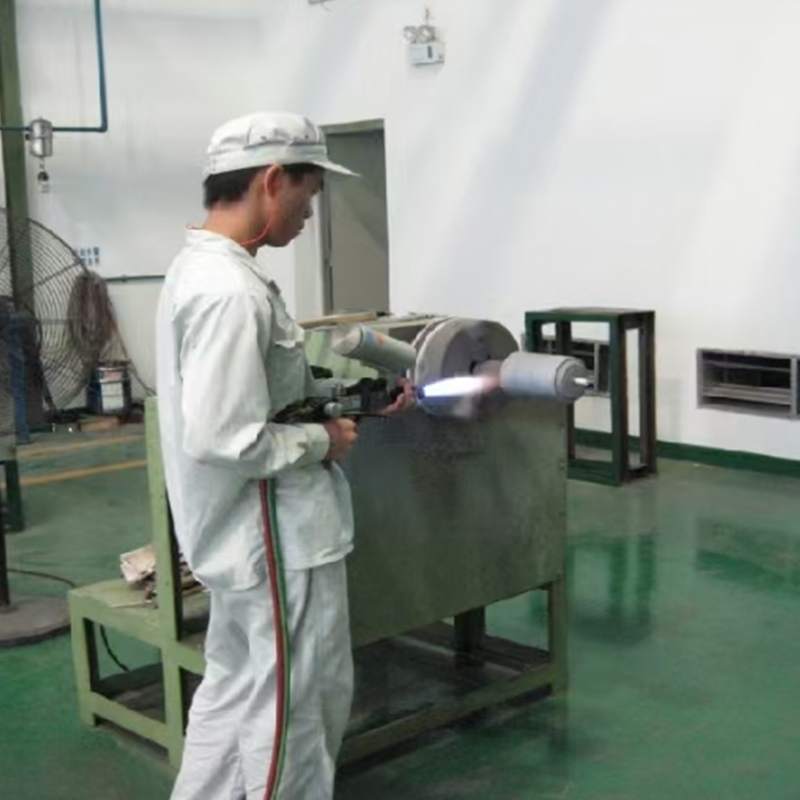
| Flame powder spray | Repair and general wear parts | Self-fluxing alloy | Flexible, economical rebuilds |
| Arc / wire flame | Large areas and less demanding wear | Alloy wire | Fast coverage and cost control |
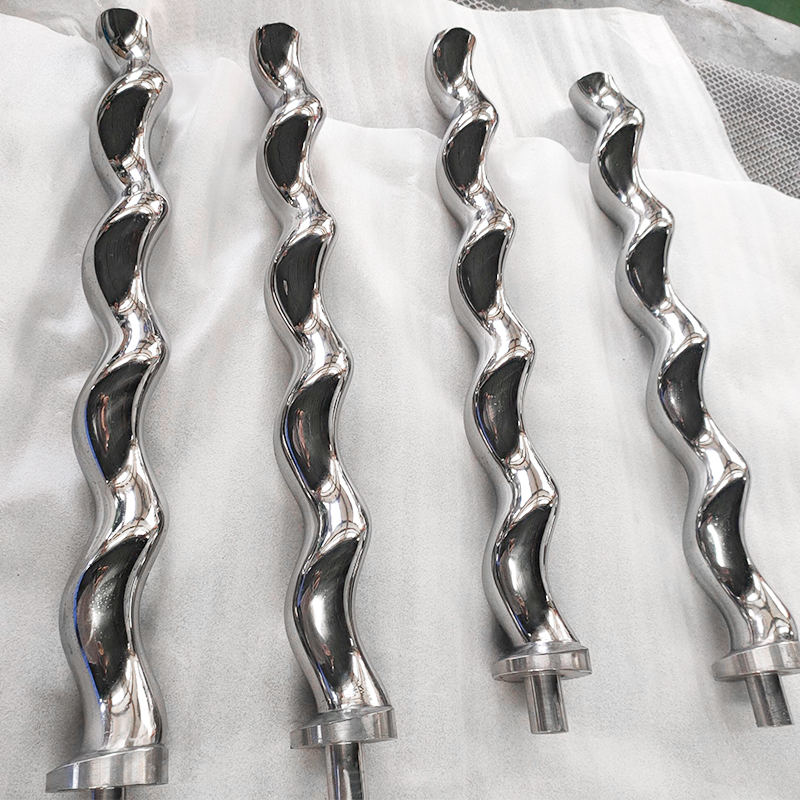
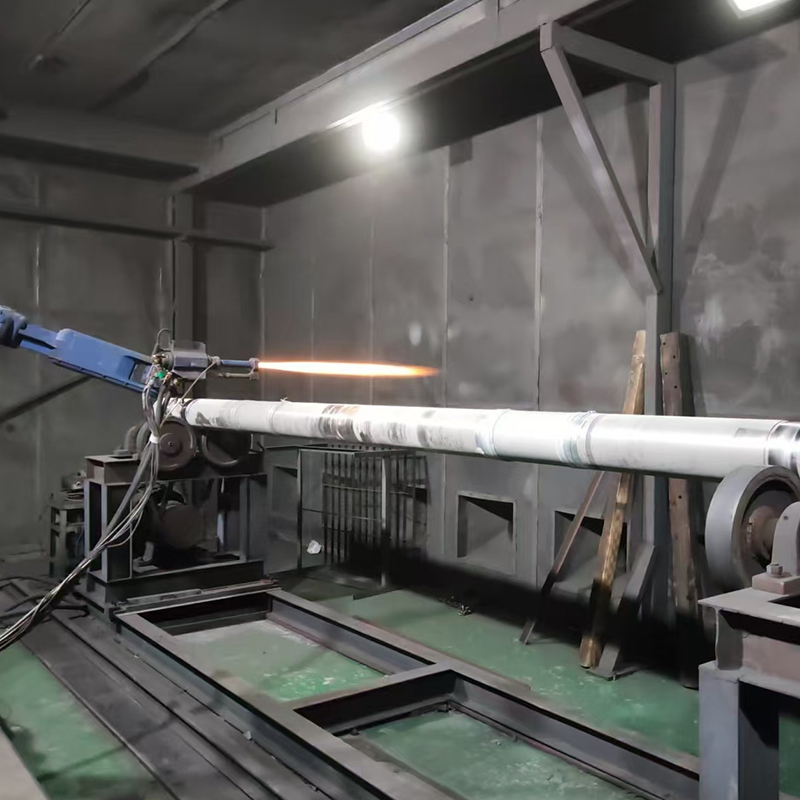 Supersonic Flame Spraying (HVOF) Coating ServiceHVOF service producing dense, low-porosity coatings with high bond strength for carbide and other thermal-spray applications.View Product →
Surface Preparation and Coating Quality
A coating only performs as well as the surface beneath it. Oil, scale, rust, and embedded contamination can prevent a proper bond. In our shop, preparation usually includes cleaning, masking areas that must remain uncoated, grit blasting to create the right anchor profile, and sometimes a bond coat before the main layer. The spray distance, angle, powder feed, and cooling rate also need to be controlled, because a coating that looks uniform can still have hidden porosity or poor adhesion.
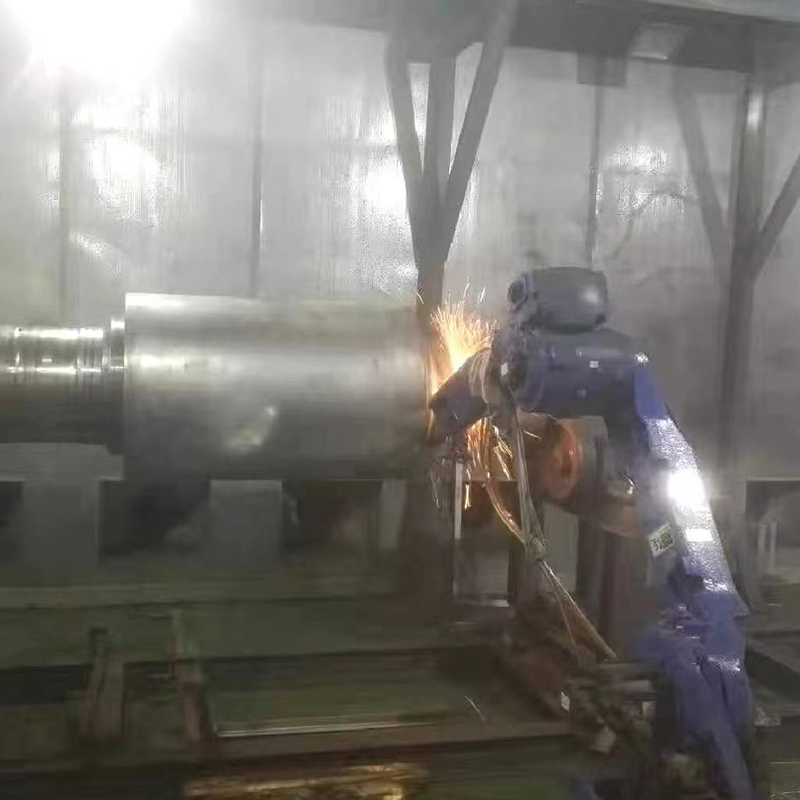
Finishing is part of the job too. A forming tool may need a specific surface roughness, a polished working face, or a controlled coating thickness so the final part dimensions remain within tolerance. If you want a deeper look at the preparation steps behind a stable coating, see this guide to surface preparation for plasma spraying. The same principles apply to many thermal spray processes: clean substrate, active surface, controlled spray, and inspection before the tool goes back into service.
Choosing a Coating Partner for Metal Forming Tools
When you choose a coating partner, look beyond the coating name. Ask how the partner selects the process, how they mask and finish the tool, how they check bond and thickness, and whether they can handle both new tools and repair work. A good coating partner should be comfortable asking about your press conditions, lubricant, workpiece material, and the exact point where the tool fails.
Our team has more than 10 years of experience in thermal spray coating and surface engineering. We operate a 20,000 square meter production base in Yancheng, with more than 200 staff and over 10 production lines. We are a high-tech enterprise with three management system certifications, and we work with processes including HVOF, plasma spraying, arc spraying, wire flame spraying, and laser cladding. That range helps us avoid forcing every forming tool into one process. We can discuss the failure mode, recommend a coating route, and carry it through to batch processing.
Common Questions from Tooling Teams
Can a coating change the final part dimensions?
Yes, coating thickness is part of the dimensional plan. A thin wear-resistant layer may be measured in tens of microns, but it still needs to be considered on close-tolerance forming surfaces. In many cases, the tool is designed or adjusted for the coating, or the coating is finished after spraying to bring the working face back to the required size.
Which is better for stamping: tungsten carbide or ceramic?
It depends on the failure mode. Tungsten carbide coatings are often preferred for abrasion, sliding wear, and galling on steel stamping tools. Ceramic coatings are more often used where heat, oxidation, or chemical attack is significant. A mixed failure mode may call for a different process or a layered approach, so testing and experience matter more than a single hardness number.
Can worn tools be coated or repaired?
Often, yes, if the base metal is still sound. Local wear can be rebuilt with laser cladding or flame powder spraying, then finished to the required geometry. Tools with deep cracks or heat damage may need repair before coating, and some are simply beyond economical recovery. A quick inspection usually makes the answer clear.
If you are dealing with a die that galling, a forging insert that heat-checks, or a worn tool that you would rather repair than replace, start with the failure mode rather than the coating name. Send us the tool material, working conditions, and a description of how the surface fails. We can help you compare thermal spray options and choose a coating for metal forming tools that fits the job, the production volume, and the finish your parts require.

 TOP