
 ENG
ENG
 English
 عربى
عربى Español
 中文简体
中文简体
Cobalt alloy thermal spray powders sit in a narrow but valuable corner of surface engineering. They cost more than most nickel or iron based materials, they are not the answer for every worn part that arrives at the shop, and they behave differently in the feeder than a standard tungsten carbide blend. But when a component has to survive hot metal-to-metal contact, heavy galling, or abrasion combined with corrosion at temperature, a cobalt based coating is often what keeps the equipment running past the next shutdown. We have been spraying these materials for more than ten years, and the notes below are what we would share with a customer standing next to the booth.
Content
- 1 What Cobalt Brings to a Thermal Spray Coating
- 2 The Cobalt Alloy Powder Families We Spray Most
- 3 Matching the Powder to the Spraying Process
- 4 Particle Size, Morphology and Flow
- 5 What We Check Before a Powder Enters the Feeder
- 6 Where Cobalt Alloy Coatings Earn Their Keep
- 7 Fused Cobalt Coatings: The Self-Fluxing Option
- 8 Questions We Get Asked Most
What Cobalt Brings to a Thermal Spray Coating
Cobalt is valued as a matrix metal for two reasons. First, it holds hardness at temperatures where nickel and iron based matrices begin to soften, which is why cobalt coatings are frequently specified for hot sliding contact, hot erosion, and parts that simply cannot be cooled during service. Second, cobalt alloys resist adhesive wear, the galling and scuffing that appears when two metal surfaces slide against each other under load, better than most competing materials.
The alloying elements do much of the real work. Chromium, tungsten, molybdenum and carbon form hard carbides that sit inside the cobalt matrix and carry the abrasive load. In the molybdenum-rich grades, a hard intermetallic Laves phase forms instead, and that structure is what gives those powders their reputation for surviving the most severe galling conditions. Chromium also contributes the corrosion resistance that makes these coatings useful in chemical and slurry service.
When the Premium Is Justified
In our experience, moving up to a cobalt based powder makes sense when at least one of these conditions applies:
- Continuous service temperature above roughly 500 °C, where the coating must keep its hardness.
- Sliding or oscillating metal-to-metal contact that shows galling rather than clean abrasive wear.
- Combined abrasion and corrosion, for example slurry handling or chemical process equipment.
- Valve trim, seats, stems and similar parts where a single failure stops an entire production line.
Cobalt is not automatically better than nickel in every corrosive medium, and it is not the cheapest way to fight plain room-temperature abrasion. The choice should follow from the failure mode you actually see on the worn part, not from habit.
The Cobalt Alloy Powder Families We Spray Most
Most cobalt bearing powders used in thermal spraying fall into a small number of families. The table below is a working summary rather than a specification; the exact chemistry and particle size cut should always come from the coating drawing or the customer's standard.
| Powder family | Typical composition | Where it performs | Usual processes |
|---|---|---|---|
| Co-Cr-W-C | Co-28Cr-4W-1.2C | Hot hardness, sliding wear, valve trim, extrusion screws | HVOF, plasma, PTA |
| Co-Cr-Mo | Co-28Cr-6Mo | Galling, corrosion, pump and valve components | HVOF, plasma |
| Co-Mo-Cr-Si | Co-28Mo-17Cr-3Si | Severe adhesive wear at high temperature | HVOF, plasma |
| Self-fluxing Co-Ni-Cr-B-Si | Co-25Cr-10Ni-3B-3Si | Fused coatings for moulds, screws and seats | Flame spray plus fusing, PTA |
| WC-Co and WC-Co-Cr | 88WC-12Co, 86WC-10Co-4Cr | Abrasion and erosion in slurry and mining duty | HVOF |
| CoNiCrAlY | Co-32Ni-21Cr-8Al-0.5Y | High-temperature oxidation protection and bond coats | HVOF, plasma |
Matching the Powder to the Spraying Process
The same chemistry can be supplied in different particle size cuts, and a cut that sprays beautifully in one torch may block the feeder in another. Process selection therefore comes before grade selection in most jobs.
High velocity oxy-fuel spraying, usually shortened to HVOF or supersonic flame spraying, produces the densest cobalt alloy coatings and the best carbide retention. Powders for this route are normally gas atomized and cut between roughly 15 and 45 µm. Oxide levels stay low, bond strength is high, and the finished surface can be ground or lapped to a fine finish.
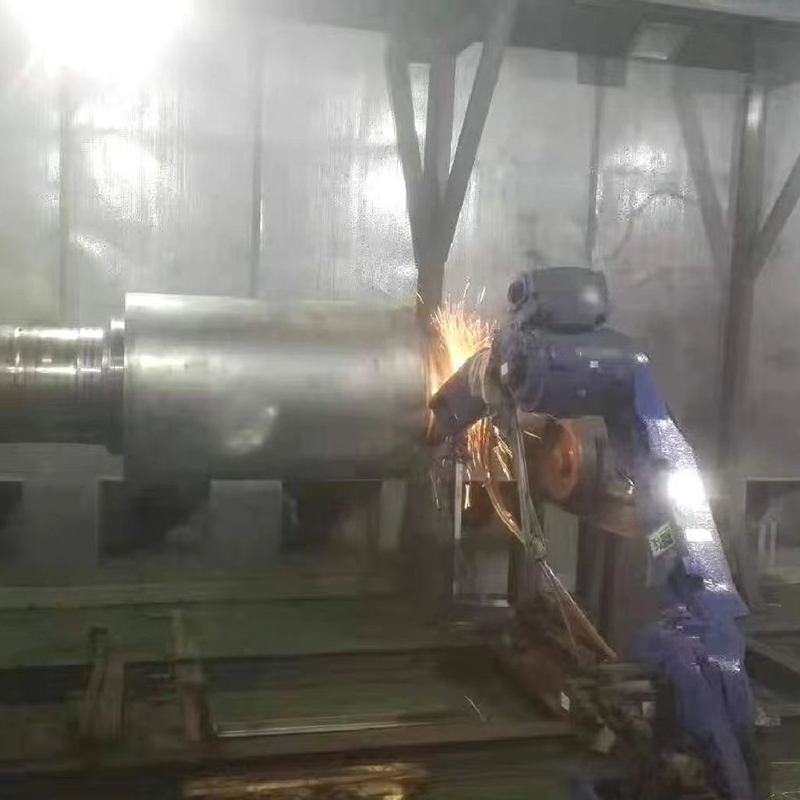
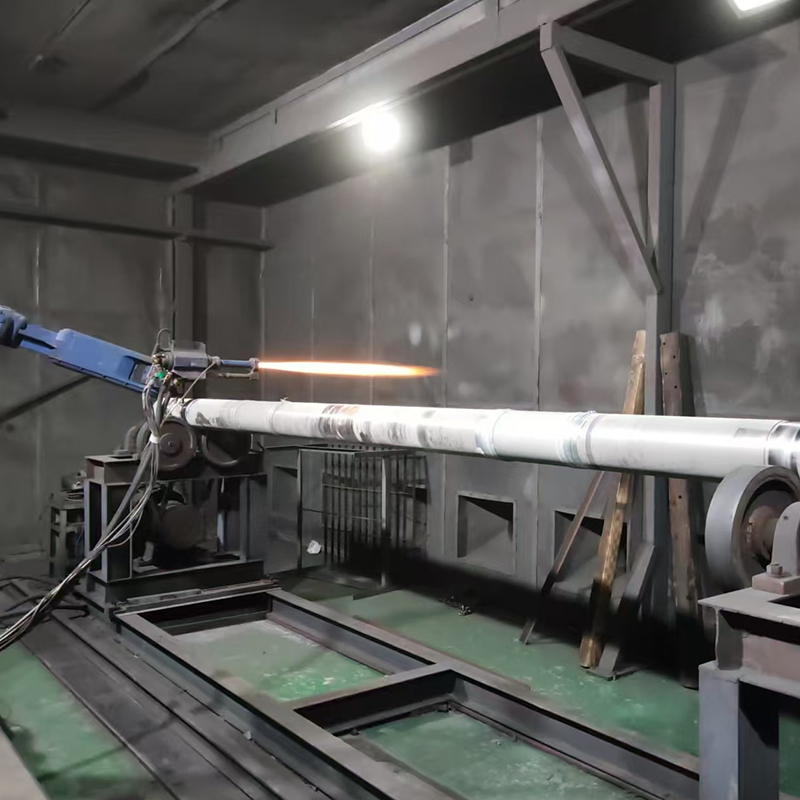 Supersonic Flame Spraying and HVOF CoatingProduces dense cobalt alloy and carbide coatings with high particle velocity, low porosity, and strong bond strength for demanding wear applications.View Product →
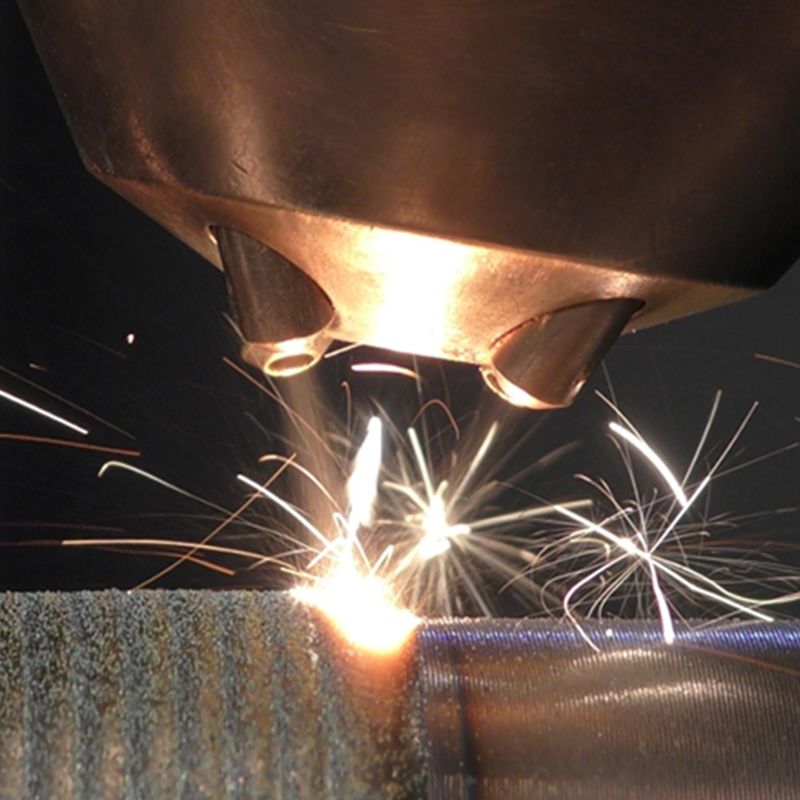
Plasma spraying accepts a wider size range, often 20 to 106 µm, and delivers more heat to the particle. It is the usual route for cobalt alloys that need to be built up thicker, for oxide-containing blends that would decompose in a very hot flame, and for parts with complex geometry where spray angles are difficult.
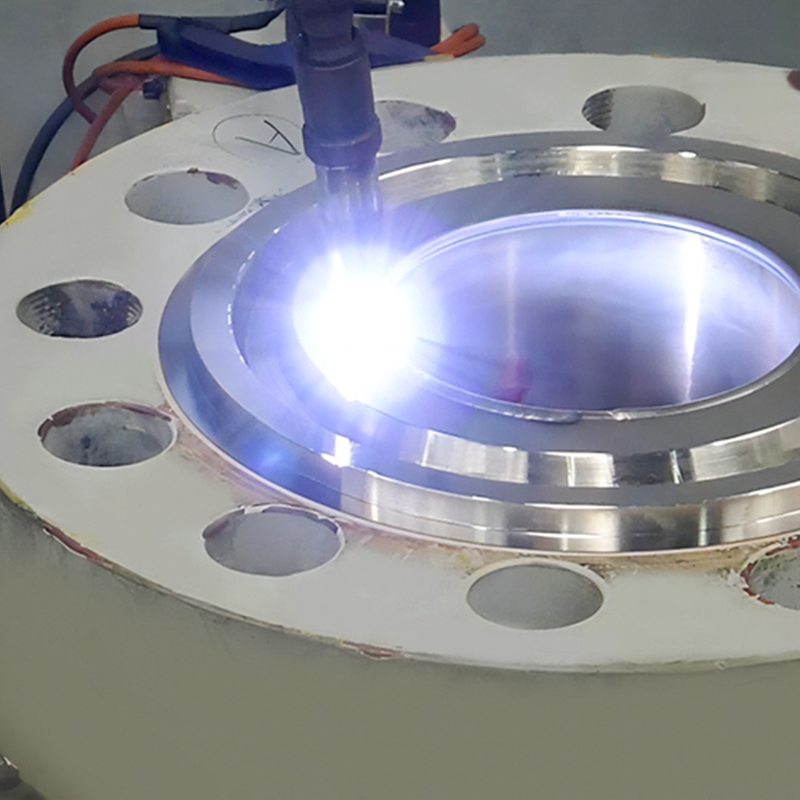
Laser cladding and plasma transferred arc hardfacing use coarser cuts, generally 45 to 150 µm. Dilution into the substrate is low, deposits can be several millimetres thick, and the process suits large, high value parts where a metallurgical bond is preferred over a mechanical one.
Particle Size, Morphology and Flow
Powder morphology affects feeding, melting and the final coating structure as much as chemistry does. Three shapes dominate the cobalt market:
- Gas atomized and spherical, with smooth flow and dense splats, the standard choice for HVOF.
- Agglomerated and sintered, used mostly for carbide blends where each particle carries both the hard phase and the metal binder.
- Sintered and crushed, angular particles with high hardness, common in wear-resistant cobalt alloys and perfectly usable with a well set feeder.
Size distribution is the next variable. A wide spread can leave unmelted particles embedded in the coating; an unusually narrow cut improves consistency but raises the price. Oxygen content, apparent density and Hall flow rate matter too, because those numbers predict how the powder will behave on a busy production day rather than on a quiet trial afternoon.
What We Check Before a Powder Enters the Feeder
Powder is the one consumable that decides whether a coating job succeeds, so every incoming batch is treated the same way:
- Certificate of analysis compared against the specified chemistry.
- Particle size distribution measured in house rather than accepted on trust.
- Oxygen and nitrogen content, which influence ductility and oxide stringers in the deposit.
- Apparent density and Hall flow rate checked against previous batches of the same grade.
- Morphology examined under the microscope for satellites, agglomerates or excess fines.
- A spray trial on test coupons, followed by bend, bond strength or hardness checks, before production parts are loaded.
One factor sits outside the powder itself: the surface it lands on. Grit blasting, degreasing and preheating set the adhesion ceiling for everything that follows, and skipping them is the most common reason a coating fails early. We wrote up our own routine in this guide to pretreating surfaces before plasma spraying, and the same logic applies to cobalt grades.
Where Cobalt Alloy Coatings Earn Their Keep
The parts we coat with cobalt based powders tend to share one trait: they are expensive to replace and painful to stop for. Pump sleeves, wear rings and thrust faces in slurry or hot oil service; valve stems, seats and discs; extrusion screws and mixing elements; glass mould equipment; hot work tooling; marine exhaust valves; boiler and turbine components; and rolls in steel plants all appear on that list.
Many of these items are repaired rather than replaced. A cobalt coating can restore the original dimension and leave behind a surface that outlasts the base metal, which is usually the cheapest route back to production. If your work sits mainly in fluid handling, our overview of pump and valve industry solutions sets out the component types we coat most often, from impellers and wear rings to sleeves and thrust discs.
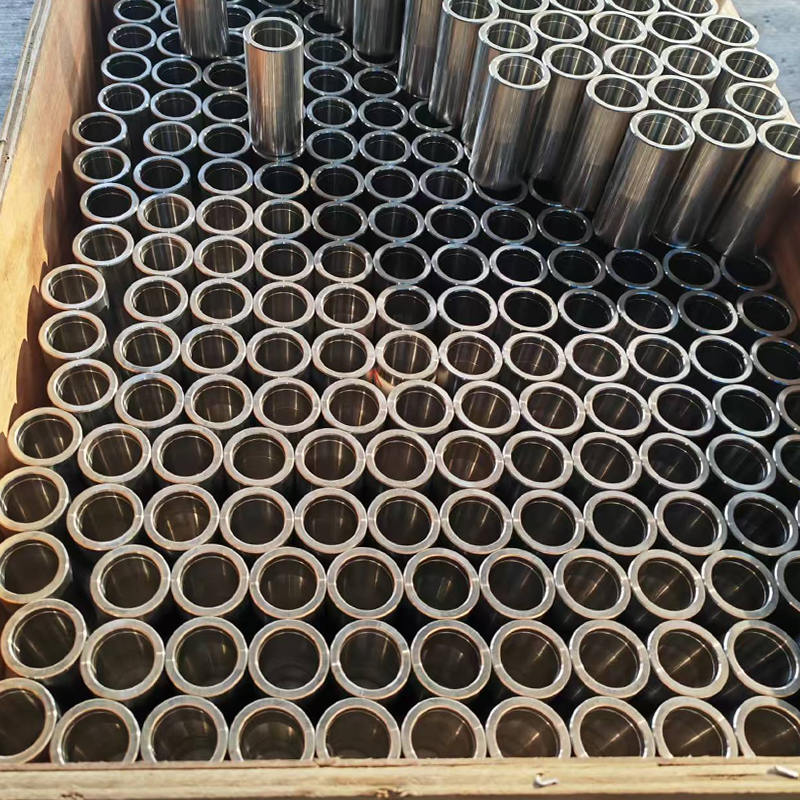
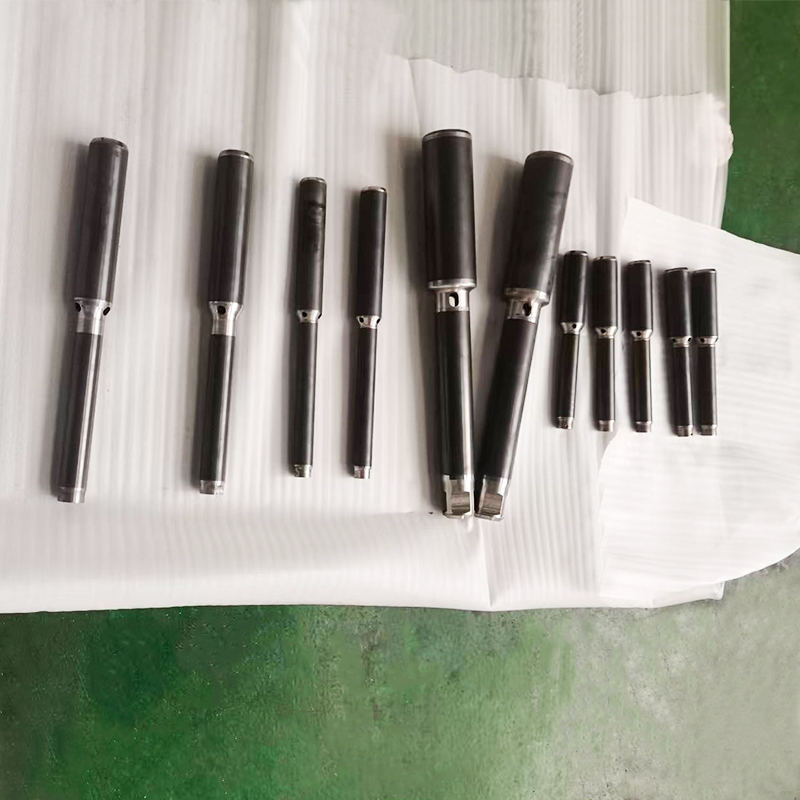
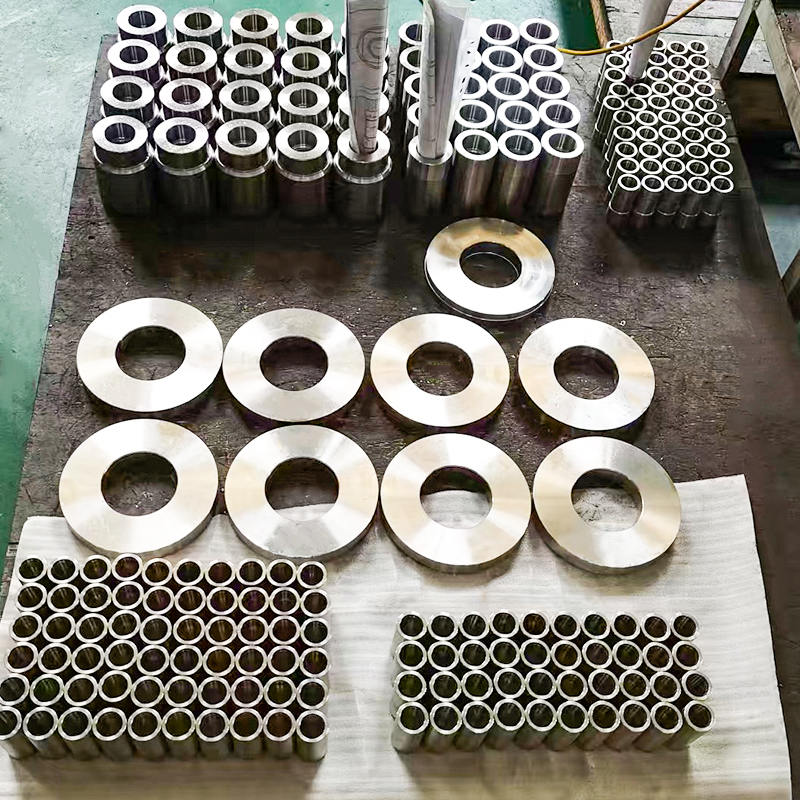 Coated Pump Axial Sleeve for Shaft ProtectionA replaceable sleeve that protects rotating pump shafts from wear and corrosion, with ceramic or tungsten carbide coating options.View Product →
Fused Cobalt Coatings: The Self-Fluxing Option
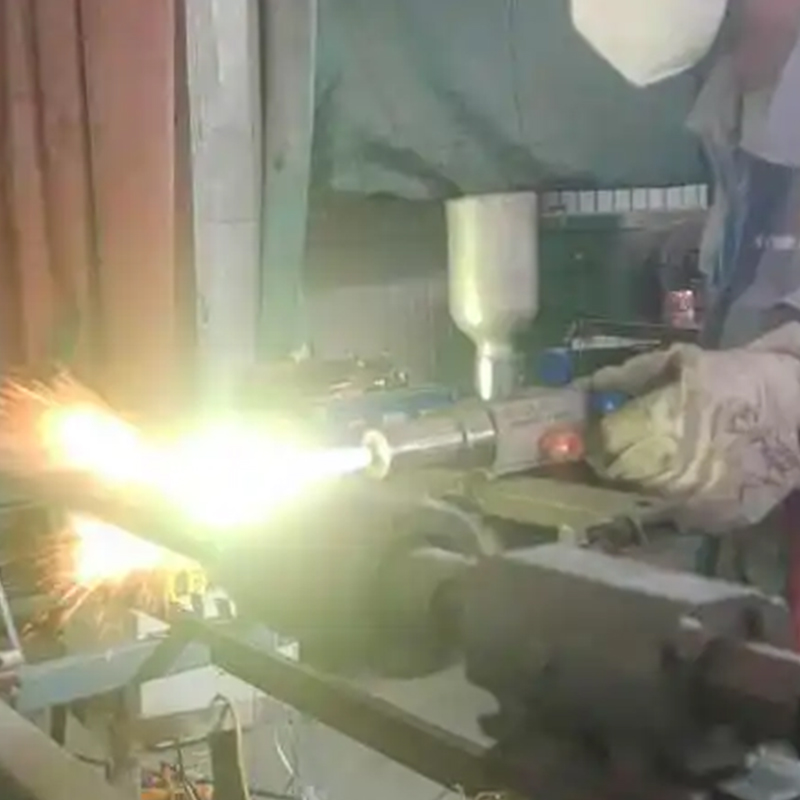
Not every cobalt coating is sprayed and left as it is. Self-fluxing alloys that contain boron and silicon can be applied with a simple flame powder torch and then fused, either with the same torch or by induction, at roughly 1000 to 1100 °C. The result is a metallurgically bonded, almost pore-free layer that resists impact as well as wear.
This is a very practical route for repairing worn shafts, valve seats, moulds and screws in a maintenance workshop where HVOF equipment is not available. The trade-off is heat: fusing puts a lot of energy into the part, so distortion and any loss of substrate hardness have to be planned for rather than discovered afterwards.
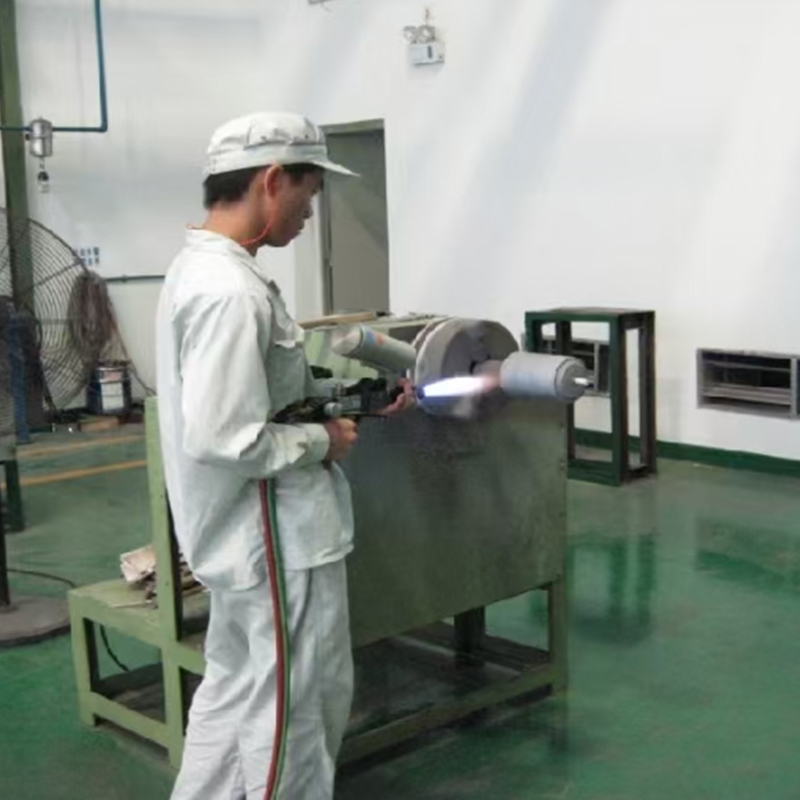
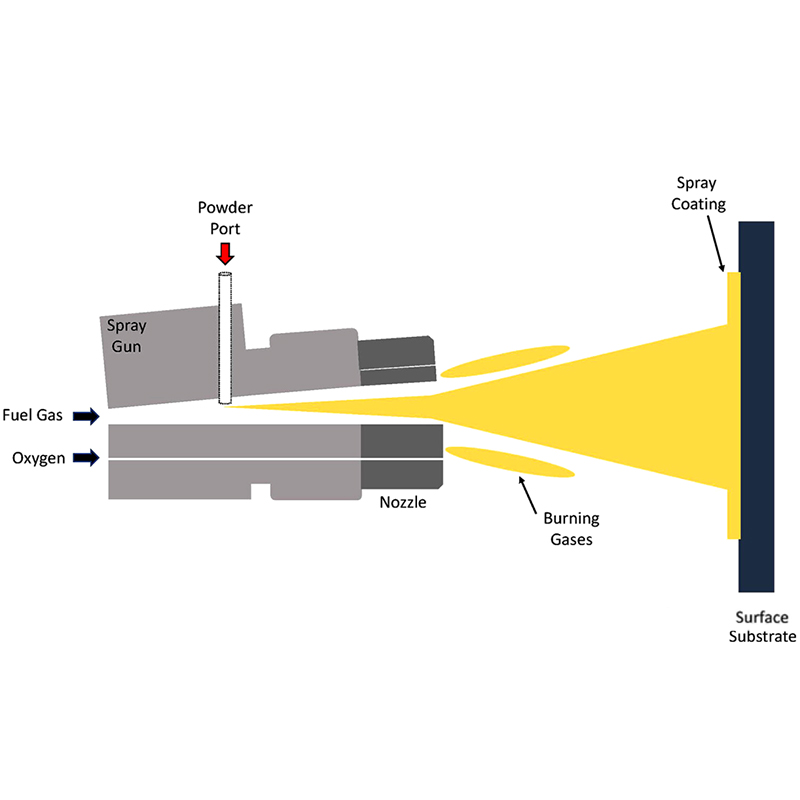 Flame Powder SprayPowder flame spraying is a thermal spraying method that uses an oxy-acetylene flame as the heat source and powder as the sprayed material.View Product →
Questions We Get Asked Most
How thick should a cobalt alloy coating be?
For HVOF and plasma sprayed cobalt grades we usually work between 0.15 and 0.5 mm after finishing, enough to cover wear without building stresses that promote cracking. Laser cladding and PTA deposits can go considerably thicker. If the part will be reground several times over its life, plan the thickness for the final repair, not the first one.
Can the same powder be used in a plasma torch and an HVOF gun?
Sometimes, but rarely well. A cut designed for HVOF is often too fine for stable plasma feeding, and a plasma cut can leave unmelted particles in a high velocity flame. If you need both processes, buy two size cuts of the same chemistry and keep them labelled separately.
Does a cobalt coating need sealing?
For pure wear duty, no. For corrosion service, a thin sealant or a post-deposition treatment can close the remaining porosity and extend life considerably, particularly where the part sees acids or chlorides. We decide this case by case with the customer.
Is cobalt powder difficult to handle?
It needs respect rather than fear. Cobalt bearing dust is a regulated exposure in many countries, so spraying is done with local extraction, enclosed feeders and appropriate protective equipment. Well maintained equipment is also better spraying equipment, so the safety routine pays for itself.
If you are weighing a cobalt alloy against a nickel or carbide coating for a specific part, the fastest way forward is usually a short conversation about the failure you are seeing, the service temperature and the environment. Send us the worn component or a drawing with the operating conditions, and we will recommend a powder family, a particle size cut and a process route, then confirm it with a coupon test before anything goes into production.

 TOP
TOP