
 ENG
ENG
 English
 عربى
عربى Español
 中文简体
中文简体
Carbide coatings are one of those engineering details that rarely get noticed until they are missing. A pump that used to be rebuilt every few months suddenly runs for years. A valve stem stops scoring. A wire drawing capstan holds its working diameter instead of wearing oval. In almost every case, the difference comes down to a thin layer of carbide, often well under a millimeter thick, bonded to a steel surface.
Our team has spent more than a decade applying these coatings for industrial customers, and the same questions come up again and again: which carbide, applied by which process, at what thickness, and finished how? This article answers those questions in plain language.
Content
- 1 What Carbide Coatings Are and How They Behave
- 2 The Main Carbide Materials Used in Coatings
- 3 How Carbide Coatings Are Applied
- 4 Matching a Carbide Coating to the Job
- 5 Carbide Coatings in Pumps, Valves, and Petrochemical Service
- 6 Carbide Coatings in Wire Drawing and Metal Forming
- 7 Carbide Coatings for Conveying, Mixing, and Abrasive Duty
- 8 Practical Lessons from the Coating Shop
- 9 Final Thoughts
What Carbide Coatings Are and How They Behave
A carbide coating is a thermally sprayed layer built from hard carbide particles held together by a metallic binder such as cobalt, nickel, or a nickel-chromium alloy. The carbide grains supply hardness and resistance to abrasion, while the binder absorbs impact and keeps the layer attached to the substrate. The result behaves like a composite rather than a pure ceramic, which is exactly why it survives in real machinery.
The numbers explain the appeal. A well applied tungsten carbide coating typically lands in the 1,000 to 1,300 HV range, while hardened tool steel usually sits around 600 to 700 HV. That gap is what turns a part that failed in three months into one that lasts several years. Compared with hard chrome plating, carbide coatings can also be applied much thicker, and they hold their hardness at temperatures where chrome would soften.
The Main Carbide Materials Used in Coatings
Most carbide coatings in industrial service come from a small family of materials. Knowing which one you are dealing with makes the rest of the specification much easier.
Tungsten carbide
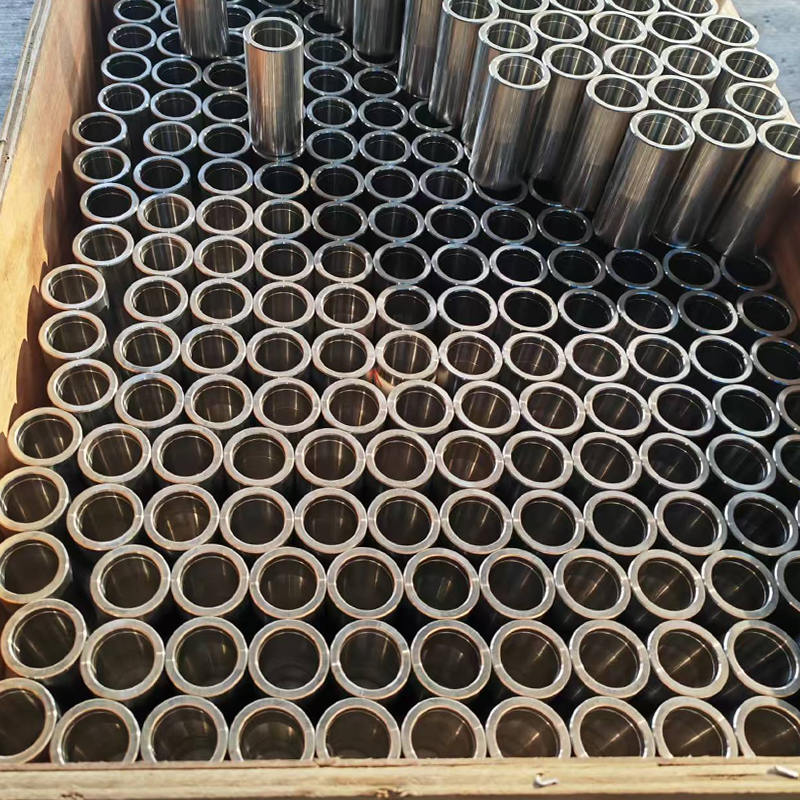
Tungsten carbide is the workhorse. It is blended with cobalt, nickel, or a nickel-chromium matrix to create grades with different balances of toughness, corrosion resistance, and temperature tolerance. Cobalt-bound grades give the best abrasion resistance in moderate conditions; nickel-based binders trade a little toughness for better corrosion resistance and a higher usable temperature. Typical applications include pump parts, plungers, shaft sleeves, wire drawing capstans, and valve trim.
Chromium carbide
Chromium carbide with a nickel-chromium binder keeps its hardness at elevated temperature and resists oxidation and hot corrosion. It becomes the preferred choice above roughly 500 °C, where cobalt-bound tungsten carbide starts to break down. Boiler tubes, turbine components, hot valve parts, and high-temperature erosion in the steel and power industries are its natural home.
Titanium, boron, and tantalum carbides
These are specialists. Titanium carbide suits extremely hard wear surfaces, boron carbide is chosen where erosion resistance and low density matter, and tantalum carbide handles extreme temperature or chemical environments where cost is secondary. They are specified less often, but they solve problems the mainstream materials cannot.
| Carbide material | Common binder | Typical hardness | Practical service temperature | Where it usually earns its keep |
|---|---|---|---|---|
| Tungsten carbide (WC) | Cobalt, nickel, or nickel-chromium | About 1,000 to 1,300 HV | Up to about 500 °C, higher with NiCr binders | Pump parts, plungers, shaft sleeves, wire drawing tools, valve trim |
| Chromium carbide (Cr3C2) | Nickel-chromium | About 800 to 1,000 HV | Up to about 850 °C | Boiler and turbine parts, hot erosion, oxidation and hot corrosion |
| Titanium carbide (TiC) | Nickel or nickel-based alloys | Very high, often above 1,400 HV in coating form | Moderate | Very hard wear surfaces where abrasion dominates |
| Boron carbide (B4C) | Metallic or blended cermet systems | Extremely high | Moderate | Specialised erosion protection where low density is useful |
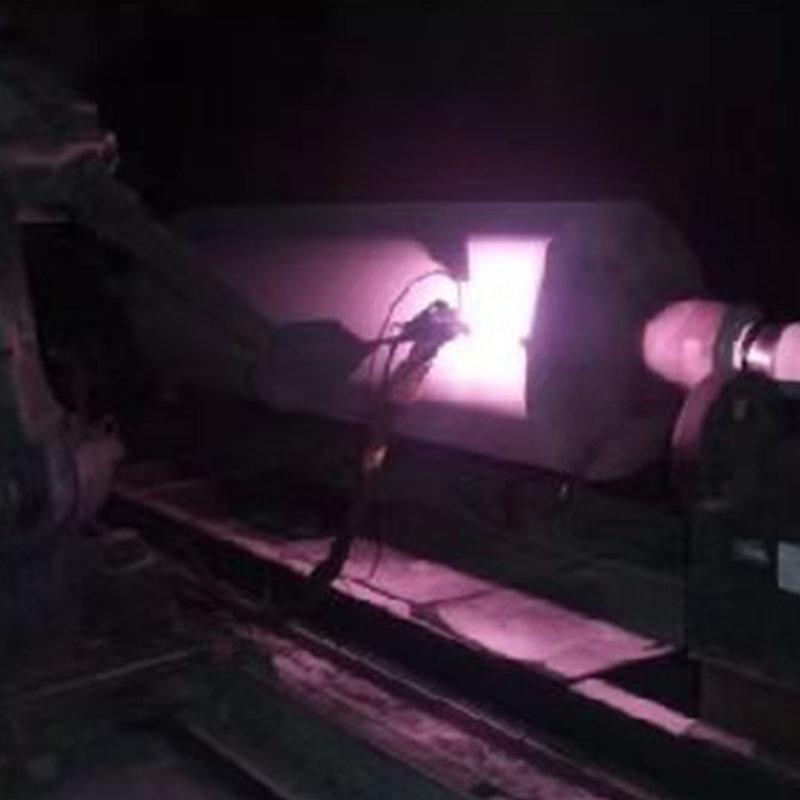
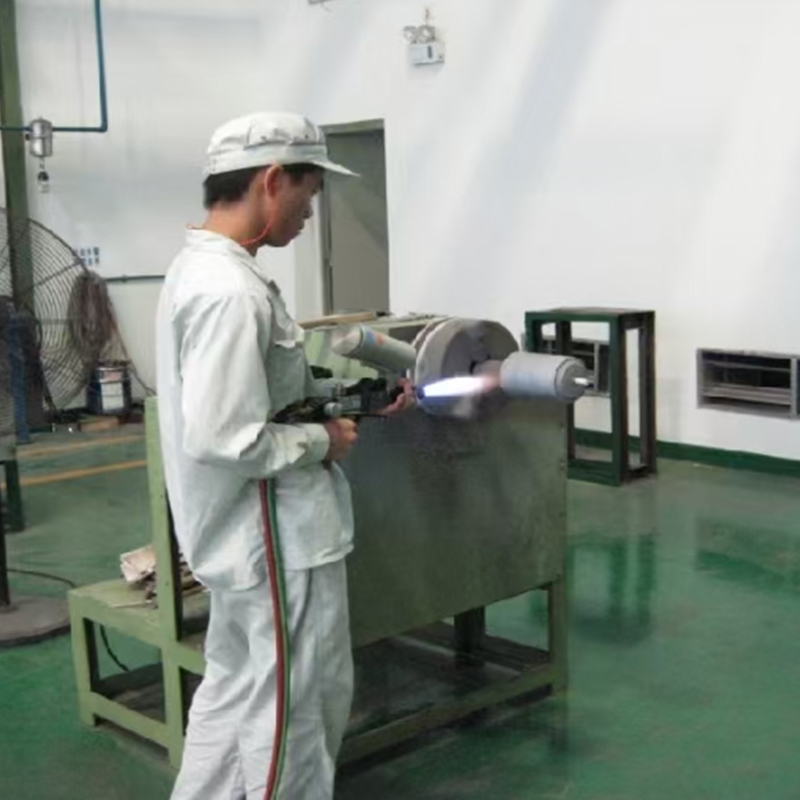
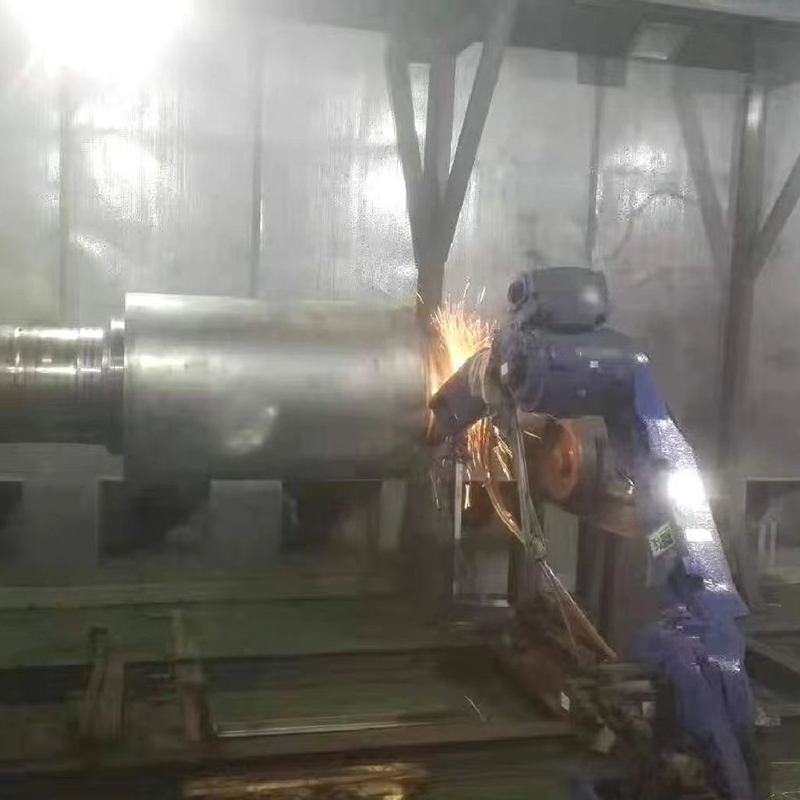
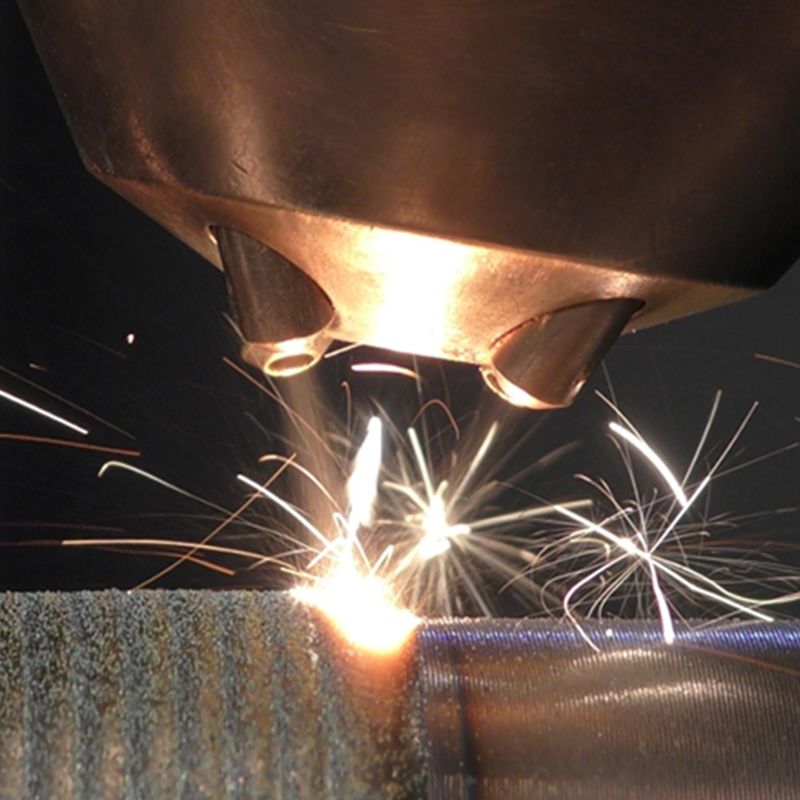
How Carbide Coatings Are Applied
Process choice affects coating quality as much as material choice does.
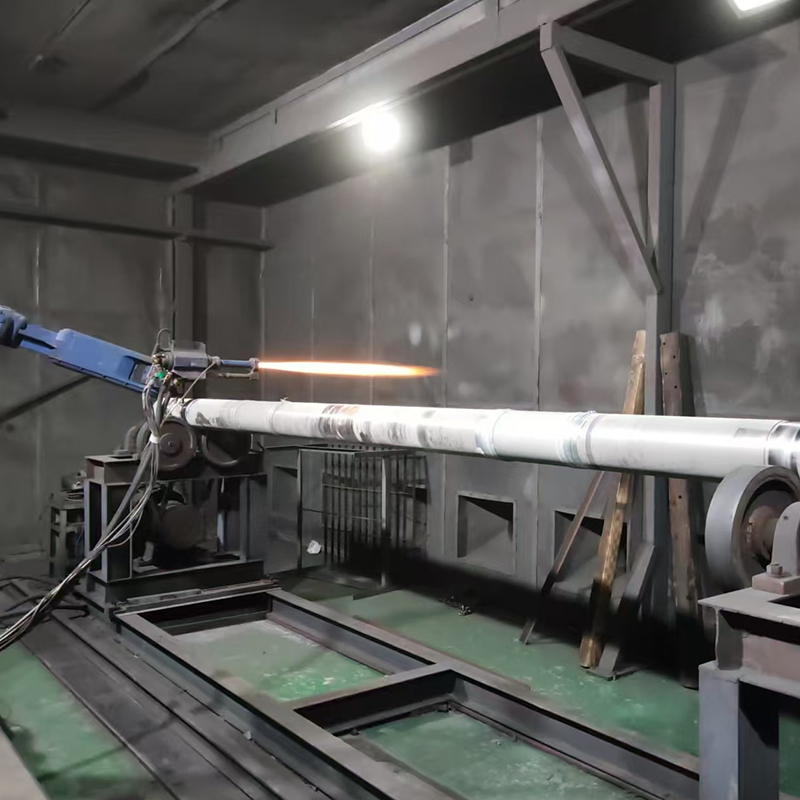
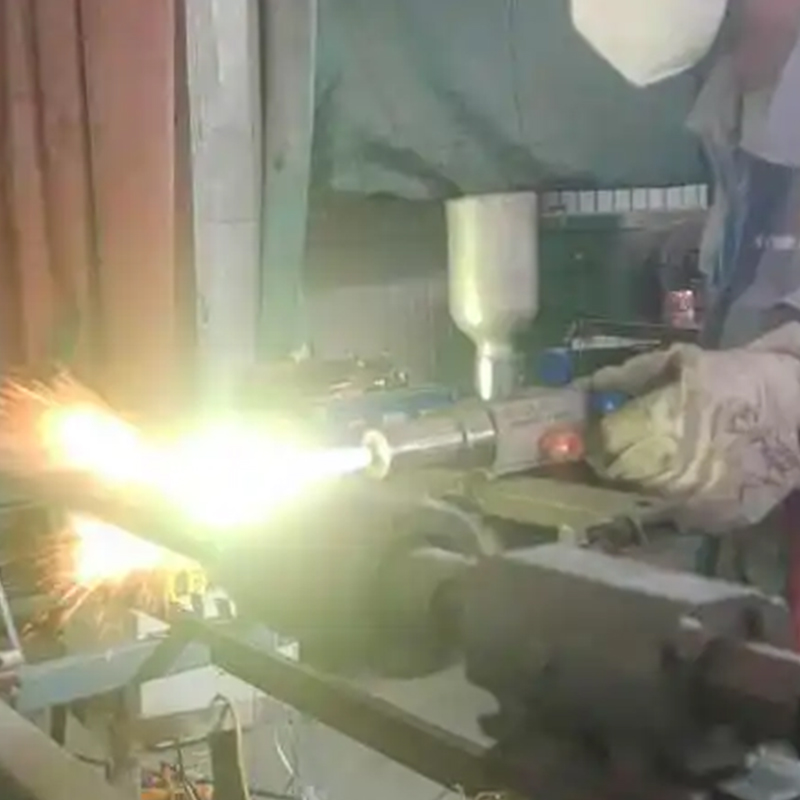
- HVOF, or supersonic flame spraying. The standard route for tungsten carbide. Particles leave the gun at supersonic speed, so they arrive dense, with low porosity and a strong bond to the substrate.
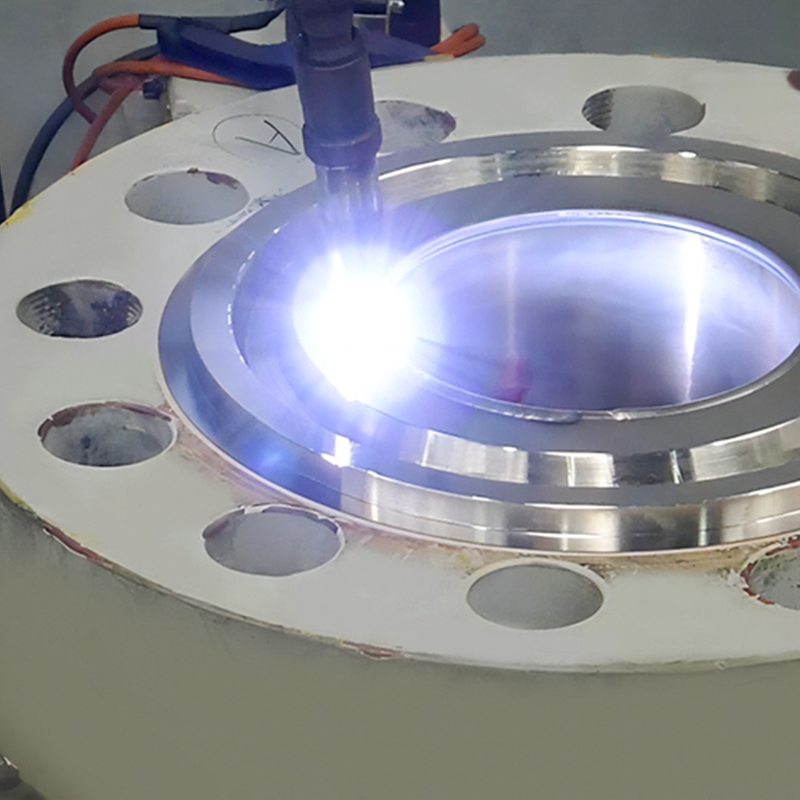
- Plasma spraying. A higher flame temperature makes this a good fit for chromium carbide and for coatings that contain ceramic phases.
- Flame powder spraying. Economical and forgiving, often used for repair work and for large parts where cost matters.
- Laser cladding. Produces a metallurgical bond and heavier deposit thicknesses for severe wear, which makes it a good option for rebuilding rather than protecting a finished component.
Whichever route is used, the coating is only half the job. Grinding, polishing, or sealing determines the final surface finish and how the part behaves in service. If you want to go deeper into process selection, our guide to thermal spray tungsten carbide coatings walks through it step by step.
Matching a Carbide Coating to the Job
Before picking a material, answer a few practical questions:
- What is damaging the part: abrasion, erosion, sliding wear, cavitation, corrosion, or heat?
- What is the real service temperature, including short peaks?
- Is there a mating surface, and how will the coating interact with it?
- How much thickness can the assembly tolerate before fit or balance changes?
- Can the substrate take the heat of spraying without distorting?
- What finish and tolerance does the finished part need?
Those answers usually narrow the choice to one or two material and process combinations. Skipping them is what leads to disappointing coating life.
Carbide Coatings in Pumps, Valves, and Petrochemical Service
Fluid handling equipment is where carbide coatings do the most visible work. Pump impellers and casings lose material to abrasive slurries, shaft sleeves and wear rings fail at the sealing surfaces, and plungers and valve stems score until they leak. A well specified carbide layer restores the surface and, more importantly, holds the original dimensions far longer than the base metal would.
Tungsten carbide grades are usually the first choice here, with chromium carbide taking over where process temperatures are high or the medium is chemically aggressive. If you work in this sector, our overview of the pump and valve industry covers the typical failure points and the coatings we recommend for each one.
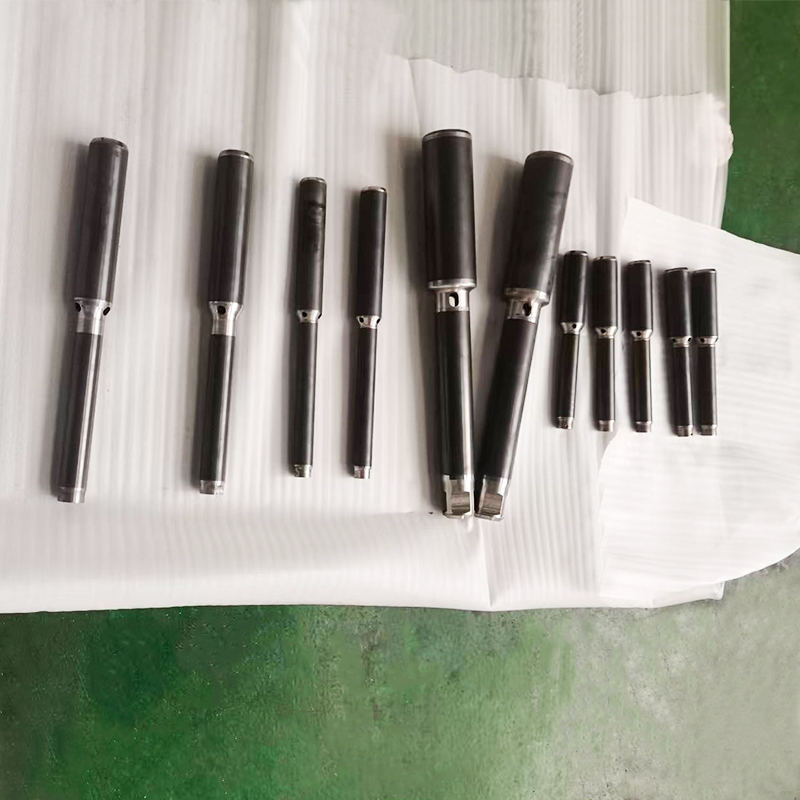
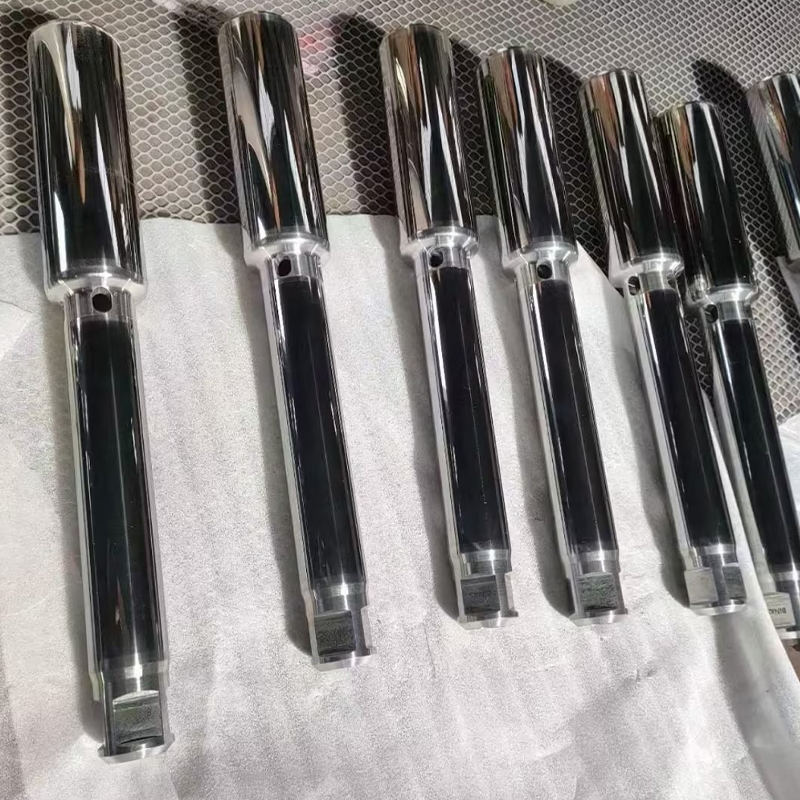 Tungsten Carbide Pump Pole for Industrial Pump EquipmentA wear- and corrosion-resistant pump component for demanding high-pressure, high-temperature, or chemically aggressive service, with drawing-based options and related pump parts available.View Product →
Carbide Coatings in Wire Drawing and Metal Forming
Wire drawing is a sliding abrasion problem in its purest form. Capstans, tower wheels, guide rollers, and machine drums run against wire under tension for thousands of hours. The failure mode is gradual loss of diameter, which shows up as inconsistent tension and, eventually, scrap. A dense tungsten carbide layer on a ductile steel body gives you the wear resistance of a hard tool with the shock tolerance of steel.
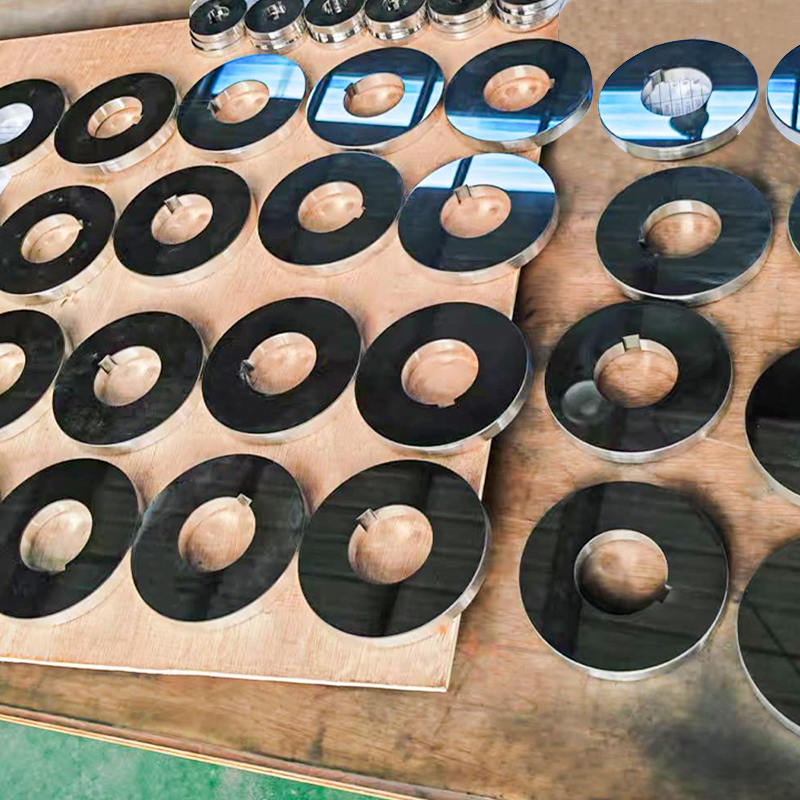
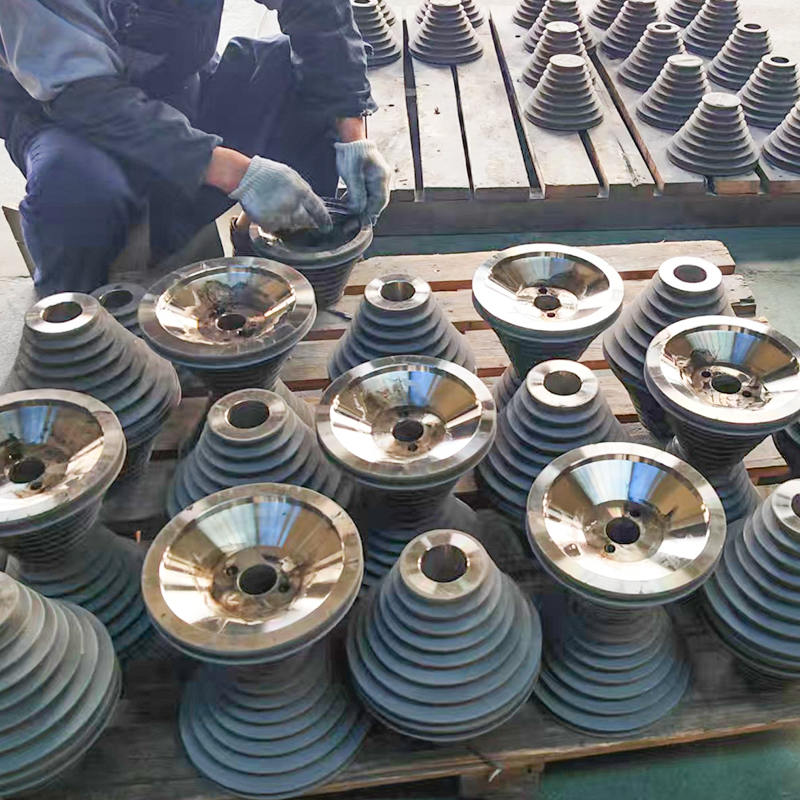 Tungsten Carbide Tower Wheel for Wire Drawing LinesA coated wire-drawing accessory built from steel and tungsten materials, suited to steel wire and cable production where sliding abrasion wears tower wheels.View Product →
Carbide Coatings for Conveying, Mixing, and Abrasive Duty
Not every wear problem involves a precision fit. Screw conveyors handling minerals or powders, mixing shafts and blades, and the casings around them wear out through constant particle impact and rubbing. Here the target is often a thicker, tougher layer that tolerates both abrasion from the product and corrosion from moisture in the material, rather than a fine, tightly controlled finish.
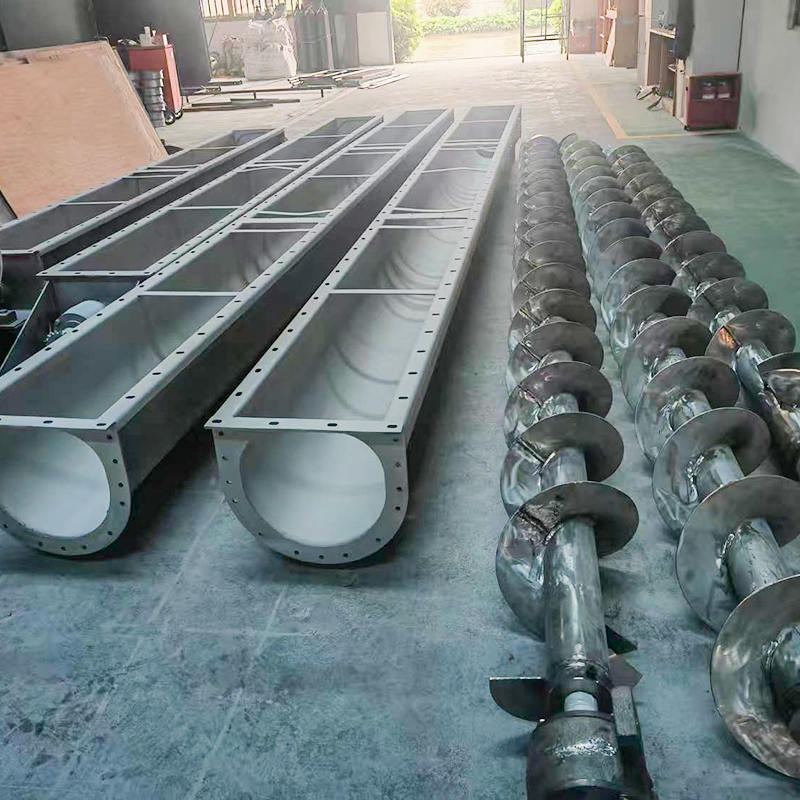 Supersonic Spray Tungsten Carbide Coating Conveyor CasingA conveyor casing with a supersonic-sprayed tungsten carbide layer, offering stated HV1100 hardness and 0.1–0.3 mm thickness for abrasion-prone material handling.View Product →
Practical Lessons from the Coating Shop
A coating is only as good as the preparation behind it. A few things we have learned over the years:
- Surface preparation decides the outcome. Grit blasting, cleanliness, and the right roughness are not optional steps.
- Design for the coating. Sharp edges, deep keyways, and blind corners are difficult to coat evenly.
- Thicker is not automatically better. Past a certain point, residual stress works against you.
- Keep the specification stable. Switching powders or parameters between batches changes performance.
- Plan finishing early. Grinding and polishing take time and belong in the delivery schedule.
Final Thoughts
Carbide coatings are not a universal answer, but in the right application they are one of the most cost-effective decisions an engineer can make. Define the wear mechanism, match it to a carbide material and a spray process, and prepare the surface properly. Do that, and the coating quietly disappears into the background of a machine that simply keeps working.

 TOP
TOP