
 ENG
ENG
 English
 عربى
عربى Español
 中文简体
中文简体
Abradable materials occupy an unusual corner of surface engineering: they are engineered to be worn away. In gas turbines, steam turbines, industrial compressors and turbochargers, a thin layer of abradable coating is applied to a casing, shroud ring or seal segment so that rotating blade tips can cut a shallow, clean groove into it during the first hours of operation. What remains is a running clearance measured in fractions of a millimetre — tight enough to protect efficiency, open enough to keep the blades intact.
For maintenance engineers, process planners and coating buyers, understanding what makes an abradable material work is the difference between a seal that survives a full overhaul interval and one that erodes, spalls or glazes long before its time. This guide covers the main material families, how they behave in service, how they are applied by thermal spray, and what to specify when you source them.
Content
- 1 What Are Abradable Materials and Why Do They Matter?
- 2 How Abradable Seals Work in Service
- 3 Common Types of Abradable Materials
- 4 Thermal Spray Processes Used to Apply Abradable Coatings
- 5 Properties That Separate a Good Abradable Material from a Poor One
- 6 Abradable Coatings Are Not Wear-Resistant Coatings
- 7 Where Abradable Materials Are Used
- 8 Specifying and Qualifying an Abradable Coating
What Are Abradable Materials and Why Do They Matter?
An abradable material is a coating or bulk material formulated to sacrifice itself in a controlled way when it rubs against a moving part. It is intentionally softer, more porous and more friable than the blade tip that contacts it, so contact removes coating rather than blade material. In practice the term almost always refers to abradable seal coatings applied to turbine and compressor casings, shroud rings and seal segments.
Structurally, most abradable coatings are two-phase systems. A matrix phase — aluminium-silicon alloy, nickel, a nickel-chromium alloy, an MCrAlY composition or yttria-stabilised zirconia — provides thermal stability and resistance to oxidation and particle erosion. A second phase, such as polyester, bentonite, graphite, boron nitride or hollow spheres, burns out, remains as a soft phase, or simply builds porosity. The result is a deposit with roughly 20 to 50 percent porosity by volume, hardness far below conventional wear coatings, and a network of weak paths that lets a blade tip cut in without generating excessive heat or load. The engineering payoff is simple: tip clearance strongly influences compressor and turbine efficiency, and an abradable seal lets a machine establish its own optimum gap instead of living with a conservative one.
How Abradable Seals Work in Service
During run-in, blade tips contact the coating and machine a groove whose profile matches the tip path. Because the coating fails locally — through brittle fracture, pore collapse or filler pull-out — the contact consumes very little energy and produces minimal heat. That groove becomes the running surface for the rest of the interval, and the clearance that remains is governed by thermal and centrifugal growth rather than by manufacturing tolerances.
What a good abradable coating must not do is equally important. It should not smear or pick up onto the blade tip, which would transfer material and create hot spots. It should not spall in sheets when the casing flexes. And it should not erode away under the particle-laden flows that pass through many compressors. Those three failure modes — glazing, spalling and erosion — define the balance every abradable specification is trying to strike.
Common Types of Abradable Materials
Abradable materials are usually classified by matrix chemistry, filler type and service temperature. The table below summarises the families most often specified for rotating equipment; exact limits depend on gas composition, particle loading and rub severity.
| Material family | Approximate service temperature | Common application process | Typical use |
|---|---|---|---|
| AlSi with polyester or boron nitride | up to 350 °C | Atmospheric plasma spray | Fan and compressor tip seals |
| AlSi with bentonite or graphite | up to 450 °C | Flame or plasma spray | Compressor casings |
| Nickel-graphite | up to 500 °C | Flame spray | Compressor and turbine seals |
| NiCrAl with bentonite or boron nitride | up to 850 °C | Plasma spray | High-pressure turbine seals |
| MCrAlY with boron nitride and polymer | up to 1000 °C | Plasma spray | Turbine shroud segments |
| Yttria-stabilised zirconia with polymer | above 1000 °C | Plasma spray | Combustor and turbine seals |
| Polymer and PEEK composites | below 250 °C | Flame or plasma spray | Low-temperature compressors and turbochargers |
Aluminium-silicon systems dominate the low-temperature end because they are light, machine well and tolerate tight clearances. As temperatures climb, the matrix shifts to nickel, then to MCrAlY and zirconia, and the filler changes with it — polyester and graphite give way to boron nitride, which stays stable and lubricious at higher temperatures. Matching the wrong filler to the duty cycle is one of the most common causes of premature seal failure.
Thermal Spray Processes Used to Apply Abradable Coatings
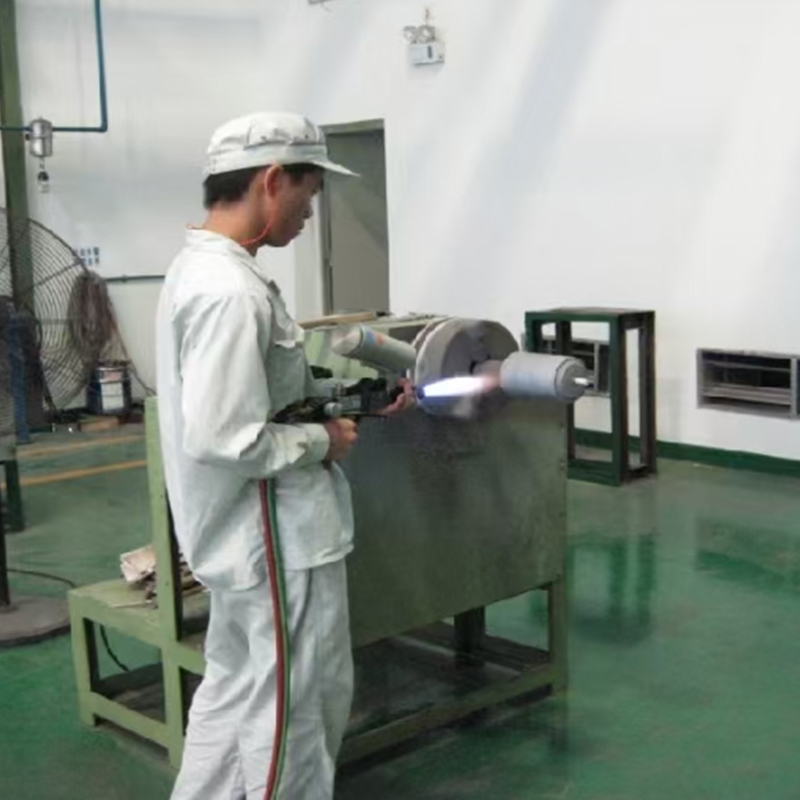
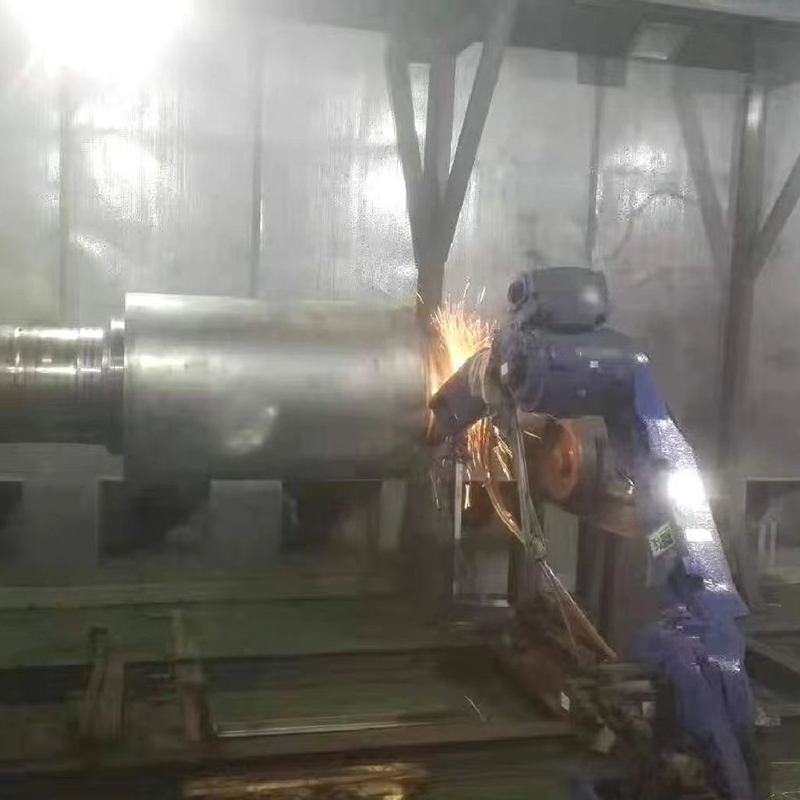
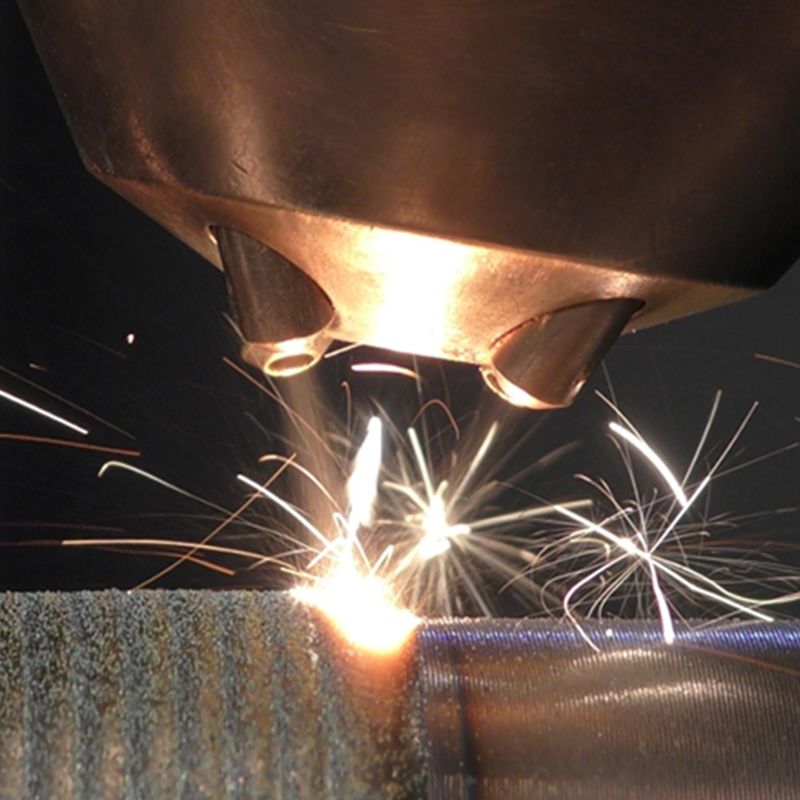
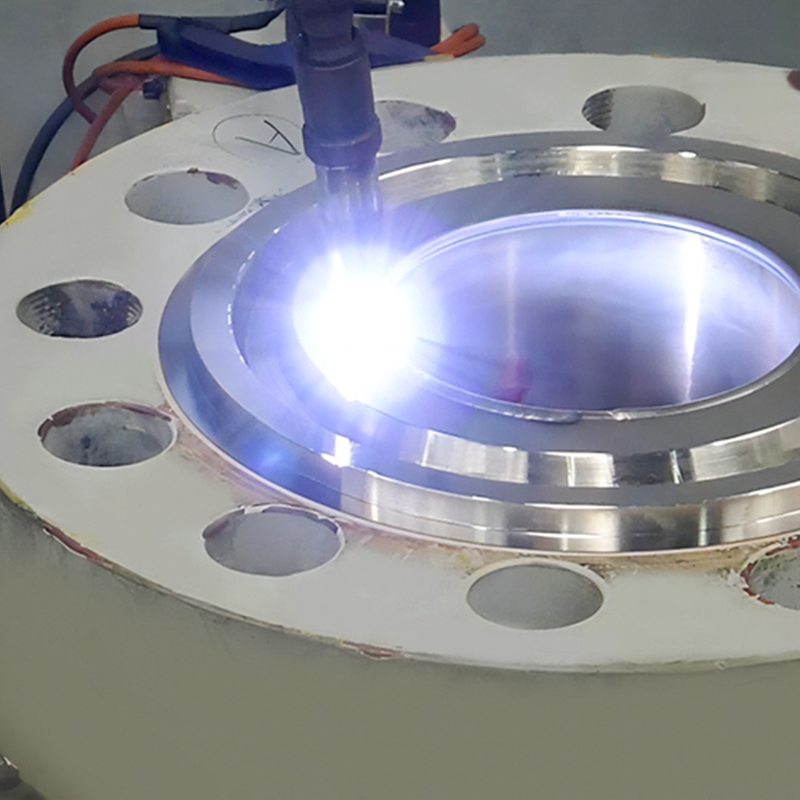
Nearly all abradable seal coatings are produced by thermal spray, because the process builds porosity and chemistry into the deposit in a single operation. Atmospheric plasma spray is the workhorse for aluminium-silicon, NiCrAl, MCrAlY and zirconia systems: particle temperatures are high enough to melt the matrix cleanly while the filler survives or is partially retained, and parameters such as arc current, gas flow, powder feed rate and stand-off distance set the final porosity and hardness.
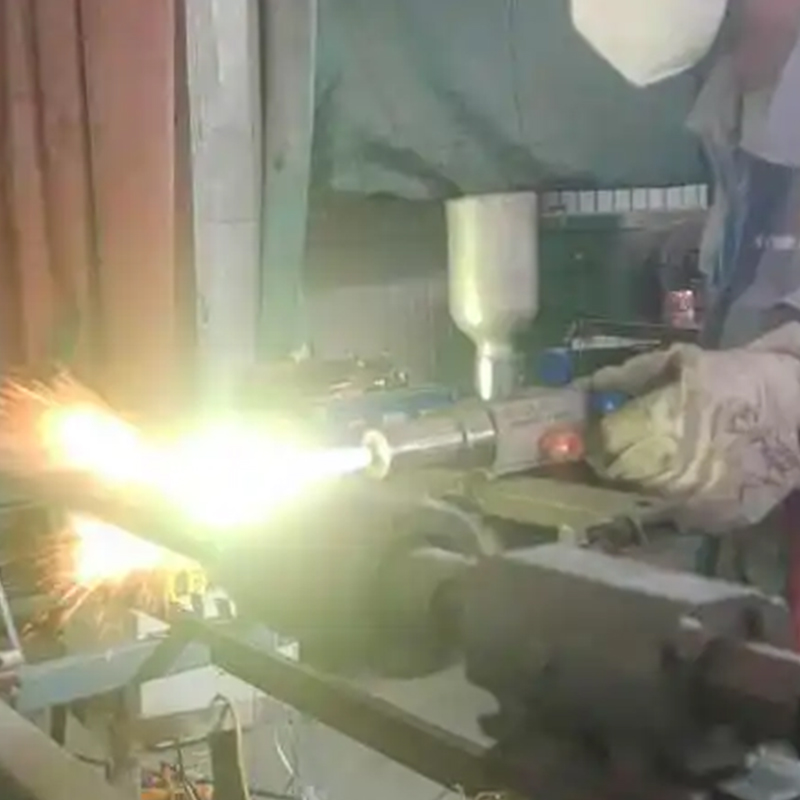
Flame spray remains in use for nickel-graphite and some aluminium-silicon seals where a softer, more open deposit is wanted. High-velocity oxy-fuel and other supersonic processes produce dense, well-bonded coatings and are generally reserved for wear surfaces rather than abradable ones, although they are sometimes used for the hard blade tip or knife-edge counterface in the same assembly.
Because the deposit must stay porous, an abradable coating is not normally sealed or impregnated afterwards — doing so would destroy its ability to be cut. Quality is controlled instead by locking spray parameters and requalifying them whenever powder lot, equipment or torch hardware changes.
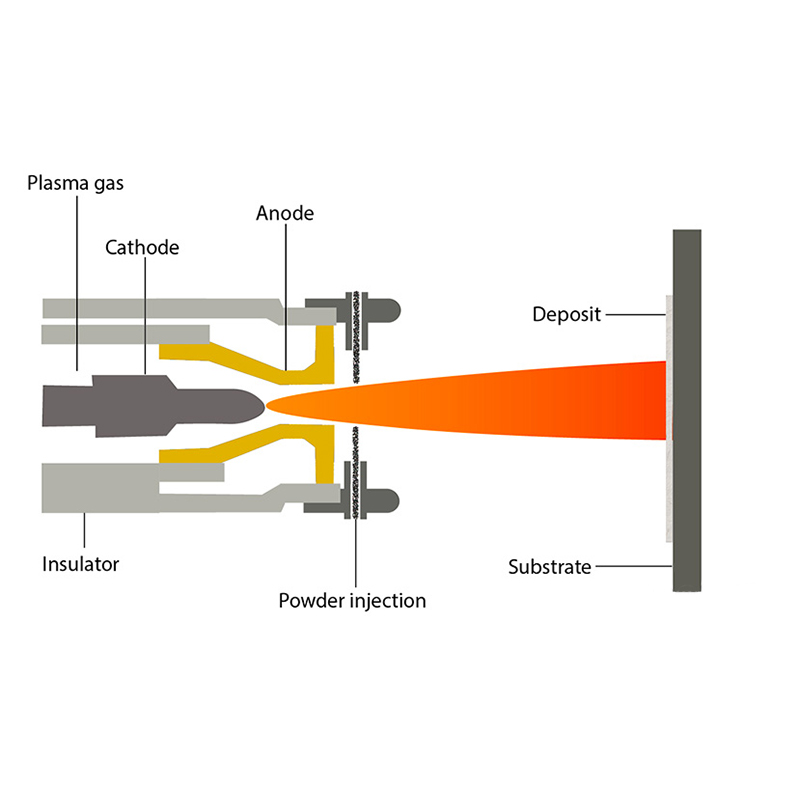 Plasma Spray-Coating TechnologyPlasma spraying is a thermal spraying method that uses a non-transferable plasma arc as the heat source, with powder as the sprayed material. Commonly used process met...View Product →
Properties That Separate a Good Abradable Material from a Poor One
When a specification is written, a handful of measurable properties carry most of the risk:
- Porosity and pore morphology — pores must be fine, evenly distributed and open enough for a tip to cut cleanly.
- Hardness — measured on superficial Rockwell scales and tied to the tip material, rub speed and clearances involved.
- Cohesion and bond strength — the coating must stay attached to the casing through thermal cycling even though its top layer is designed to break away.
- Erosion resistance — a seal that disappears in dusty or sooty service is useless, so filler content is balanced against rub performance.
- Thermal stability — oxidation, sintering or phase change can harden a seal in service and turn a gentle rub into blade damage.
- Machinability and finish — most seals are ground to final dimension, and the surface must accept that step without smearing.
Abradable Coatings Are Not Wear-Resistant Coatings
It is worth stating the contrast plainly, because the two are often confused. Abradable materials are designed to yield: low hardness, high porosity, controlled friability. Wear-resistant coatings are designed to resist: high hardness, low porosity, strong particle bonding. Abradable coatings protect efficiency by being consumed; wear coatings protect components by refusing to be consumed.
The same workshop can produce both, but the material systems, spray parameters and inspection criteria differ. A pump impeller, plunger or valve body needs a dense carbide or ceramic layer that survives abrasion and corrosion for years. A compressor casing seal needs an open, cuttable deposit that establishes clearance in the first hour of operation. Applying the wrong philosophy in either direction — sealing an abradable coating, or softening a wear coating — shortens component life rather than extending it.
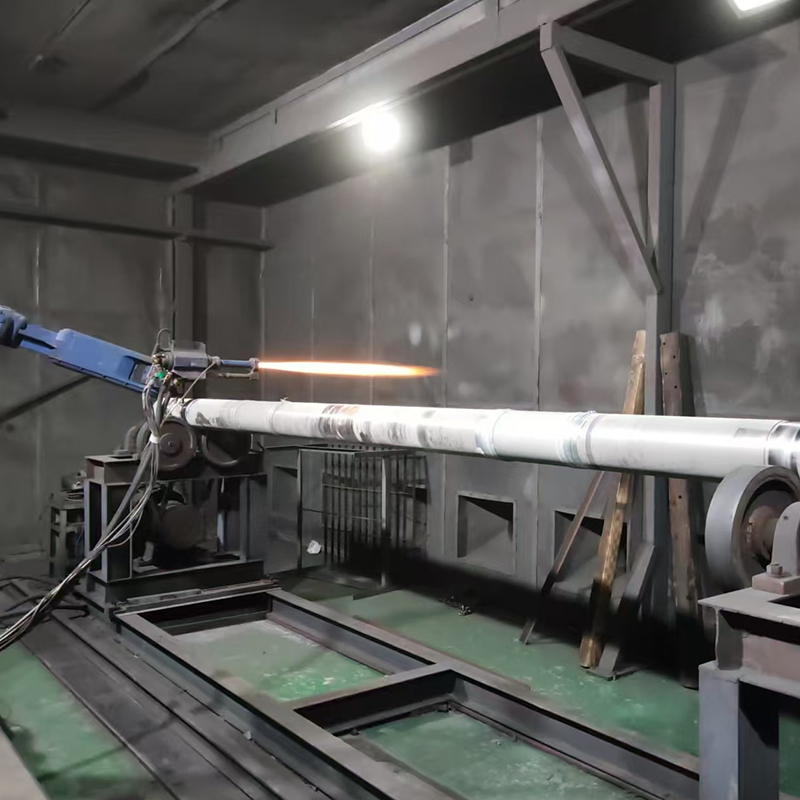 Supersonic Flame Spraying TechnologyIn China, High Velocity Oxygen Fuel (HVOF) spraying is commonly referred to as supersonic flame spraying. This technique is gradually replacing plasma spraying and oth...View Product →
Where Abradable Materials Are Used
Abradable seals appear wherever a rotating assembly runs close to a stationary wall: aircraft engine fans, compressors and turbines, heavy-duty gas turbines in power generation, steam turbine diaphragms and tip seals, industrial process compressors, and turbocharger housings. The common thread is that tighter clearance translates directly into efficiency, and the cost of rub damage is high.
In power generation, seal performance is tied closely to blade design, because coating suppliers and blade manufacturers work from the same rub conditions. That is why the choice of coating family and the geometry of the mating part are usually developed together — a theme covered in our article on how thermal power turbine blades are manufactured to withstand extreme conditions.
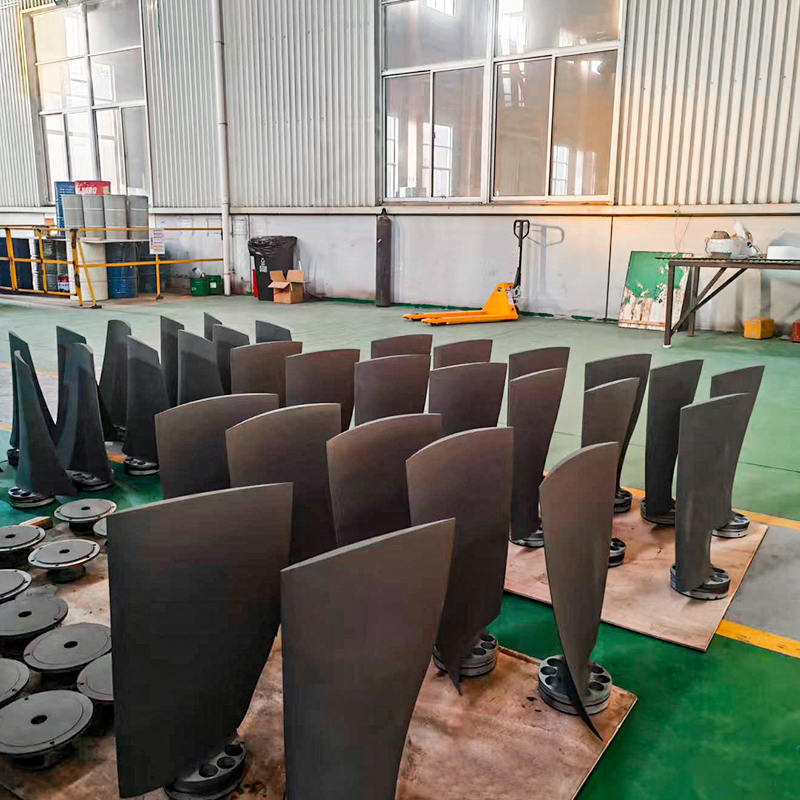 Thermal Power Turbine BladeMaterial: stainless steel, cast steel, nickel-based alloy, cobalt-based alloy titanium alloy, etc. Thermal power fan blades, supersonic flame thermal spraying tungsten...View Product →
Specifying and Qualifying an Abradable Coating
A repeatable abradable seal comes from a specification that is agreed before the first part is sprayed:
- Define the operating envelope: maximum continuous metal temperature, thermal cycling, gas composition and particle loading.
- Match the material family to that envelope, then set porosity and hardness targets from the tip material and expected rub speed.
- Agree on test methods up front, including thickness and hardness measurement, metallographic porosity assessment and bond strength testing to a recognised standard.
- Qualify the spray parameters and freeze them — powder specification, torch hardware, robot path and cooling included.
- Inspect after machining: wall thickness, surface finish, crack and spall check, plus a documented record of the batch parameters.
- Track field performance and feed the results back into the next specification revision.
Abradable materials reward the same discipline that makes any thermal spray programme reliable: the right chemistry, a controlled process, and verification that the deposit inside the casing matches the deposit qualified on the coupon. They simply invert the usual goal, trading hardness for controlled softness in service of a machine that runs tighter and longer.
At Xike Surface Coating Technology, part of Jiangsu Yibai Precision Machinery and a thermal spray coating manufacturer with more than ten years of experience, we build coatings for components that face abrasion, corrosion, high temperature and sticking across pump and valve, petrochemical, steel, die-casting, wire-drawing and power generation applications. Our Yancheng facility covers 20,000 square metres with more than ten production lines and a team of over 200 engineers and technicians. If you are weighing an abradable seal against a wear-resistant coating for a specific component, send us the drawing, base material and duty cycle, and we will recommend a process route.


 TOP
TOP