
 ENG
ENG
 English
 عربى
عربى Español
 中文简体
中文简体
Cermet coatings are among the most reliable surface engineering solutions available to industrial manufacturers today. By combining ceramic and metallic materials into a single composite coating, they deliver a balance of hardness, toughness, and heat resistance that few other coatings can match. For engineers and maintenance teams responsible for pumps, valves, rolls, plungers, and other demanding components, understanding how cermet coatings work—and where to apply them—can make a measurable difference in equipment life and operating cost.
Content
What Makes a Cermet Coating Different?
A cermet is a composite material in which ceramic particles are embedded in a metallic binder. The ceramic component provides hardness, wear resistance, and thermal stability, while the metal matrix adds toughness, ductility, and strong adhesion to the substrate. This combination solves a problem that single-material coatings often face: ceramics are hard but brittle, and metals are tough but relatively soft.
When applied by thermal spray, cermet coatings form dense, well-bonded layers that protect the underlying component from abrasion, erosion, corrosion, and high-temperature oxidation. The result is a surface that survives conditions which would quickly damage uncoated steel, cast iron, or even hardened alloys.
Common Cermet Coating Systems
Several cermet systems have become industry standards over decades of thermal spray practice. Each system is designed around specific operating conditions, and the selection depends on factors such as service temperature, corrosive media, and the dominant wear mechanism.
| Coating System | Ceramic Phase | Metal Binder | Key Properties | Typical Applications |
|---|---|---|---|---|
| WC-Co | Tungsten carbide | Cobalt | Extreme wear resistance, high hardness | Plungers, shaft sleeves, pump components |
| Cr3C2-NiCr | Chromium carbide | Nickel-chromium | Wear resistance up to 850°C | Sink rolls, stabilizer rolls, high-temperature parts |
| Al2O3-Ni | Aluminum oxide | Nickel | Corrosion resistance, electrical insulation | Seals, valve parts, chemical equipment |
| ZrO2-Ni | Zirconium oxide | Nickel | Thermal barrier, oxidation resistance | High-temperature components, thermal barriers |
| TiC-Ni | Titanium carbide | Nickel | Abrasion resistance, moderate hardness | Wear parts, forming tools |
Of these, tungsten carbide-cobalt and chromium carbide-nickel chromium systems are the most widely specified in heavy industry. They combine the hardness of carbides with the toughness of a metallic matrix, making them ideal for components subjected to continuous abrasion and thermal cycling.
How Thermal Spray Applies Cermet Coatings
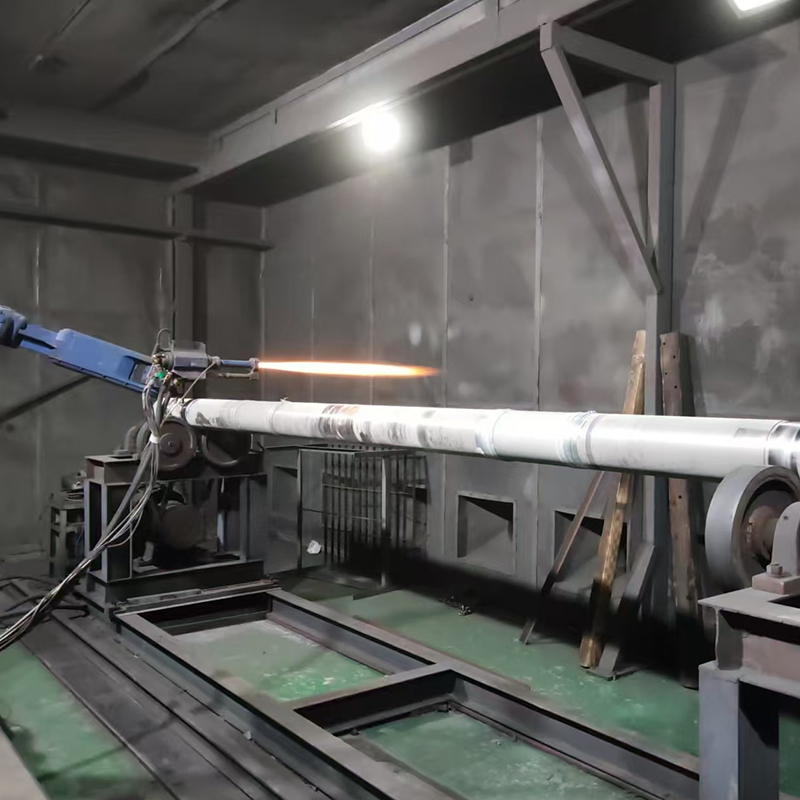
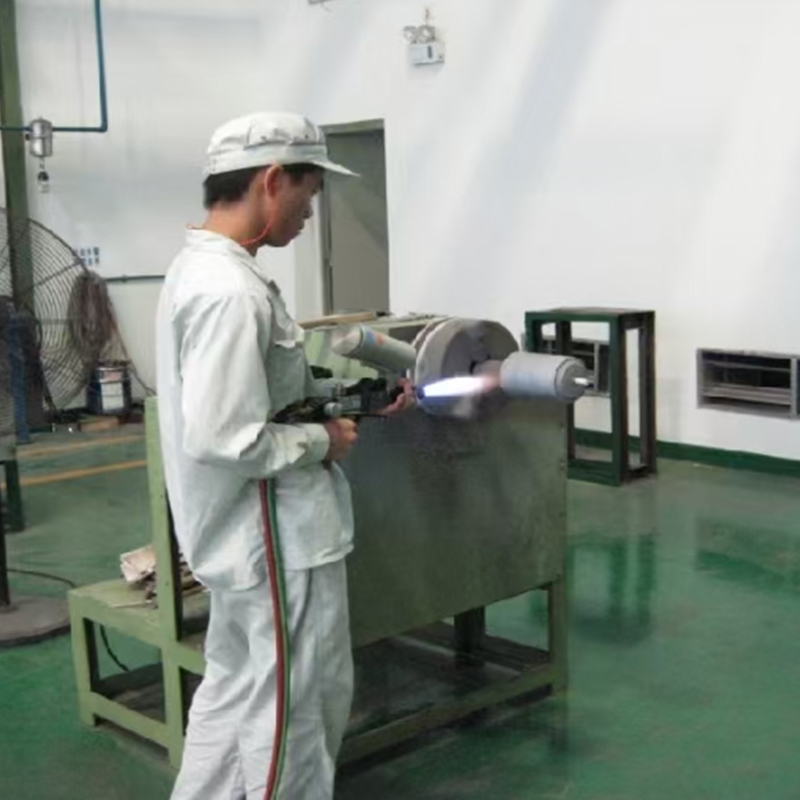
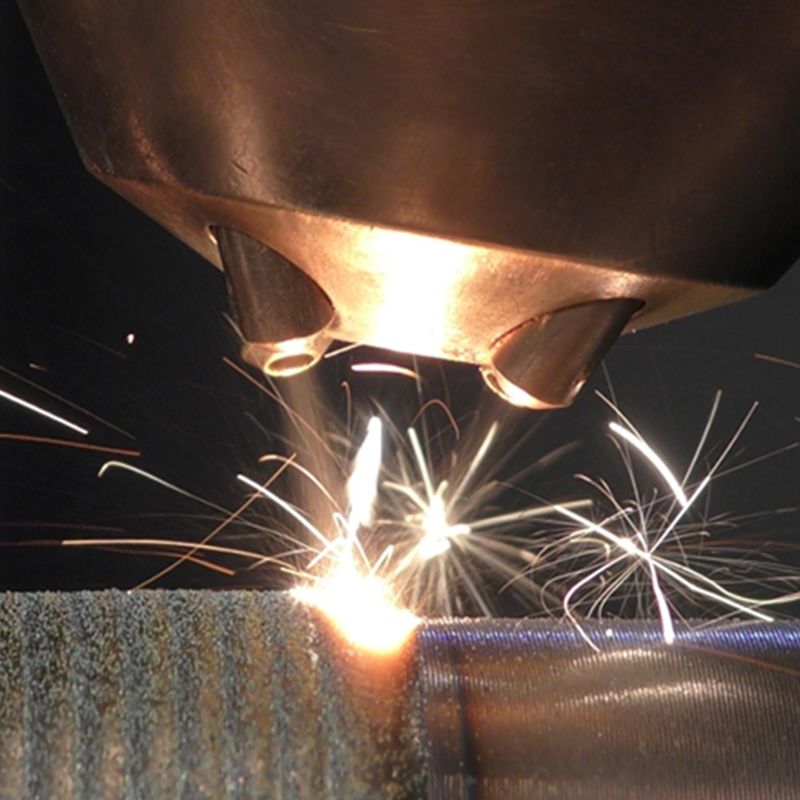
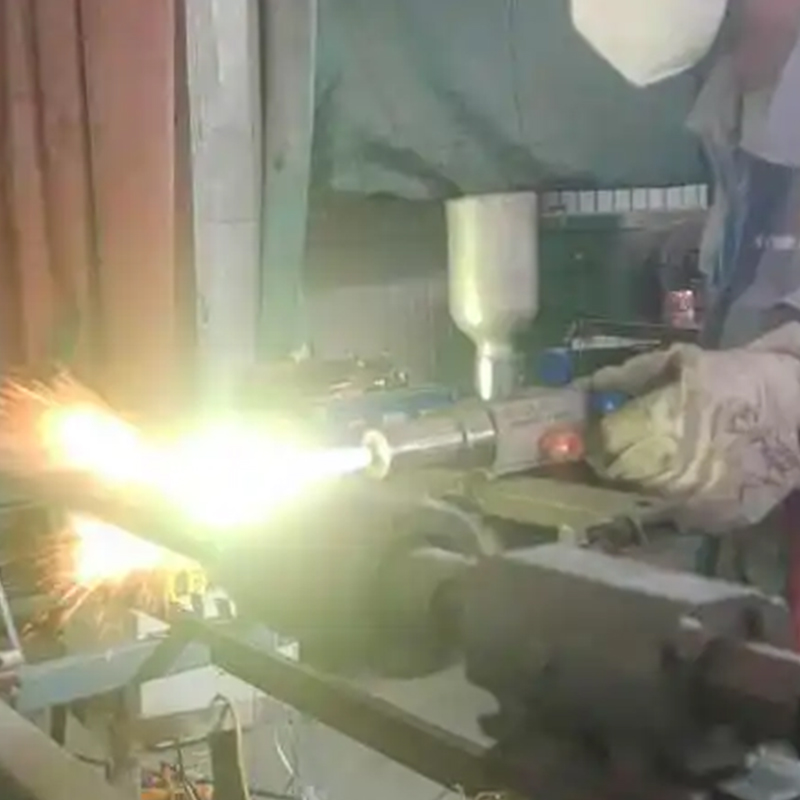
The most common way to produce a cermet coating is thermal spraying. In this process, a powder containing both ceramic and metal particles is heated and accelerated toward the prepared surface of the workpiece. The particles flatten on impact and build up into a dense, uniform layer.
High-velocity oxygen fuel spraying, commonly known as HVOF, is especially popular for carbide-based cermet coatings such as WC-Co and Cr3C2-NiCr. HVOF produces extremely high particle velocities, which creates a dense coating with excellent bond strength and very low porosity. This makes the coating particularly effective for components exposed to sliding wear, erosion, and impact. You can read more in our guide to HVOF, ceramic, and tungsten carbide coatings.
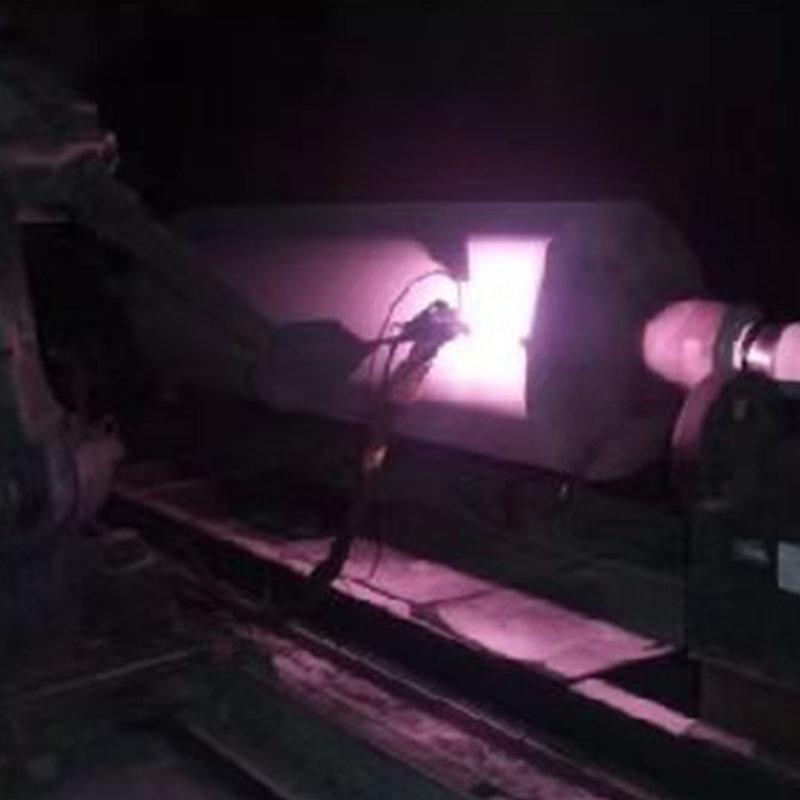
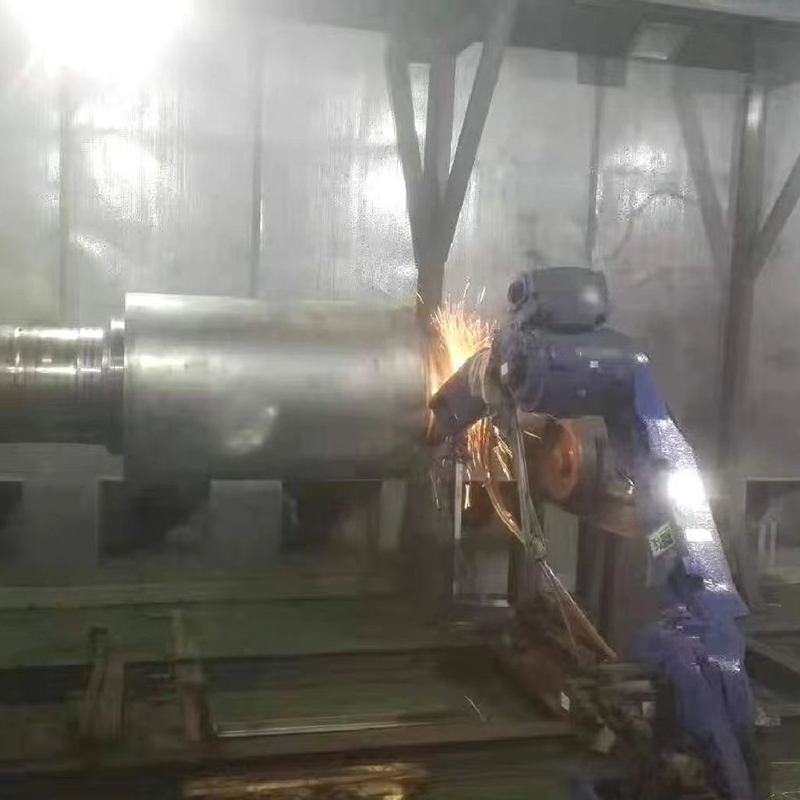
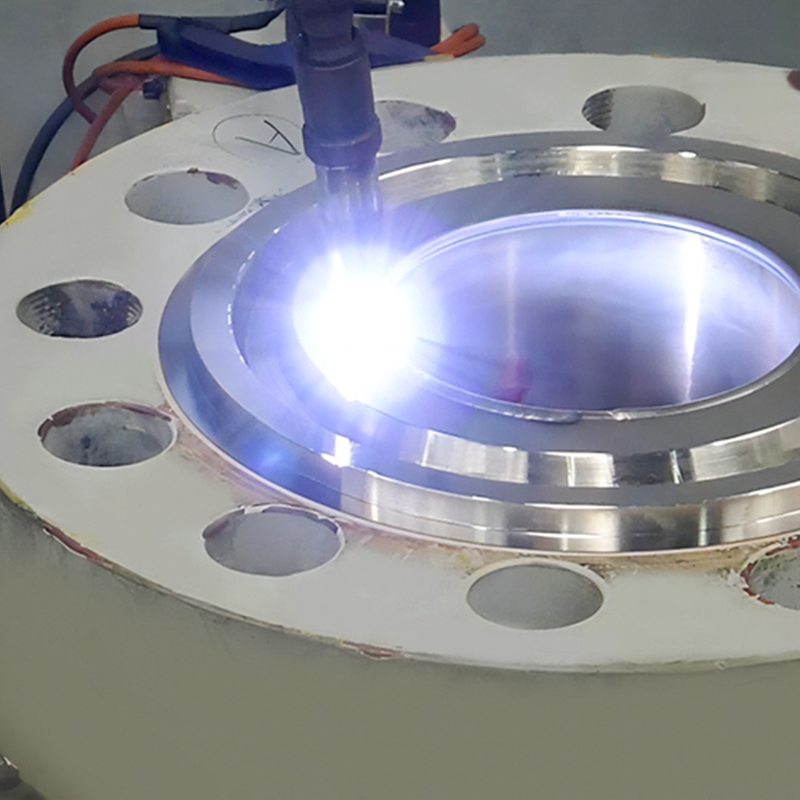
Plasma spraying is another common method, especially for oxide-based cermets that must retain their chemistry at very high temperatures. At our facility, we operate both HVOF and plasma spray systems, as well as arc spray, wire flame spray, and laser cladding equipment, allowing us to match the coating process to the exact demands of the component.
Key Benefits in Industrial Environments
Cermet coatings are chosen for real-world performance, not laboratory results. In production environments, they deliver a set of practical advantages:
- Extended service life: Hard ceramic phases reduce wear rates dramatically compared with uncoated steel, often multiplying component life by several times.
- Corrosion protection: The metallic binder and ceramic phase work together to limit attack from process chemicals, moisture, and aggressive media.
- High-temperature capability: Systems like Cr3C2-NiCr retain hardness and oxidation resistance at service temperatures where conventional hard coatings fail.
- Lower friction and anti-galling behavior: Cermet surfaces resist adhesive wear and seizure, which is critical for mating parts in pumps and valves.
- Repair and restoration: Cermet coatings can rebuild worn dimensions on expensive components, avoiding the cost of full replacement.
Industrial Applications of Cermet Coatings
Because of their balanced properties, cermet coatings appear in nearly every heavy industry. The most common examples include components that must withstand continuous wear, corrosive media, or both.
In the pump and valve sector, cermet-coated parts are standard for handling abrasive slurries, corrosive chemicals, and high-pressure fluids. Pump and valve components such as plungers, shaft sleeves, and valve stems are routinely coated to prevent premature failure and reduce maintenance downtime.
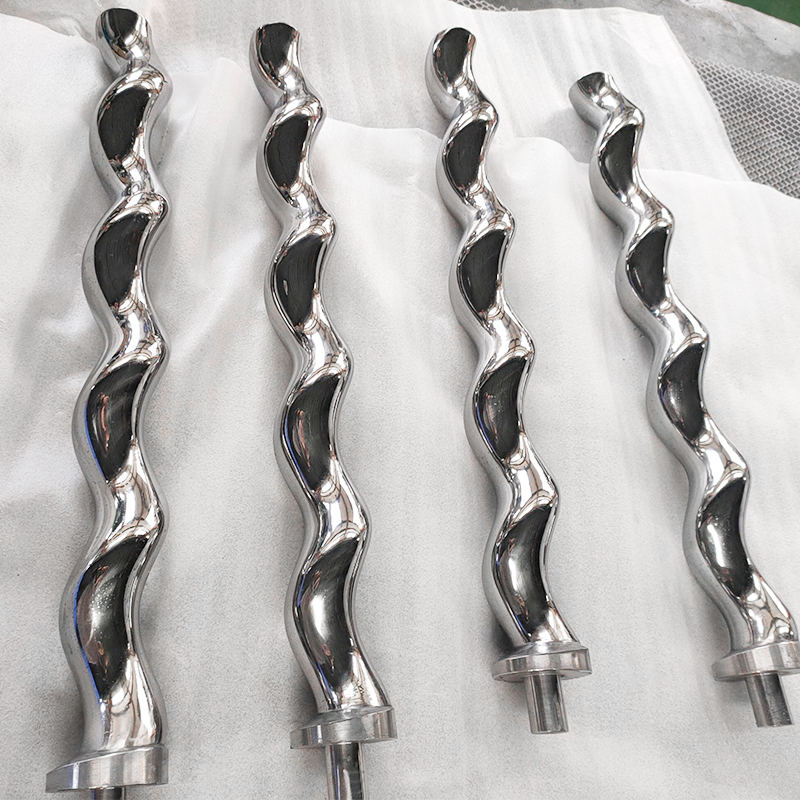
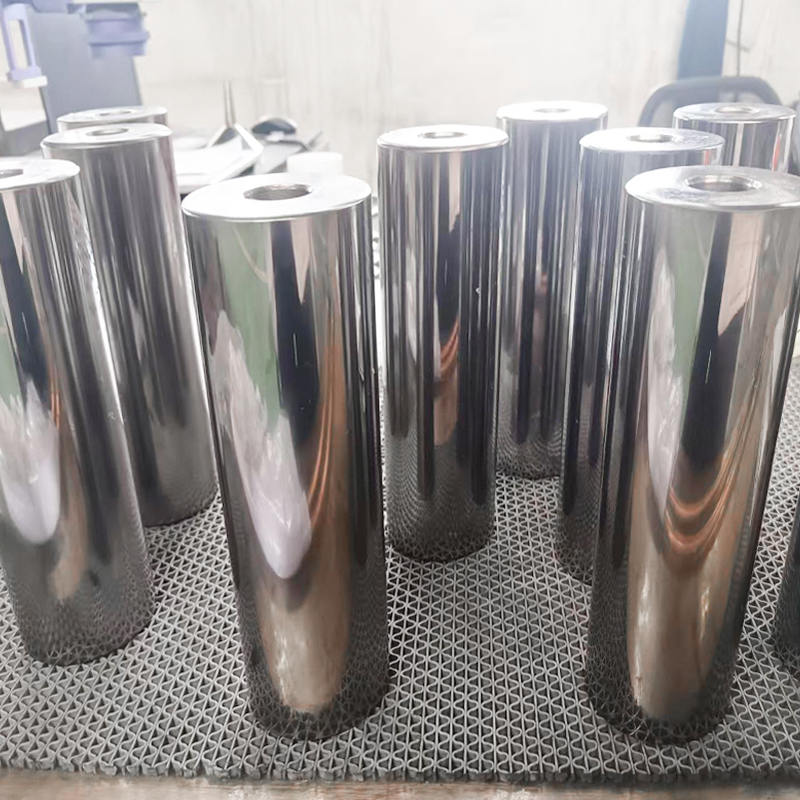 Cermet-Coated Wear-Resistant Plunger for High-Pressure PumpsThis plunger is built from high-strength stainless steel or alloy with a wear-resistant coating, making it suitable for abrasive and corrosive pump applications where reduced maintenance and longer service life are essential.View Product →
A wear-resistant plunger coated with a carbide-based cermet, for example, can operate far longer in high-pressure reciprocating pumps than an uncoated steel component. Pump shafts and sleeves benefit from the same logic. When a pump shaft sleeve is coated with a dense cermet layer, the wear occurs on the coating rather than on the shaft itself, protecting the parent material and simplifying future repairs.
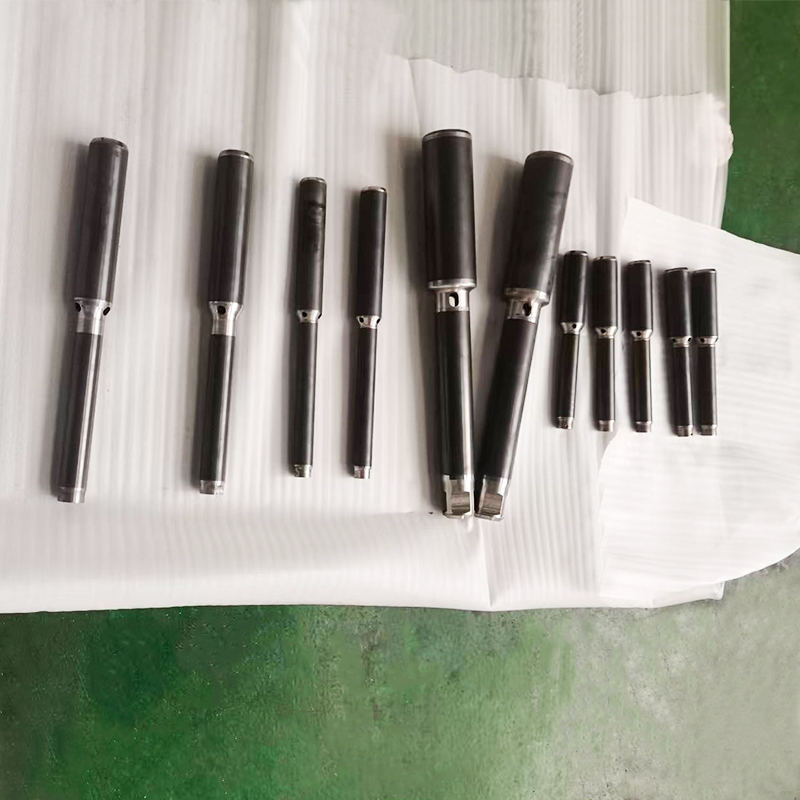
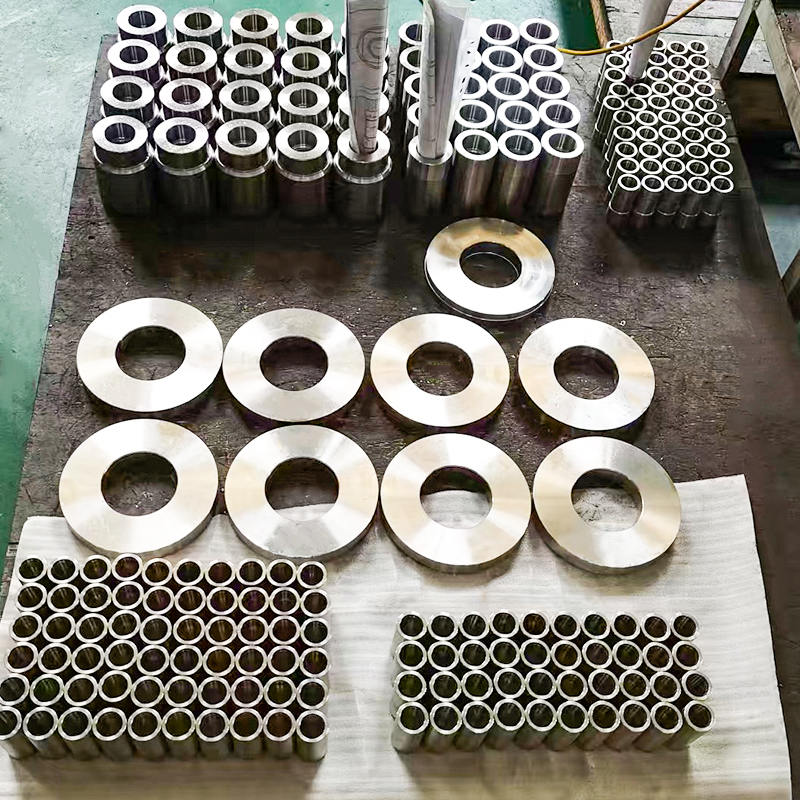 Coated Pump Shaft Sleeve for Shaft Protection and SealingDesigned to shield rotating shafts from wear and corrosion, this sleeve works with seals to prevent leaks and can be replaced independently, lowering maintenance costs in centrifugal and mud pumps.View Product →
Steel plants present another classic application. Sink rolls and stabilizer rolls used in continuous galvanizing lines operate in molten zinc at temperatures above 450°C. Chromium carbide-based cermet coatings protect these rolls from the combined attack of corrosion, erosion, and high temperature.
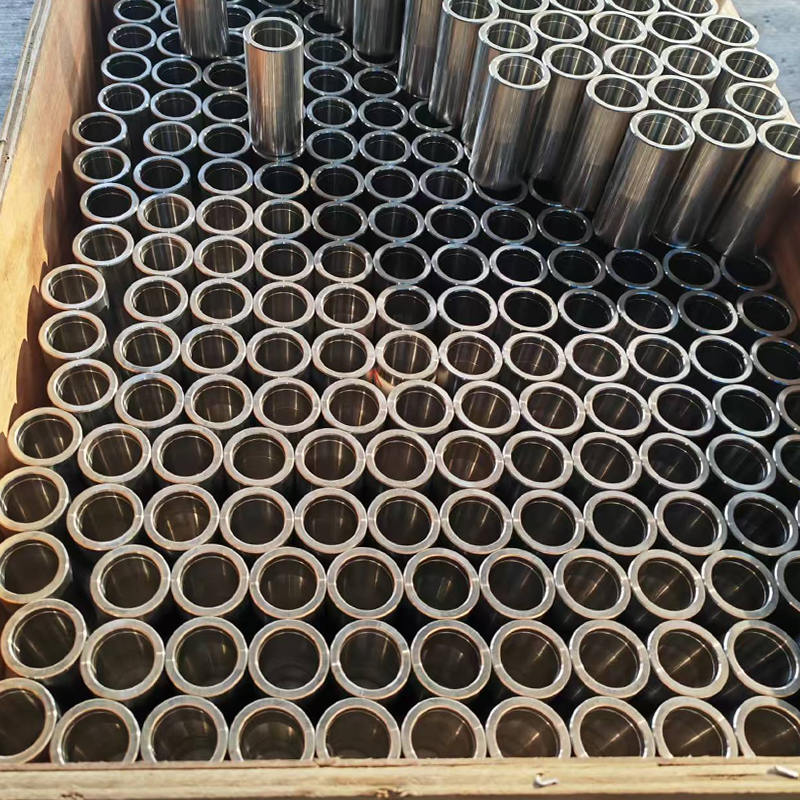
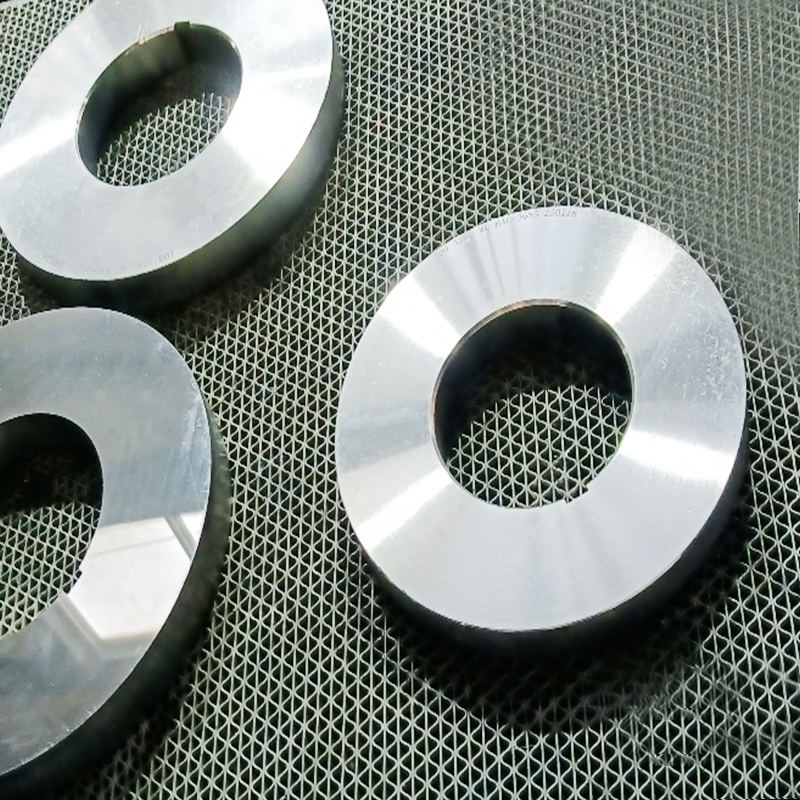
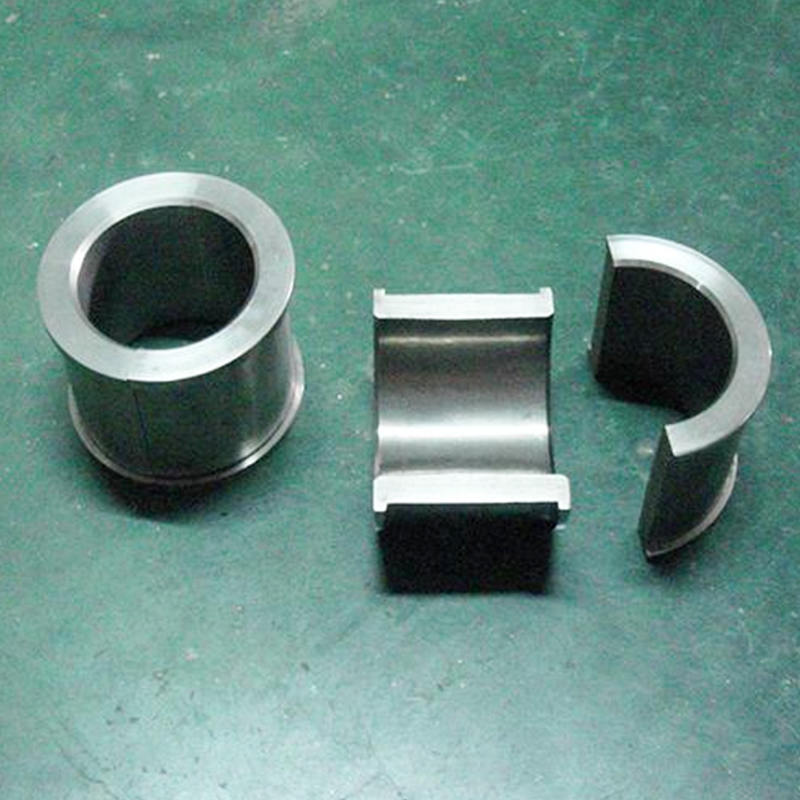 Sink Roll Sleeves and Bushings for Galvanizing LinesThese spare parts for sink and stabilizer rolls use advanced materials and coatings to resist corrosion and high temperatures in continuous galvanizing, improving product quality and reducing operating costs.View Product →
Similar coatings are also used on other rolls and continuous processing equipment where surface quality directly affects the final product.
Choosing the Right Cermet Coating
Selecting a cermet coating is not a one-size-fits-all decision. The right system depends on three important factors:
Service Temperature
If the component operates below approximately 450°C, tungsten carbide-based systems are usually the best choice. Above that temperature, chromium carbide-based systems retain their hardness and resist oxidation, while tungsten carbide degrades rapidly.
Wear Mode
For abrasion and sliding wear, a high-hardness coating such as WC-Co performs well. For erosion at oblique impact angles or fretting conditions, a tougher, more ductile matrix may be preferred.
Corrosive Environment
When the component will be exposed to acidic or alkaline media, the chemistry of both the ceramic phase and the metal binder must be evaluated. Nickel-chromium binders offer better corrosion resistance than straight cobalt binders in many media, and oxide-based systems are sometimes specified for highly aggressive environments.
An experienced thermal spray provider can help narrow these choices based on evidence from similar applications. The goal is not simply to apply a coating, but to select a coating system and process parameters that match the real conditions of the component in service.
As a thermal spray manufacturer with more than a decade of experience, we have applied cermet coatings across the pump, valve, petrochemical, steel, and general machinery industries. Our 20,000-square-meter production base and more than ten production lines allow us to handle everything from prototype development to large batch processing. If you are evaluating cermet coatings for a new design or looking for ways to extend the life of components already in service, our engineers can help you choose the right system and verify its performance under your specific conditions.

 TOP
TOP