
 ENG
ENG
 English
 عربى
عربى Español
 中文简体
中文简体
Content
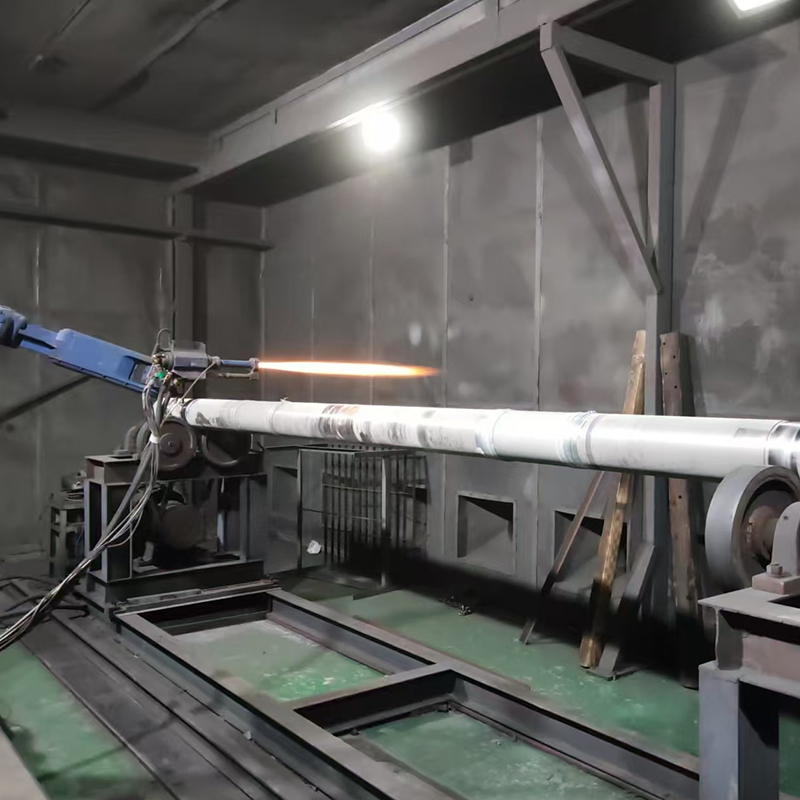
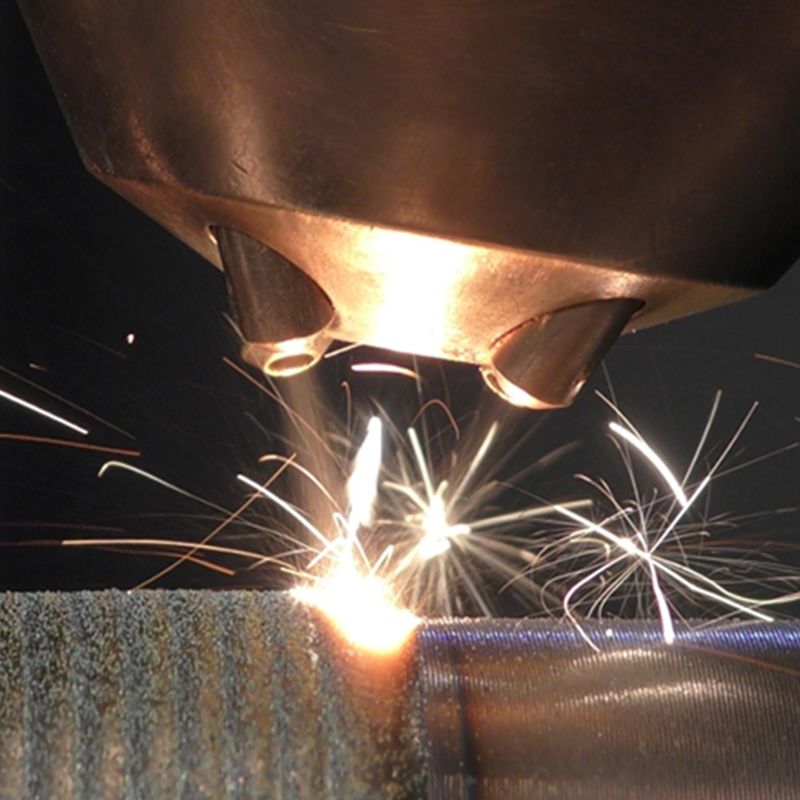
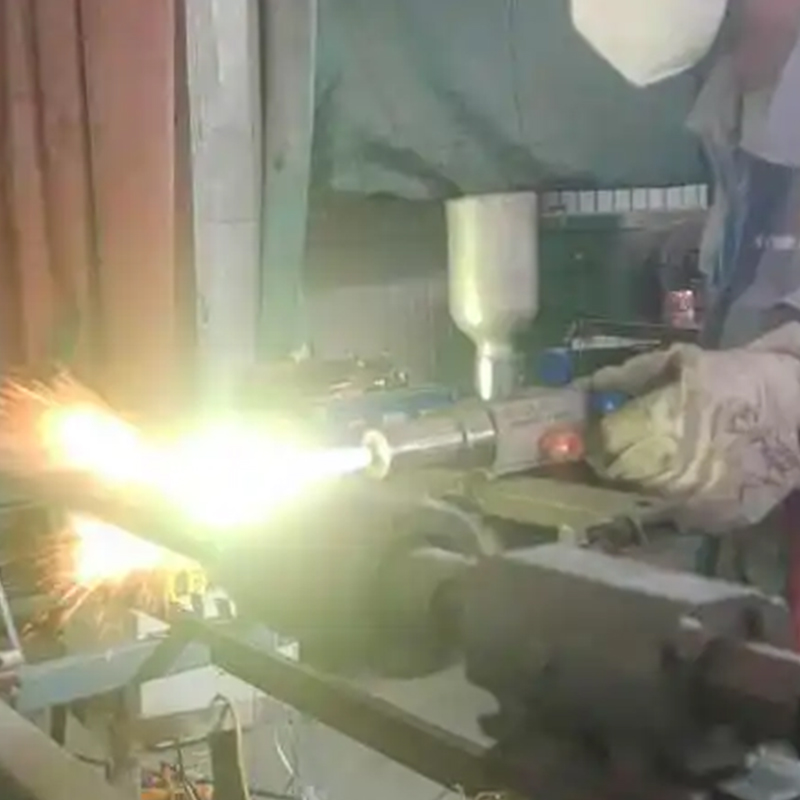
Overview of Supersonic Flame Spraying
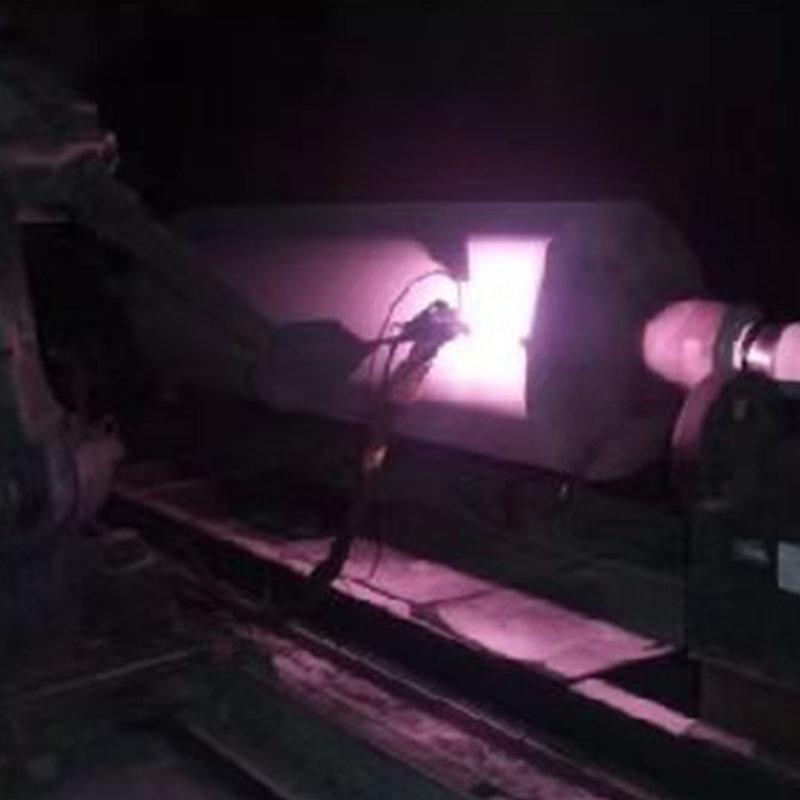
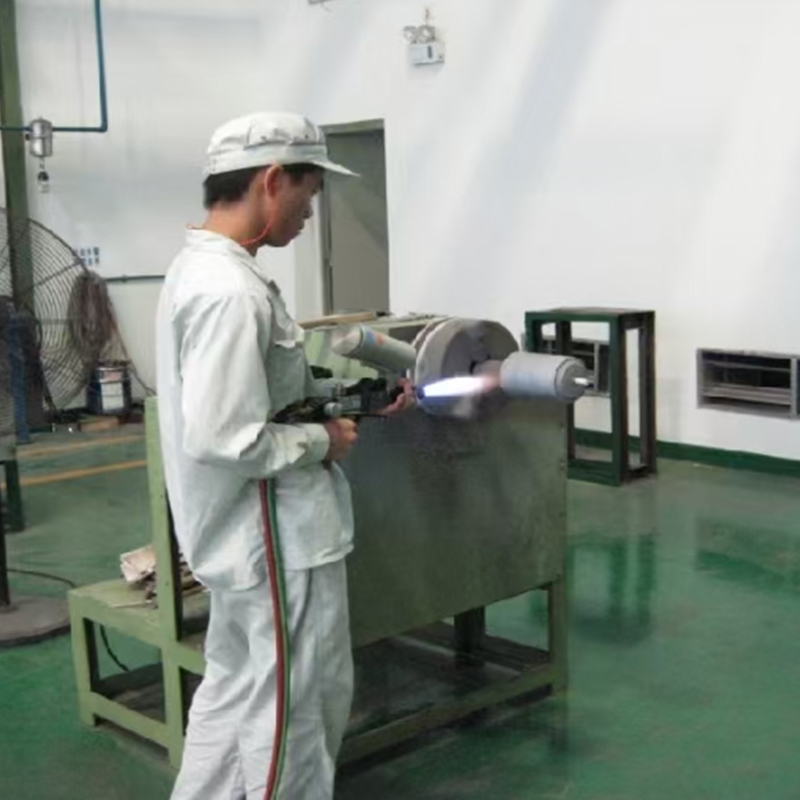
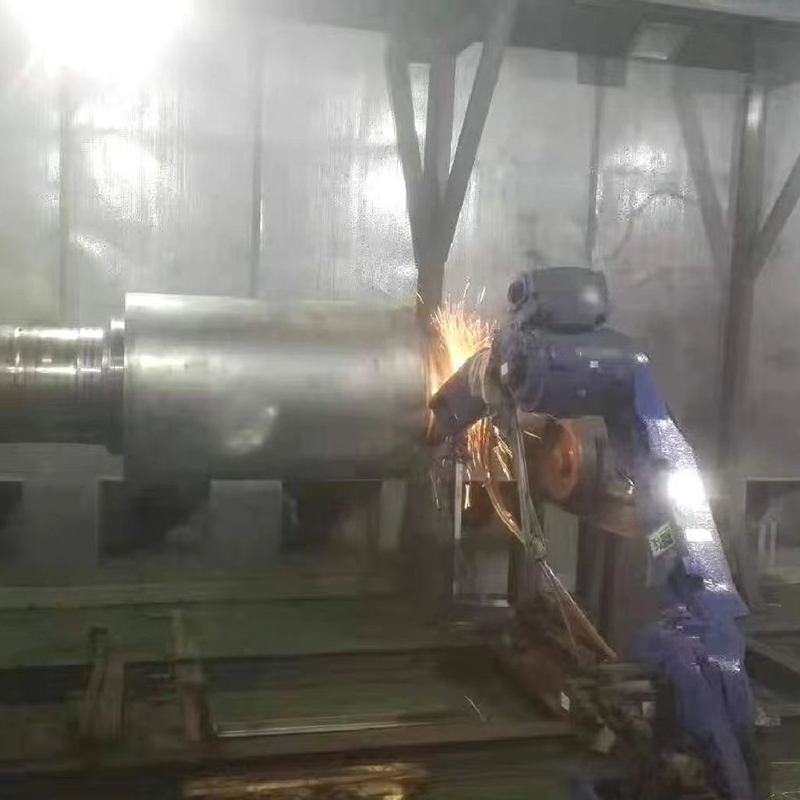
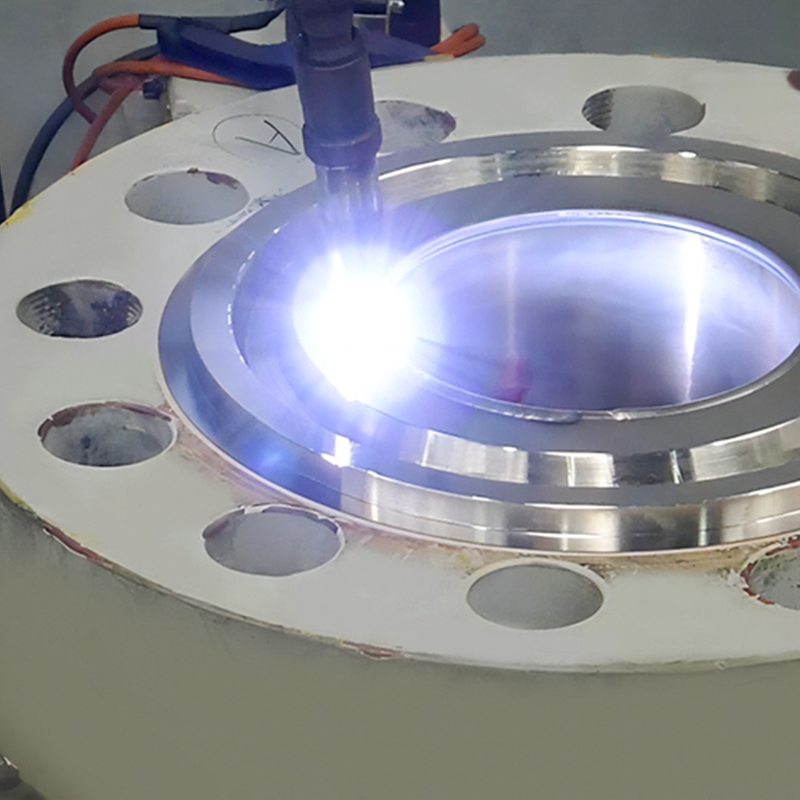
Supersonic flame spraying is an advanced thermal spraying technique where coating materials are accelerated to supersonic speeds before impacting a substrate. This results in a dense, well-adhered coating that enhances surface properties such as wear resistance, corrosion resistance, and thermal protection. The process is widely adopted in industrial manufacturing for its precision and efficiency in coating critical components.
Aerospace Component Coatings
In aerospace manufacturing, supersonic flame spraying is used to protect engine components and structural parts from extreme temperatures and erosion. Typical applications include:
- Coating turbine blades to improve resistance to high-temperature oxidation
- Applying thermal barrier coatings to combustion chamber components
- Protecting landing gear and other structural parts from wear and corrosion
Automotive Industry Applications
In automotive manufacturing, supersonic flame spraying enhances the durability and performance of engine and drivetrain components. Key applications include:
- Coating cylinder liners to reduce friction and wear
- Protecting gears and camshafts with hard metal coatings
- Applying corrosion-resistant layers to exhaust and turbocharger components
Energy and Power Generation Components
Supersonic flame spraying is increasingly used in power generation to extend the life of components exposed to high stress and thermal cycling. Applications include:
- Coating boiler tubes to prevent erosion and corrosion
- Protecting steam turbines and hydraulic components from wear
- Enhancing the lifespan of pumps and valves in energy plants
Industrial Tool and Machinery Coatings
Supersonic flame spraying is widely applied to tools and industrial machinery to improve durability and reduce maintenance requirements. Applications include:
- Applying wear-resistant coatings on cutting and forming tools
- Coating rollers and dies used in metal forming and paper production
- Protecting molds and extrusion equipment from abrasion and corrosion
Marine and Offshore Applications
The marine and offshore industries use supersonic flame spraying to extend component lifespans in harsh environments. Typical applications include:
- Coating propellers, shafts, and pumps to resist saltwater corrosion
- Protecting hull fittings and offshore platform components from wear
- Applying anti-corrosive layers on valves and pipelines
Materials Commonly Used in Supersonic Flame Spraying
Different materials are used depending on the intended application. Common coating materials include:
| Material | Industrial Application |
| Tungsten carbide | High-wear components like cutting tools and dies |
| Nickel alloys | Corrosion and heat-resistant coatings for turbines and engines |
| Aluminum oxide | Electrical insulation and wear resistance in industrial machinery |
| Ceramic composites | Thermal barrier coatings for aerospace and automotive parts |
Conclusion
Supersonic flame spraying is a versatile technique that enhances surface performance across a wide range of industrial applications. From aerospace and automotive manufacturing to energy, marine, and heavy machinery, this method delivers durable, wear-resistant, and corrosion-protective coatings. Its precision and adaptability make it a preferred choice for industries aiming to extend component lifespan and improve operational efficiency.



 TOP
TOP