
 ENG
 English
 عربى
 Español
 中文简体

HVOF metal spray is one of those processes that looks simple from a distance: powder goes in, a flame comes out, and a hard surface appears on the part. In practice, it is a tightly controlled thermal spray method that can make a real difference to wear life, corrosion resistance, and repair economics. If you work with pumps, valves, shafts, rolls, or dies, it is worth understanding where HVOF fits, what it can and cannot do, and how to specify it well.
Content
- 1 What HVOF Metal Spray Actually Is
- 2 How the HVOF Process Runs, Step by Step
- 3 Why HVOF Coatings Perform So Well
- 4 HVOF Compared With Other Thermal Spray Methods
- 5 Where HVOF Metal Spray Is Used
- 6 Limitations Worth Knowing Before You Specify HVOF
- 7 How to Choose the Right HVOF Coating
- 8 Working With a Thermal Spray Partner
- 9 Key Takeaways
What HVOF Metal Spray Actually Is
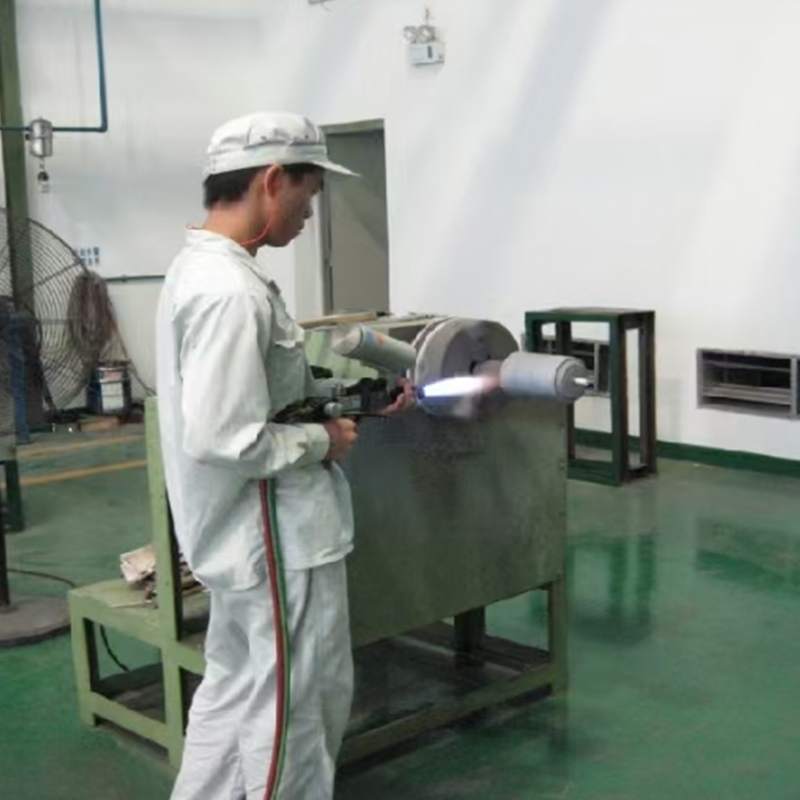
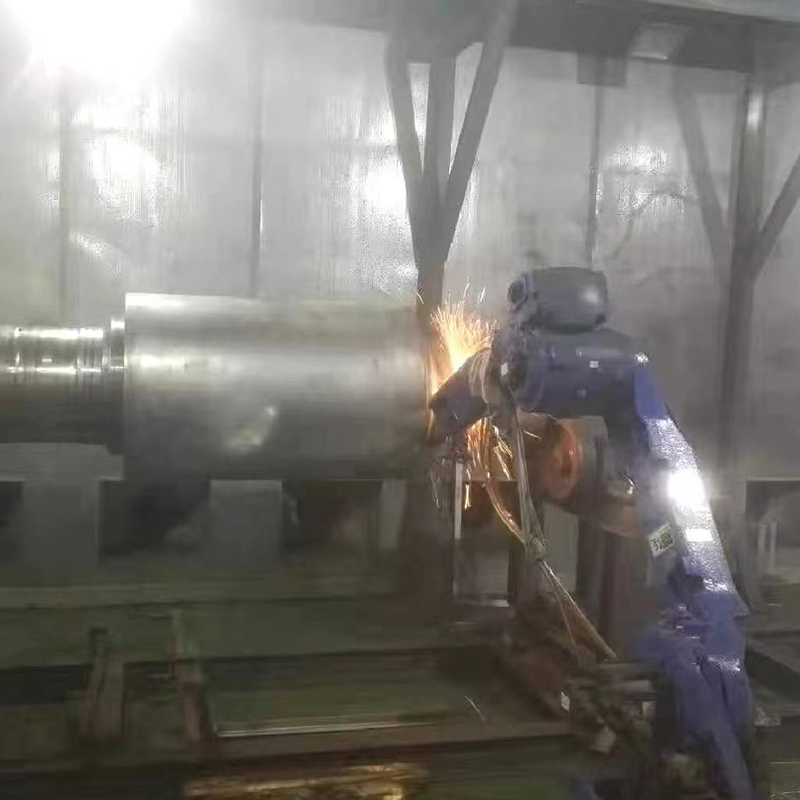
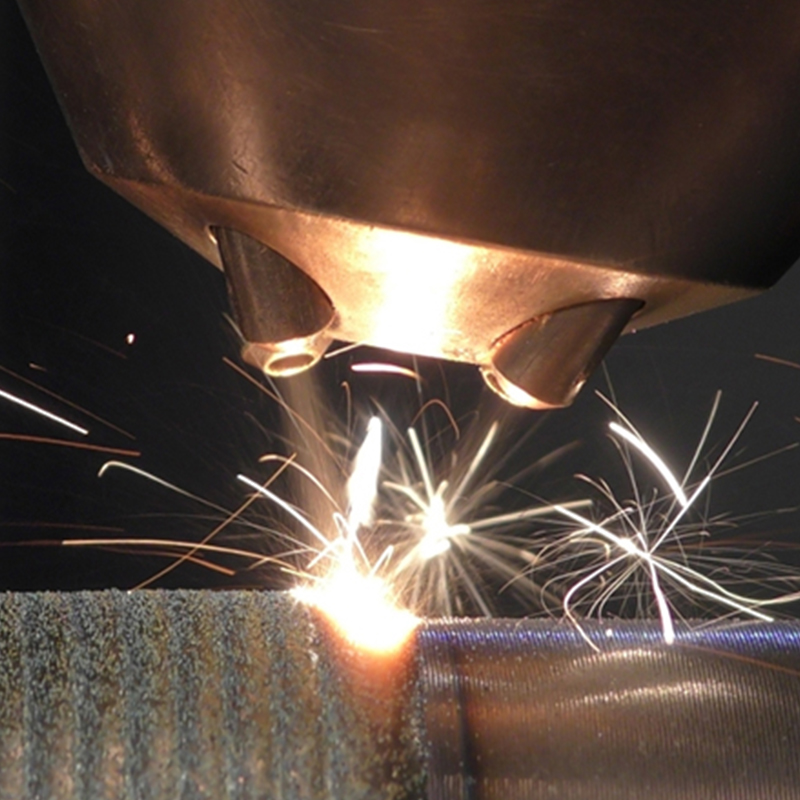
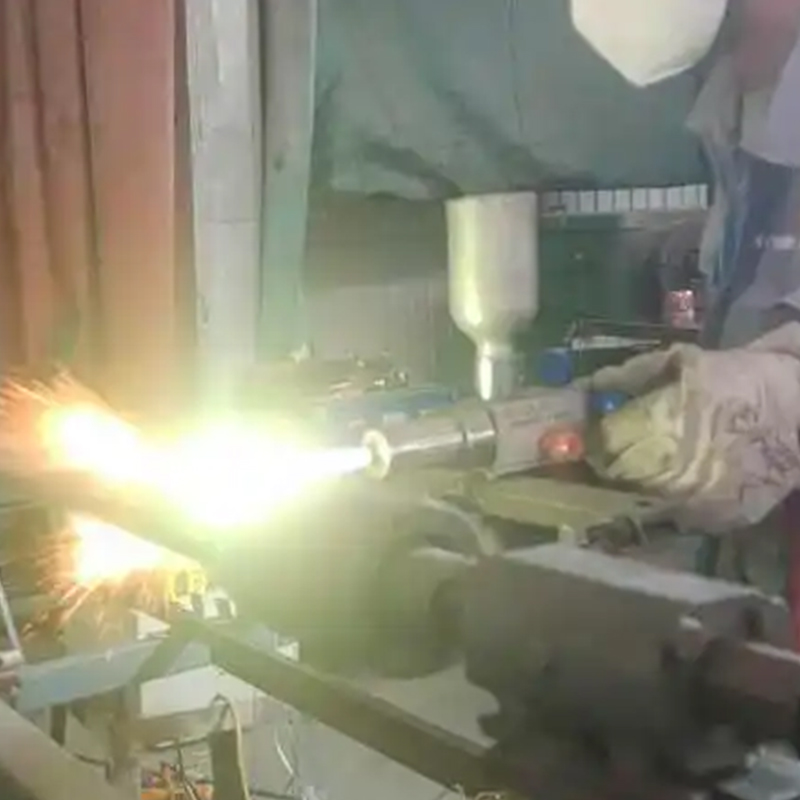
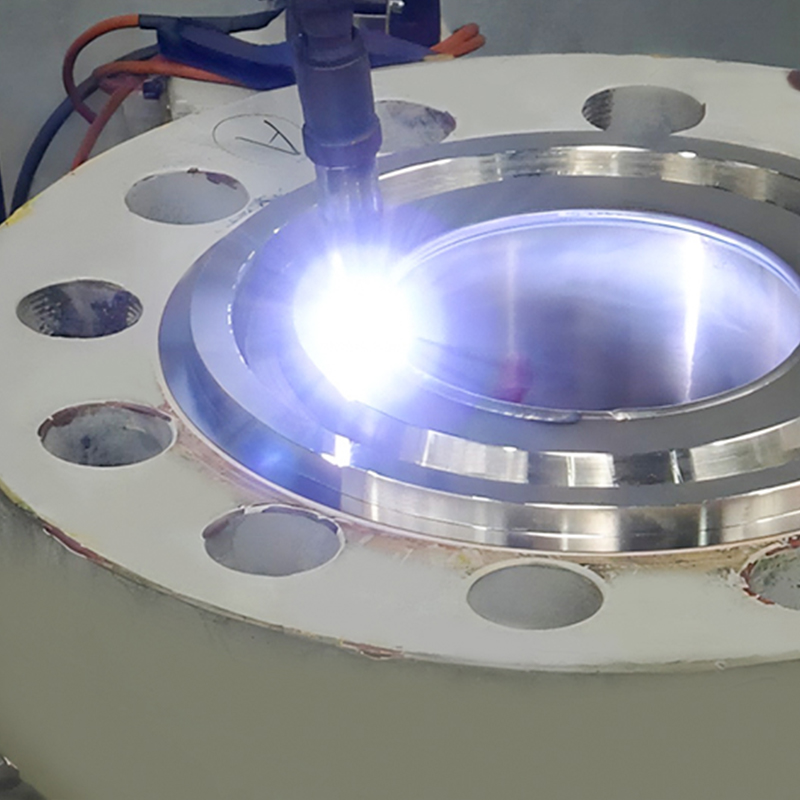
HVOF stands for high-velocity oxygen fuel. A fuel gas or liquid fuel is mixed with oxygen, ignited in a combustion chamber, and expanded through a nozzle. That produces a supersonic gas stream. Coating powder is injected into the stream, heated, and accelerated toward the workpiece. The particles arrive at high speed, flatten on impact, and build a dense, mechanically bonded layer.
The result is not a paint-like film. It is a functional coating, usually a carbide, alloy, or cermet, used where the base metal needs better wear or corrosion performance. Because the particles spend little time in the heat and the substrate stays relatively cool, HVOF is often chosen for parts that cannot tolerate excessive distortion.
How the HVOF Process Runs, Step by Step
Good results come from preparation and control, not from the torch alone. In a typical job, the sequence looks like this:
- Clean and mask the part. Oil, rust, and contamination must go; threads, bores, and sealing faces need protection.
- Grit-blast the surface. A consistent anchor profile helps the coating bond.
- Select the powder. Tungsten carbide, chromium carbide, or an alloy is matched to wear mode, corrosion exposure, and finishing needs.
- Set the fuel-oxygen mix and spray distance. These variables control particle temperature, speed, and deposit efficiency.
- Apply the coating in passes. The operator watches for overheating, uneven build-up, and overspray.
- Cool, inspect, and finish. Grinding, lapping, or polishing brings the part back to tolerance.
Each step affects the next. A perfect spray gun cannot rescue a poorly prepared surface, and an excellent powder will not compensate for the wrong spray angle.
Why HVOF Coatings Perform So Well
HVOF coatings earn their place in harsh service because they combine density, bond strength, and relatively low oxide content. The high impact velocity compacts the splats, so porosity is usually lower than with many flame or arc processes. That matters in erosive slurry, high-pressure water, and rotating equipment where fine particles attack the surface.
Carbide-bearing HVOF coatings are also valued for wear resistance: tungsten carbide in a cobalt or nickel-based matrix gives a hard phase supported by a tougher binder. Chromium carbide systems are useful where wear is combined with oxidation or elevated temperature. The process is not a universal fix. It is a line-of-sight method, so internal bores and hidden faces need careful planning. Thick coatings can be slow to apply, and finishing adds cost. For a small, simple part with mild wear, a lower-cost process may be the sensible choice.
HVOF Compared With Other Thermal Spray Methods
Selection is easier when you compare methods by service need rather than by headline numbers. The table below is a practical starting point, not a substitute for testing.
| Method | Coating character | Good fit | Points to watch |
|---|---|---|---|
| HVOF | Dense carbide or alloy coatings; low porosity; strong bond | Wear, erosion, corrosion, dimensional repair | Line-of-sight; masking and finishing; powder quality |
| Plasma | Wide material range, including ceramics | High-temperature or ceramic coatings; complex materials | Higher heat input; porosity varies with parameters |
| Flame powder | Flexible and economical | Repair, moderate wear, low-volume work | Lower density and bond than HVOF |
| Arc spray | High deposition rate; thick coatings | Large structures, corrosion protection | Rougher surface; higher oxide and porosity |
HVOF often costs more per part than flame or arc spraying. The payback comes from longer service life, fewer changeouts, and less unplanned downtime. That is why it is common in pump and valve work, where a failed plunger or sleeve can stop a whole process line. For a broader view of how these components are protected, our pump and valve industry coating solutions page is a useful next step.
Where HVOF Metal Spray Is Used
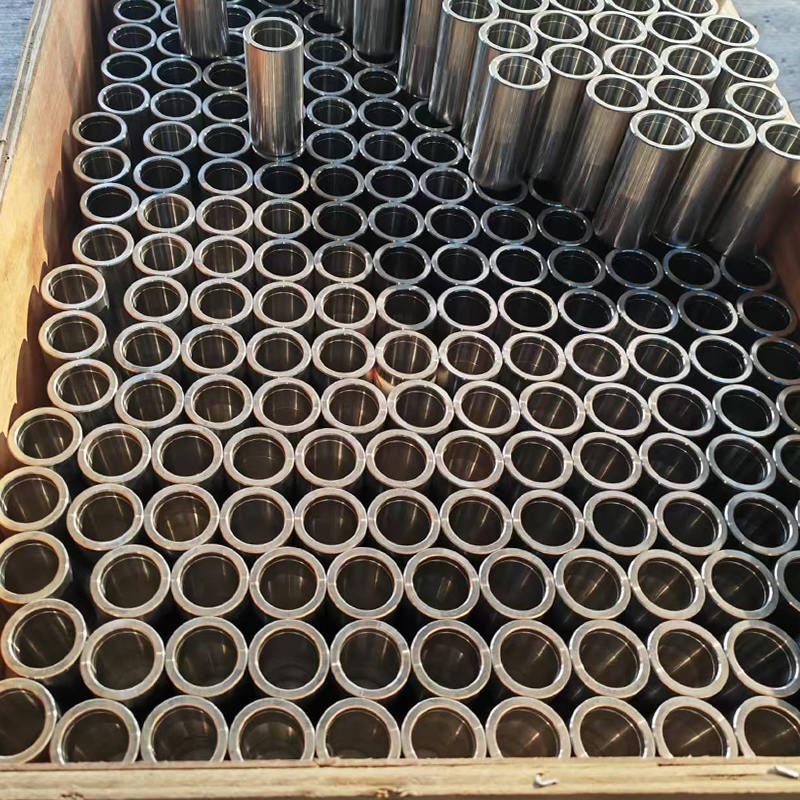
HVOF is a good fit wherever a hard, dense surface must stand up to sliding wear, erosion, cavitation, or corrosive media. Typical parts include pump plungers, shaft sleeves, valve stems, seats, gates, impellers, fan shafts, rolls, wire drawing wheels, and die components. In oil and gas, petrochemical, power, steel, paper, and wire drawing plants, the same basic question appears: can we keep the part in service longer without changing the base material? A coating often answers yes, provided the substrate and geometry suit the process.
Pump components are a particularly common example. A tungsten carbide coating on a pump pole or similar shaft part can resist fine abrasive particles that would otherwise wipe out a softer surface. The coating must be applied evenly, finished to tolerance, and checked for bond and porosity.
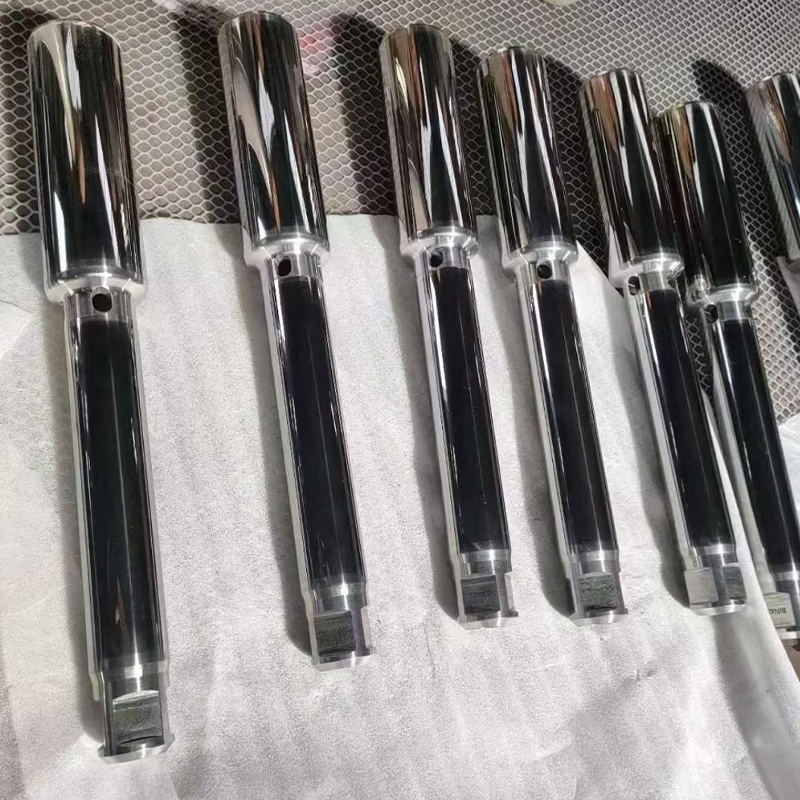 Tungsten Carbide Pump Pole for Abrasive Pump ServiceTungsten carbide pump pole offering high hardness, wear resistance, and chemical stability for pump components exposed to fine abrasives and corrosive fluids.View Product →
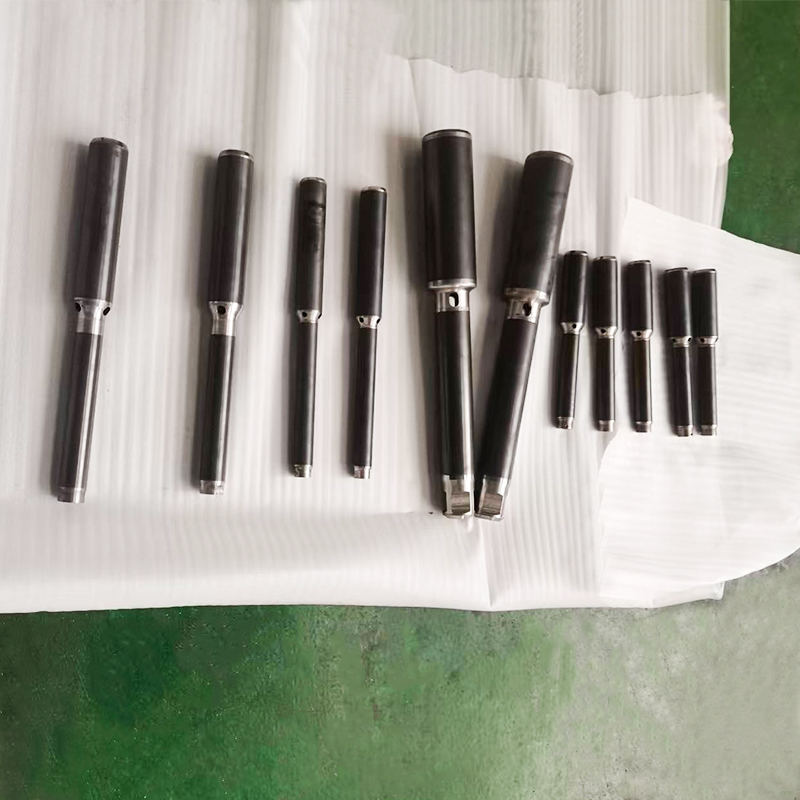
For plungers and reciprocating parts, the wear pattern is different: sliding contact, pressure cycling, and sometimes corrosive fluid. A dense HVOF carbide layer can reduce scoring and extend the interval between rebuilds.
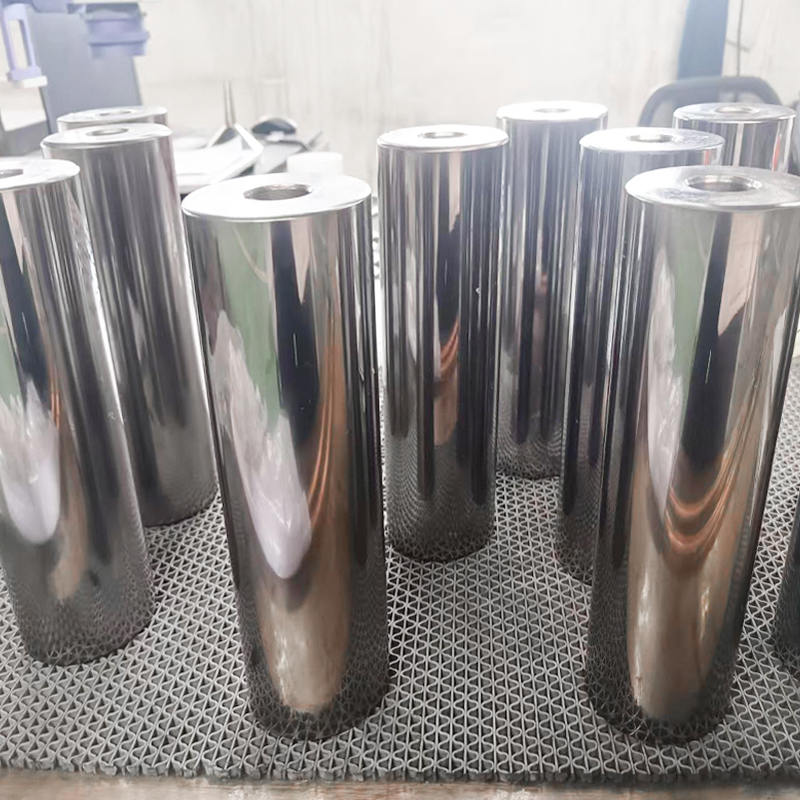 Wear-Resistant Plunger for Pumps and High-Pressure SystemsWear-resistant plunger for pumps and high-pressure systems, designed to reduce wear and maintenance; available in stainless steel, carbon steel, or specialized alloys with coatings.View Product →
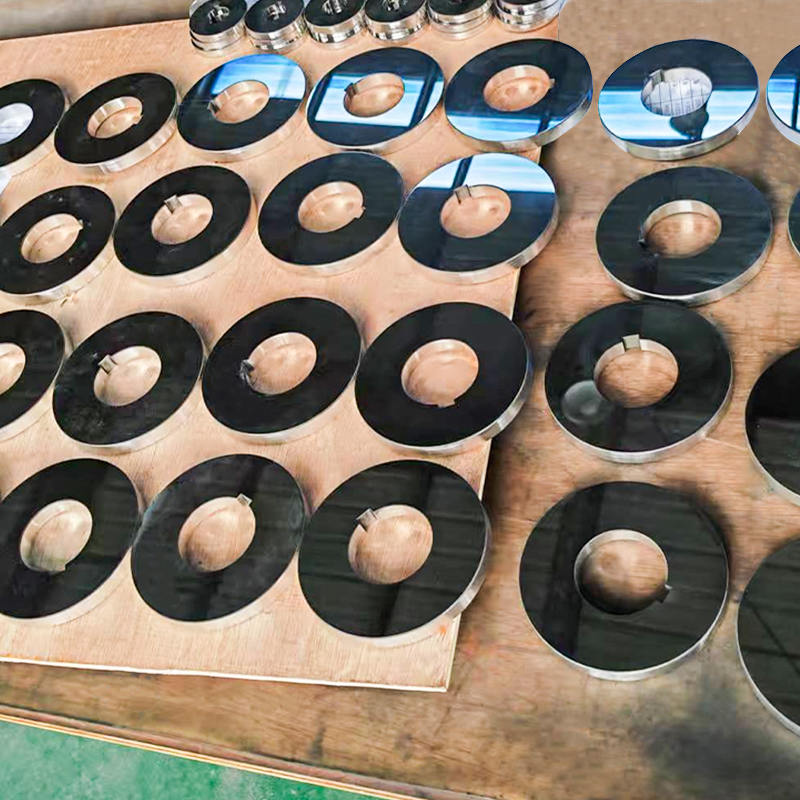
Similar logic applies to valve stems, seats, and butterfly valve plates, where corrosion and erosion often act together. No single coating grade fits every duty; the alloy, carbide type, and finish all need to match the actual service conditions.
Limitations Worth Knowing Before You Specify HVOF
HVOF is a strong process, but it is not magic. The coating is applied by line of sight, so deep bores, internal corners, and shadowed areas may need special nozzles or a different method. Parts must be masked, and some geometries distort if heat input is not controlled.
Coating thickness is usually limited to what can be finished without excessive stress, and very thick builds may be impractical. Surface finish after spraying is not usually the final finish; grinding or polishing is often required. Powder quality matters too. Cheap or inconsistent powder can lead to porosity, unbonded areas, or unpredictable wear. Finally, HVOF is a coating process, not a repair shortcut for cracked or badly damaged base metal. The substrate must be sound before spraying begins.
How to Choose the Right HVOF Coating
Start with the failure mode. Is the part wearing by abrasion, erosion, adhesion, cavitation, or corrosion? Is temperature involved? Is impact severe? The answers point to a coating family and a process. For example, tungsten carbide-cobalt is often selected for abrasive wear with some impact, while chromium carbide-nickel chromium is a better fit for wear plus oxidation at elevated temperature. Nickel-based alloys and Stellite-type materials may suit certain valve and hot-work applications.
The base metal matters as well. A coating that develops high residual stress may not be suitable for a thin-walled part. The finish specification should be tied to function: a sealing surface, a sliding surface, and a rough wear plate do not need the same surface profile. It also helps to agree on inspection before production: coating thickness, bond strength where required, porosity, hardness, and final dimensions. A good coating shop will ask for drawings, service conditions, and the consequence of failure. That conversation is more valuable than a generic price per part.
To review the process family in more detail, see our supersonic spraying technology page.
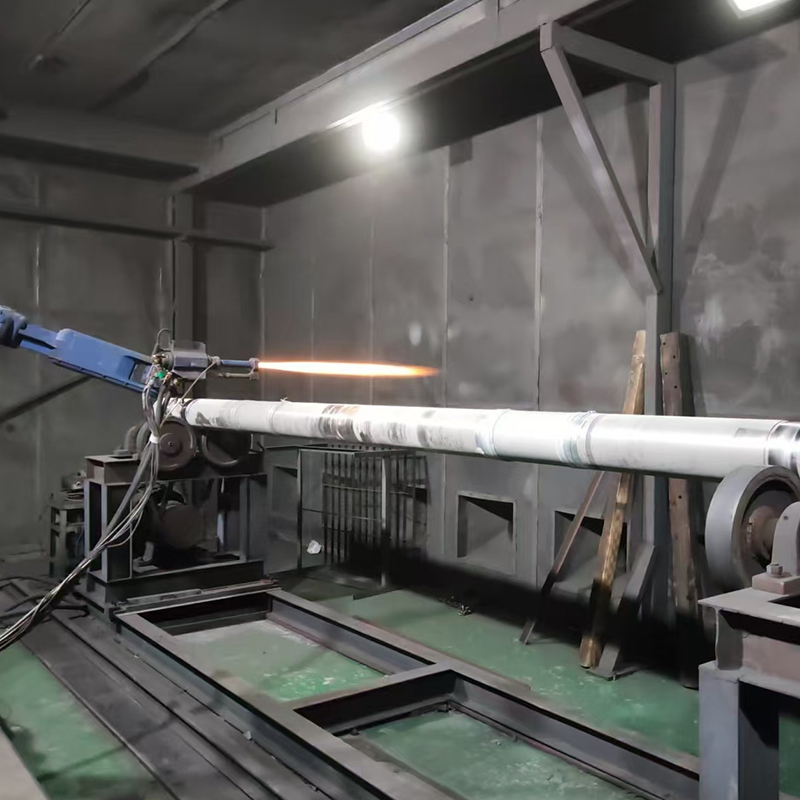 Supersonic Flame Spraying HVOF ServiceHVOF spraying service using a high-speed flame to apply dense carbide coatings, with process details relevant before discussing masking, finishing, and production support.View Product →
Working With a Thermal Spray Partner
Experience shows up in the details: how the part is masked, how the powder is handled, how the spray distance is maintained, and how the finish is checked. Our team has worked in thermal spray for more than a decade, and our production base in Yancheng and facility in Changzhou support HVOF alongside plasma spraying, arc spraying, wire flame spraying, and laser cladding. We are comfortable starting from a drawing and a service problem, then working back to a coating and finishing plan.
If you want a deeper technical walkthrough, our article on HVOF thermal spray in industrial applications covers more of the process background. For a specific part, the best next step is to share the material, dimensions, and failure history so the coating can be matched to the job rather than chosen from a catalogue.
Key Takeaways
HVOF metal spray is a high-velocity thermal spray process that produces dense, well-bonded coatings for wear, erosion, and corrosion service. It is most valuable on parts where downtime is expensive and the surface needs to last. It is less suitable for deep internal surfaces, very thick builds, or low-cost jobs where a simpler method will do. Material choice, surface preparation, masking, and finishing decide the final result as much as the torch does. When specified thoughtfully, HVOF can turn a wearing component into a longer-lasting one without changing the base material.


 TOP