
 ENG
 English
 عربى
 Español
 中文简体

Few coating questions come up as often as this one: “Will HVOF handle this part?” The high-velocity oxygen fuel thermal spray process is a practical answer to many wear, erosion, and corrosion problems, but only when the substrate, powder, and service conditions are matched with care.
We have spent more than a decade applying thermal spray coatings for industrial customers, and HVOF remains one of the processes we rely on most when density and bond strength matter. This guide explains how the process works, where it fits, and what to discuss with a coating partner before you send a part to the shop.
Content
What Is the High-Velocity Oxygen Fuel Thermal Spray Process?
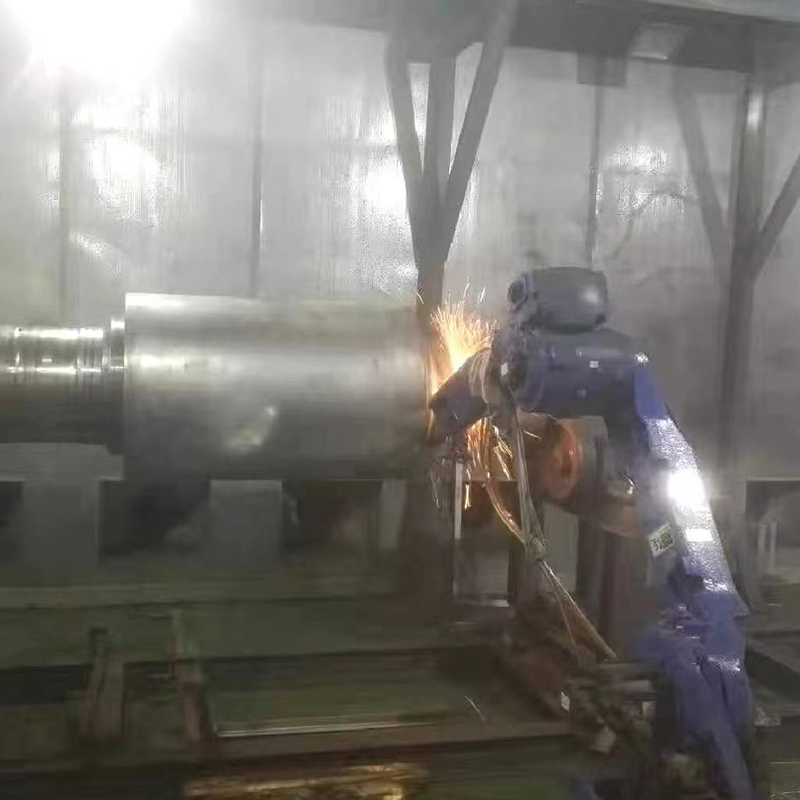
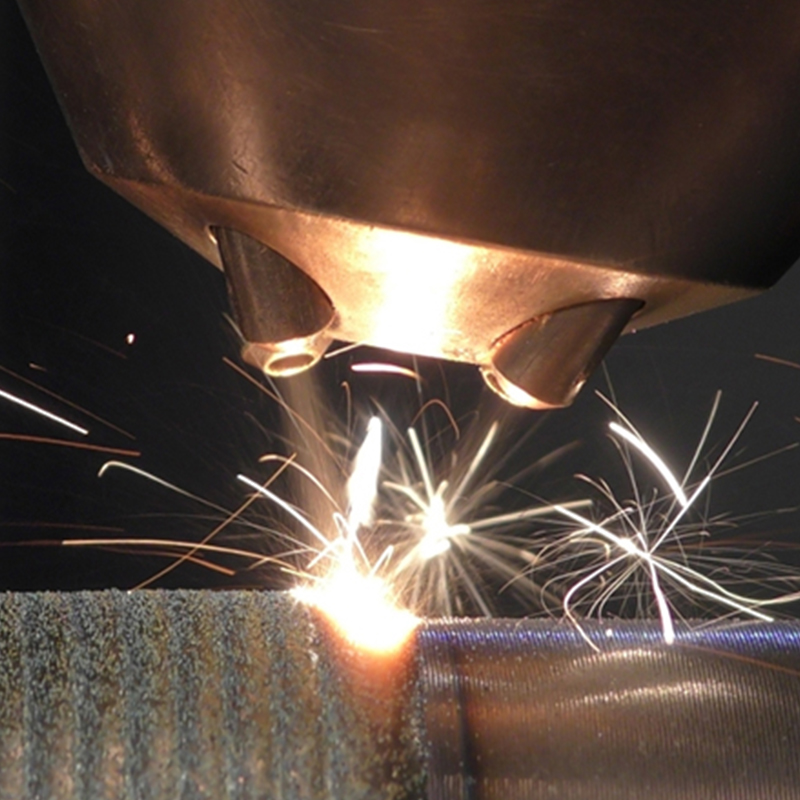
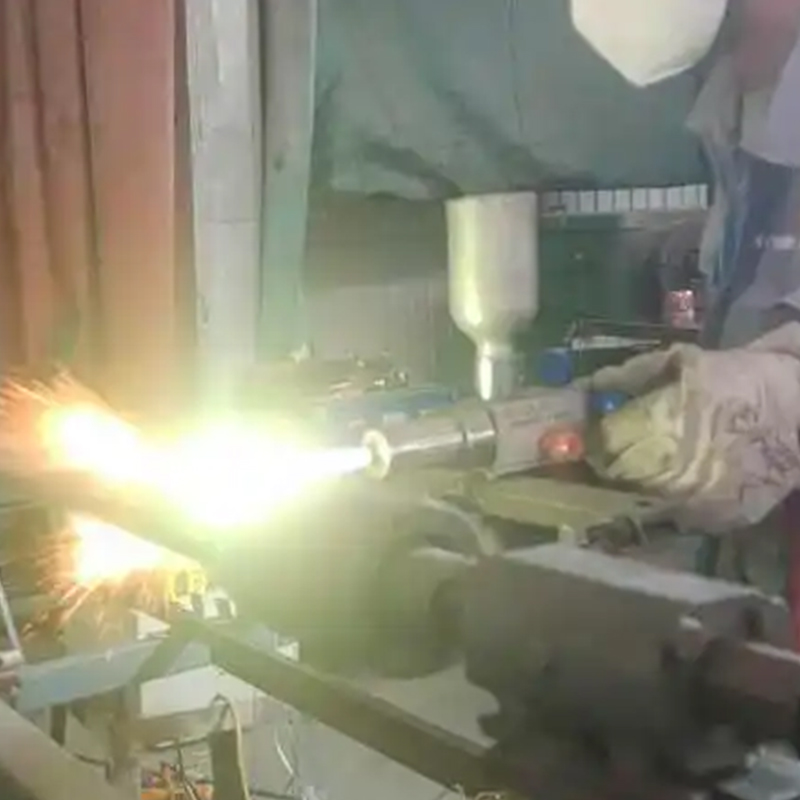
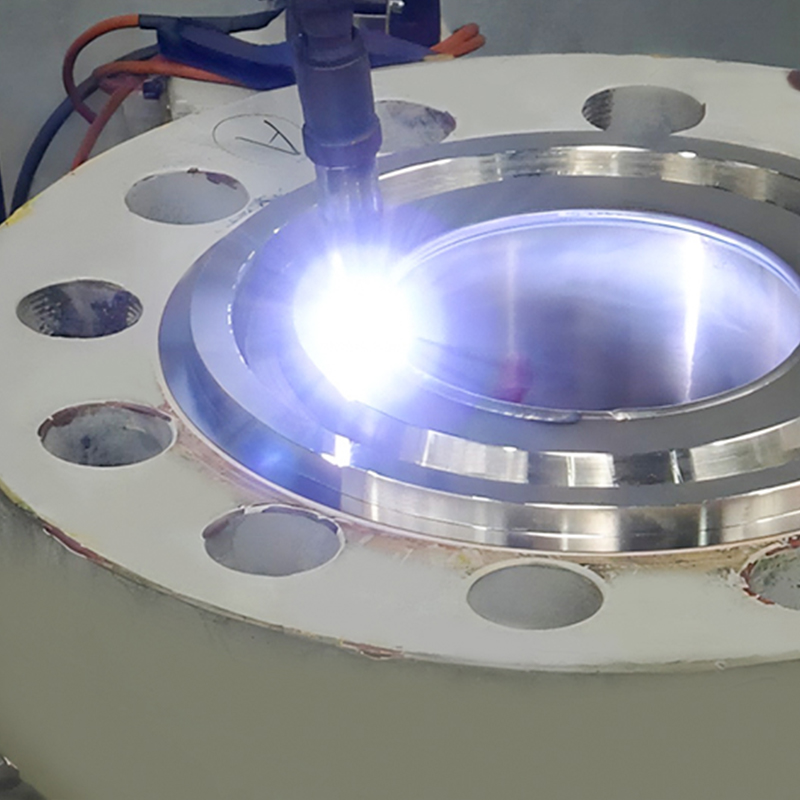
HVOF is a thermal spray method that burns a fuel with oxygen in a high-pressure combustion chamber. The hot gas expands through a nozzle and leaves the torch at supersonic speed. Coating powder is injected into this jet, where it is heated and accelerated. The particles strike the workpiece at high velocity, flatten into thin platelets, and build a dense, mechanically bonded coating.
The “oxygen fuel” part is simple: oxygen supports combustion, and the fuel can be a gas such as hydrogen, propane, or propylene, or a liquid such as kerosene. The “high velocity” part is what sets HVOF apart. Particle speeds commonly fall in the range of roughly 500 to 800 meters per second, depending on torch design and parameters. That kinetic energy helps produce coatings that are tight, hard, and resistant to cracking and spalling when properly applied.
Where the heat and speed meet
Flame temperature is usually lower than in plasma spraying, but the gas and particle velocities are much higher. This balance matters for materials such as tungsten carbide, which can lose hardness if overheated. HVOF gives the particles enough thermal energy to deform on impact without cooking the carbide phase beyond usefulness.
How the HVOF Process Works, Step by Step
Every shop has its own recipe, but the sequence is consistent. A well-run job follows a controlled path from surface preparation to final inspection.
- Surface preparation. The part is cleaned, masked, and usually grit-blasted to create a clean, rough profile. Oil, rust, and old coating must be removed.
- Combustion and jet formation. Oxygen and fuel are fed into the torch and ignited. The combustion products expand through the nozzle, forming a supersonic jet.
- Powder injection and heating. Powder is fed into the hot jet. Particle size, feed rate, and carrier gas are set so the particles heat evenly without melting into a spray of oversized droplets.
- Impact and coating build-up. The accelerated particles hit the substrate, flatten, and bond. The torch passes over the part repeatedly until the specified thickness is reached.
- Cooling, finishing, and inspection. The coated part is cooled under control, then ground, polished, or left as-sprayed depending on the drawing. Thickness, bond, hardness, and surface finish are checked.
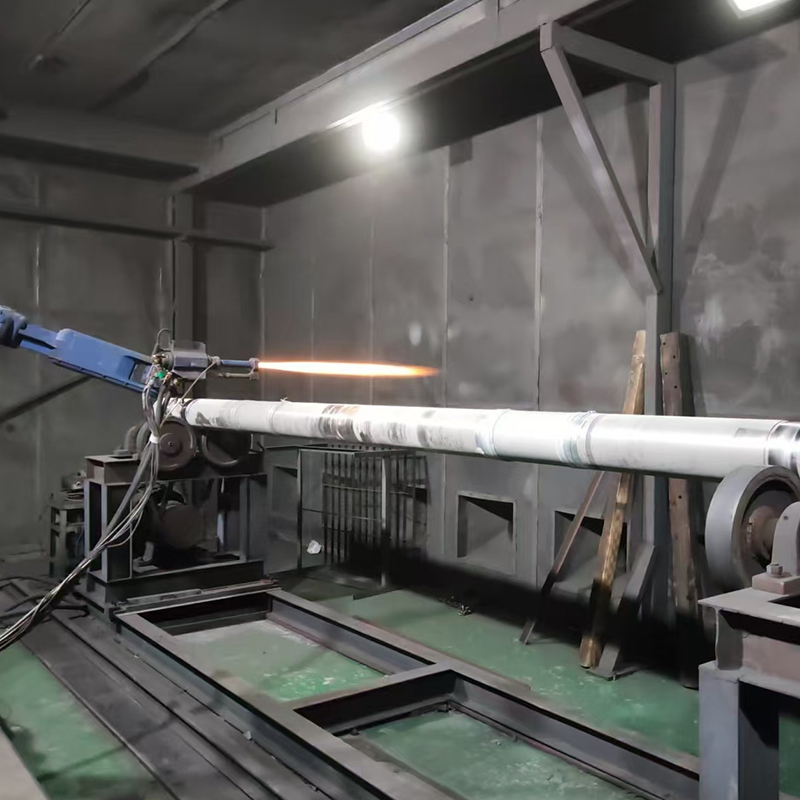 HVOF Thermal Spray Processing ServiceEngineered HVOF service producing dense, low-roughness coatings; gas flow, stand-off distance, traverse speed, and powder chemistry require experienced operator control.View Product →
The process window is not wide open. Gas flows, stand-off distance, traverse speed, and powder chemistry all influence the result. That is why experienced operators treat HVOF as an engineered process rather than a push-button treatment.
Why HVOF Coatings Perform So Well
HVOF coatings are known for high density and low porosity. Because the particles arrive with high kinetic energy, they flatten well and fill gaps that might remain in lower-velocity processes. Porosity is often below 1 percent for well-developed carbide and alloy coatings, which helps limit corrosive media from reaching the substrate.
The high impact energy also supports strong adhesion and favorable compressive residual stresses. For parts that see abrasion, erosion, cavitation, or a mix of wear and corrosion, that combination can extend service life considerably. We have seen this play out in HVOF-coated parts that face combined wear and corrosion, where a denser coating often outperforms a thicker but more porous alternative.
| Process | Typical plume temperature | Typical particle velocity | Coating character | Common fit |
|---|---|---|---|---|
| HVOF | 2,500-3,000 °C | 500-800 m/s | Very dense, high bond strength, good carbide retention | Wear, erosion, corrosion, pump and valve parts |
| Plasma | 10,000-15,000 °C | 200-400 m/s | High-melting ceramics, porous to dense | Ceramic and high-temperature coatings |
| Arc | 5,000-6,000 °C | 100-200 m/s | Economical, higher porosity | Large structures and repair work |
| Flame powder | 2,000-3,000 °C | 50-100 m/s | Versatile, lower velocity | Repair and moderate wear |
Materials That Pair Naturally With HVOF
HVOF is not limited to one powder family, but some materials are a particularly good match:
- Tungsten carbide-cobalt or tungsten carbide-chrome. Dense, hard coatings for erosion, abrasion, and slurry service.
- Chromium carbide-nickel chrome. A strong choice for high-temperature wear and oxidation resistance.
- Nickel- and cobalt-based alloys. Tough, corrosion-resistant layers for valve parts, shafts, and pump components.
- Cobalt-based wear alloys. Wear-resistant coatings for seats, sleeves, and other sliding or impacting surfaces.
- Some ceramic and cermet systems. Selected for specific electrical, thermal, or chemical duties after testing.
Material choice should follow the failure mode, not the other way around. A coating that is too hard may crack under impact; one that is too soft may polish away in abrasive slurry. We look at temperature, load, chemistry, and the value of the part before recommending a powder.
Where HVOF Thermal Spraying Earns Its Keep
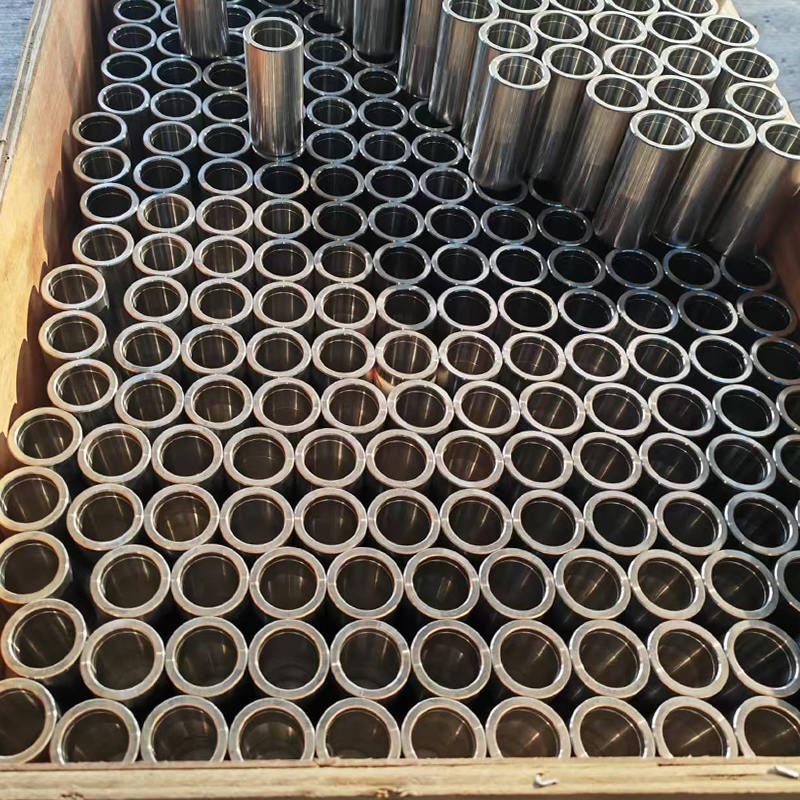
HVOF is common in industries where parts face severe wear and corrosion. Pump and valve work is a natural fit, and our pump and valve industry solutions often begin with an HVOF review. Impellers, sleeves, plungers, seats, stems, and valve bodies can all benefit when the duty calls for a dense carbide or alloy coating.
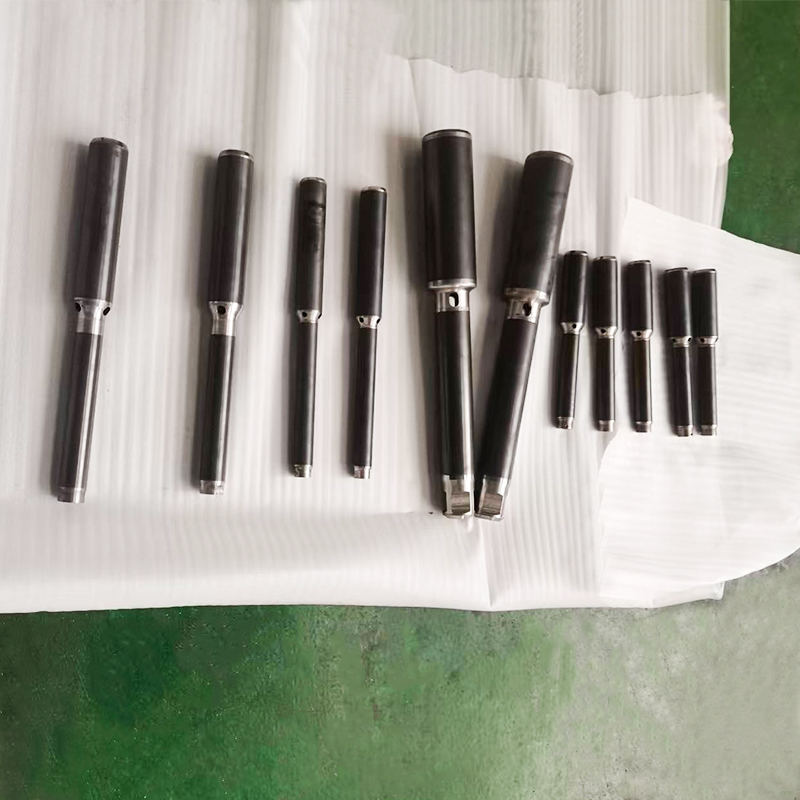
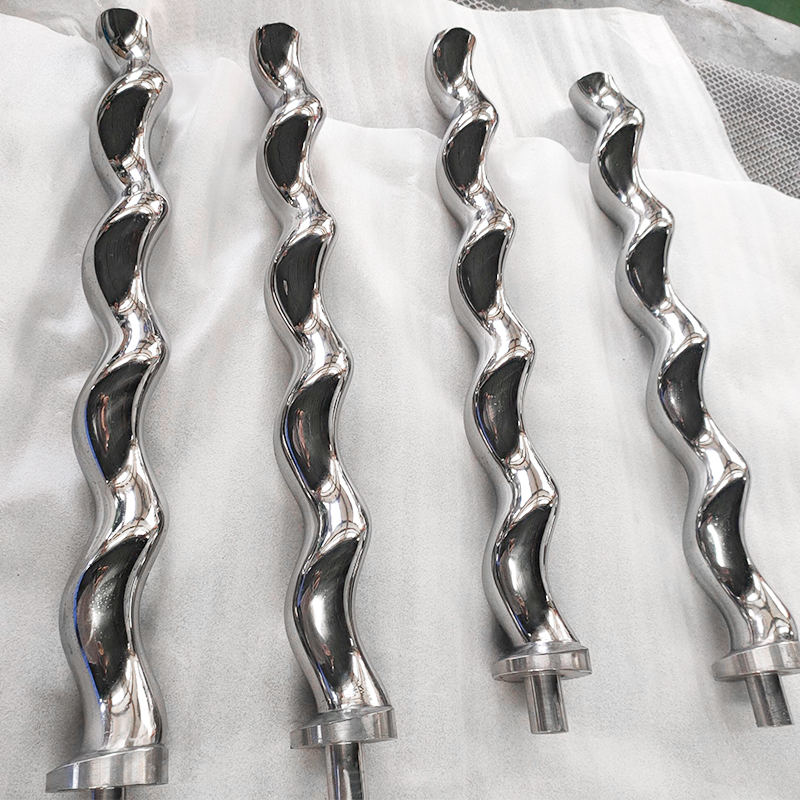
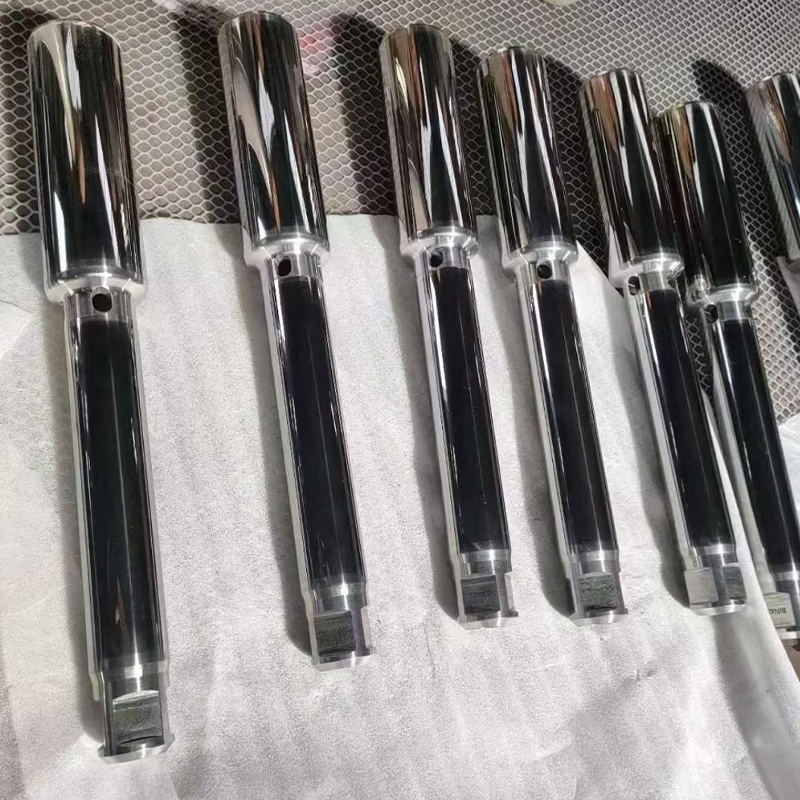 Tungsten Carbide Pump PoleHard, wear- and corrosion-resistant pump component for high-pressure, high-temperature or chemical duty; available with carbide or ceramic coatings and drawing-based machining.View Product →
Other frequent applications include petrochemical plungers and valve trim, steel mill rolls and sleeves, marine valve stems, die-casting components, wire-drawing wheels, mixer shafts, and conveyor parts. In each case, the goal is the same: put the right surface where the wear or corrosion actually occurs, without changing the bulk material of the part.
HVOF also works well for repair and remanufacturing. A worn shaft or housing can sometimes be restored with a controlled coating and finished back to size, which can be more efficient than replacing a large casting or forging.
Practical Notes for Specifying an HVOF Coating
If you are preparing a drawing or an inquiry, a few details make the conversation much more productive:
- The substrate material and its condition, including any previous coating or heat treatment.
- The service environment: temperature, chemicals, abrasive particles, impact, and load.
- Which surfaces need coating and which must be masked.
- Required coating thickness, finish, and any dimensional tolerances after finishing.
- The failure history of the current part, if there is one.
Our team works from drawing review through coating and finishing. With a 20,000 square meter production base in Yancheng, more than 200 employees, and ten-plus coating lines, we can support both development batches and recurring production. We also hold three management system certifications, which help keep process control, traceability, and delivery discipline in place.
Good HVOF work is not about spraying everything with the same powder. It is about selecting the process and material for the job, then controlling the variables that make the coating repeatable.
If you are unsure whether HVOF is right for a particular part, start with the failure mode and the service conditions. Send us a drawing, a sample, or a short description of what is wearing out, and we can help you compare HVOF with plasma, arc, or another thermal spray option.
The best coating is the one that lasts in your equipment, not the one that sounds most advanced on paper. That is the principle we try to apply to every high-velocity oxygen fuel thermal spray process job that comes through our shop.

 TOP