
 ENG
ENG
 English
 عربى
عربى Español
 中文简体
中文简体
Content
- 1 Choosing Between Ceramic Thermal Spray Coatings and Conventional Coatings
- 2 Understanding Ceramic Thermal Spray Coatings
- 3 What Are Conventional Coatings?
- 4 Durability and Protection: Which Coating Offers Superior Performance?
- 5 Cost-Effectiveness: Which Coating Offers Better Value?
- 6 Applications: Where Are Each Coating Most Effective?
- 7 Conclusion: Which Coating Is Better for Your Needs?
Choosing Between Ceramic Thermal Spray Coatings and Conventional Coatings
In various industrial applications, the choice of coating plays a significant role in the performance, durability, and cost-effectiveness of the equipment or machinery. Two common types of coatings used are ceramic thermal spray coatings and conventional coatings, each offering distinct benefits and drawbacks. In this article, we will compare ceramic thermal spray coatings with conventional coatings, evaluating which is better suited for different industrial needs and environments.
Understanding Ceramic Thermal Spray Coatings
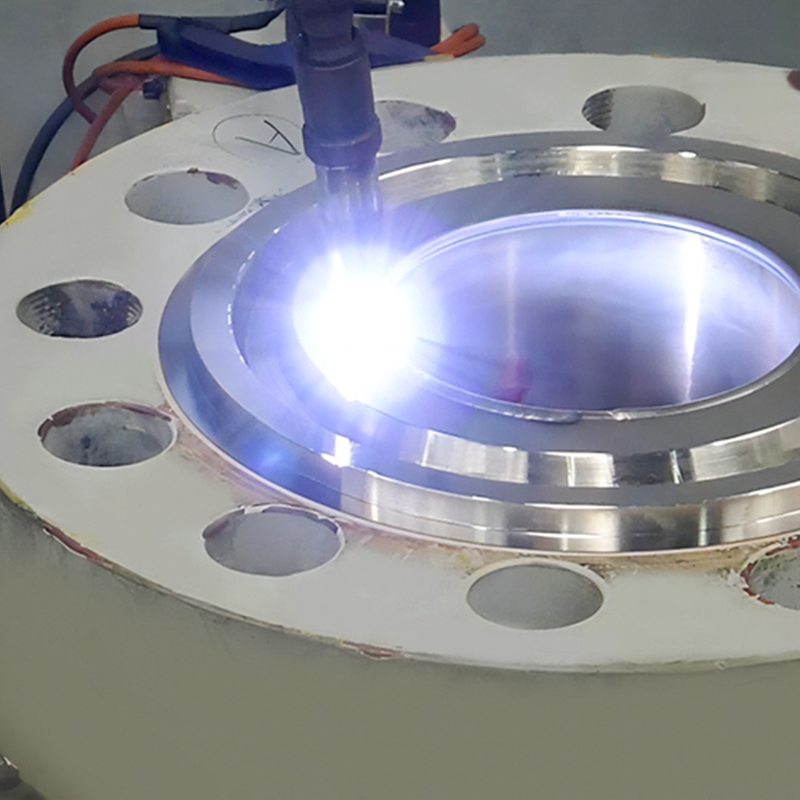
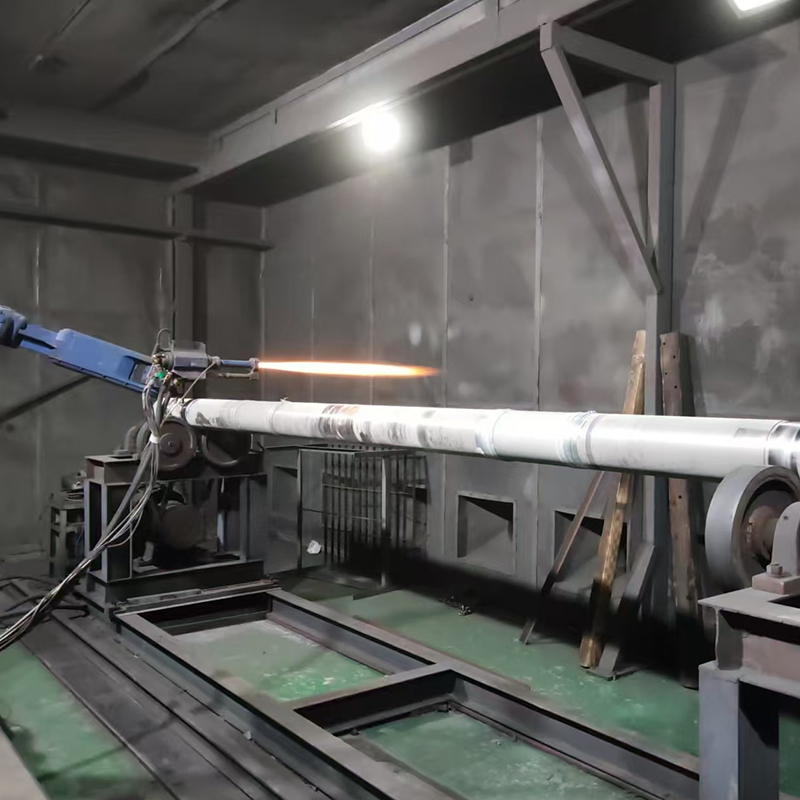
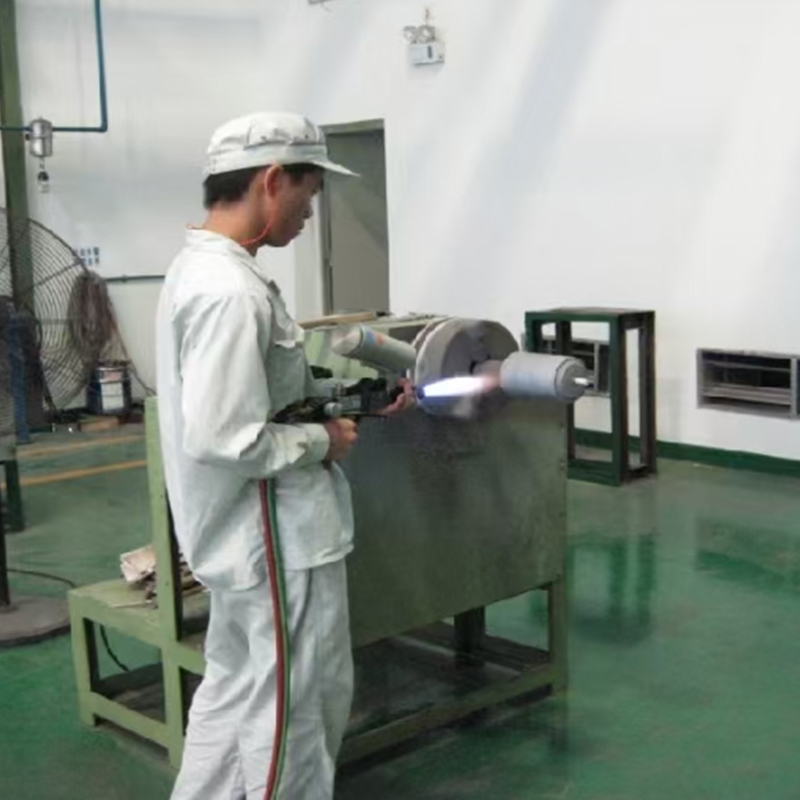
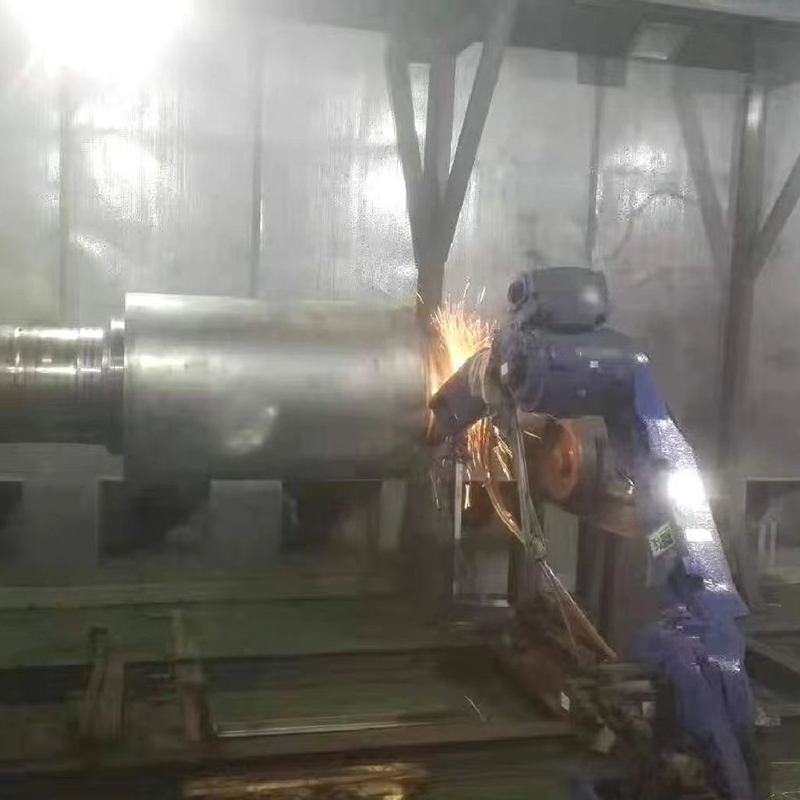
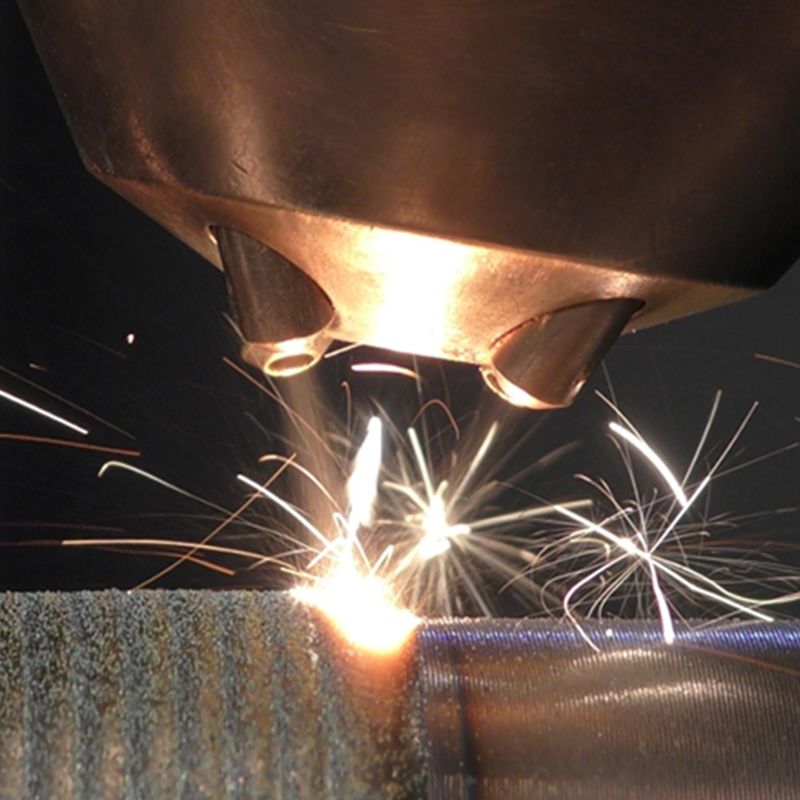
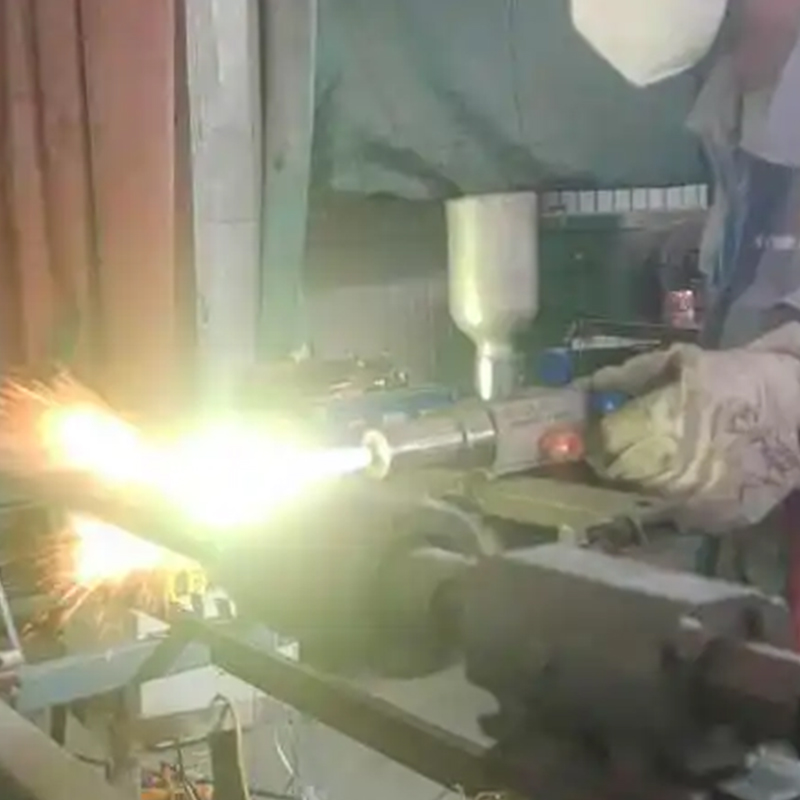
Ceramic thermal spray coatings are a type of high-performance coating applied through a thermal spraying process, where ceramic material is melted and sprayed onto a substrate surface. These coatings are known for their superior hardness, thermal resistance, and wear resistance. Ceramic coatings are often used in extreme conditions, such as high temperatures or corrosive environments, due to their exceptional protective properties.
Common materials used in ceramic thermal spray coatings include aluminum oxide, zirconia, and titanium oxide. These coatings are widely employed in industries like aerospace, automotive, and energy, where components are exposed to intense heat, pressure, and friction.
What Are Conventional Coatings?
Conventional coatings, on the other hand, include a broad range of protective finishes applied through methods such as painting, powder coating, electroplating, and dipping. These coatings are typically easier to apply and are often used for general protection against corrosion, abrasion, and wear. Conventional coatings can be made from materials like paint, epoxy, polyurethane, or chrome plating, depending on the specific needs of the application.
While conventional coatings can provide a basic level of protection and are often more cost-effective, they generally do not perform as well in extreme conditions compared to ceramic thermal spray coatings.
Durability and Protection: Which Coating Offers Superior Performance?
When it comes to durability and long-term protection, ceramic thermal spray coatings typically outperform conventional coatings in harsh environments. Ceramic coatings offer enhanced wear resistance, corrosion resistance, and thermal protection, making them ideal for use in high-temperature, abrasive, or chemically aggressive settings.
In contrast, conventional coatings, while effective for general protection, may wear down more quickly when exposed to high heat, pressure, or corrosive substances. For example, conventional paints may degrade at elevated temperatures, and chrome plating may not offer the same level of abrasion resistance as ceramic coatings.
Advantages of Ceramic Thermal Spray Coatings
- High resistance to wear, corrosion, and extreme temperatures.
- Enhanced thermal insulation properties, preventing overheating of components.
- Increased longevity of equipment, reducing the frequency of repairs and replacements.
Advantages of Conventional Coatings
- Lower initial cost and easier application methods.
- Suitable for general-purpose protection against corrosion and wear.
- Available in a wide range of finishes and colors for aesthetic purposes.
Cost-Effectiveness: Which Coating Offers Better Value?
In terms of initial cost, conventional coatings typically have an edge over ceramic thermal spray coatings. Conventional coatings are often less expensive to apply due to the simplicity of the process and the lower cost of materials. For businesses working with budget constraints or general protection needs, conventional coatings may offer a more affordable solution.
However, when considering long-term value, ceramic thermal spray coatings tend to be more cost-effective over time. While the initial investment may be higher, the superior durability, wear resistance, and extended lifespan of ceramic coatings can significantly reduce maintenance and replacement costs. For industries with heavy-duty machinery or equipment exposed to extreme conditions, ceramic coatings can provide a better return on investment.
Cost Comparison
- Conventional coatings are generally more affordable, but may require more frequent maintenance.
- Ceramic thermal spray coatings have a higher upfront cost but reduce long-term maintenance costs due to their durability.
- Ceramic coatings are ideal for high-usage, high-temperature, or corrosive environments, where conventional coatings may fail.
Applications: Where Are Each Coating Most Effective?
Ceramic thermal spray coatings are ideal for industries and applications that require exceptional protection in extreme conditions. They are commonly used in aerospace, automotive, energy, and manufacturing sectors, where components are exposed to high temperatures, friction, and corrosive environments. For example, turbine blades, engine components, and heat exchangers often use ceramic coatings to withstand intense wear and heat.
Conventional coatings are often used in less demanding environments, such as for decorative purposes, general corrosion resistance, or in applications where the conditions are not as harsh. They are common in industries like construction, furniture, and general manufacturing, where lower-cost protection is adequate for most components.
Best Applications for Ceramic Thermal Spray Coatings
- Aerospace: Turbine engines, exhaust systems, and other high-temperature components.
- Automotive: Engine parts and exhaust components that endure high heat and friction.
- Energy: Heat exchangers, combustion chambers, and other power plant equipment.
Best Applications for Conventional Coatings
- Construction: Steel and concrete protection against mild corrosion.
- Furniture: Decorative finishes for aesthetic appeal and basic protection.
- General Manufacturing: Non-critical machinery that does not face extreme conditions.
Conclusion: Which Coating Is Better for Your Needs?
The choice between ceramic thermal spray coatings and conventional coatings depends largely on the specific needs of your application. Ceramic thermal spray coatings offer unparalleled durability, wear resistance, and protection in extreme environments, making them ideal for high-performance industries such as aerospace, automotive, and energy. While the initial cost may be higher, the long-term savings in maintenance and equipment longevity make them a worthwhile investment in demanding applications.
On the other hand, conventional coatings are more cost-effective and easier to apply, making them a suitable choice for less demanding applications or general protection. For industries looking for aesthetic finishes, basic corrosion resistance, or budget-friendly options, conventional coatings remain a practical solution.
Ultimately, the decision comes down to the operating conditions, budget, and the level of protection required for your specific application. For high-performance environments, ceramic thermal spray coatings are the clear winner, while conventional coatings may be sufficient for more routine, less demanding tasks.


 TOP
TOP