
 ENG
ENG
 English
 عربى
عربى Español
 中文简体
中文简体
In wire drawing, tube forming, and precision metal processing, the components that guide and shape material under continuous tension are every bit as critical as the machinery itself. The tungsten carbide tower wheel — also known as a carbide capstan wheel or multi-step drawing wheel — is one of the most important of these components. Its unique design and material properties allow it to handle extreme mechanical stresses while maintaining dimensional precision over long production runs. Understanding how it works and what role it plays is essential for anyone involved in wire manufacturing, fastener production, or cold forming operations.
Content
- 1 What Is a Tungsten Carbide Tower Wheel?
- 2 The Working Principle of a Tungsten Carbide Tower Wheel
- 3 Key Functions of the Tower Wheel in the Production Process
- 4 Why Tungsten Carbide Is the Material of Choice
- 5 Common Grades and Specifications Used in Tower Wheels
- 6 Maintenance, Wear Monitoring, and Service Life
What Is a Tungsten Carbide Tower Wheel?
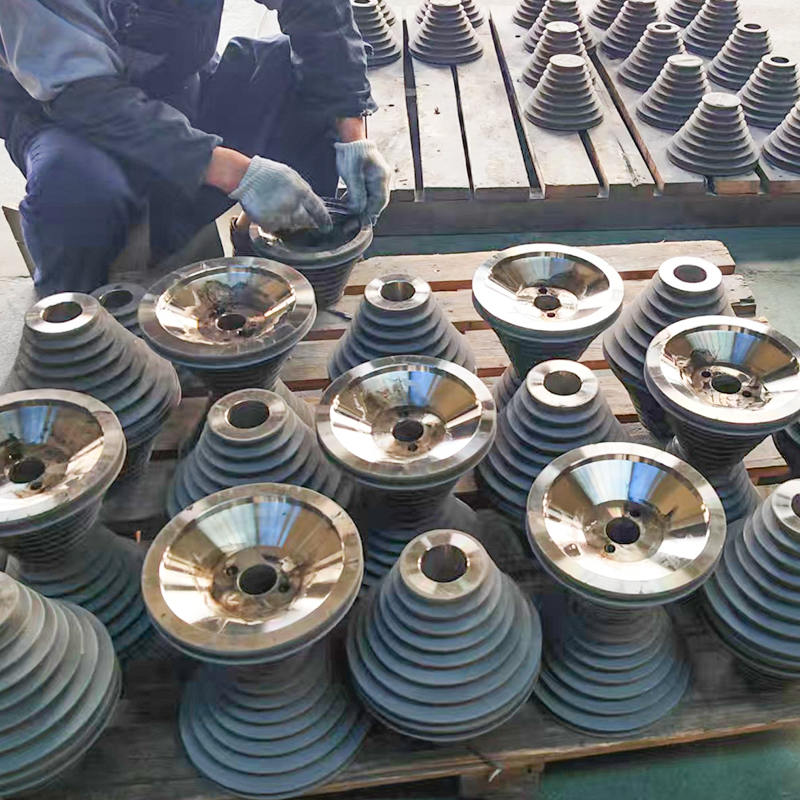
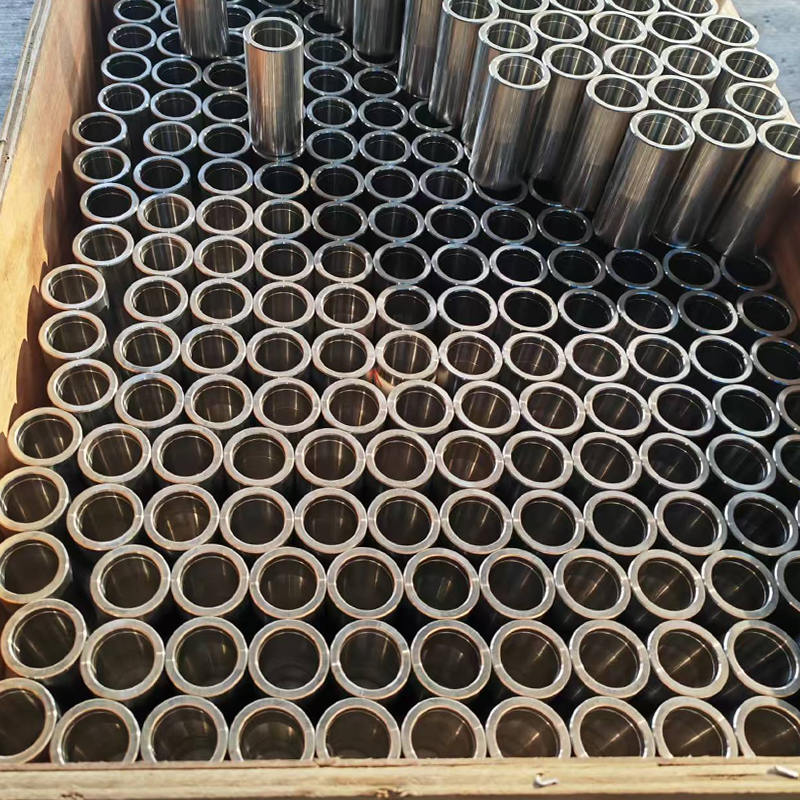
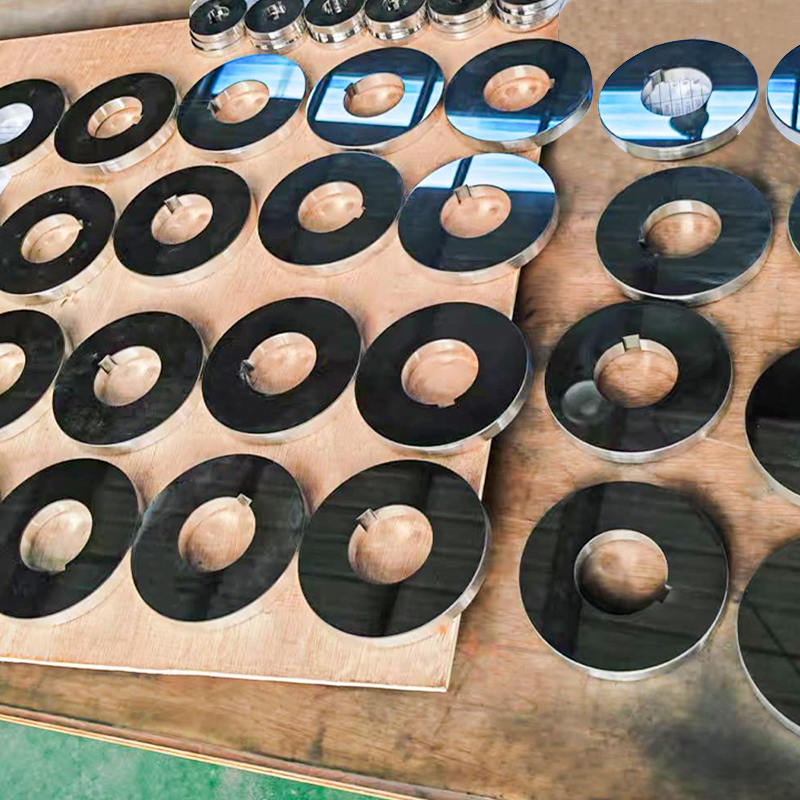
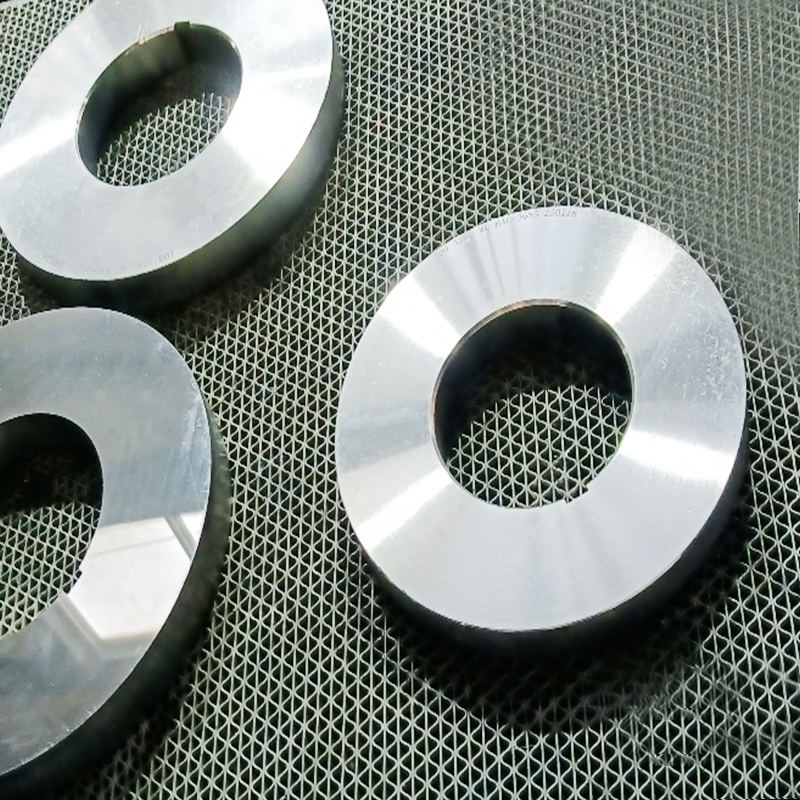
A tungsten carbide tower wheel is a stepped, cylindrical rotating component used in continuous wire drawing and forming machines. The "tower" refers to its multi-diameter, stacked structure — a series of progressively sized flanges or steps arranged along a central shaft axis, resembling a tower or stepped cylinder when viewed from the side. Each step, or capstan, corresponds to a specific stage in the drawing or forming process, allowing a single wheel assembly to serve multiple passes of wire or rod through the machine.
The wheel body is manufactured from tungsten carbide — a composite material consisting of tungsten carbide particles bonded in a cobalt matrix. This combination delivers a hardness of 85–92 HRA and exceptional resistance to surface wear, making it capable of sustaining contact with metal wire under high tension and high surface speed without measurable deformation over extended service periods. Compared to tool steel or ceramic alternatives, tungsten carbide tower wheels offer a superior balance of hardness, toughness, thermal stability, and dimensional consistency.
The Working Principle of a Tungsten Carbide Tower Wheel
The operating principle of a tower wheel is rooted in the mechanics of continuous drawing with accumulated tension management. In a multi-pass wire drawing machine, the wire must be reduced progressively in diameter through a series of drawing dies. Between each die, the wire must be supported, tensioned, and advanced to the next drawing stage without slipping, kinking, or losing dimensional control.
Capstan Friction and Tension Accumulation
Each step of the tower wheel acts as a capstan — a rotating cylinder around which the wire wraps at a specific angle. The capstan principle dictates that friction between the wire and the wheel surface generates a holding force proportional to the wrap angle and the coefficient of friction. This allows the wheel to grip the incoming wire tightly enough to pull it through the preceding die while simultaneously feeding it forward to the next stage. The stepped geometry means that each successive capstan step has a slightly larger diameter, compensating for the wire's reduced cross-section and increased speed as it is drawn down through each die. This diameter progression ensures that wire tension remains within optimal bounds across all passes, preventing both over-tension (which causes wire breakage) and under-tension (which allows wire to slip and produce inconsistent diameter).
Surface Contact and Wire Guidance
The surface profile of each step on the tower wheel is precision-ground to a specific groove geometry — typically a circular arc that matches the wire's cross-section diameter at that stage. This groove centers the wire on the wheel and prevents lateral migration during rotation. The groove radius is carefully calculated to support the wire without pinching it or creating stress concentrations that could cause surface cracking or fatigue failure in the wire. On high-speed machines, the carbide surface's extremely low surface roughness (typically Ra 0.1–0.2 μm after polishing) reduces friction coefficient variation and ensures that wire exits each stage with a consistent surface finish.
Rotation, Drive, and Speed Synchronization
Tower wheels are driven either positively (via gearbox or motor coupling) or as free-spinning idlers, depending on the machine design. In positively driven configurations, the wheel's rotational speed is synchronized with the drawing speed at each stage. The stepped diameter relationship between each capstan and the corresponding wire speed is calculated during machine setup to achieve a small, intentional accumulation of wire on the wheel — enough to maintain tension without causing slippage or wire buildup. This accumulated wrapping, typically 3 to 7 coils per step, is the functional mechanism by which the tower wheel simultaneously draws wire from the preceding die and feeds it to the next.
Key Functions of the Tower Wheel in the Production Process
The tower wheel is not merely a passive guide; it actively contributes to several critical aspects of the production process simultaneously.
- Tension control between drawing passes: By maintaining a consistent wire wrap and a calibrated diameter step ratio, the tower wheel regulates inter-pass tension precisely. This prevents the wire from going slack between dies — which would cause diameter variation — or becoming over-tensioned, which leads to wire breakage and machine downtime.
- Speed compensation across reduced wire diameters: As wire is drawn down in diameter, it elongates and must travel faster to conserve volume. The progressively larger diameter steps of the tower wheel automatically increase peripheral speed at each stage, matching the wire's increasing linear velocity without requiring individual speed adjustments per pass.
- Wire surface protection: The polished carbide groove surface minimizes scratching, scoring, and surface pickup on the wire. This is particularly important in the production of fine wire for electronics, medical devices, and precision springs, where surface integrity is a functional requirement.
- Heat dissipation during high-speed drawing: Drawing generates frictional heat at both the die and the wheel contact surface. Tungsten carbide's high thermal conductivity relative to ceramics and its stable hardness at elevated temperatures allow it to absorb and dissipate this heat without surface softening or dimensional change, maintaining consistent groove geometry throughout the production run.
- Extended die life through consistent wire presentation: By ensuring that wire enters each die centered, tensioned correctly, and at the right speed, the tower wheel indirectly extends die life. Misaligned or incorrectly tensioned wire entry accelerates die wear and increases the frequency of die cracking — a significant hidden cost in wire drawing operations.
Why Tungsten Carbide Is the Material of Choice
The selection of tungsten carbide for tower wheels is not arbitrary — it directly addresses the specific failure modes that destroy tower wheels in service. The following table contrasts tungsten carbide against common alternative materials:
| Property | Tungsten Carbide | Tool Steel | Ceramic (Al₂O₃) |
| Hardness (HRA) | 85–92 | 70–76 | 88–92 |
| Toughness | High | High | Low (brittle) |
| Wear Resistance | Excellent | Moderate | Very Good |
| Thermal Stability | Excellent | Poor above 200°C | Good |
| Surface Finish (Ra μm) | 0.1–0.2 | 0.4–0.8 | 0.2–0.4 |
| Impact Resistance | Good | Excellent | Poor |
Tungsten carbide occupies the optimal position across all critical parameters. Its combination of hardness, toughness, and surface quality makes it the only material that can consistently survive the mechanical demands of high-speed multi-pass drawing without either wearing rapidly (as tool steel does) or fracturing under wire tension shocks (as ceramics tend to do).
Common Grades and Specifications Used in Tower Wheels
Not all tungsten carbide grades perform equally in tower wheel applications. The cobalt binder content is the key variable that determines the hardness-toughness trade-off, and selection should be matched to the wire material being drawn and the drawing speed.
- 6% Co grades: Very high hardness (91–92 HRA), used for fine wire drawing at high speeds where abrasion resistance is the primary requirement and impact loading is minimal.
- 8–10% Co grades: Balanced hardness and toughness (88–90 HRA), the most common choice for medium wire drawing applications including steel wire, copper, and aluminum alloys.
- 12–15% Co grades: Lower hardness but higher fracture toughness, selected for heavier wire or rod drawing where tension fluctuations and impact loads are more pronounced.
Grain size also plays a role: submicron and ultrafine grain carbides offer enhanced surface finish capability and edge retention, making them preferred for precision applications. Coarser grain structures provide better toughness for heavy-duty service.
Maintenance, Wear Monitoring, and Service Life
Despite their durability, tungsten carbide tower wheels are precision components that require systematic maintenance to deliver their rated service life. Groove wear is the primary failure mode — as the carbide surface erodes, groove geometry changes, wire contact becomes uneven, and tension control deteriorates. Signs that a tower wheel requires inspection or replacement include increased wire breakage rates, inconsistent wire diameter across a production run, visible groove flattening or ovalization, and surface pickup of drawn metal in the groove channel.
Proactive inspection involves measuring groove diameter at multiple points with a pin gauge or optical profilometer to detect uneven wear before it affects wire quality. In high-volume operations, tower wheels can often be reground to restore groove geometry, effectively extending service life by 30–50% before the component must be fully replaced. Proper lubrication with the correct drawing compound also dramatically extends wheel life by reducing the metal-to-carbide friction coefficient and preventing wire material from bonding to the groove surface — a phenomenon known as wire pickup or galling, which accelerates groove damage significantly if left unaddressed.

 TOP
TOP