
 ENG
ENG
 English
 عربى
عربى Español
 中文简体
中文简体
Content
- 1 Understanding Tungsten Carbide Coatings
- 2 Primary Tungsten Carbide Coating Processes
- 3 Substrate Preparation and Surface Treatment
- 4 Application Parameters and Quality Control
- 5 Post-Coating Finishing and Sealing
- 6 Industrial Applications and Performance Benefits
- 7 Cost Considerations and Return on Investment
- 8 Coating Selection Criteria and Engineering Guidelines
- 9 Coating Restoration and Repair Procedures
- 10 Emerging Technologies and Future Developments
Understanding Tungsten Carbide Coatings
Tungsten carbide coatings represent one of the most effective solutions for enhancing surface hardness, wear resistance, and longevity of industrial components. These coatings combine tungsten and carbon to create an extremely hard ceramic material that, when properly applied, can extend equipment life by 300% to 500% in high-wear applications. Industries ranging from oil and gas to aerospace rely on tungsten carbide coatings to protect critical components from abrasive wear, erosion, and corrosion.
The hardness of tungsten carbide approaches that of diamond, measuring between 1,500 and 2,200 on the Vickers hardness scale depending on the specific composition and application method. This exceptional hardness makes tungsten carbide coatings ideal for components that face severe operating conditions, including pumps, valves, drilling equipment, and manufacturing machinery. Unlike traditional surface treatments, tungsten carbide coatings maintain their properties across a wide temperature range and resist chemical degradation.
Common tungsten carbide coating compositions include WC-Co (tungsten carbide with cobalt binder), WC-CoCr (with chromium addition for improved corrosion resistance), and WC-Ni (nickel-based for specific applications). The choice of binder material significantly affects the coating's properties, with cobalt providing excellent toughness while chromium additions enhance oxidation and corrosion resistance.
Primary Tungsten Carbide Coating Processes
Several distinct processes are used to apply tungsten carbide coatings, each offering specific advantages for different applications and substrate materials. The selection of the appropriate process depends on factors including required coating thickness, substrate geometry, operating environment, and performance requirements.
High Velocity Oxygen Fuel (HVOF) Spraying
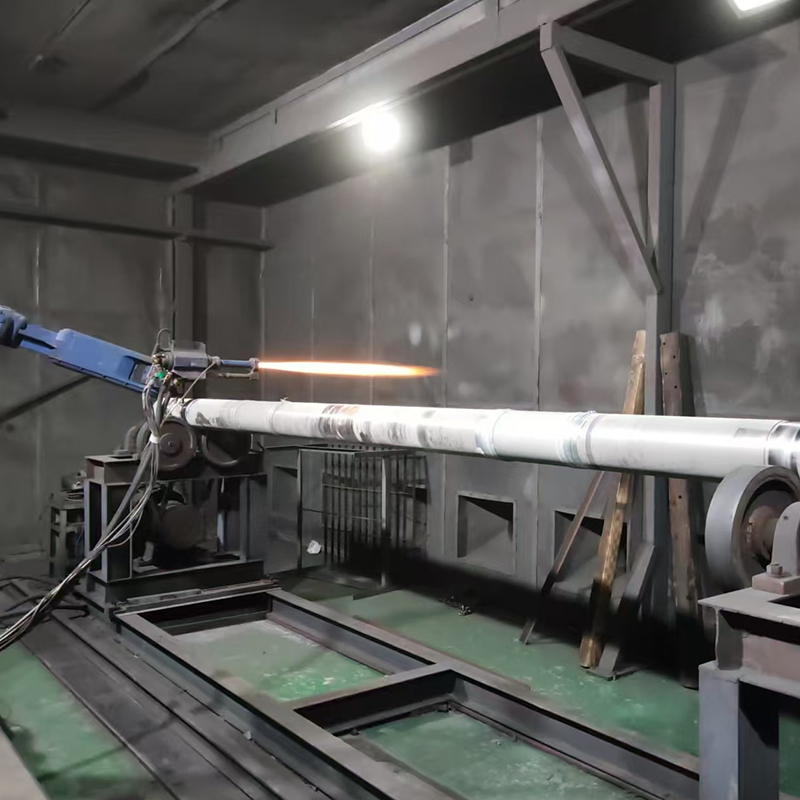
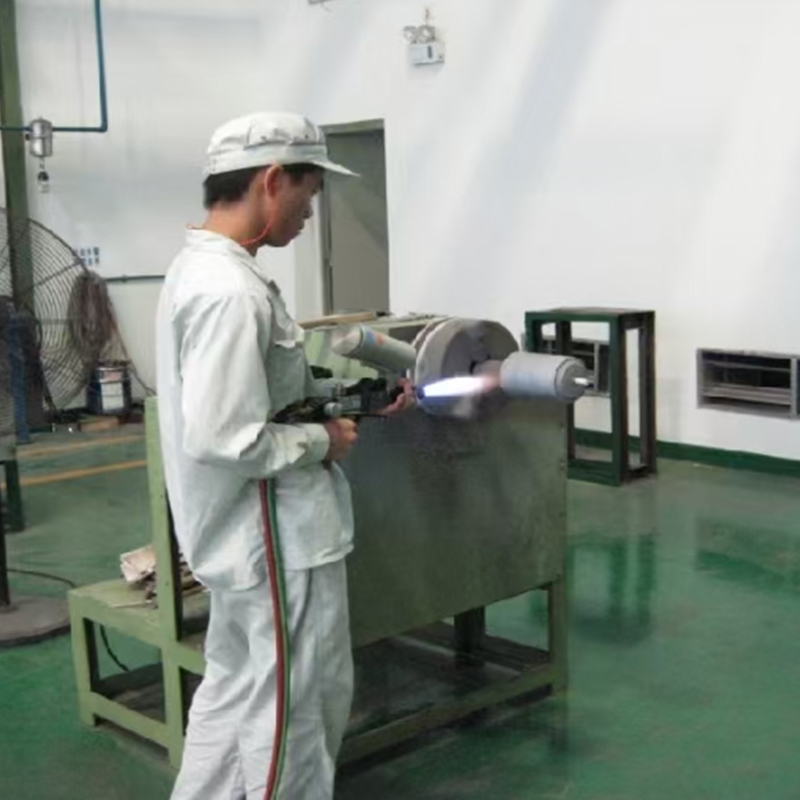
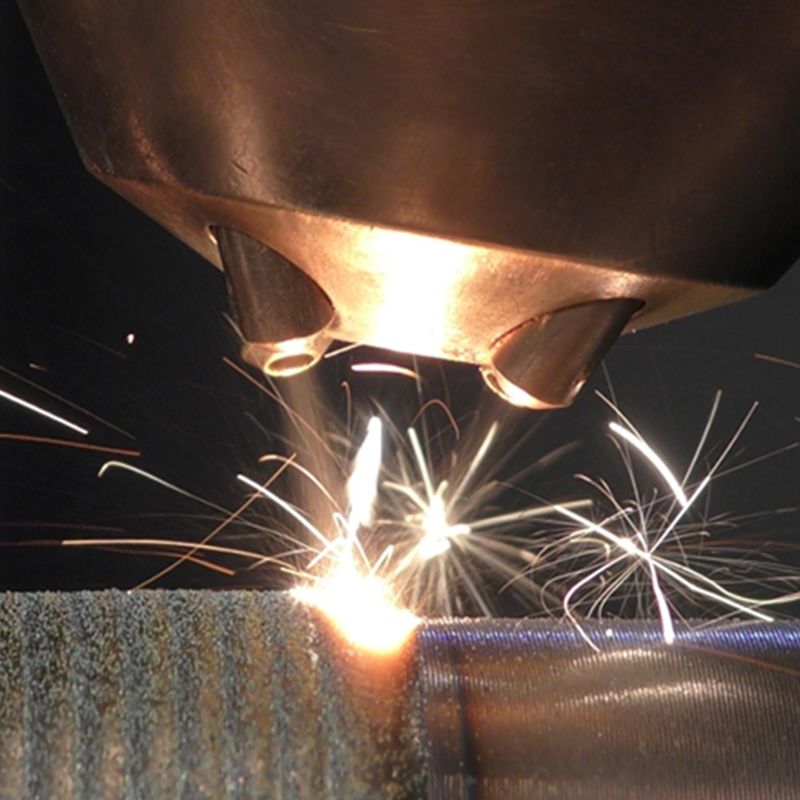
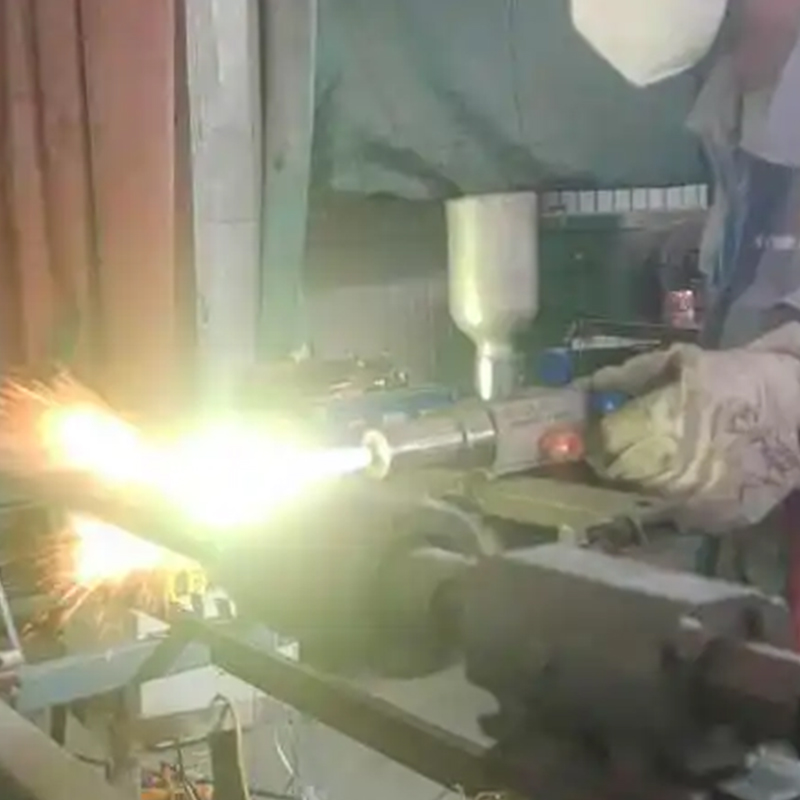
HVOF represents the current industry standard for tungsten carbide coating applications requiring superior density, hardness, and adhesion strength. This process combusts a mixture of oxygen and fuel (typically kerosene, propylene, or hydrogen) to create a supersonic flame that accelerates tungsten carbide particles to velocities between 400 and 800 meters per second. The high impact velocity combined with moderate particle temperatures produces extremely dense coatings with porosity levels below 1%.
The HVOF process offers several critical advantages. The relatively low process temperatures minimize decarburization of the tungsten carbide particles, preserving the material's hardness. Bond strengths typically exceed 70 MPa, ensuring excellent adhesion to properly prepared substrates. Coating thicknesses from 0.075mm to 0.5mm can be achieved in single or multiple passes, with thicker coatings possible when required. The dense microstructure provides superior wear resistance and lower friction coefficients compared to other thermal spray methods.
Plasma Spray Coating
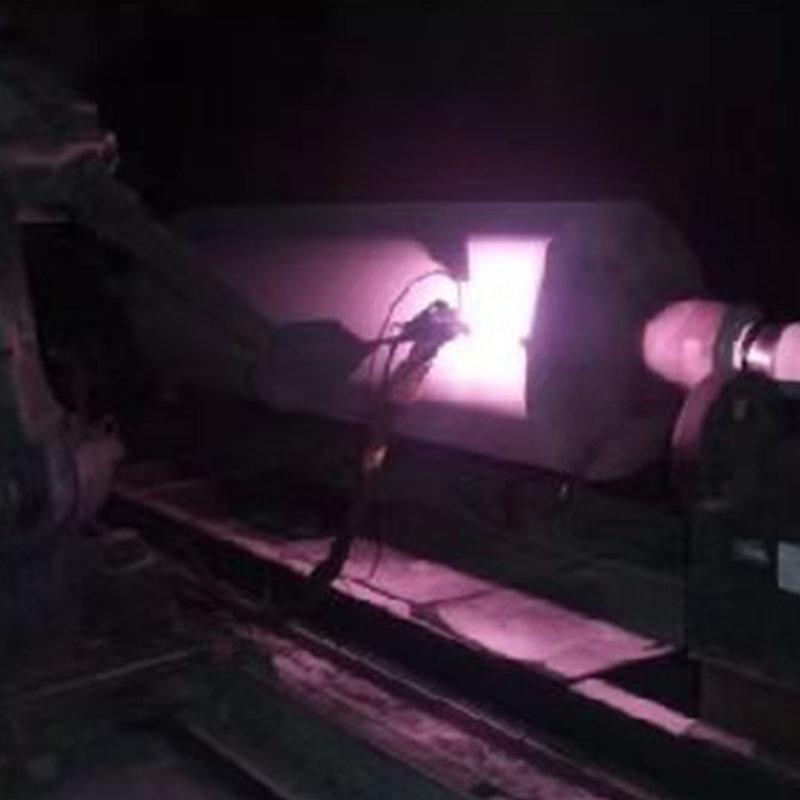
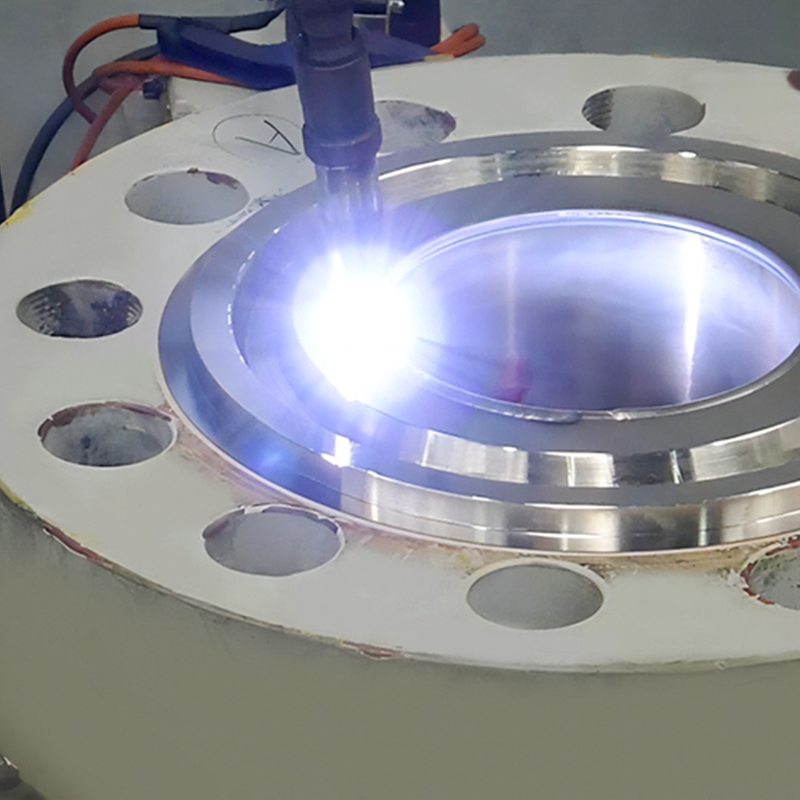
Plasma spray technology uses an electric arc to generate plasma temperatures exceeding 15,000°C, creating a high-velocity plasma jet that melts and propels tungsten carbide powder onto the substrate. Both atmospheric plasma spray (APS) and vacuum plasma spray (VPS) variants are used, with VPS offering superior coating quality through elimination of atmospheric contamination. Plasma spray excels at coating complex geometries and achieving thick deposits, with coating thicknesses from 0.1mm to several millimeters possible.
However, the extremely high temperatures inherent to plasma spraying can cause partial decomposition of tungsten carbide particles, leading to formation of brittle eta phases (W2C and W3C2) and free carbon. This decomposition reduces coating hardness and wear resistance compared to HVOF coatings. Modern plasma spray systems employ specialized powder feedstock and optimized parameters to minimize these effects, making plasma spray suitable for applications where maximum hardness is less critical than coating thickness or deposition rate.
Detonation Gun (D-Gun) Coating
The detonation gun process uses controlled explosions of oxygen and acetylene to accelerate tungsten carbide powder to extremely high velocities, producing coatings with exceptional density and adhesion. Each detonation cycle propels a small amount of powder at velocities up to 900 m/s, building the coating layer by layer. The pulsed nature of the process and high impact energy create coatings with porosity below 0.5% and bond strengths exceeding 80 MPa.
D-Gun coatings exhibit superior wear resistance and the lowest porosity among thermal spray methods, making them ideal for critical applications in aerospace, chemical processing, and precision machinery. The primary disadvantages include slower deposition rates compared to HVOF or plasma spray, higher equipment costs, and complexity of operation. Despite these limitations, D-Gun technology remains the preferred choice when maximum coating performance justifies the additional cost and processing time.
Substrate Preparation and Surface Treatment
Proper substrate preparation is fundamental to achieving durable, high-performance tungsten carbide coatings. The coating's mechanical bond to the substrate depends entirely on surface cleanliness, roughness, and activation. Inadequate preparation leads to premature coating failure regardless of the application process quality.
The standard preparation sequence begins with thorough cleaning to remove all contaminants including oils, greases, oxides, and particulates. Cleaning methods include alkaline washing, solvent degreasing, or vapor degreasing depending on the substrate material and contamination type. Following cleaning, the substrate undergoes surface roughening to create mechanical anchoring sites for the coating. Grit blasting with angular aluminum oxide or silicon carbide particles at 60-80 PSI creates an optimal surface profile with roughness values (Ra) between 3 and 8 micrometers.
- Surface must be grit blasted within 4 hours of coating application to prevent oxidation and contamination
- Blasting media should be clean, dry, and free of oils to avoid contaminating the prepared surface
- Surface temperature must be maintained above dew point during and after preparation to prevent condensation
- Masking of areas not requiring coating must protect against media contamination and coating overspray
- Complex geometries may require multiple setup positions to ensure complete coverage and proper standoff distances
For critical applications, bond coat layers are often applied before the tungsten carbide topcoat. Nickel-aluminum, nickel-chromium, or molybdenum bond coats improve adhesion to difficult substrates and provide stress relief between the substrate and hard coating. Bond coat thickness typically ranges from 0.075mm to 0.15mm, applied using the same thermal spray equipment that will deposit the tungsten carbide layer.
Application Parameters and Quality Control
Achieving optimal tungsten carbide coating properties requires precise control of numerous application parameters. Each coating process has specific parameter windows that must be maintained throughout the application to ensure coating consistency and performance. Real-time monitoring systems track critical variables and alert operators to deviations that could compromise coating quality.
| Process | Particle Velocity | Particle Temperature | Typical Porosity | Bond Strength |
| HVOF | 400-800 m/s | 1,800-2,200°C | 0.5-1.5% | 70-85 MPa |
| Plasma Spray | 200-400 m/s | 3,000-6,000°C | 2-5% | 50-70 MPa |
| D-Gun | 700-900 m/s | 2,500-3,500°C | 0.3-0.8% | 75-90 MPa |
Quality control begins with powder characterization to ensure particle size distribution, composition, and morphology meet specifications. During application, process monitoring tracks gas flows, temperatures, voltages, and standoff distances. Many modern systems employ in-flight particle diagnostics to measure real-time particle velocity and temperature, allowing immediate parameter adjustment to maintain optimal deposition conditions.
Post-application inspection includes visual examination, dimensional verification, coating thickness measurement using magnetic or eddy current gauges, and adhesion testing. Destructive testing of sample coupons coated simultaneously with production parts provides detailed microstructural analysis, hardness verification, and porosity measurement through metallographic examination. Advanced facilities employ X-ray diffraction to verify phase composition and detect unwanted decarburization or phase transformations.
Post-Coating Finishing and Sealing
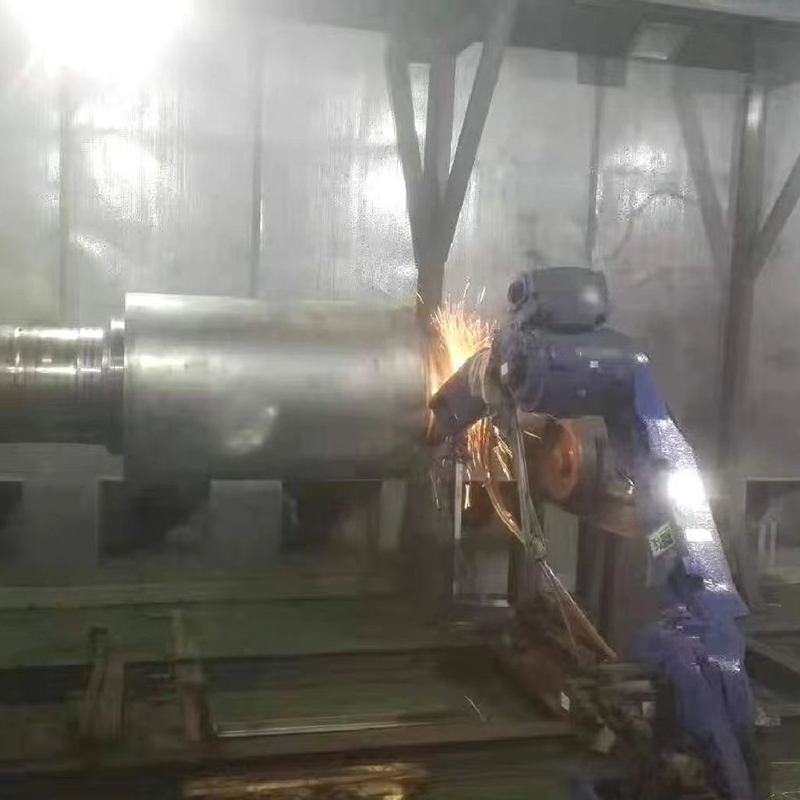
As-sprayed tungsten carbide coatings typically exhibit surface roughness ranging from 3 to 10 micrometers Ra depending on the application process and parameters. Many applications require surface finishing to achieve specific dimensional tolerances, surface roughness, or functional properties. Grinding represents the most common finishing method, using diamond or CBN (cubic boron nitride) wheels to achieve surface finishes below 0.4 micrometers Ra.
Grinding parameters must be carefully controlled to avoid coating damage through excessive heat generation or mechanical stress. Coolant application, wheel speed selection, and feed rates are optimized for tungsten carbide's extreme hardness. Centerless grinding efficiently processes cylindrical components like shafts and sleeves, while surface grinding handles flat surfaces and internal grinding addresses bore applications. Specialized grinding fluids designed for carbide machining improve surface finish and extend wheel life.
Sealing treatments fill residual porosity in thermal spray coatings, enhancing corrosion resistance and preventing fluid penetration in hydraulic or chemical service. Organic sealers include epoxies, polyesters, and specialized polymer formulations applied by brushing, spraying, or vacuum impregnation. Inorganic sealers such as sodium silicate solutions offer higher temperature resistance. The sealing process reduces coating porosity from typical values of 0.5-2% to effectively zero, creating a barrier against corrosive media while maintaining the coating's wear resistance.
Industrial Applications and Performance Benefits
Tungsten carbide coatings deliver measurable performance improvements across diverse industrial sectors. In oil and gas production, coating of drill bits, stabilizers, and downhole tools extends service life by 200-400% in abrasive formations. The combination of wear resistance and impact toughness protects components during demanding drilling operations where replacement costs include both equipment and rig downtime.
Manufacturing and Metalworking
Metal forming and cutting tools coated with tungsten carbide demonstrate dramatically extended tool life compared to uncoated alternatives. Dies, punches, and forming rolls benefit from the coating's resistance to abrasive wear and galling. In wire drawing operations, coated dies maintain dimensional stability for significantly longer production runs, reducing downtime for die changes and improving product quality consistency. Coating hardness of 1,200-1,400 HV protects against the severe sliding wear encountered in these applications.
Chemical and Process Industries
Pumps, valves, and agitators handling abrasive slurries experience severe wear that tungsten carbide coatings effectively combat. In mineral processing plants, coating of centrifugal pump impellers and casings reduces wear rates by an order of magnitude compared to conventional materials. The chemical stability of tungsten carbide-chromium carbide compositions provides excellent resistance to acidic and alkaline environments while maintaining wear protection. Coating of valve seats, balls, and stems in control valves ensures reliable sealing and extended service intervals.
Aerospace and Power Generation
Critical aerospace components including landing gear actuators, flap tracks, and hydraulic system components utilize tungsten carbide coatings to meet demanding performance specifications. The coatings provide wear resistance in high-load bearing applications while maintaining relatively low friction coefficients. In power generation, coating of turbine seals, bearings, and erosion shields protects against particle erosion from combustion products or steam impurities. The coatings' ability to function at elevated temperatures makes them suitable for hot section components.
Cost Considerations and Return on Investment
Tungsten carbide coating costs vary significantly based on component size, coating thickness, process selection, and production volume. HVOF coating typically costs between $150 and $400 per kilogram of deposited material, with total project costs including surface preparation, coating application, quality control, and finishing operations. While initial coating costs exceed simple component replacement in many cases, the return on investment materializes through extended service life and reduced downtime.
Economic analysis must account for total lifecycle costs rather than initial expenditure alone. A coated component costing $2,000 that lasts five times longer than an uncoated $500 alternative provides substantial savings when maintenance intervals, downtime costs, and replacement logistics are considered. In offshore oil production or remote mining operations where component replacement requires expensive mobilization and production interruption, the economic advantages of tungsten carbide coatings become overwhelming.
- Evaluate coating costs against total ownership including installation, downtime, and replacement logistics
- Consider coating salvage and restoration of worn components versus complete replacement
- Account for performance improvements such as increased throughput or reduced energy consumption
- Factor in reduced inventory requirements when component life becomes more predictable and extended
- Assess environmental benefits from reduced waste generation and resource consumption
Coating Selection Criteria and Engineering Guidelines
Selecting the appropriate tungsten carbide coating requires systematic evaluation of operating conditions, performance requirements, and economic constraints. The decision process begins with detailed characterization of the wear mechanisms present in the application. Abrasive wear from hard particles requires different coating characteristics than erosive wear from fluid-borne solids or adhesive wear from metal-to-metal contact.
Operating temperature significantly influences coating selection, as extreme temperatures affect both the coating material and the application process. Standard WC-Co coatings perform well to approximately 500°C, above which cobalt binder oxidation accelerates. For higher temperature service, WC-CoCr formulations provide improved oxidation resistance to 600°C through chromium's protective oxide formation. Applications above 600°C may require alternative coating materials or thermal barrier systems in conjunction with tungsten carbide.
Corrosion resistance requirements determine binder composition and may necessitate sealing treatments. Aqueous environments, particularly those containing chlorides, attack cobalt binders, making WC-CoCr or sealed coatings preferable. Chemical processing applications require evaluation of specific chemical exposures to ensure coating compatibility. The coating provider should conduct compatibility testing when specific chemical resistance data is unavailable for the proposed service environment.
| Wear Mechanism | Recommended Coating | Typical Thickness | Preferred Process |
| Abrasive Wear (2-body) | WC-12Co | 0.2-0.4mm | HVOF |
| Abrasive Wear (3-body) | WC-17Co | 0.3-0.5mm | HVOF or D-Gun |
| Erosive Wear | WC-10Co-4Cr | 0.25-0.4mm | HVOF |
| Sliding Wear + Corrosion | WC-CoCr (sealed) | 0.15-0.3mm | HVOF |
| High Impact + Abrasion | WC-20Co | 0.4-0.6mm | D-Gun |
Coating Restoration and Repair Procedures
Tungsten carbide coatings can be stripped and reapplied multiple times, allowing valuable components to be restored rather than replaced. Coating removal employs grit blasting with aggressive media or chemical stripping methods depending on substrate material and coating thickness. Complete coating removal exposes the original substrate surface, which undergoes the same preparation sequence used for initial coating application.
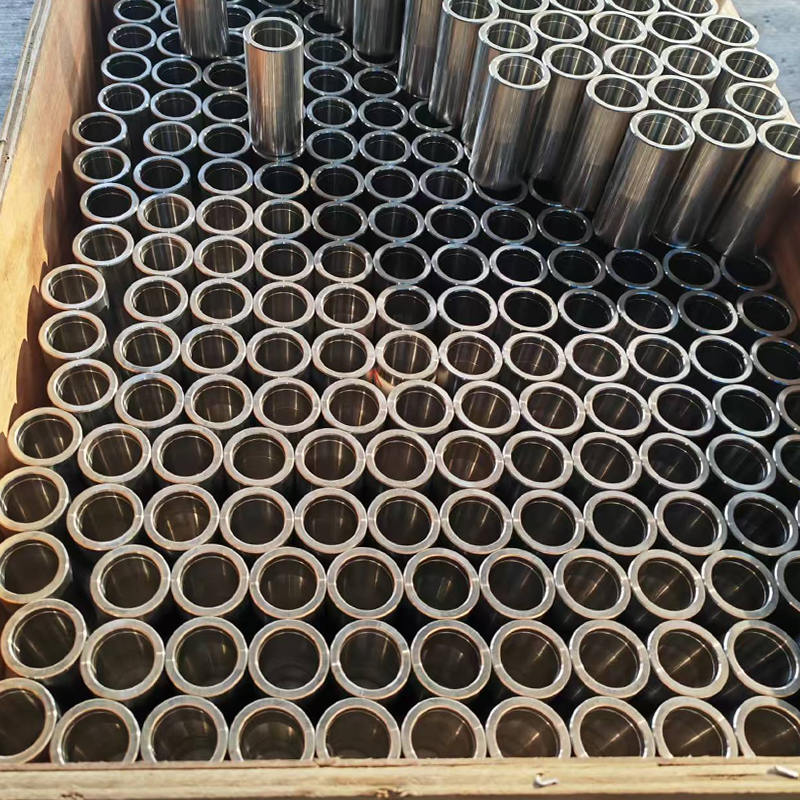
Dimensional restoration through coating allows worn components to be returned to original specifications or even improved beyond initial design. Shafts worn from bearing contact, cylinder bores experiencing abrasive wear, or valve surfaces damaged by erosion can all be coated to restore functionality. In some cases, components are intentionally manufactured undersize with the coating process bringing dimensions to final specification, a technique called "coat to size" that provides exceptional dimensional control.
Local coating repair addresses isolated damage without complete stripping and recoating. Damaged areas are prepared through localized grit blasting, feathering the edges of intact coating to create a gradual transition. The repair coating is applied to match or exceed the original coating thickness, then finished to blend with surrounding surfaces. Proper repair technique produces joints with strength approaching that of the original coating, though critical applications may require complete coating renewal rather than local repair.
Emerging Technologies and Future Developments
Cold spray technology represents an emerging alternative for tungsten carbide coating application. Unlike thermal spray processes, cold spray accelerates powder particles to supersonic velocities using compressed gas expansion, depositing material through solid-state bonding without melting. This eliminates thermal degradation concerns inherent to conventional processes. Current research focuses on developing tungsten carbide powder formulations and process parameters optimized for cold spray application, with promising results in laboratory studies showing coating properties rivaling HVOF.
Nanostructured tungsten carbide coatings offer potential performance advantages through refined microstructure and improved mechanical properties. Powder manufacturing techniques produce tungsten carbide particles with carbide grain sizes below 200 nanometers, significantly finer than conventional micron-scale materials. These nanostructured coatings demonstrate enhanced hardness, toughness, and wear resistance in laboratory testing. Challenges remain in scaling production and controlling nanostructure retention during thermal spray application.
Advanced process monitoring and quality control systems employ artificial intelligence and machine learning algorithms to optimize coating parameters in real-time. These systems analyze relationships between process inputs and coating properties, automatically adjusting parameters to compensate for variations in powder characteristics, substrate geometry, or environmental conditions. Predictive maintenance capabilities identify equipment degradation before it affects coating quality, while statistical process control tracks long-term trends to ensure consistent production.
Environmental considerations drive development of more sustainable coating processes and materials. Water-based sealers replace traditional solvent systems, reducing volatile organic compound emissions. Powder recycling systems capture overspray material for reprocessing, minimizing waste. Research into alternative binder materials explores options with reduced environmental impact during manufacturing while maintaining coating performance. These developments align tungsten carbide coating technology with increasingly stringent environmental regulations and corporate sustainability objectives.

 TOP
TOP