
 ENG
ENG
 English
 عربى
عربى Español
 中文简体
中文简体
Content
- 1 Why Coating Selection Is Critical for Idler Pin Performance
- 2 Zinc Electroplating: Economical Corrosion Protection with Limitations
- 3
- 4 Phosphate Coatings: Surface Preparation and Dry-Film Lubrication
- 5 Hard Chrome Plating: Maximum Wear Resistance for High-Load Applications
- 6 Thermal Spray Coatings: Tungsten Carbide and Chrome Oxide Alternatives
- 7 Electroless Nickel Plating: Uniform Coverage and Composite Performance
- 8 Coating Performance Comparison for Idler Pin Applications
- 9 Matching Coating Choice to Operating Environment and Load Conditions
Why Coating Selection Is Critical for Idler Pin Performance
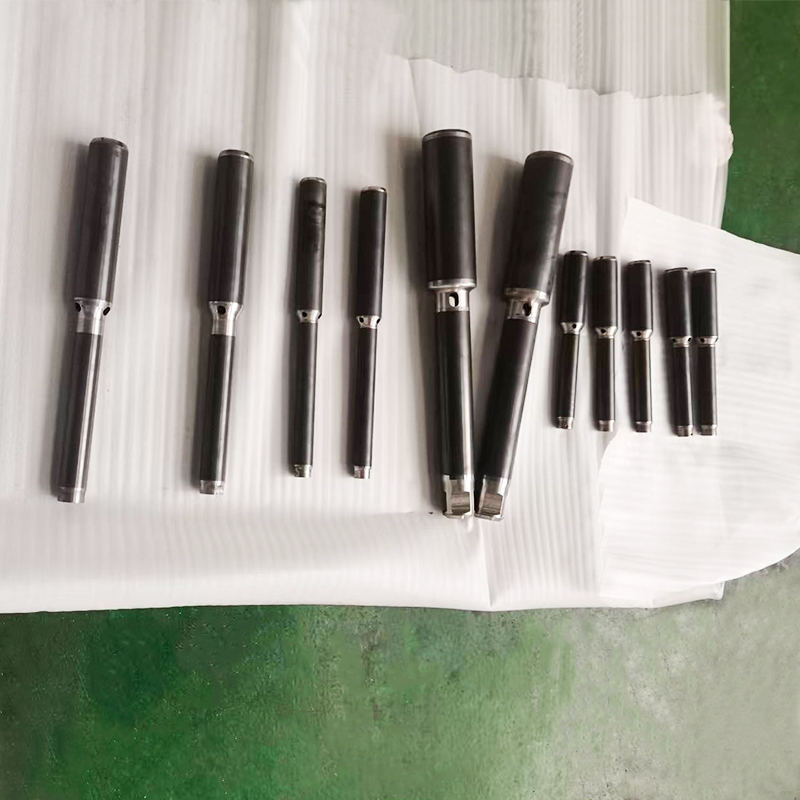
Idler pins are load-bearing pivot components used across a wide range of mechanical systems — including tracked undercarriage assemblies, conveyor systems, agricultural machinery, construction equipment, and automotive tensioner mechanisms. In every application, the idler pin operates under conditions of continuous or cyclical contact stress, relative motion between mating surfaces, and exposure to environmental contaminants ranging from dust and moisture to mud, chemicals, and temperature extremes. The base material of an idler pin — typically medium-carbon steel, alloy steel, or case-hardened steel — provides structural strength, but it is the surface coating that determines how the pin performs and how long it lasts in service.
Coating selection affects four primary performance dimensions: corrosion resistance, wear resistance, friction characteristics, and fatigue strength. The wrong coating choice for a given operating environment can accelerate surface degradation, increase maintenance frequency, and ultimately cause premature failure of the entire assembly. Understanding the mechanical and chemical properties of each major coating type — and how those properties interact with the specific demands of idler pin service — is essential for engineers specifying components and procurement teams evaluating supplier offerings.
Zinc Electroplating: Economical Corrosion Protection with Limitations
Zinc electroplating is one of the most widely applied coatings on steel fasteners and pins, including idler pins used in light to medium-duty applications. The zinc layer — typically 5–25 μm thick depending on the specification — provides sacrificial cathodic protection, meaning that if the coating is scratched or breached, the zinc corrodes preferentially, protecting the underlying steel substrate. In neutral or mildly corrosive environments, a chromate-passivated zinc coating can provide salt spray resistance of 96–200 hours to white rust formation, and 200–500 hours to red rust, depending on coating thickness and passivation type.
However, zinc electroplating has significant limitations for idler pins in demanding applications. Its hardness is very low — approximately 70–130 HV — which means it offers essentially no contribution to wear resistance at the pin's bearing surfaces. In applications where the idler pin rotates or oscillates within a bush or bracket under load, the zinc coating will abrade away rapidly, after which the base steel is exposed directly to the operating environment. Additionally, zinc electroplating carries a risk of hydrogen embrittlement in high-strength steels (above approximately 1,000 MPa tensile strength), which must be managed through post-plate baking procedures. For idler pins made from through-hardened or case-hardened alloy steels, this is a relevant concern that requires careful process control.
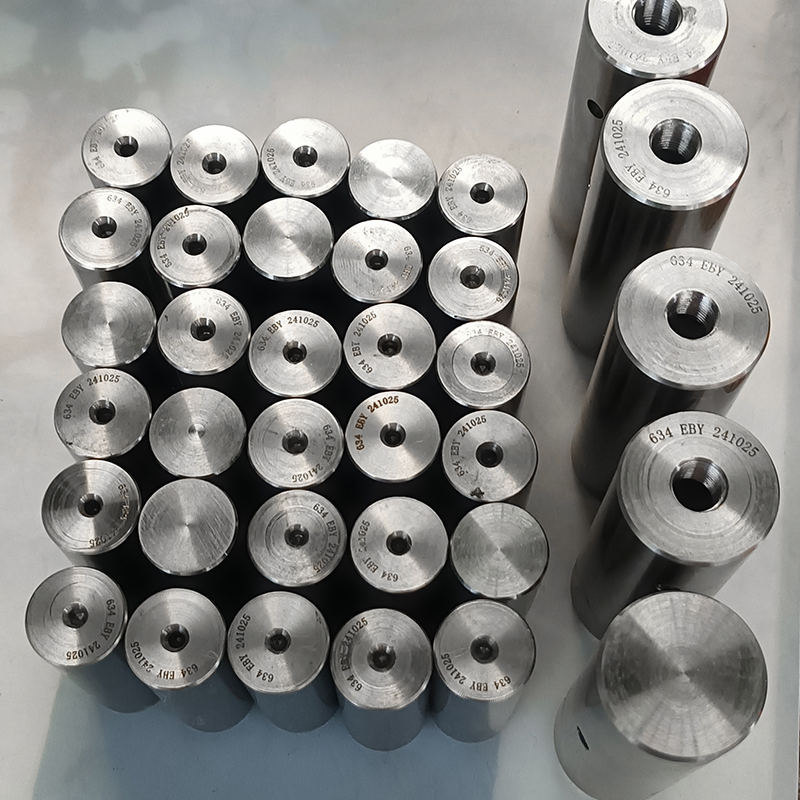
Phosphate Coatings: Surface Preparation and Dry-Film Lubrication
Manganese phosphate and zinc phosphate coatings are frequently applied to idler pins, particularly in heavy-duty off-highway and tracked undercarriage applications. Unlike zinc electroplating, phosphate coatings do not function as standalone corrosion barriers — their inherent corrosion resistance is low, providing only minimal protection without supplementary oil or wax impregnation. Their primary value in idler pin applications lies in their porous, microcrystalline surface structure, which serves two important functions.
Break-In Wear Reduction
The porous surface of a manganese phosphate coating — typically 5–15 μm thick, with a hardness of approximately 300–400 HV for manganese phosphate — retains oil or grease during the initial break-in period of an assembly. This retained lubricant prevents metal-to-metal contact while the mating surfaces of the pin and bore run in against each other, significantly reducing adhesive wear and scuffing during the critical early hours of operation. Field data from tracked vehicle undercarriage components consistently shows that phosphated-and-oiled pins exhibit lower initial wear rates than uncoated or zinc-plated alternatives in grease-lubricated joints.
Corrosion Resistance When Oil-Impregnated
When a manganese phosphate coating is impregnated with a rust-preventive oil after application, the combination can provide meaningful short-term corrosion protection — typically 100–250 hours in salt spray testing — which is sufficient for storage and transit. In service, ongoing lubrication replenishment maintains this protection at bearing contact areas. For non-contact surfaces of the pin, however, the oil film depletes over time, and in wet or chemically aggressive environments, supplementary coatings such as a topcoat wax or a zinc-rich primer may be applied over the phosphate to extend protection.
Hard Chrome Plating: Maximum Wear Resistance for High-Load Applications
Hard chrome plating — applied by electrodeposition of chromium to thicknesses typically between 25 μm and 250 μm — has been the industry benchmark for wear-resistant pin coatings in demanding applications for decades. With a hardness of 850–1,050 HV, a low coefficient of friction against steel (approximately 0.16–0.21 dry), and good corrosion resistance due to the passive chromium oxide surface layer, hard chrome offers a combination of properties that is highly effective for idler pins operating under heavy radial loads, abrasive contamination, and limited lubrication.
In construction equipment idler pins — such as those used in excavator track frames and dozer undercarriages — hard chrome plated pins can deliver two to three times the service life of uncoated pins in abrasive soil conditions. The hard surface resists grooving from abrasive particles, and the low friction coefficient reduces heat generation and fretting at the pin-bush interface. Hard chrome also provides good resistance to corrosion from water, mild acids, and hydraulic fluids encountered in typical construction site environments.
Despite these advantages, hard chrome plating faces increasing regulatory pressure due to the use of hexavalent chromium (Cr⁶⁺) in the plating bath, which is classified as a carcinogen and is subject to strict controls under REACH regulations in Europe and EPA regulations in the United States. This is driving adoption of alternative hard coatings in new specifications, even where the technical performance of hard chrome remains preferred.
Thermal Spray Coatings: Tungsten Carbide and Chrome Oxide Alternatives
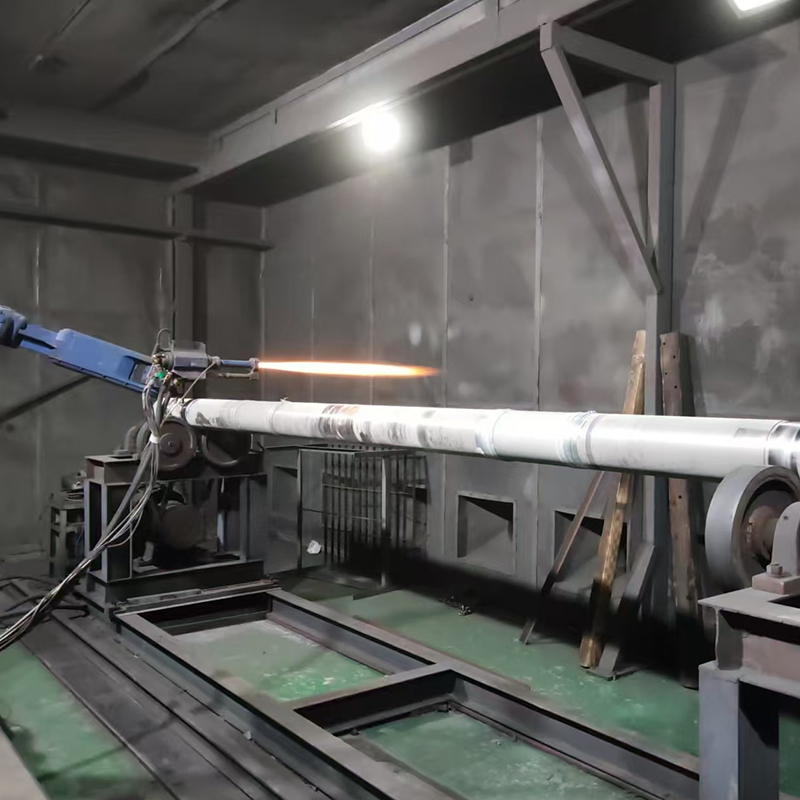
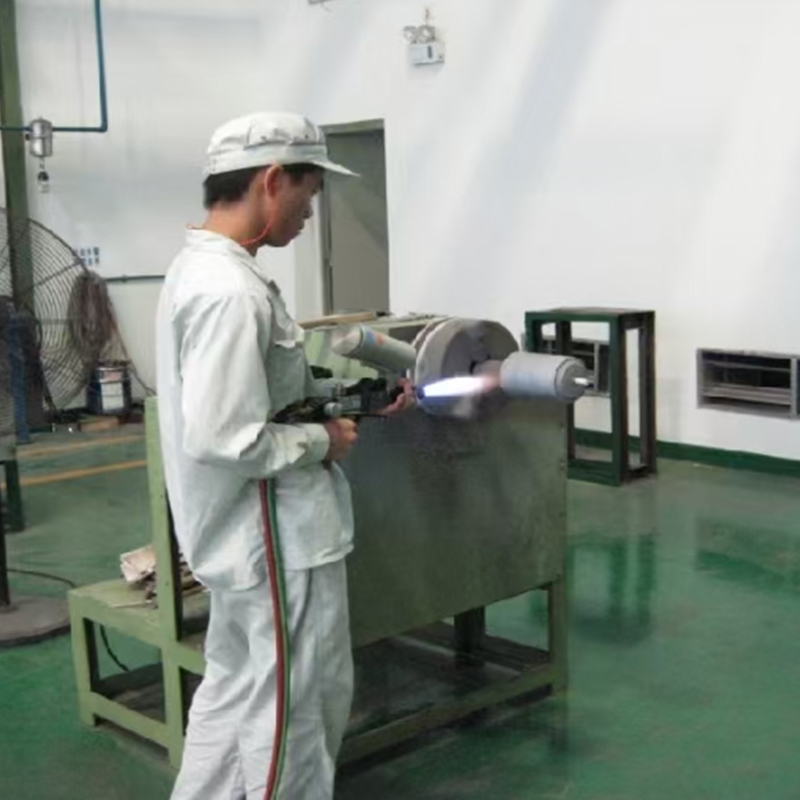
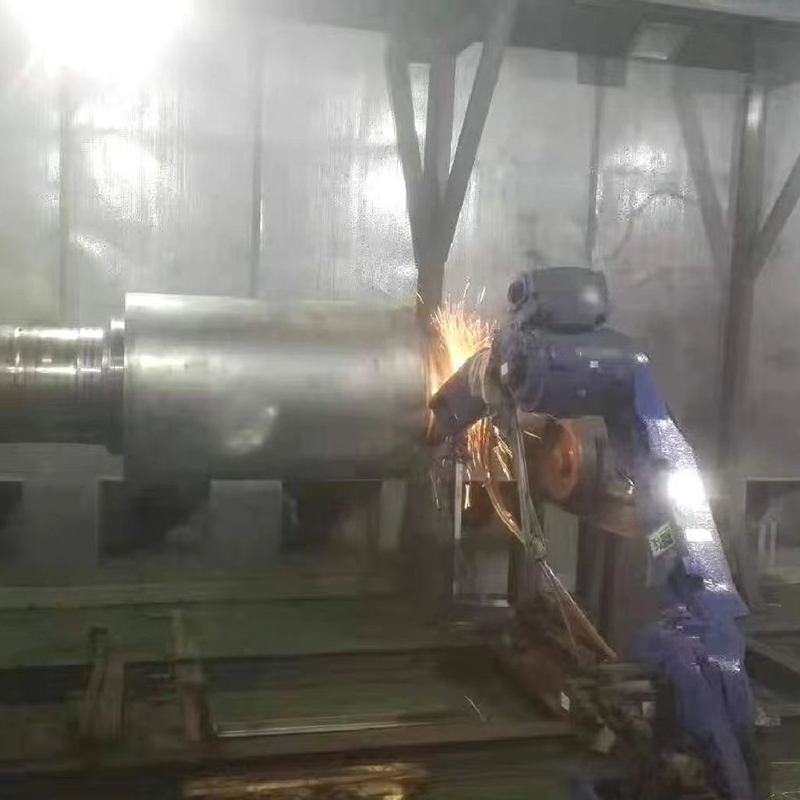
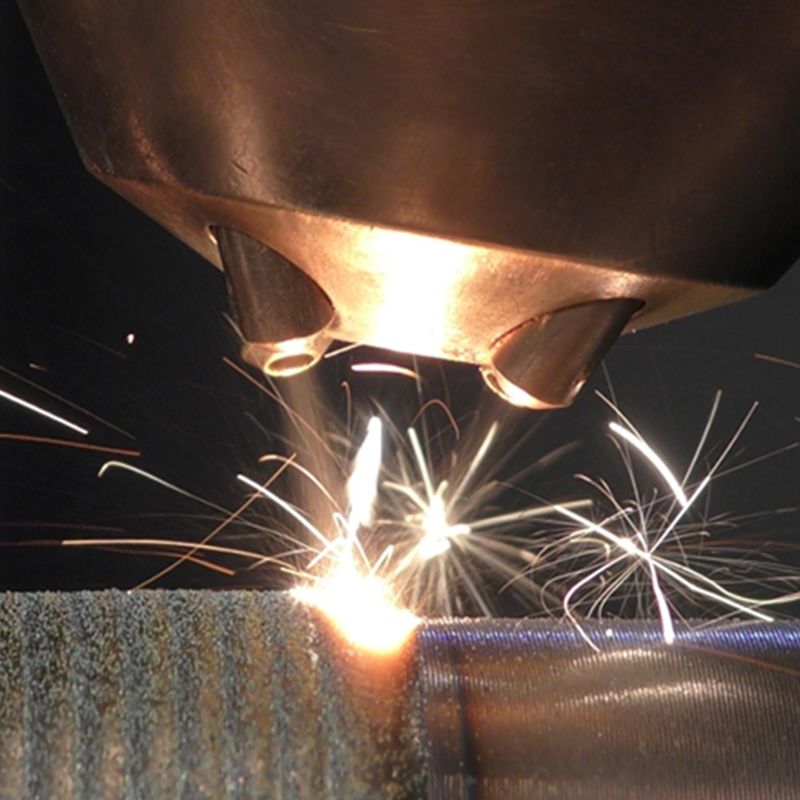
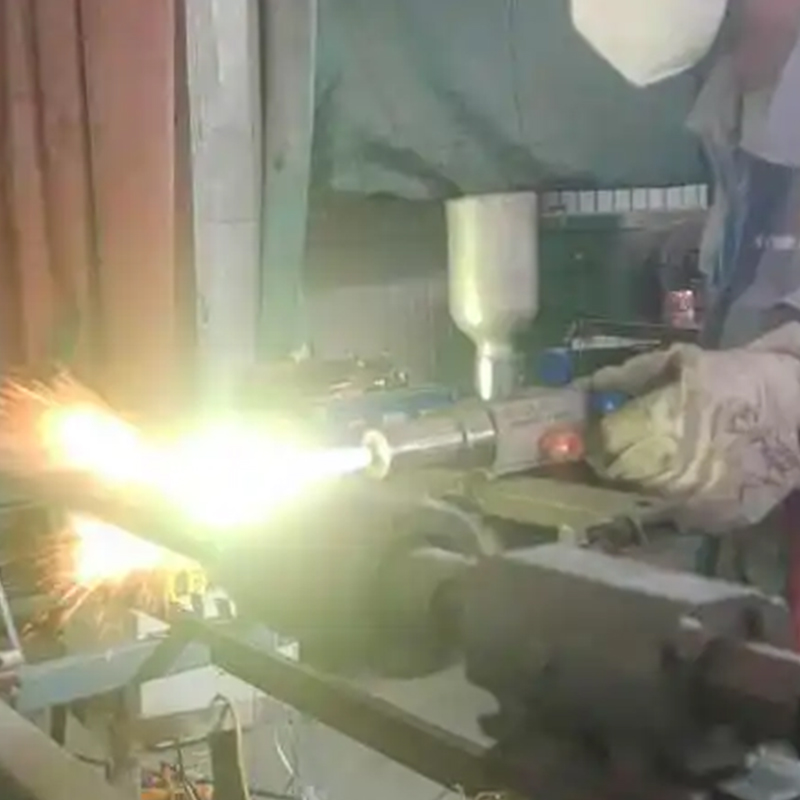
High-Velocity Oxygen Fuel (HVOF) sprayed tungsten carbide-cobalt (WC-Co) coatings are increasingly specified as hard chrome replacements for idler pins in high-performance applications. HVOF-applied WC-Co coatings achieve hardness values of 1,100–1,400 HV — exceeding hard chrome — with very low porosity (typically below 1%) and compressive residual stresses that improve fatigue resistance rather than degrading it. This last point is significant: conventional hard chrome plating introduces tensile residual stresses into the substrate, which can reduce fatigue life by 20–40% in high-cycle applications. HVOF coatings, by contrast, can improve fatigue strength, making them preferable for idler pins subject to dynamic loading.
Chrome oxide (Cr₂O₃) coatings applied by atmospheric plasma spray are a cost-effective thermal spray alternative for applications where extreme hardness is less critical but good wear and corrosion resistance are both required. With hardness in the range of 900–1,200 HV and excellent chemical inertness, chrome oxide coatings perform well on idler pins in chemical processing, food industry conveyor systems, and marine environments where corrosion from chlorides or process chemicals is a primary concern alongside wear.
Electroless Nickel Plating: Uniform Coverage and Composite Performance
Electroless nickel (EN) plating deposits a nickel-phosphorus alloy through an autocatalytic chemical reaction rather than electrolytic deposition, which means the coating thickness is highly uniform across the entire pin surface — including recesses, threaded sections, and internal bores. This uniformity is a critical advantage for idler pins with complex geometries or tight dimensional tolerances, where the thickness variation inherent in electroplating would require post-plate grinding to achieve final dimensions.
The hardness of as-deposited electroless nickel varies with phosphorus content: low-phosphorus EN (2–5% P) deposits at approximately 650–750 HV, while medium-phosphorus EN (6–9% P) deposits at 500–600 HV. Post-deposition heat treatment at 300–400°C can increase hardness to 900–1,050 HV through precipitation hardening of nickel phosphide phases. Heat-treated high-hardness EN coatings on idler pins offer wear resistance approaching that of hard chrome while providing more uniform coverage and better adhesion in many substrate conditions. Corrosion resistance of medium and high-phosphorus EN coatings is also excellent — typically exceeding 500 hours to red rust in neutral salt spray testing — making EN-plated idler pins well suited to marine, agricultural, and humid industrial environments.
Coating Performance Comparison for Idler Pin Applications
| Coating Type | Hardness (HV) | Wear Resistance | Corrosion Resistance | Fatigue Impact |
|---|---|---|---|---|
| Zinc Electroplate | 70–130 | Poor | Moderate (sacrificial) | Slight negative (H₂ risk) |
| Manganese Phosphate | 300–400 | Fair (with oil) | Low (needs oil) | Neutral |
| Hard Chrome | 850–1,050 | Excellent | Good | Negative (tensile stress) |
| HVOF WC-Co | 1,100–1,400 | Superior | Good | Positive (compressive stress) |
| Electroless Nickel (HT) | 900–1,050 | Very Good | Excellent | Neutral to slight positive |
| Chrome Oxide (Plasma) | 900–1,200 | Very Good | Excellent | Neutral |
Matching Coating Choice to Operating Environment and Load Conditions
No single coating is optimal for every idler pin application. The correct choice requires a systematic evaluation of the operating environment, load regime, lubrication availability, and maintenance accessibility. The following considerations provide a practical framework for coating selection:
- Light-duty indoor conveyor systems with periodic lubrication: Zinc electroplate with chromate passivation is adequate and cost-effective. Wear at bearing surfaces is low and corrosion exposure is minimal.
- Heavy off-highway tracked equipment in abrasive soil: Manganese phosphate with oil for assembly and break-in, transitioning to hard chrome or HVOF WC-Co for maximum service life where total cost of ownership justifies the premium.
- Marine or coastal environments with salt exposure: Electroless nickel (medium or high phosphorus) or chrome oxide thermal spray provide the best combination of corrosion resistance and wear protection.
- Dynamic high-cycle applications where fatigue life is critical: HVOF WC-Co is strongly preferred over hard chrome due to its compressive residual stress contribution. Shot peening of the substrate before coating further enhances fatigue performance.
- Applications requiring strict dimensional control after coating: Electroless nickel is the preferred choice due to its uniform thickness across all surfaces, minimizing or eliminating post-coat grinding requirements.
Coating selection should always be validated against the specific operating conditions through accelerated wear testing or monitored field trials before full production commitment. The performance data in controlled laboratory conditions does not always translate directly to field performance, particularly where lubrication conditions, contamination ingress, and dynamic loading interact in complex ways unique to each application. Engaging coating suppliers early in the design process — rather than treating the coating as a final-stage decision — ensures that substrate preparation, coating process parameters, and dimensional allowances are all aligned with the performance requirements from the outset.

 TOP
TOP