
 ENG
ENG
 English
 عربى
عربى Español
 中文简体
中文简体
Content
- 1 The Manufacturing Industry's Dual Challenge: Scale Without Waste
- 2 How Thermal Spray Technology Works Across Key Process Variants
- 3 Thermal Spray and Material Efficiency: Doing More With Less
- 4 Extending Component Lifecycle: The Sustainability Multiplier
- 5 Thermal Spray as a Scalable Production Technology
- 6 Replacing Hazardous Processes: Thermal Spray's Environmental Compliance Advantage
- 7 The Path Forward: Integrating Thermal Spray Into a Sustainable Manufacturing Strategy
The Manufacturing Industry's Dual Challenge: Scale Without Waste
Modern manufacturing sits at a crossroads. On one side, global demand for industrial components, aerospace parts, energy infrastructure, and medical devices continues to grow at pace. On the other, regulatory pressure, resource scarcity, and corporate sustainability commitments are forcing manufacturers to fundamentally rethink how they produce, protect, and extend the life of the materials they work with. The conventional answer — make more, replace more — is no longer economically or environmentally viable. What the industry needs is a technology capable of enhancing performance at scale while simultaneously reducing material consumption, energy use, and waste generation. Thermal spray technology delivers precisely that combination, and its adoption across advanced manufacturing sectors is accelerating as a result.
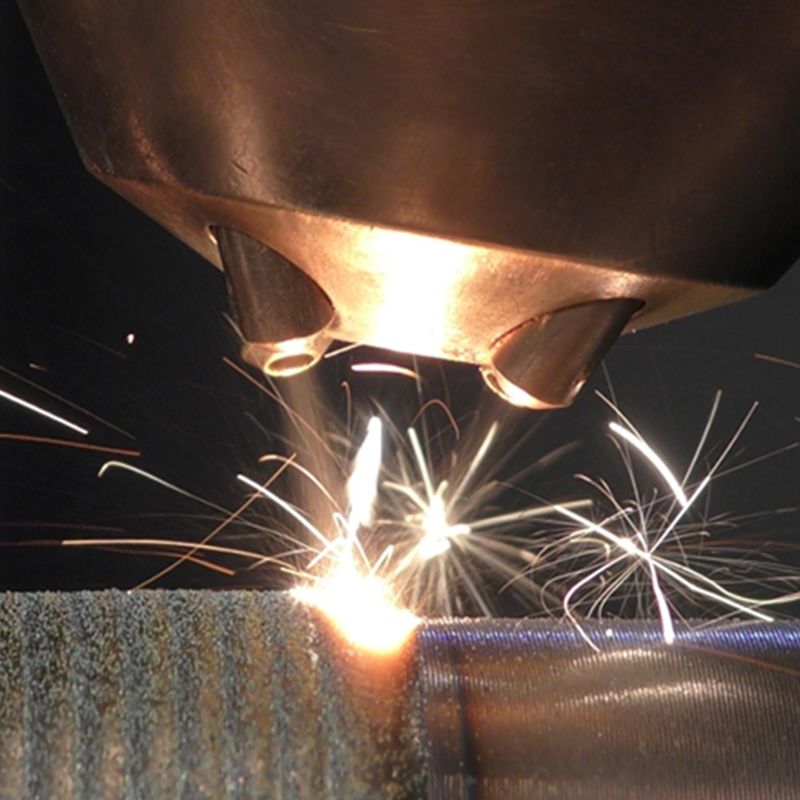
Thermal spray is a coating process in which feedstock materials — metals, ceramics, polymers, or composites — are heated to a molten or semi-molten state and projected at high velocity onto a substrate surface. The result is a dense, strongly adherent coating that can be engineered to impart specific functional properties: corrosion resistance, thermal insulation, wear protection, electrical conductivity, or dimensional restoration. Because the coating is applied only where it is needed, and because it can be tuned with extraordinary precision, thermal spray represents a fundamentally more efficient way to manufacture and maintain high-performance components compared to traditional bulk material approaches.
How Thermal Spray Technology Works Across Key Process Variants
Thermal spray is not a single process but a family of related coating technologies, each suited to different material types, coating thicknesses, and performance requirements. Understanding the distinctions between these variants is essential for manufacturers evaluating thermal spray as a production or maintenance solution.
Plasma Spray
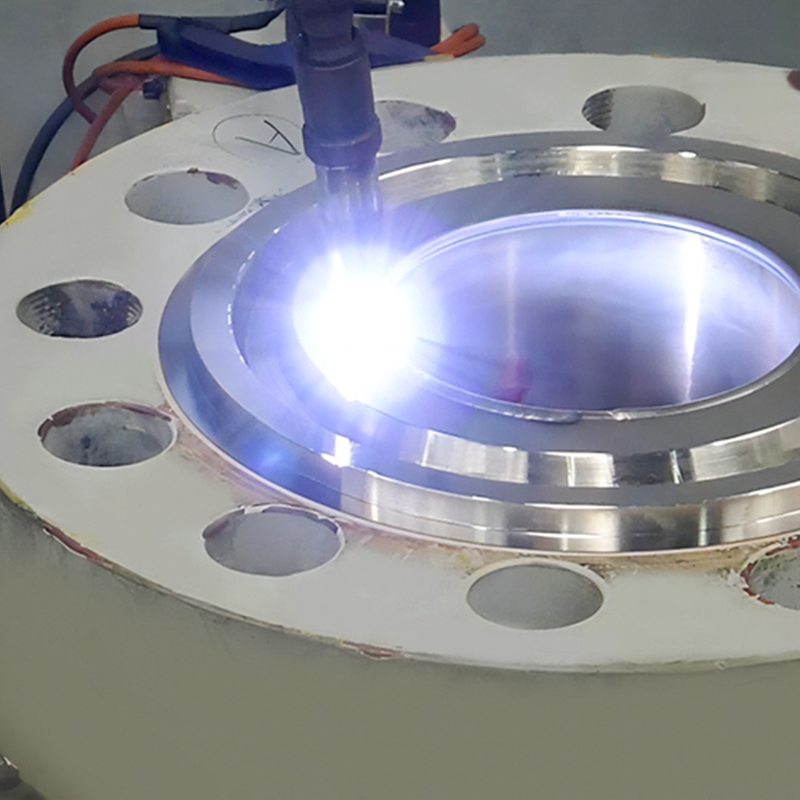
Plasma spray uses an electrically generated plasma arc to reach temperatures exceeding 15,000°C, making it capable of melting virtually any material including high-melting-point ceramics such as zirconia and alumina. It is the dominant process for thermal barrier coatings in aerospace turbine engines and industrial gas turbines, where protecting metal substrates from extreme heat is critical to both performance and component longevity.
High-Velocity Oxygen Fuel (HVOF) Spray
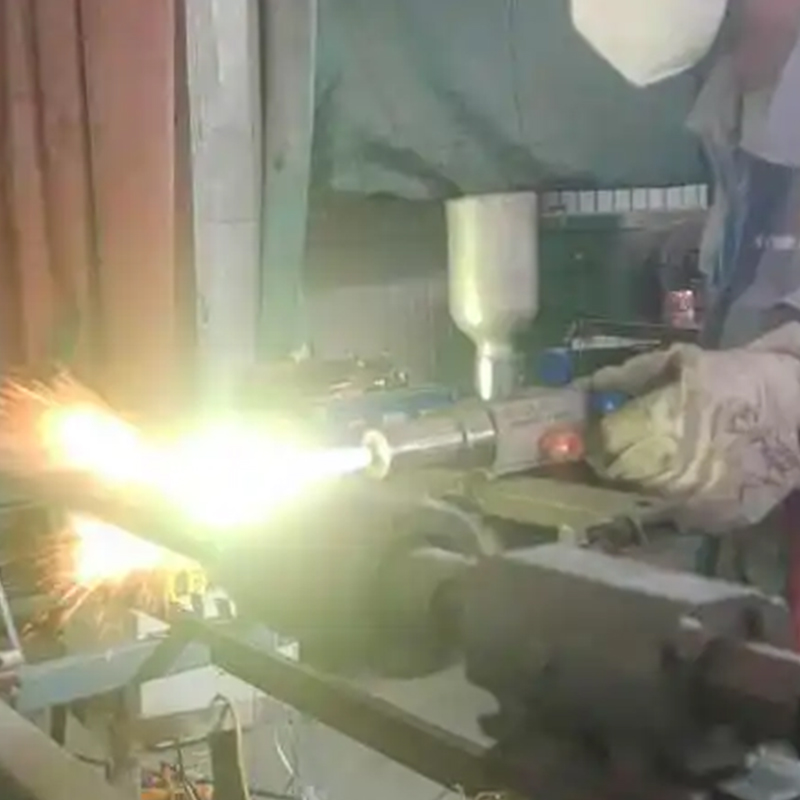
HVOF accelerates feedstock particles to supersonic velocities using a combustion-driven gas stream. The result is an exceptionally dense, low-porosity coating with outstanding bond strength. HVOF is widely used for wear-resistant carbide coatings in oil and gas, hydraulic systems, and mining equipment, and it is increasingly replacing hard chrome electroplating in industrial applications — delivering equivalent or superior performance without the toxic hexavalent chromium waste associated with traditional plating processes.
Cold Spray
Cold spray deposits material through kinetic energy rather than heat, accelerating particles to high velocities without melting them. Because the substrate and feedstock remain at relatively low temperatures throughout the process, cold spray is ideal for temperature-sensitive materials and for restoring dimensional tolerances on worn or damaged components without inducing thermal distortion. It is gaining rapid adoption in defense, aerospace, and electronics manufacturing as a precision repair and additive manufacturing technique.
Arc Wire Spray
Arc wire spray melts metallic wire feedstock using an electric arc and propels the molten droplets onto a substrate using a compressed air stream. It is one of the most cost-effective thermal spray methods for large-area corrosion protection applications, commonly used on bridges, marine structures, storage tanks, and industrial machinery where zinc or aluminum coatings provide long-term galvanic protection against rust and atmospheric degradation.
Thermal Spray and Material Efficiency: Doing More With Less
One of the most compelling sustainability arguments for thermal spray technology is its inherent material efficiency. Traditional manufacturing methods for producing wear-resistant or corrosion-proof components typically require either machining a part from a solid block of expensive alloy — generating significant swarf waste — or manufacturing the entire component from a premium material when only its surface actually requires the high-performance properties. Both approaches consume substantially more raw material than necessary.
Thermal spray inverts this logic. A standard steel substrate — inexpensive, widely available, and easy to machine — serves as the structural core, while a precisely engineered coating of tungsten carbide, chromium oxide, Inconel, or any other high-performance material is applied only to the surfaces that experience wear, heat, or chemical attack. The coating might be as thin as 50 microns or as thick as several millimeters depending on the application, but in either case the volume of premium material consumed is a fraction of what a solid high-alloy component would require.
This targeted material deposition has direct sustainability implications:
- Reduced consumption of critical raw materials including tungsten, cobalt, nickel, and rare earth elements whose extraction carries significant environmental costs
- Lower embodied energy per component, since less primary metal processing and refining is required
- Reduced machining waste because near-net-shape coating application minimizes the need for post-coating material removal
- Ability to repair and recoat worn components rather than replacing them entirely, extending useful product life and deferring the environmental cost of new component manufacture
Extending Component Lifecycle: The Sustainability Multiplier
Perhaps the single most powerful sustainability contribution of thermal spray technology is its ability to dramatically extend the operational lifespan of industrial components. In industries such as power generation, oil and gas, aerospace, and heavy manufacturing, component replacement is not just costly in direct terms — it carries a substantial embedded environmental cost in terms of the energy, raw materials, and manufacturing processes required to produce each new part.
When a thermal spray coating doubles or triples the service life of a pump impeller, a hydraulic rod, a turbine blade, or a paper mill roll, it effectively cuts the environmental impact of that component in half or by two-thirds over the same operational period. This lifecycle extension effect scales multiplicatively across a fleet of equipment or across a manufacturer's full component inventory — transforming thermal spray from a niche surface treatment into a strategic sustainability lever.
The repair and restoration capability of thermal spray adds another dimension to this equation. Components that would previously have been scrapped due to wear, corrosion pitting, or dimensional loss can be restored to original specifications through cold spray or HVOF recoating, then returned to service. In aerospace MRO operations, for example, cold spray repair of aluminum and magnesium aircraft components has been validated to restore full mechanical properties, enabling parts to meet airworthiness standards without the energy and material cost of manufacturing replacements from scratch.
Thermal Spray as a Scalable Production Technology
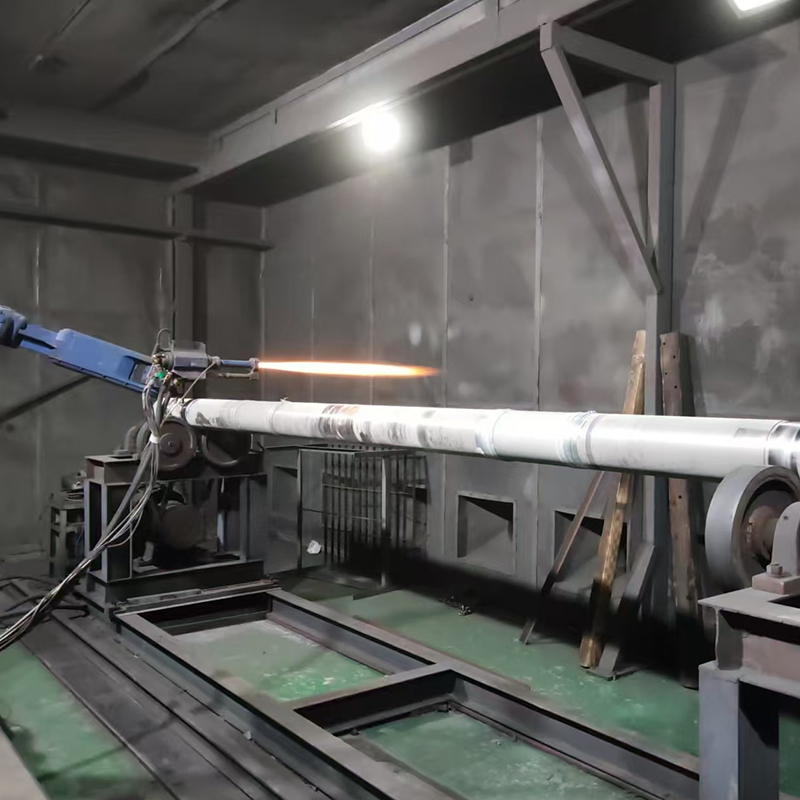
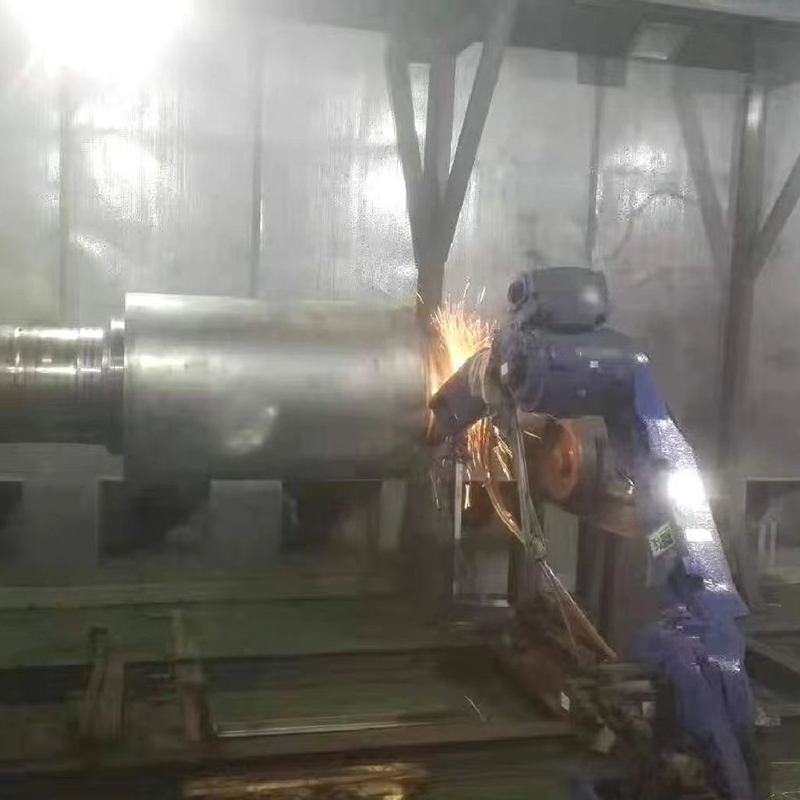
Scalability is the other half of the equation, and thermal spray delivers here through a combination of process automation, feedstock flexibility, and adaptability to both high-volume production and precision low-volume applications. Modern thermal spray systems are fully compatible with robotic automation, allowing consistent, repeatable coating deposition across thousands of components per shift with minimal operator intervention and highly controlled quality outcomes.
The following table illustrates how different thermal spray processes align with key scalability and sustainability parameters:
| Process | Deposition Rate | Coating Density | Best Sustainability Use Case |
| Plasma Spray | High | Medium–High | Thermal barrier coatings, fuel efficiency improvement |
| HVOF | Medium–High | Very High | Chrome replacement, wear resistance, lifecycle extension |
| Cold Spray | Low–Medium | High | Component repair, additive manufacturing, zero heat distortion |
| Arc Wire Spray | Very High | Medium | Large-area corrosion protection, infrastructure longevity |
This process diversity means manufacturers can select the thermal spray variant that best fits their production volume, component geometry, and performance requirements — without being locked into a one-size-fits-all approach. As production scales up, robotic spray cells can be added or reconfigured, feedstock supply chains are well-established globally, and process parameters are readily transferred between facilities, supporting geographic manufacturing expansion without requiring technology reinvention at each new site.
Replacing Hazardous Processes: Thermal Spray's Environmental Compliance Advantage
Beyond its direct performance benefits, thermal spray technology is playing a critical role in helping manufacturers transition away from surface treatment processes that carry serious environmental and regulatory liabilities. Hard chrome electroplating — long the industry standard for wear and corrosion protection on hydraulic cylinders, landing gear, engine components, and industrial tooling — uses hexavalent chromium, a carcinogenic substance subject to increasingly stringent regulation under frameworks including REACH in Europe and EPA standards in the United States.
HVOF carbide coatings have been extensively validated as performance-equivalent or superior replacements for hard chrome in the majority of applications, offering comparable hardness, better wear resistance, and in many cases longer service intervals. The elimination of hexavalent chromium from the coating process removes hazardous waste streams, reduces worker health risks, simplifies regulatory compliance, and lowers the cost and complexity of waste treatment infrastructure — all while delivering a coating that outperforms what it replaces.
Similarly, thermal spray is enabling manufacturers to phase out cadmium plating, solvent-based paint systems, and other legacy surface treatments whose environmental profiles are incompatible with modern sustainability commitments. The ability to consolidate multiple legacy processes into a single, cleaner thermal spray workflow simplifies environmental management and accelerates progress toward sustainability targets.
The Path Forward: Integrating Thermal Spray Into a Sustainable Manufacturing Strategy
For manufacturers developing or refining their sustainability roadmaps, thermal spray technology deserves a central position rather than a peripheral role. Its contributions operate at multiple levels simultaneously — reducing raw material intensity, extending asset lifecycles, enabling component repair over replacement, eliminating hazardous process chemistry, and supporting scalable automated production — making it one of the rare manufacturing technologies that advances both economic and environmental objectives without forcing a trade-off between them.
Practical integration typically begins with a coating audit: a systematic review of which components in the production or maintenance operation are currently failing due to surface degradation, which are being manufactured from premium bulk materials when only their surfaces require high performance, and which legacy coating processes carry environmental liabilities that thermal spray could eliminate. This audit creates a prioritized roadmap of thermal spray implementation opportunities, each with quantifiable ROI in terms of cost reduction, lifecycle extension, and sustainability metric improvement.
As the global manufacturing sector continues its shift toward circular economy principles — where material value is preserved for as long as possible and waste at every stage of the production cycle is systematically eliminated — thermal spray technology stands out as a proven, scalable, and immediately deployable enabler of that transition. The manufacturers who recognize and act on this opportunity earliest will gain both the competitive and the reputational advantages that come with leading rather than following the industry's sustainability evolution.


 TOP
TOP